
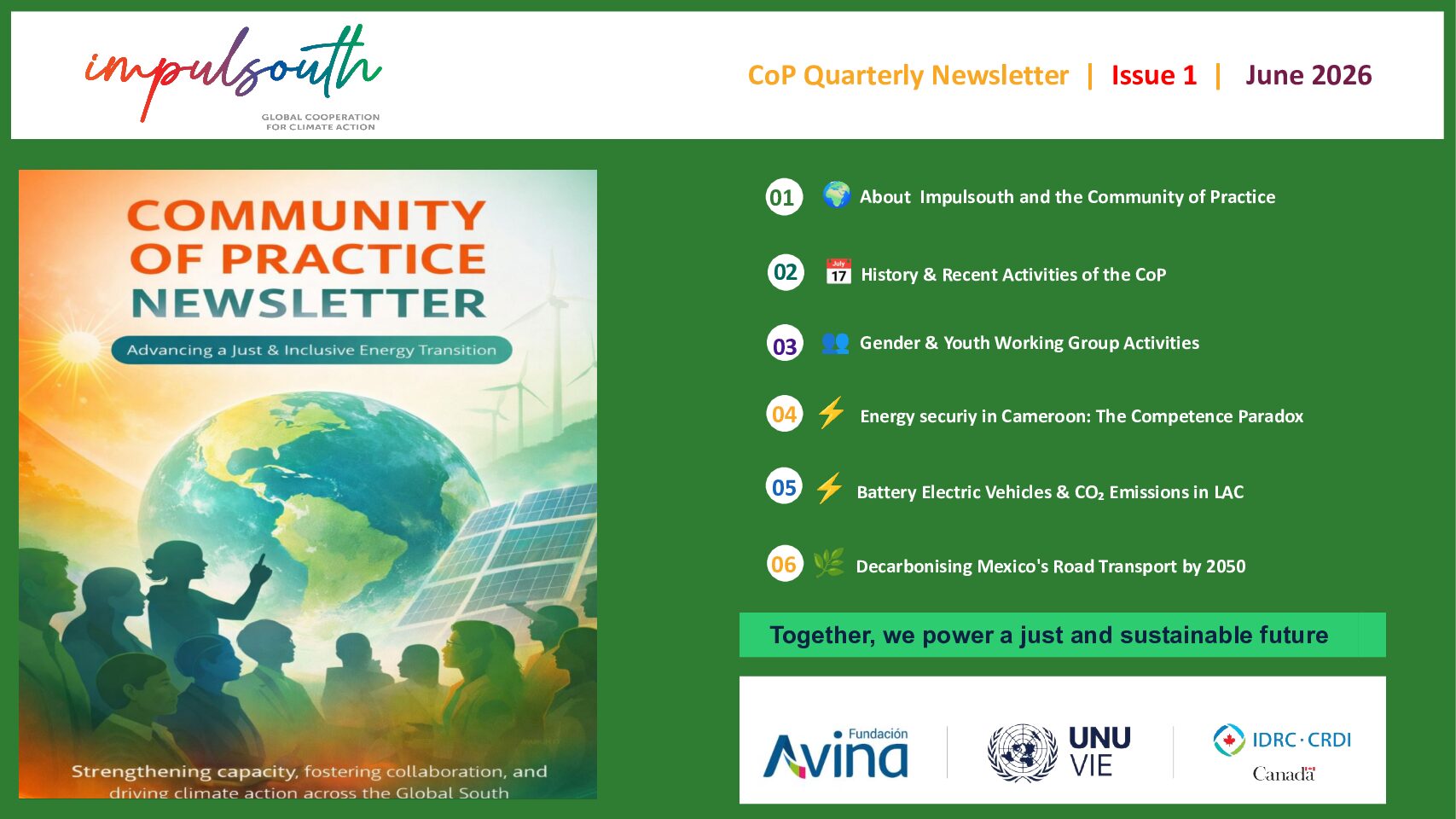
This is the Impulsouth Community of Practice (CoP) newsletter. The CoP is a collaborative platform that strengthens capacities within the energy sector, supporting a just and inclusive energy transition with a strong focus on gender equality. Bringing together diverse stakeholders, the CoP fosters knowledge exchange, strengthens institutional capacity, and promotes effective South-South cooperation across nine … Continue reading “CoP Quarterly Newsletter – Issue 1 – June 2026”
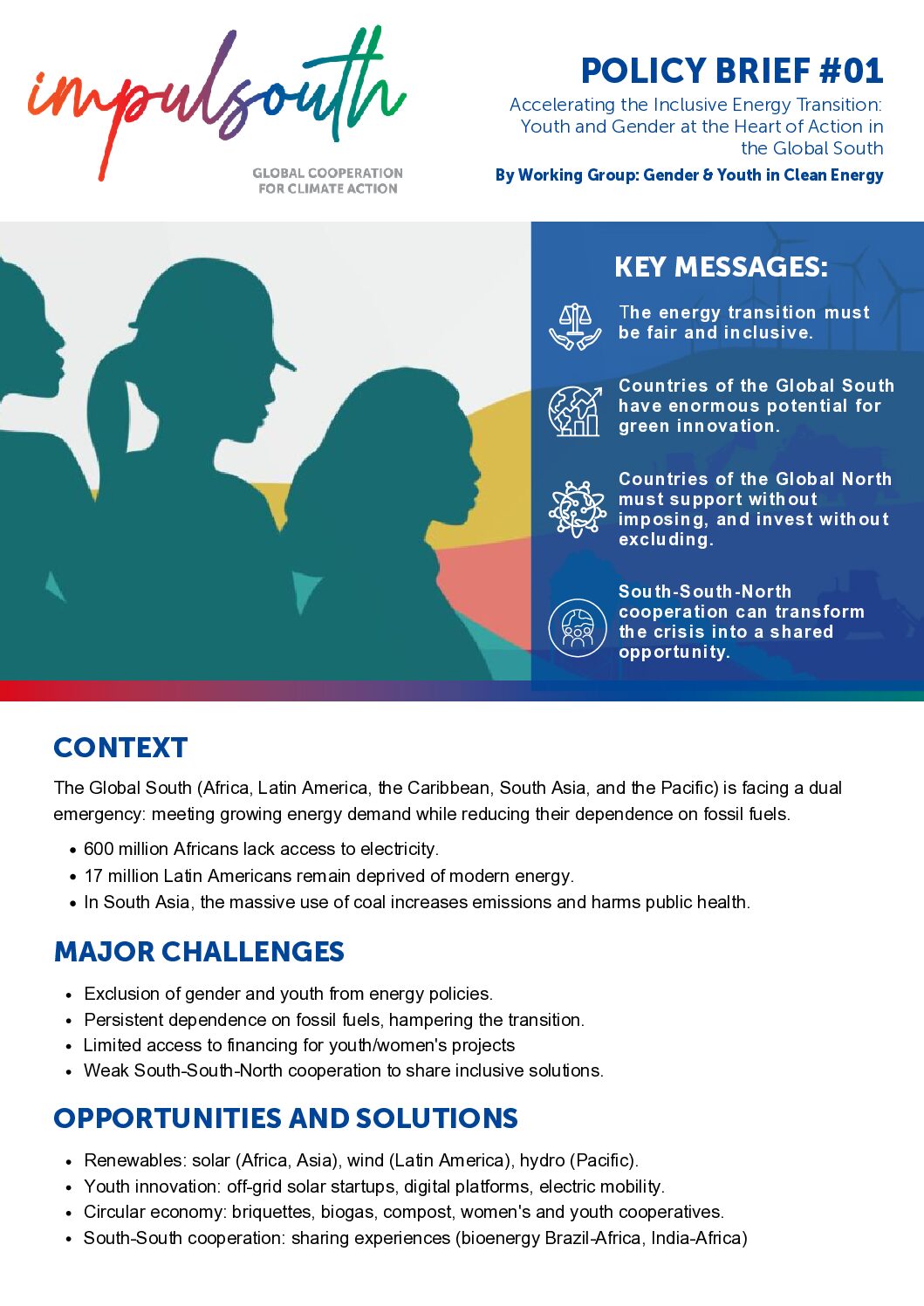
This resource was developed by members of the Working Group on Gender & Youth in Clean Energy, within Impulsouth’s Community of Practice.
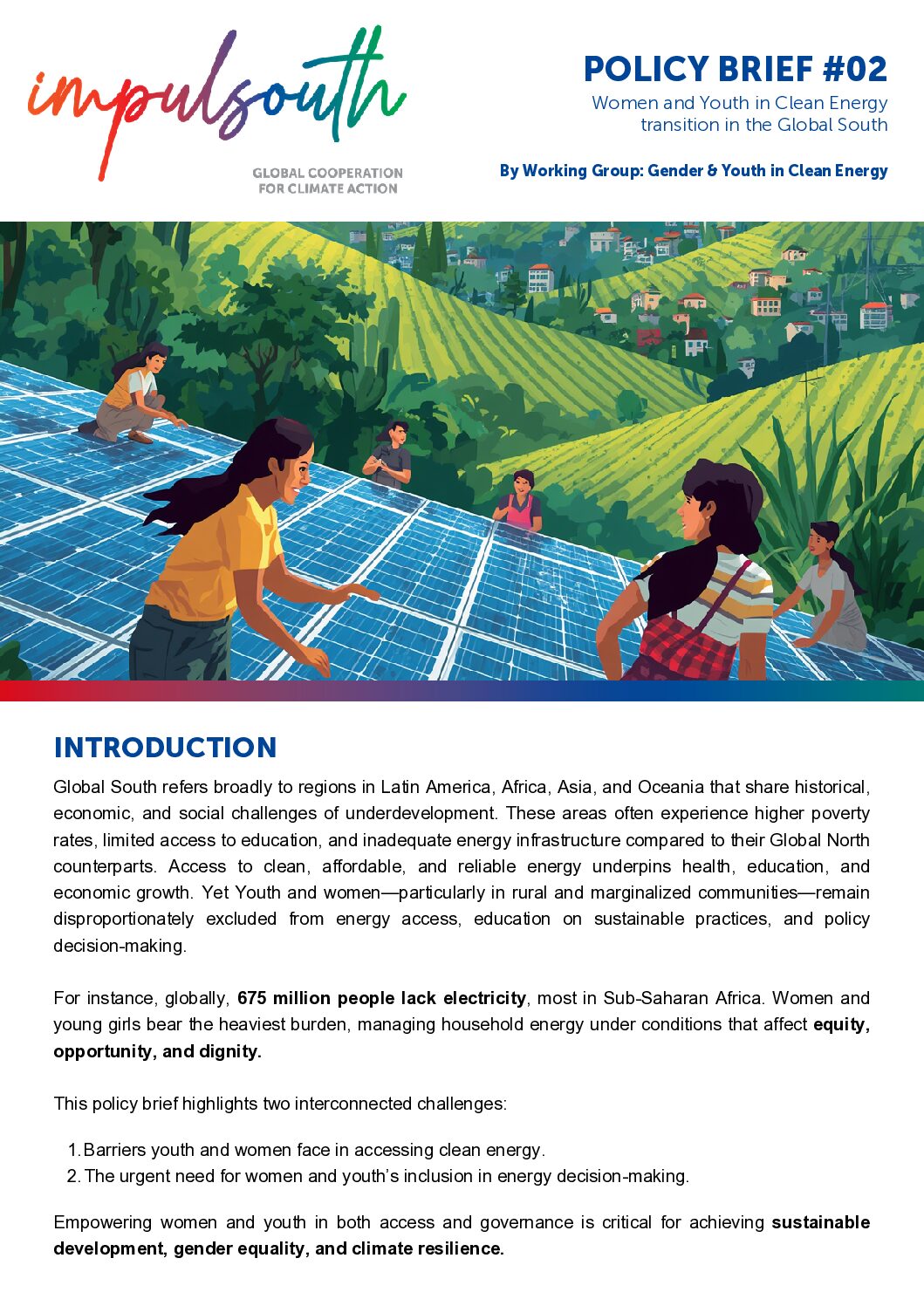
This resource was developed by members of the Working Group on Gender & Youth in Clean Energy, within Impulsouth’s Community of Practice.
This second edition from 2025 provides an update to the landmark report from 2019, based on a new survey of 1192 individuals working in the sector, and 233 companies and organizations. The headline finding was that despite widespread efforts, the share of women in renewable energy has not grown over the past six years: it … Continue reading “Renewable energy: A gender perspective (Second edition)”
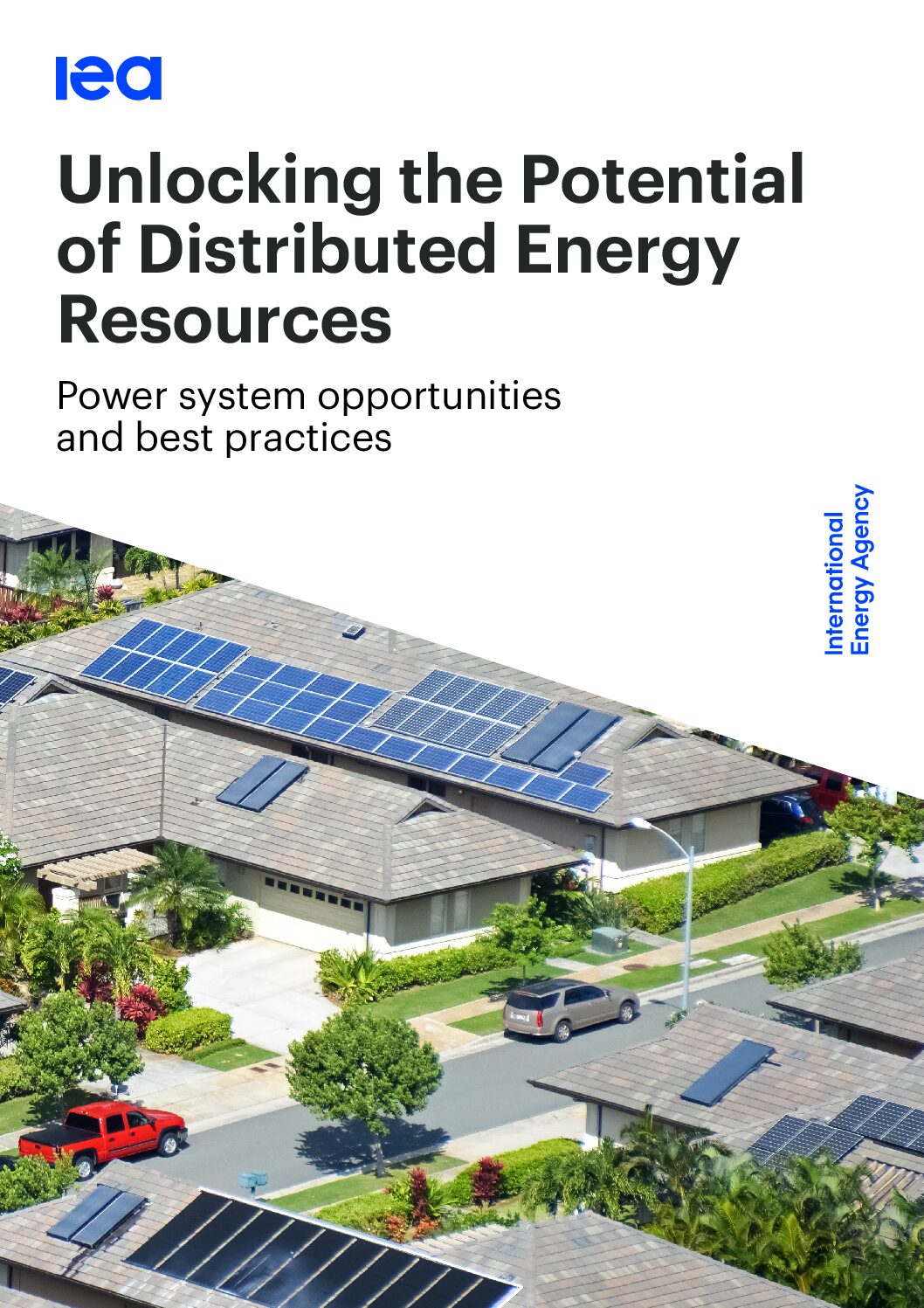
This report discusses how distributed energy resources can improve energy systems, and how energy systems must change to accommodate them.
This webpage provides an introduction to smart grids, an overview of recent progress and recommendations for governments and utilities.
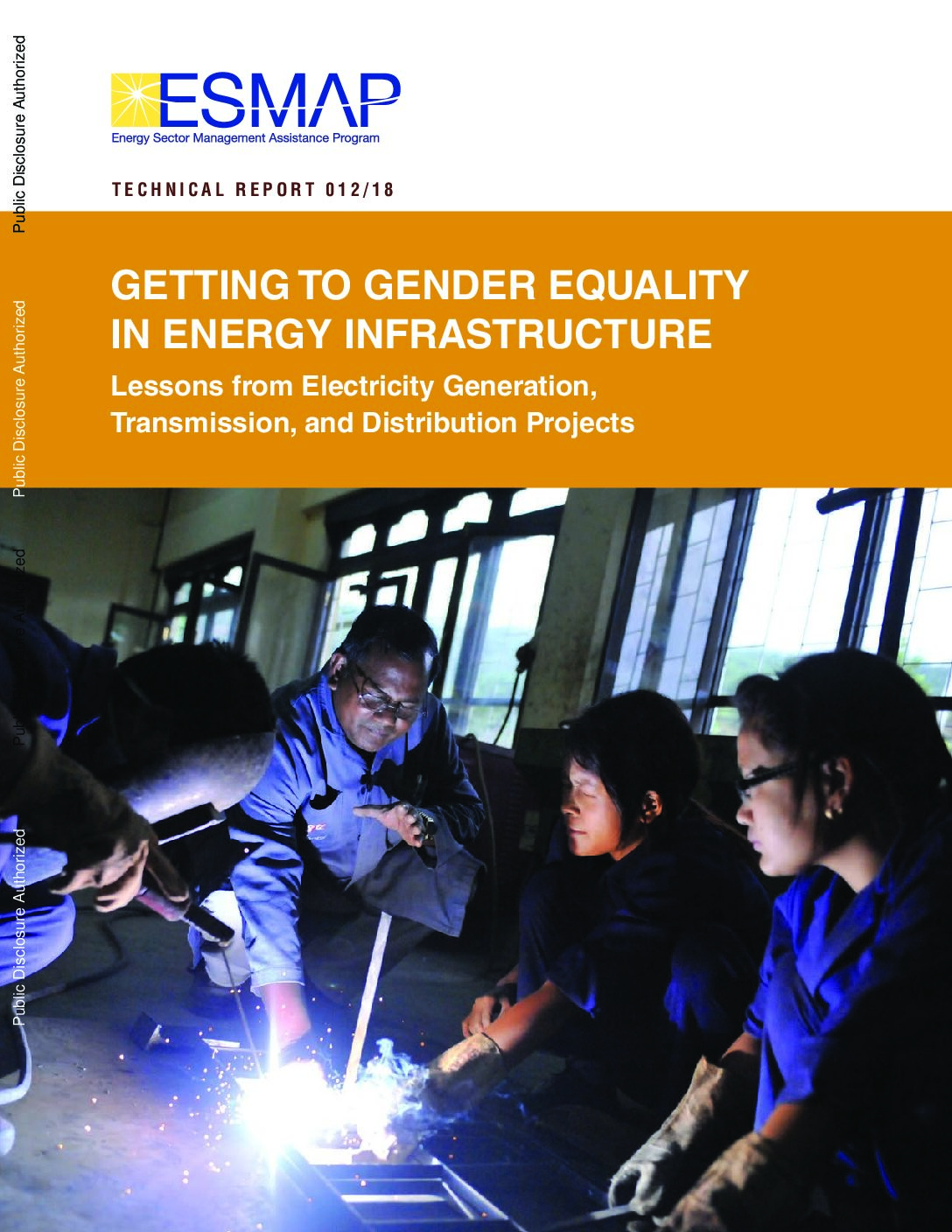
This report by the World Bank’s Energy Sector Management Assistance Program (ESMAP) shares opportunities, challenges and good practices related to advancing gender equality in electricity infrastructure projects.
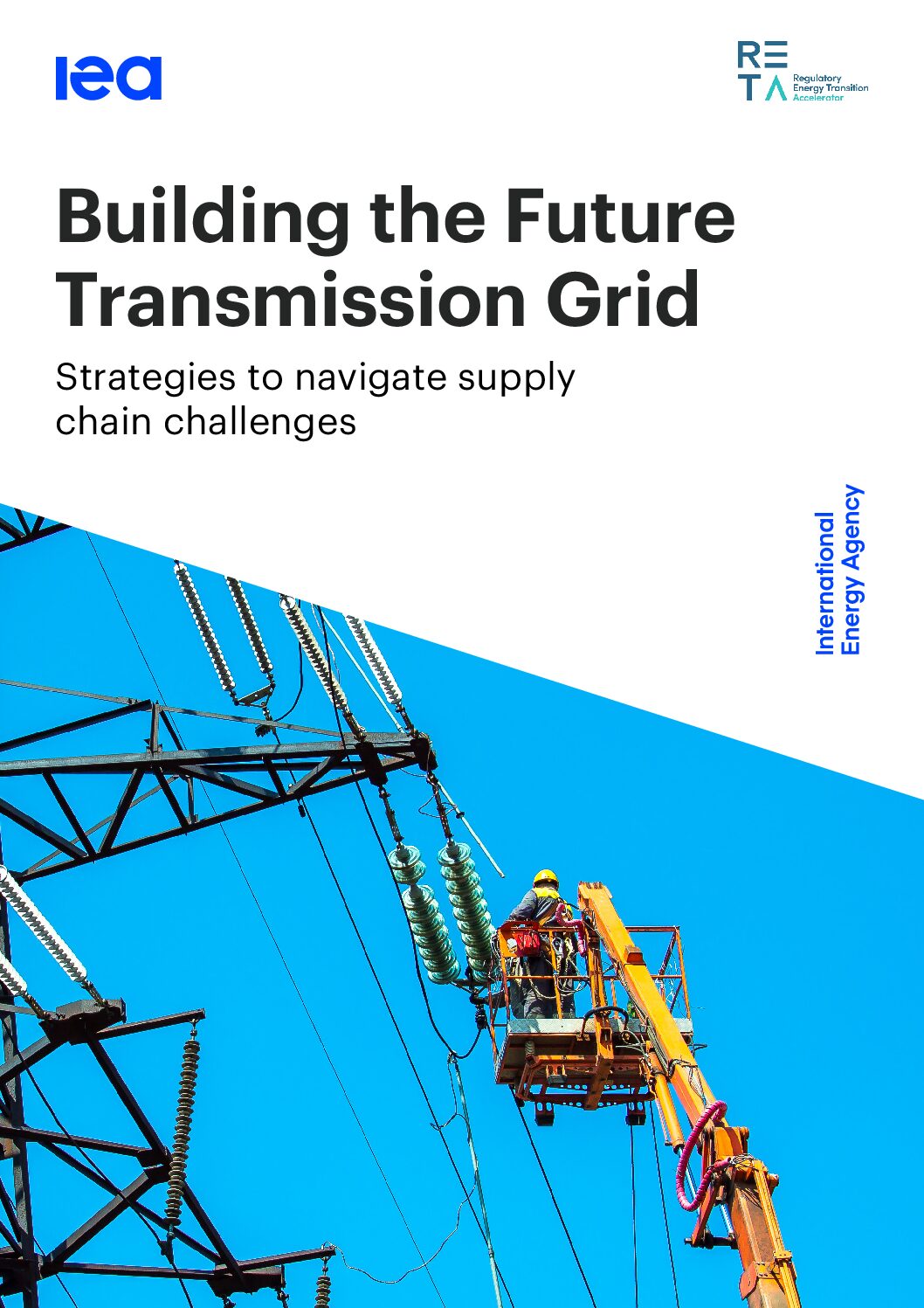
This very recent IEA report explains the need to invest more in grid infrastructure. Read the Executive Summary on pages 7-10 for a brief overview of challenges related to quickly rising demand for transformers and cables, which have led to increased waiting times and higher prices.
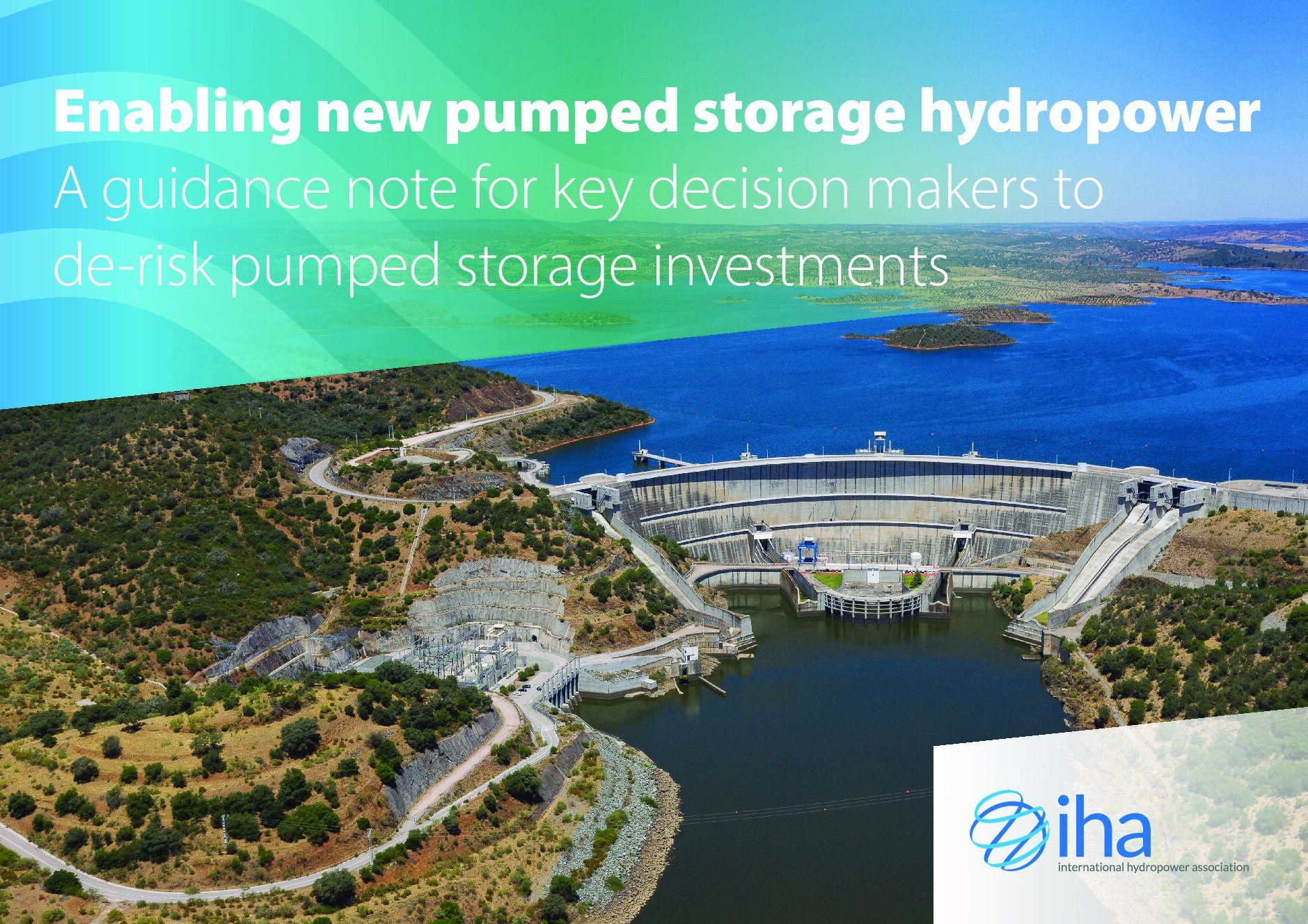
This guidance note outlines the advantages and risks of pumped storage hydropower projects, and provides advice for how projects can be structured and funded.
This report provides recommendations for improving the availability of sex-disaggregated and specific gender equality data in the energy sector, to improve decision making and programme design.