
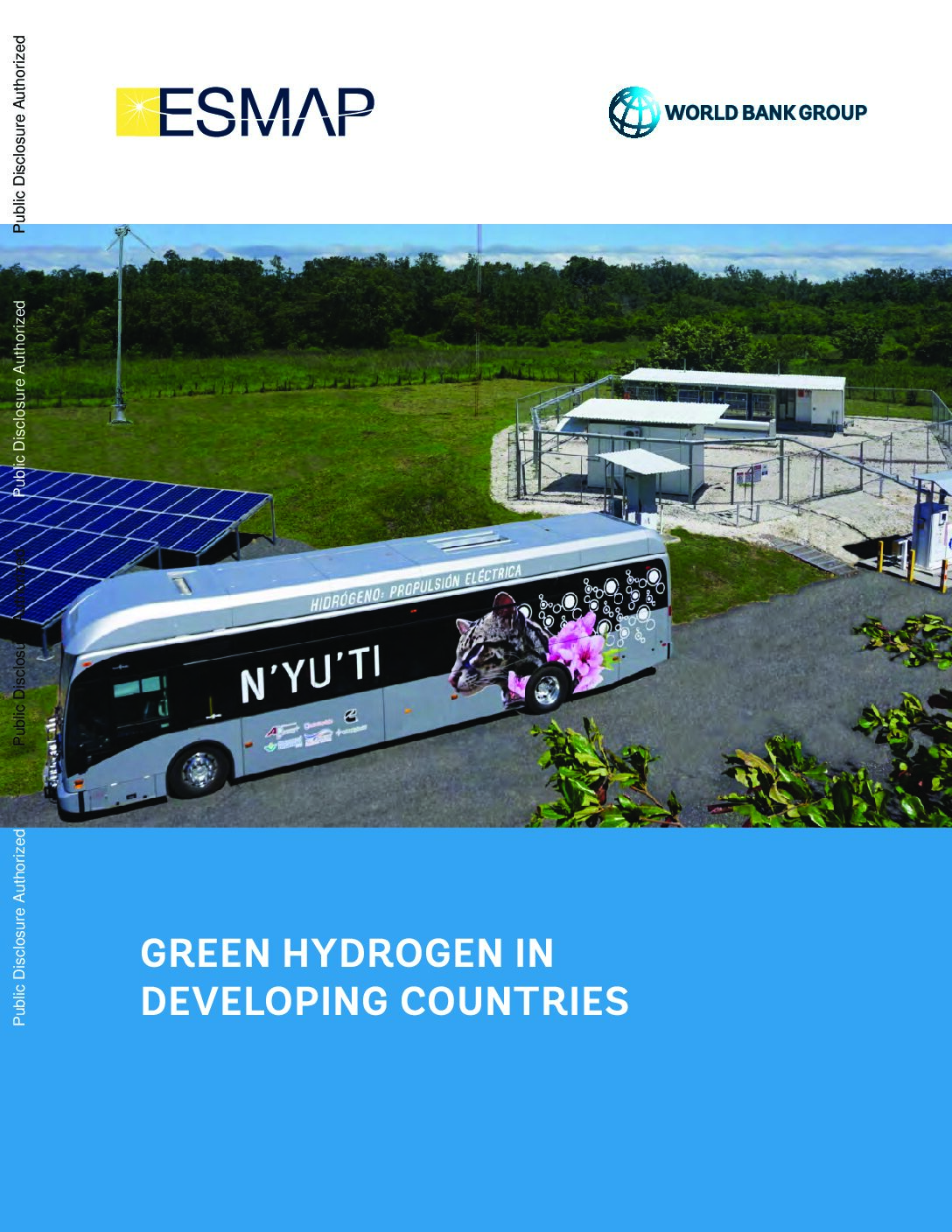
This report focuses on how green hydrogen and fuel cell technologies could be initially rolled out in developing countries by presenting a series of applications that could be initially deployed in some locations and later scaled up.
This paper presents a value chain approach to identify priority areas for developing national hydrogen strategies, focussing on emerging and developing economies.
This database presents the current status, policy barriers, and key innovations for electrification of mobility, heating and cooling, and hydrogen production.
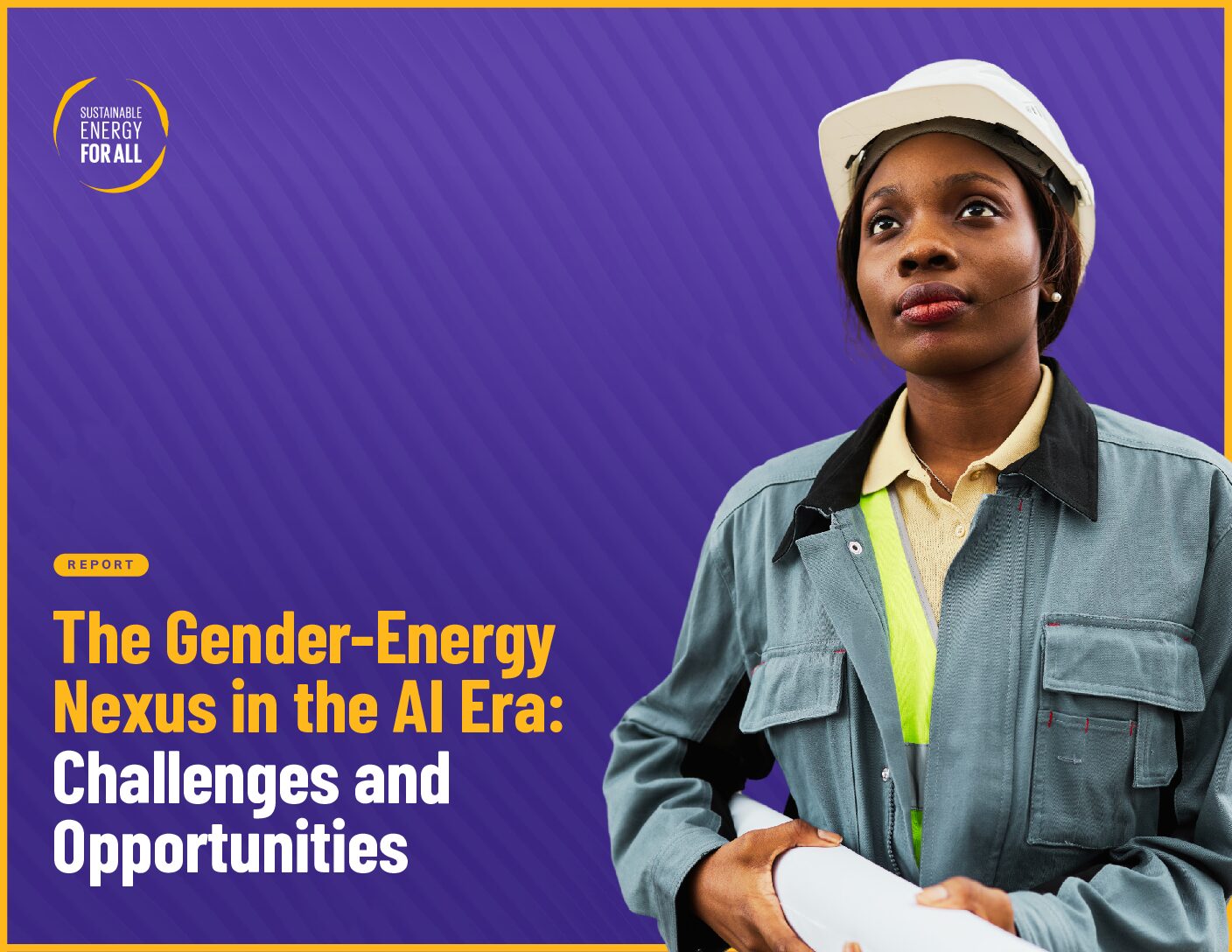
This report explores the critical intersections of AI development, gender equality and energy transitions, emphasizing how AI applications can advance a sustainable, equitable and just energy transition.
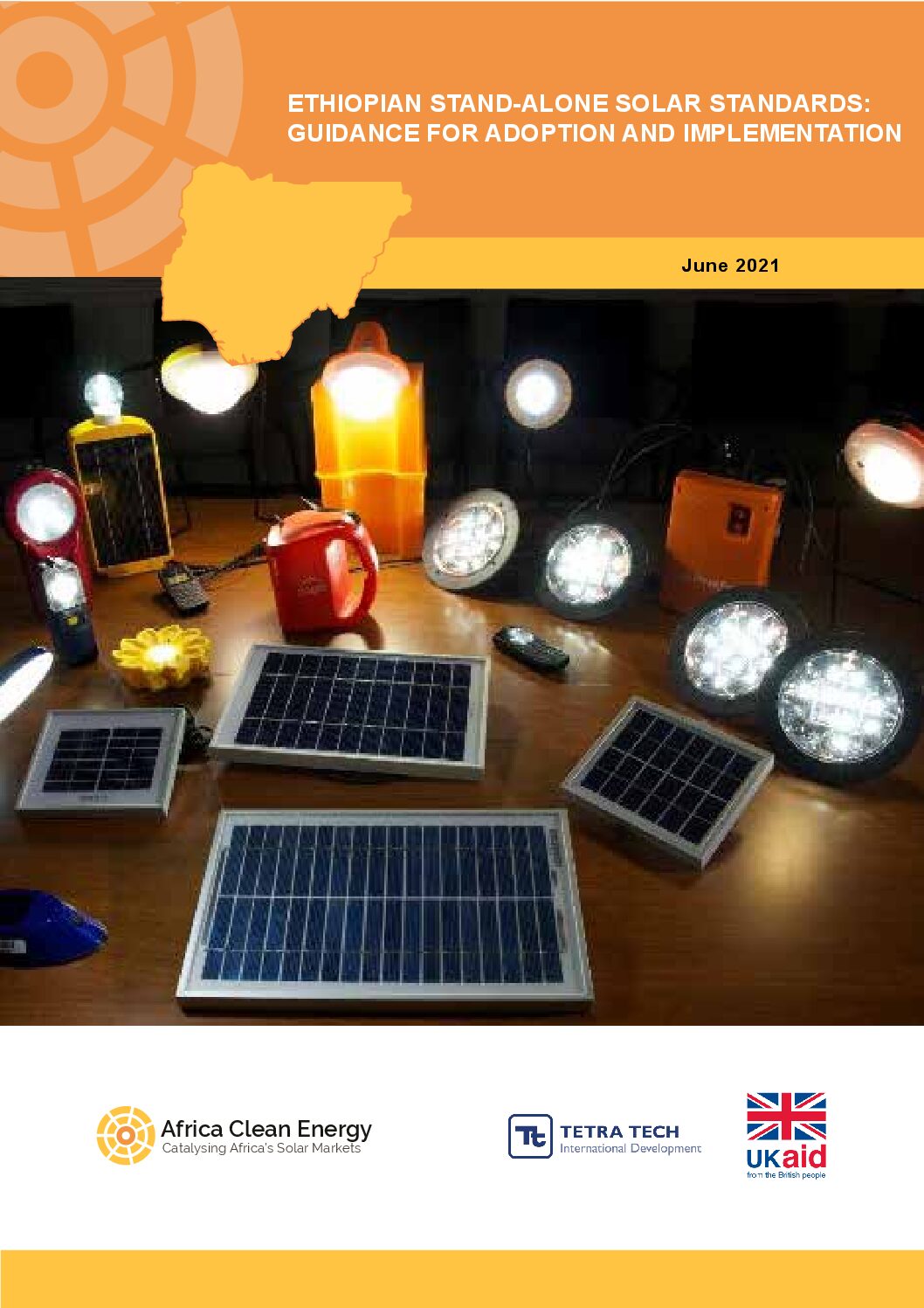
This document provides recommendations to guide relevant stakeholders in the development and implementation of a quality assurance (QA) framework for stand-alone solar (SAS) products in Ethiopia.
This page presents quality standards for solar home system kits in various versions and languages.
This page presents quality standards for pico-PV solar kits in various versions and languages.
This database contains information on solar home systems, pico-PV products and efficient appliances that have been tested and certified by Lighting Global’s Verasol.
This paper discusses the role of AI in the energy transition in Latin America, identifies key factors for successful implementation in the region and proposes an AI maturity model for the energy transition that allows stakeholders to assess the status and gaps for the AI adoption.
These guidelines provide advice on the development of green hydrogen clusters, which are industrial clusters that share green hydrogen and renewable energy for various purposes and can significantly contribute to industrial decarbonisation.