
This memo describes the current market for ESCOs in Uganda, barriers to the growth of the sector, and strategies to address these barriers.
This web page describes the concept of a Super ESCO, a facility usually established by governments to play the role of a market catalyzer, kickstarting a market for ESCOs.
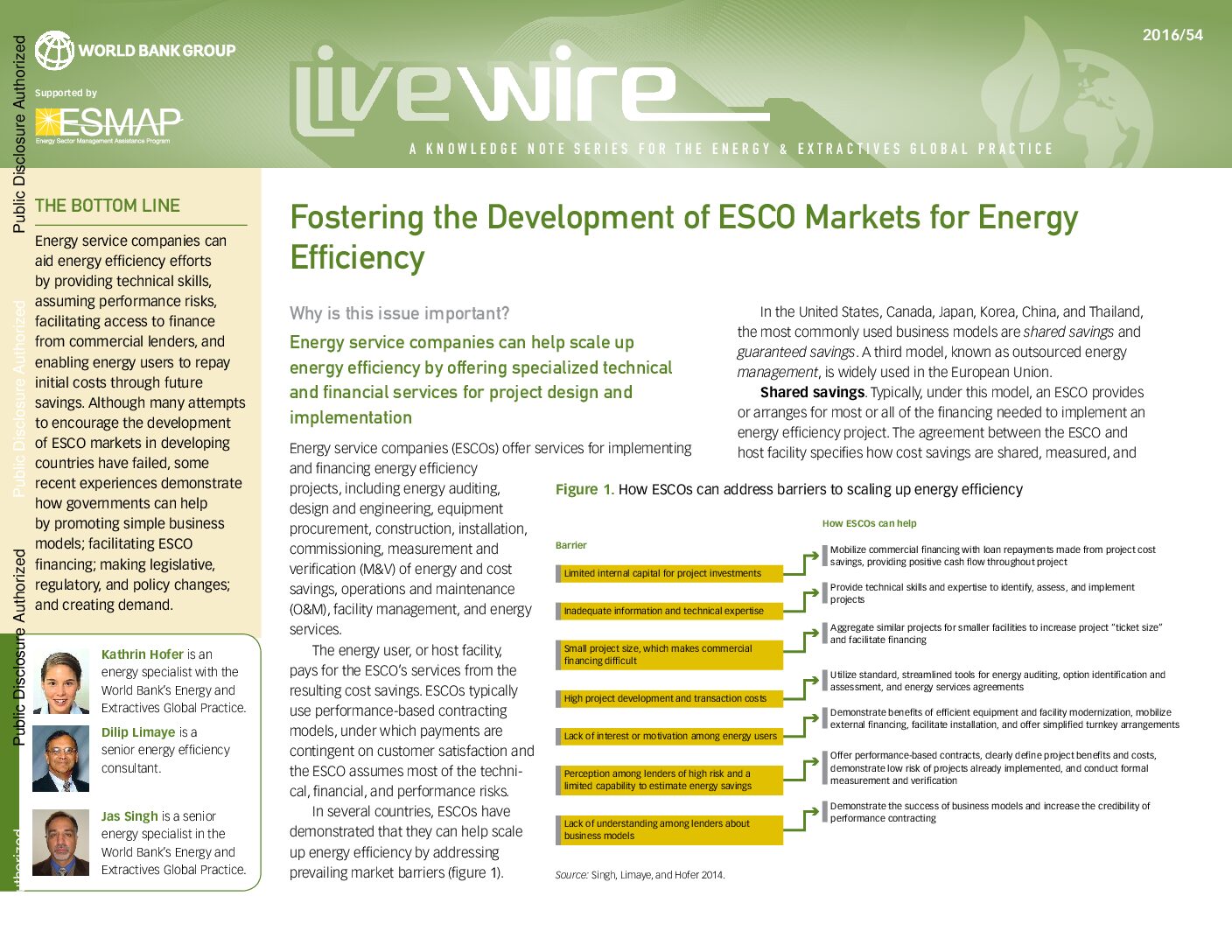
This brief provides advice on kickstarting markets for ESCOs in low- and middle-income countries.
The ESCO Model Contract Library provides a list of ESCO contracts and supporting documents provided by a variety of countries and organisations. In some cases, the resources also provide a wider set of documents related to public procurement of ESCO services.
This feasibility study describes the institutional framework for waste management in Côte d’Ivoire, presents a baseline on compost and biogas value chains, and provides a feasibility assessment based on economic models.
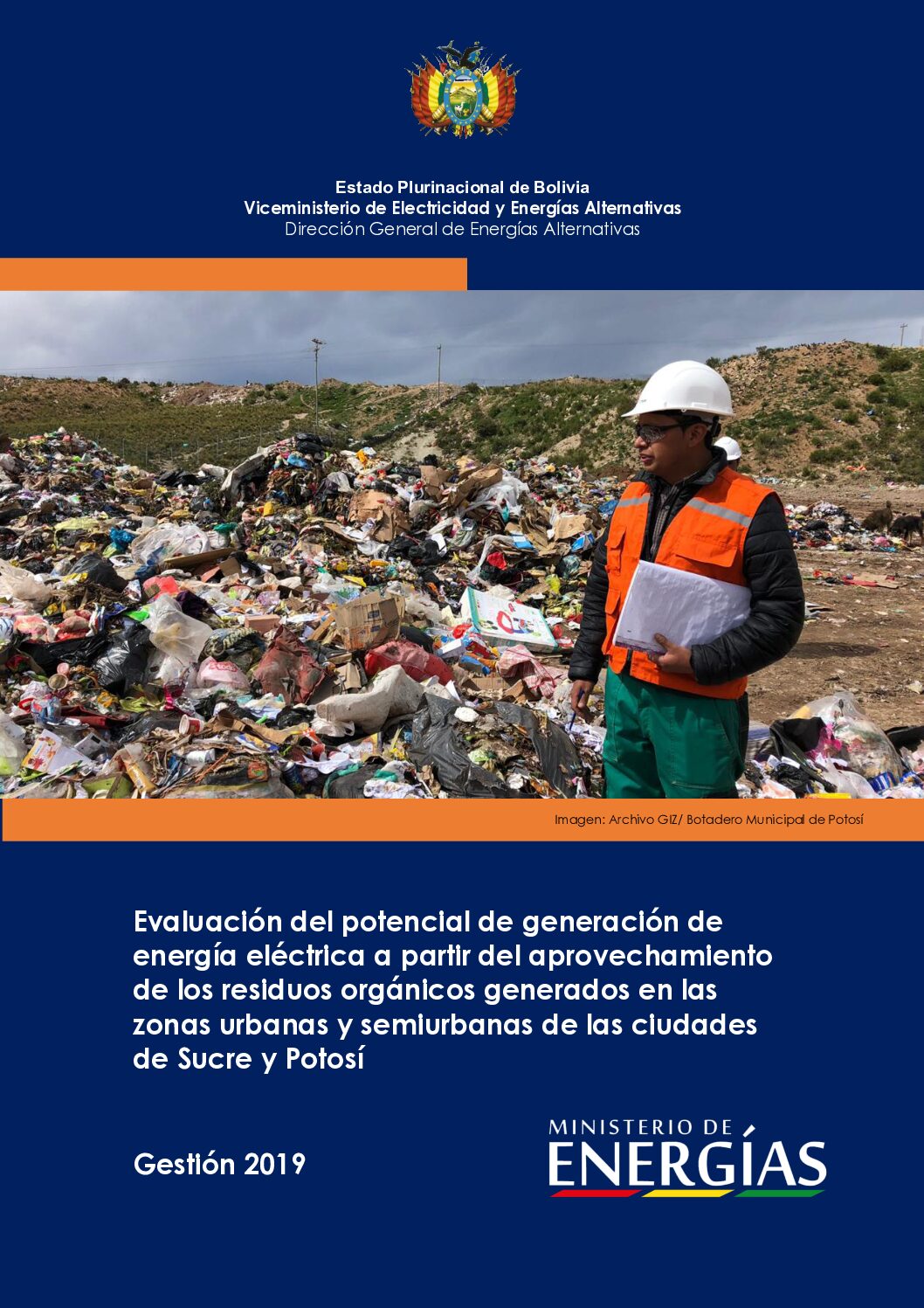
This study quantifies the potential of producing biogas based on organic waste in two municipalities in Bolivia.
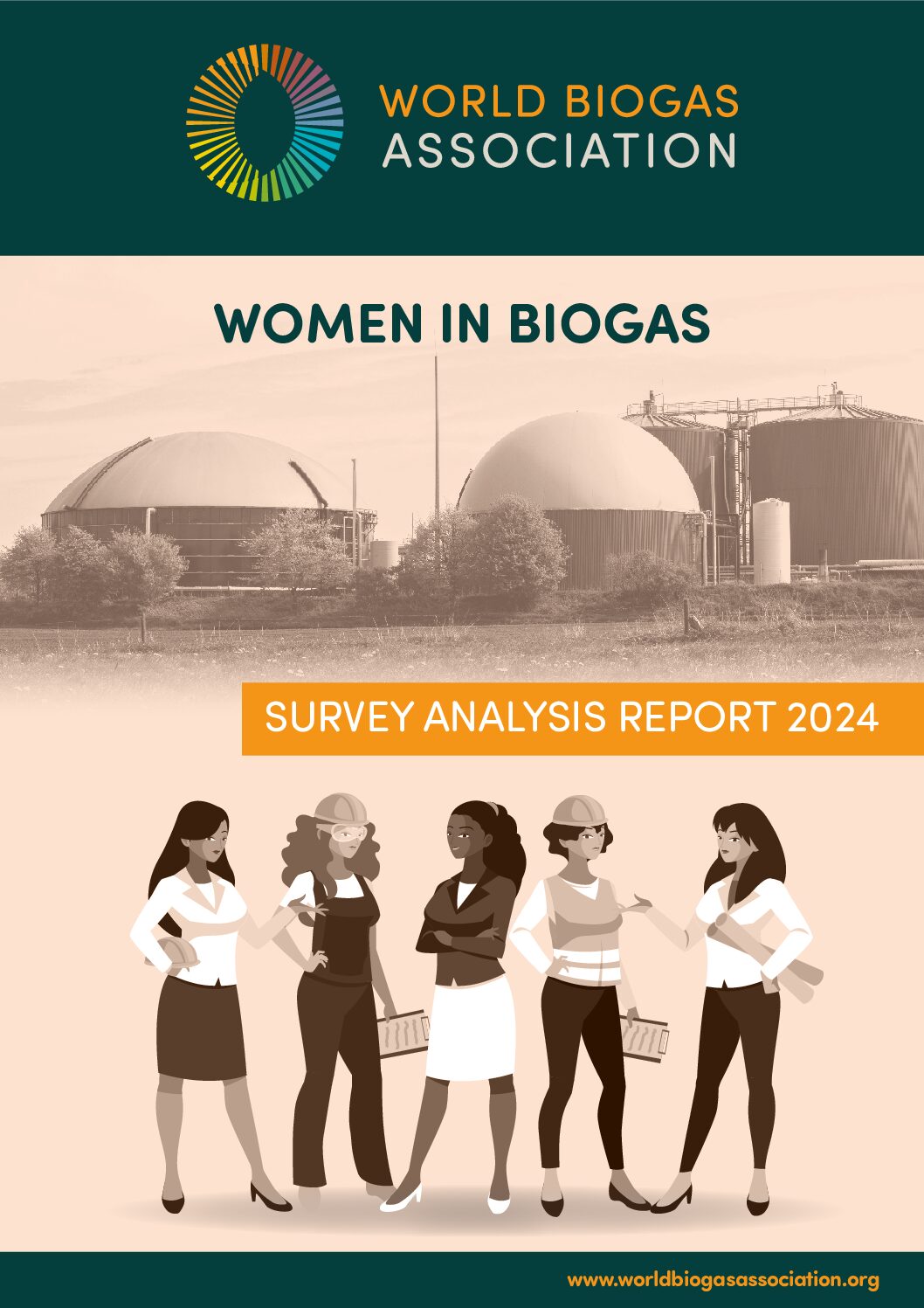
This report presents the results of a survey undertaken to investigate the current status of gender equality in the biogas sector, and compares these with a baseline survey conducted in 2012.
This paper explains how minimum energy performance standards for buildings can be implemented effectively while remaining socially just, using a differentiated approach that carefully follows a series of design principles.
This module aims to help policymakers and regulators understand the potential benefits of and opportunities for improving the efficiency of buildings and give them a background on the key issues to be addressed when developing suitable policies and a framework for implementation.
This guidance note outlines how cities can tap into a wide array of proven technologies, policies, and financing mechanisms to improve energy efficiency and capture cost-effective energy savings in buildings.