
This is a methodology for a quick learning needs assessment in the form of a list of questions.
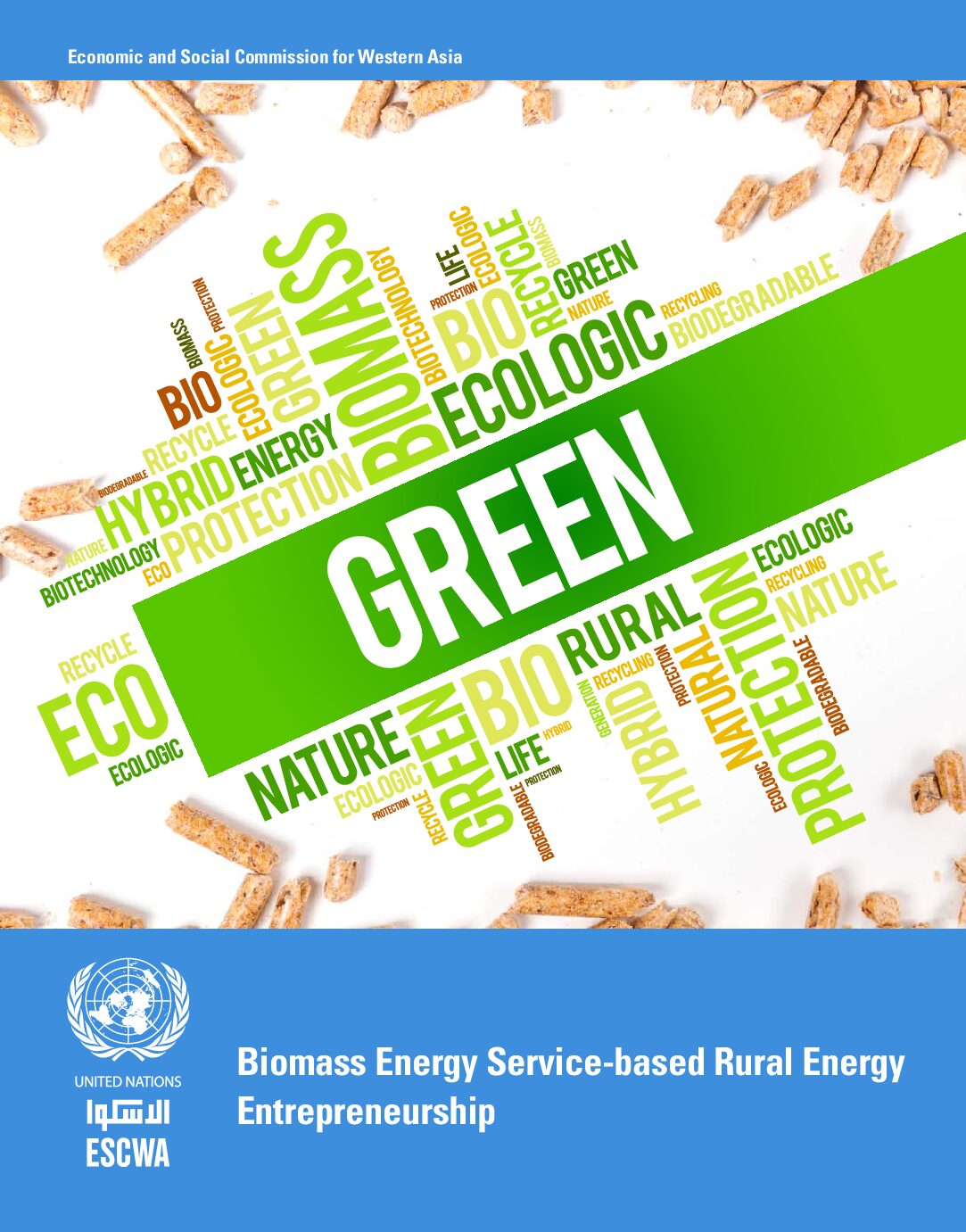
This guide addresses the challenges faced by rural energy enterprises in developing countries, and sets out solutions such as business models offering cooking energy as a service.
This is an example of a regional capacity building strategy based on a comprehensive needs assessment.
The is comprehensive course is intended for energy statisticians working at national statistical offices and ministries in charge of energy.
This report shares successful industrial efficiency practices from the Republic of Korea.
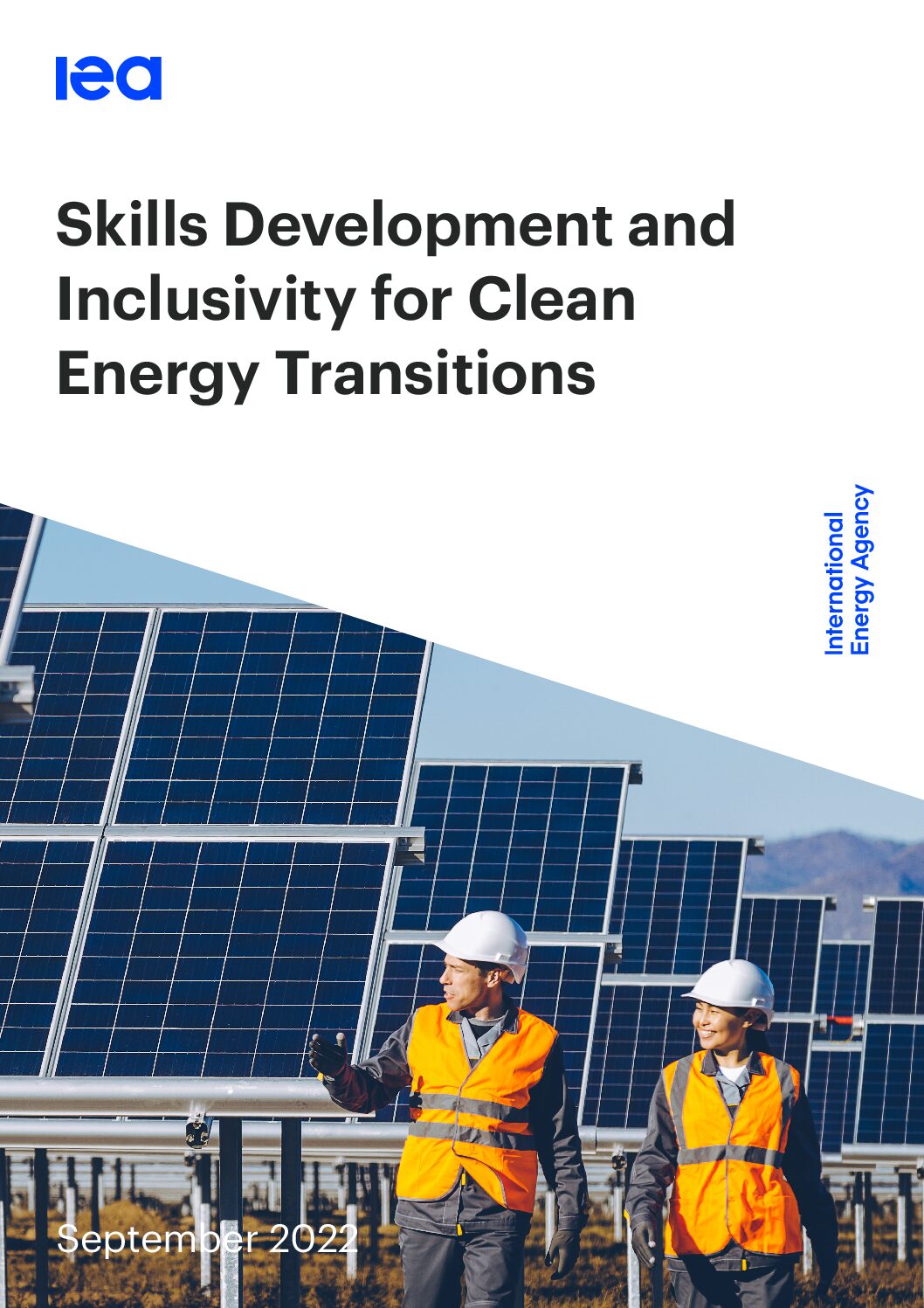
This report compiles a collection of case studies from around that world that showcase programmes designed to address skills development of workforces for energy transitions.
The tool provides “how-to” guidance on designing competency standards and curricula for greener jobs, adapting training delivery and assessments to support greener learning, adapting practices to maintain a greener campus, greening the professional development of teachers and in-company trainers, and sensitizing enterprises.
This action plan, developed with support from SEforALL and ECREEE, lays out the energy access strategy of Côte d’Ivoire for 2016-2020/2030. It includes extensive background and context as well as information on strategic priorities and measures to promote these.
This report examines the role of climate finance in Madagascar’s energy transition, and the impact that different financial instruments have on the delivery of the electrification schemes.
This database presents the current status, policy barriers, and key innovations for electrification of mobility, heating and cooling, and hydrogen production.