
This report shares successful industrial efficiency practices from the Republic of Korea.
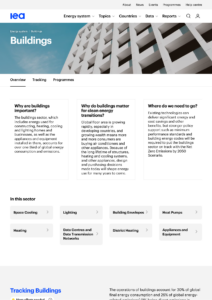
This web page highlights the role of buildings in the energy transition (heating, cooling, lighting, etc), and presents data and recommendations.
The is comprehensive course is intended for energy statisticians working at national statistical offices and ministries in charge of energy.
This action plan, developed with support from SEforALL and ECREEE, lays out the energy access strategy of Côte d’Ivoire for 2016-2020/2030. It includes extensive background and context as well as information on strategic priorities and measures to promote these.
This paper underscores the need for sustainable utilities to deliver the energy transition in lower- and middle-income countries, and provides recommendations to governments and other stakeholders.
This report examines the role of climate finance in Madagascar’s energy transition, and the impact that different financial instruments have on the delivery of the electrification schemes.
This paper focuses on strategies, policies, and programs that industry and government can develop to ensure that supply chains for EVs and their batteries are secure, circular, and reduce the need for mining virgin minerals, thus reducing adverse impacts on the planet and its people.
This report looks at the mineral demand for a net-zero emissions energy system, focusing on seven critical minerals and discussing the role of technological choices, circular economy strategies, and responsible mining in reducing the environmental impact of the transition.
This database presents the current status, policy barriers, and key innovations for electrification of mobility, heating and cooling, and hydrogen production.
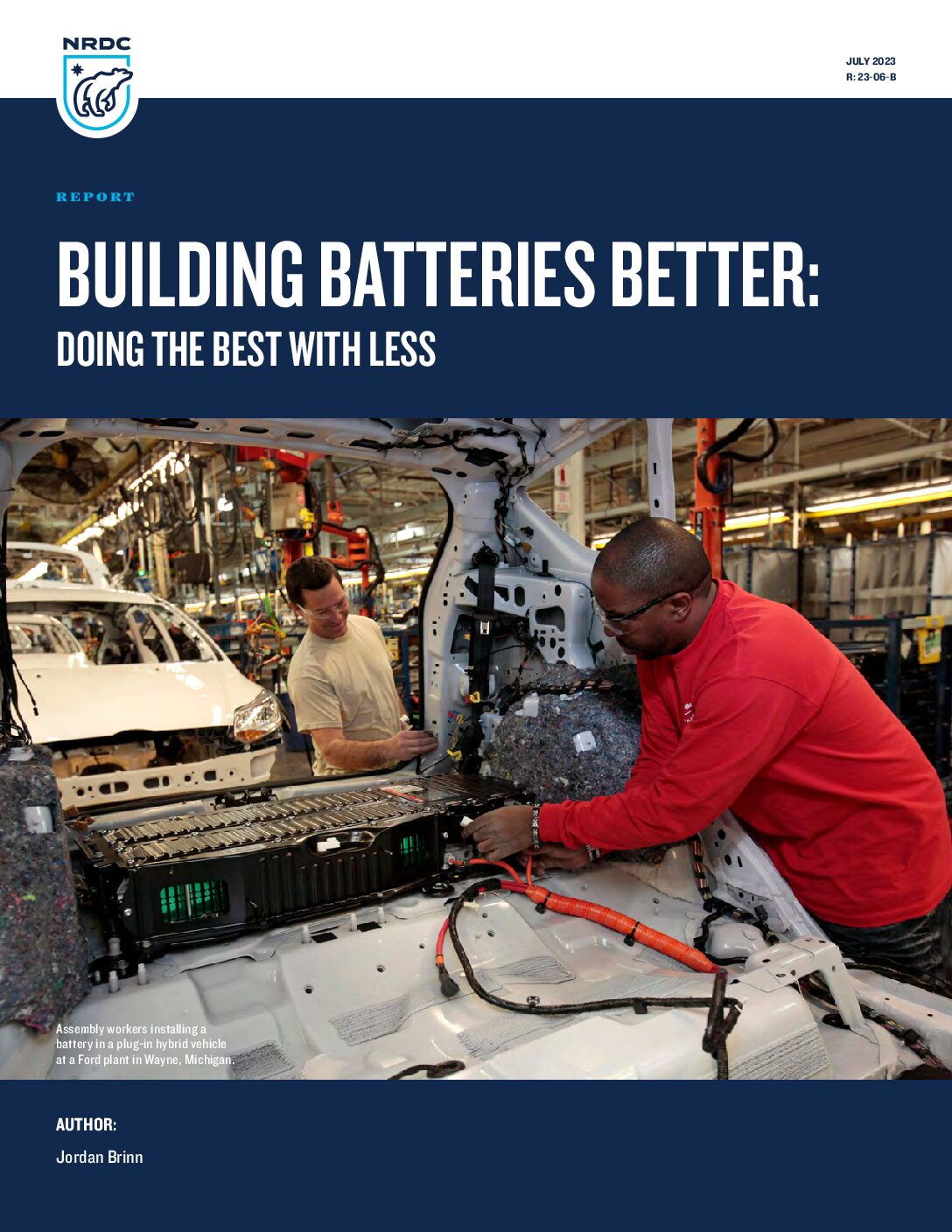
This report investigates the potential to develop circular supply chains for EV batteries.