
This guide aims to help energy statisticians understand the various elements and processes involved in renewable energy data collection and management, and identify capacity gaps. It covers seven requirements for effective data management: 1. Legal and institutional frameworks; 2. Well-defined data requirements; 3. Sufficient skilled personnel; 4. Clear methodologies and processes; 5. Appropriate data collection […]
The is comprehensive course is intended for energy statisticians working at national statistical offices and ministries in charge of energy.
This report aims to help local governments understand various financing instruments and sources available to them to meet climate investment needs.
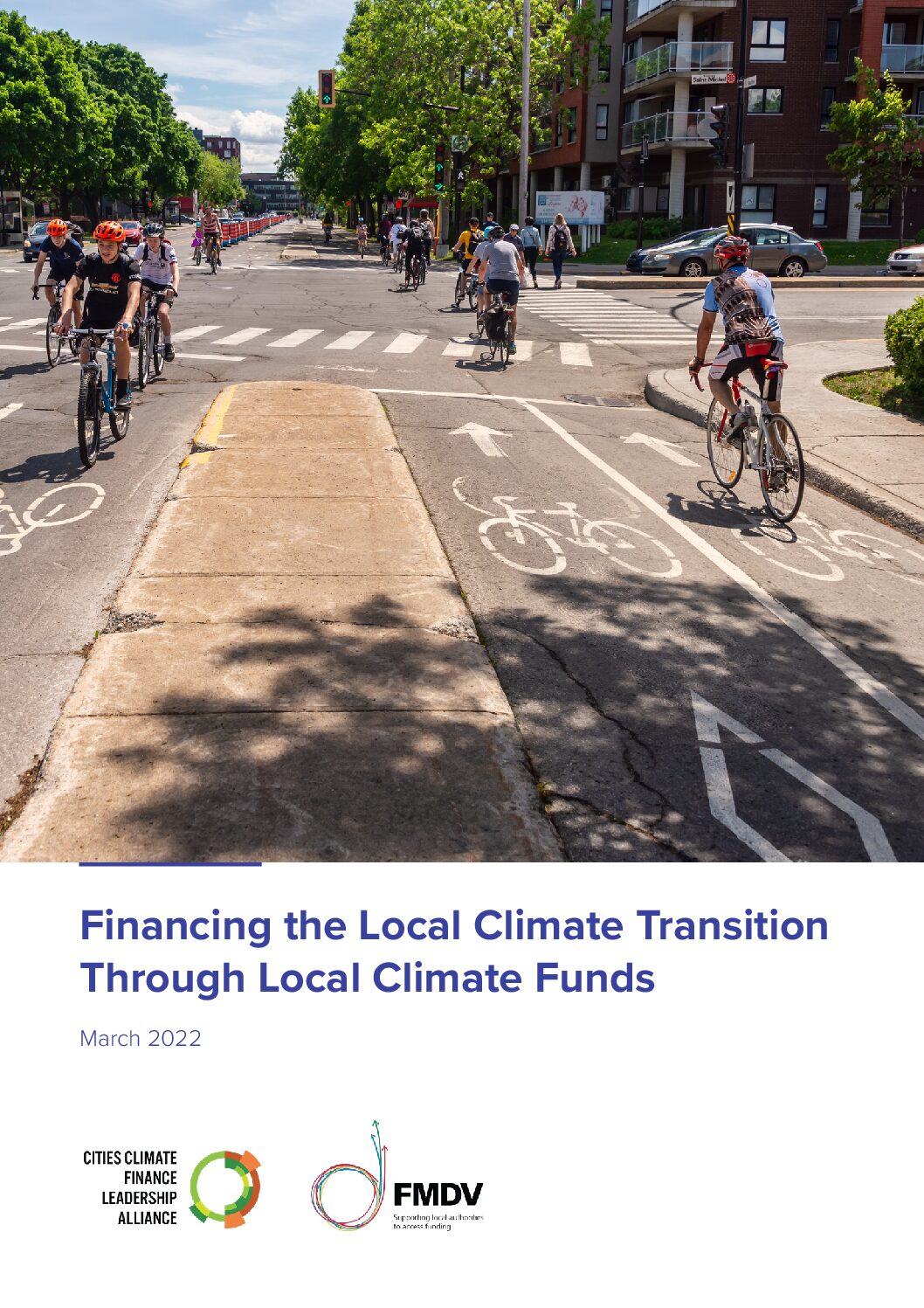
This factsheet helps local governments understand the structural components of setting up local climate funds, including identifying attractive financial models and the different ways to support financing the local climate transition.
This slide deck provides a quick introduction to gender-responsive climate finance and the role of women’s groups in pursuing it.
This report highlights the economic, social and environmental benefits that energy and transport sector-coupling and a transition towards EV- and RE-based, efficient systems can create in small island settings, and provides tools for the planning of such a transition.
This article explores how system planning, and in particular assessments of system adequacy, will need to innovate and evolve to allow power systems to keep delivering secure and affordable electricity supply during energy transitions.
This report looks at the mineral demand for a net-zero emissions energy system, focusing on seven critical minerals and discussing the role of technological choices, circular economy strategies, and responsible mining in reducing the environmental impact of the transition.

This report investigates the potential to develop circular supply chains for EV batteries.
This report brings together the latest data and information on batteries from around the world, including recent market developments and technological advances. It also offers insights and analysis on leading markets and key barriers to growth, and identifies synergies and potential bottlenecks across different sectors and parts of the supply chain.