
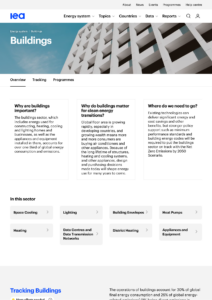
This web page highlights the role of buildings in the energy transition (heating, cooling, lighting, etc), and presents data and recommendations.
This report aims to help local governments understand various financing instruments and sources available to them to meet climate investment needs.
This factsheet helps local governments understand the structural components of setting up local climate funds, including identifying attractive financial models and the different ways to support financing the local climate transition.
This slide deck provides a quick introduction to gender-responsive climate finance and the role of women’s groups in pursuing it.
This report identifies and analyses key risks and barriers to private-sector investment in interconnected mini-grids in Nigeria, and evaluates policy and financial instruments designed to address them.
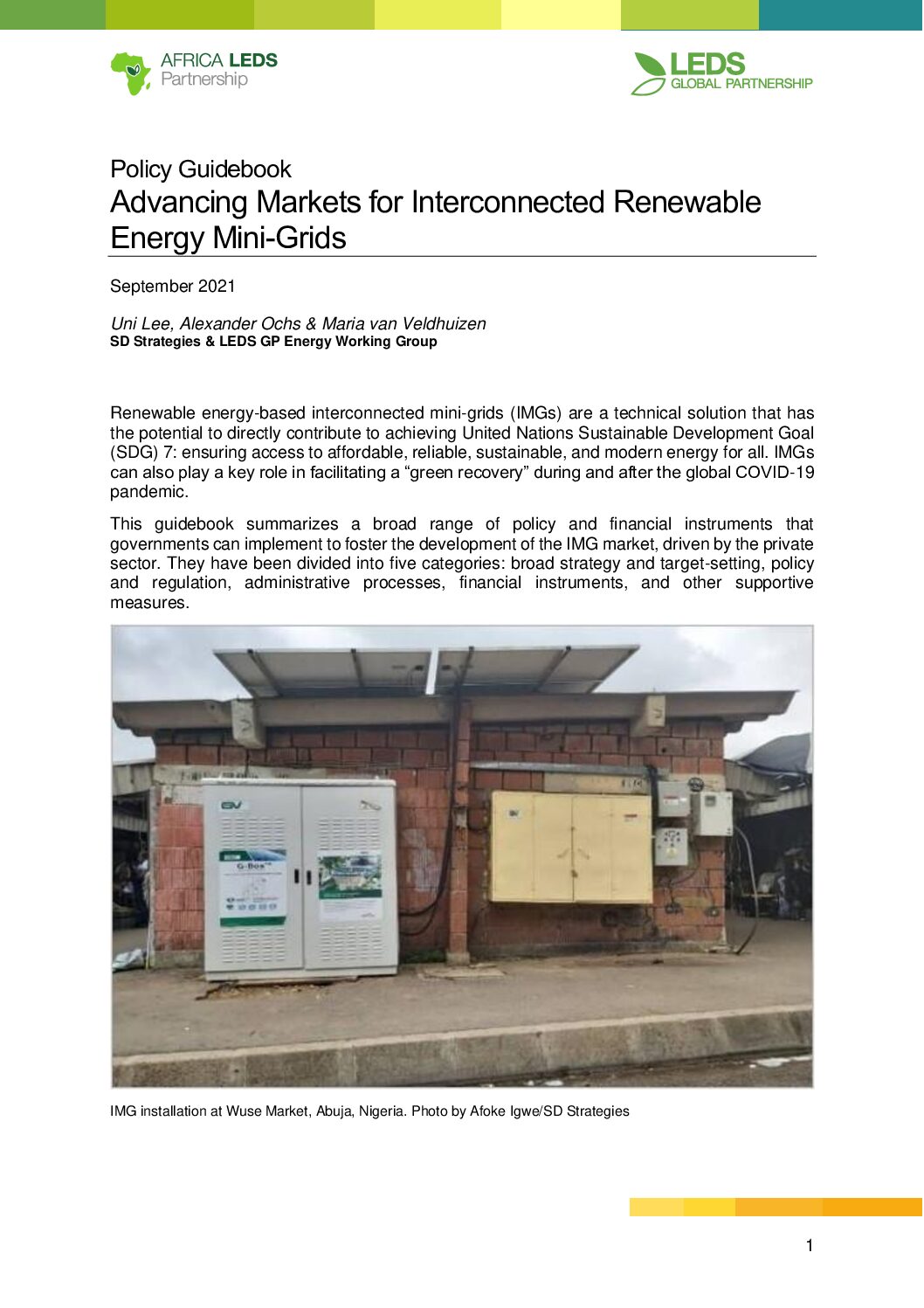
This guidebook summarizes a broad range of policy and financial instruments that governments can implement to foster the development of the interconnected mini-grid market, driven by the private sector.
This guide explains how cities can develop energy transition roadmaps that can create platforms for collaboration with other stakeholders and attract investment.
This paper explains how minimum energy performance standards for buildings can be implemented effectively while remaining socially just, using a differentiated approach that carefully follows a series of design principles.
This module aims to help policymakers and regulators understand the potential benefits of and opportunities for improving the efficiency of buildings and give them a background on the key issues to be addressed when developing suitable policies and a framework for implementation.
This guide suggests tools cities can deploy to encourage the implementation of building energy efficiency and renewable energy measures by the private sector and citizens.