
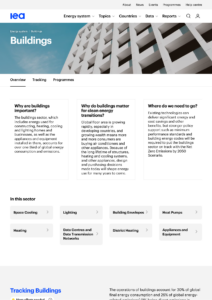
This web page highlights the role of buildings in the energy transition (heating, cooling, lighting, etc), and presents data and recommendations.
The is comprehensive course is intended for energy statisticians working at national statistical offices and ministries in charge of energy.
This report aims to help local governments understand various financing instruments and sources available to them to meet climate investment needs.
This factsheet helps local governments understand the structural components of setting up local climate funds, including identifying attractive financial models and the different ways to support financing the local climate transition.
This slide deck provides a quick introduction to gender-responsive climate finance and the role of women’s groups in pursuing it.
This report identifies and analyses key risks and barriers to private-sector investment in interconnected mini-grids in Nigeria, and evaluates policy and financial instruments designed to address them.
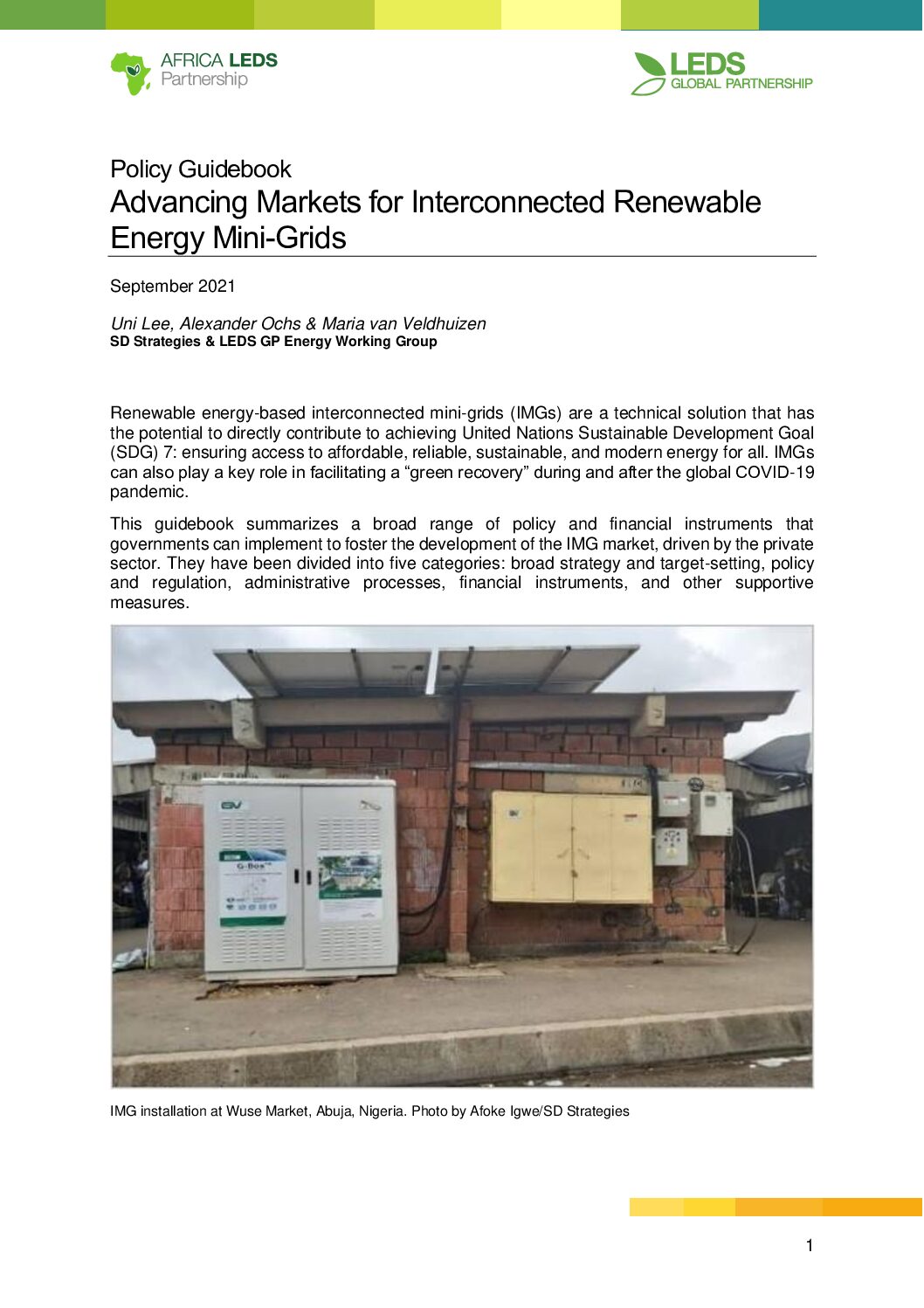
This guidebook summarizes a broad range of policy and financial instruments that governments can implement to foster the development of the interconnected mini-grid market, driven by the private sector.

This report explores the critical intersections of AI development, gender equality and energy transitions, emphasizing how AI applications can advance a sustainable, equitable and just energy transition.
This page explains the role of digitalisation in energy transitions, tracks digitalisation progress, and provides policy recommendations.
This blog describes four opportunities for digitalisation to accelerate just energy transitions: smart energy management, decentralized energy systems, climate-resilient farming, and public transport.