
The CaDRE methodology helps policy makers, organisations and capacity development/renewable energy practitioners shape an environment conducive to the development of renewable energy.
This is a methodology for a quick learning needs assessment in the form of a list of questions.
This guide aims to help energy statisticians understand the various elements and processes involved in renewable energy data collection and management, and identify capacity gaps. It covers seven requirements for effective data management: 1. Legal and institutional frameworks; 2. Well-defined data requirements; 3. Sufficient skilled personnel; 4. Clear methodologies and processes; 5. Appropriate data collection … Continue reading “Capacity needs assessment for renewable energy statistics”
This is an example of a regional capacity building strategy based on a comprehensive needs assessment.
The is comprehensive course is intended for energy statisticians working at national statistical offices and ministries in charge of energy.
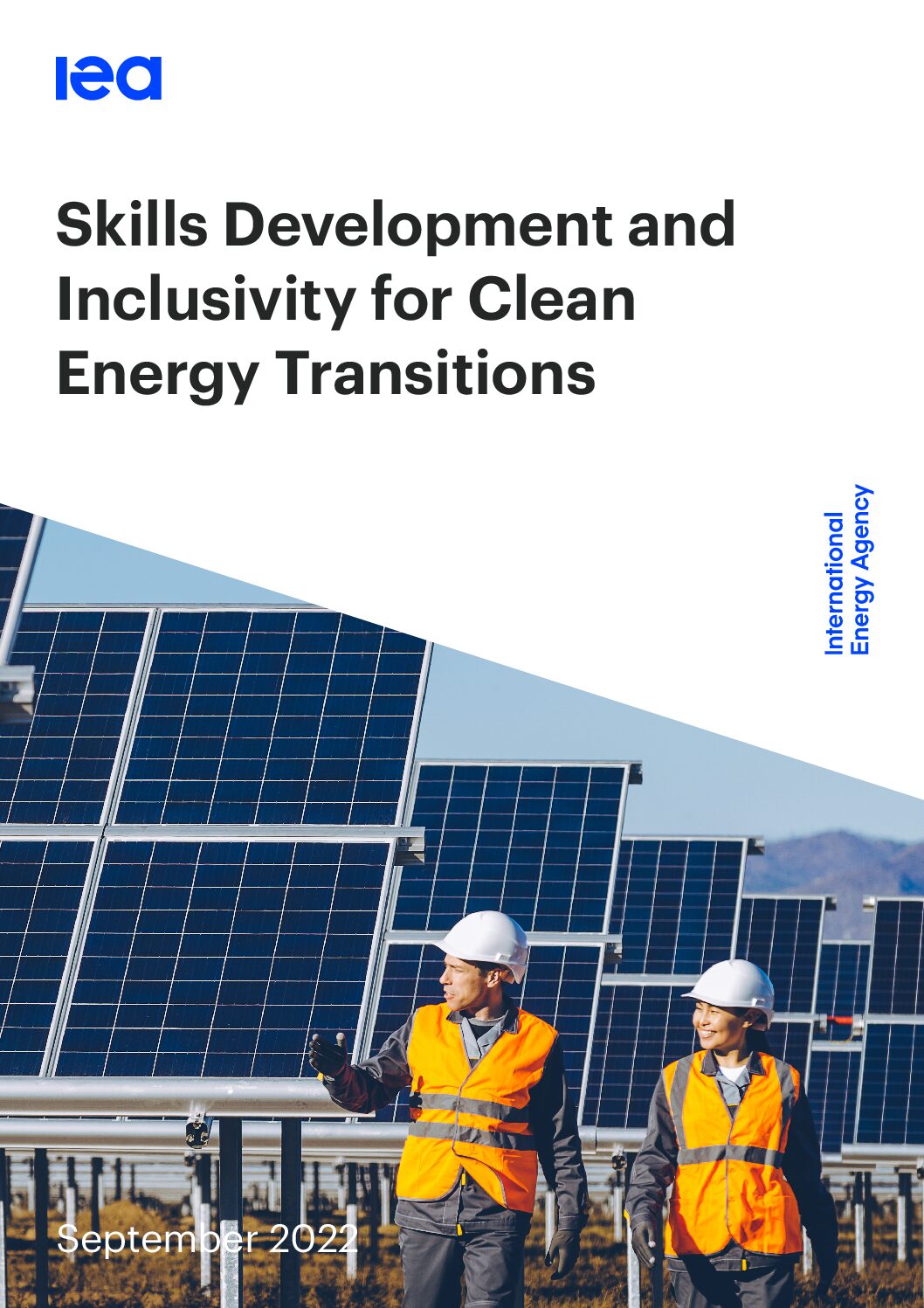
This report compiles a collection of case studies from around that world that showcase programmes designed to address skills development of workforces for energy transitions.
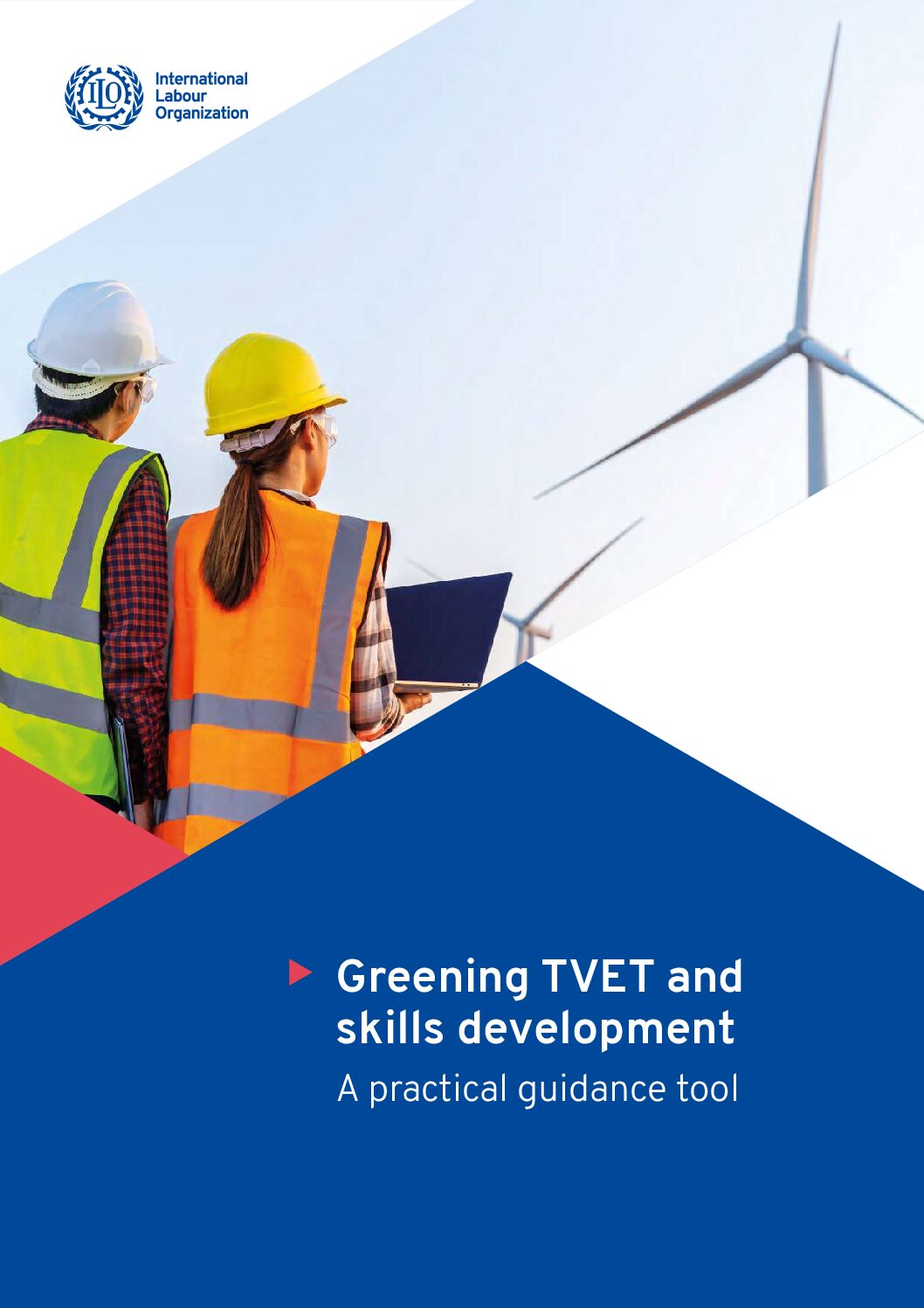
The tool provides “how-to” guidance on designing competency standards and curricula for greener jobs, adapting training delivery and assessments to support greener learning, adapting practices to maintain a greener campus, greening the professional development of teachers and in-company trainers, and sensitizing enterprises.
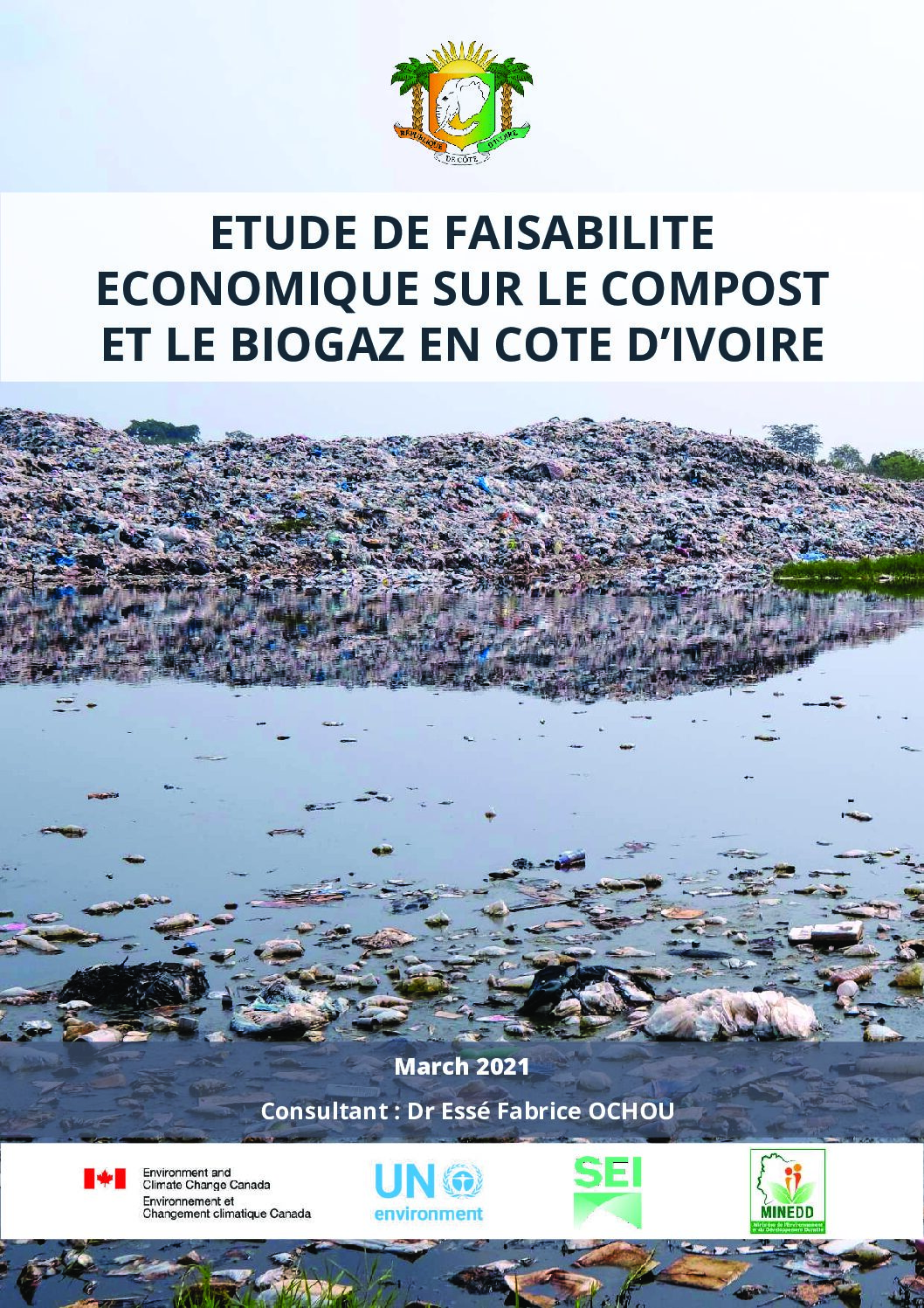
This feasibility study describes the institutional framework for waste management in Côte d’Ivoire, presents a baseline on compost and biogas value chains, and provides a feasibility assessment based on economic models.
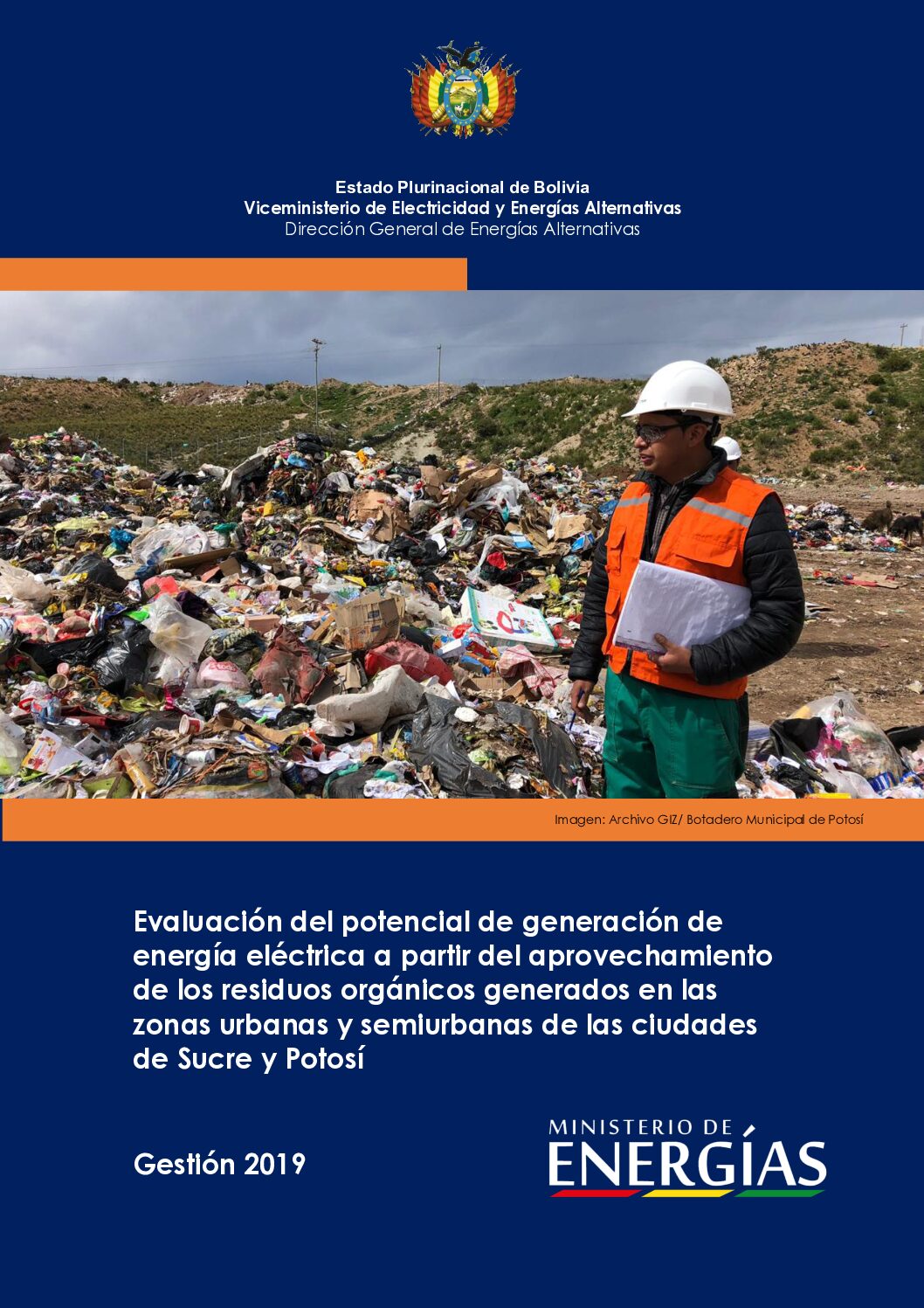
This study quantifies the potential of producing biogas based on organic waste in two municipalities in Bolivia.
This paper presents a value chain approach to identify priority areas for developing national hydrogen strategies, focussing on emerging and developing economies.