
The is comprehensive course is intended for energy statisticians working at national statistical offices and ministries in charge of energy.
This report investigates efforts to enhance investment in energy efficienct appliances in Zambia, and provides recommendations to enhance the effectiveness of these efforts
This feasibility study describes the institutional framework for waste management in Côte d’Ivoire, presents a baseline on compost and biogas value chains, and provides a feasibility assessment based on economic models.
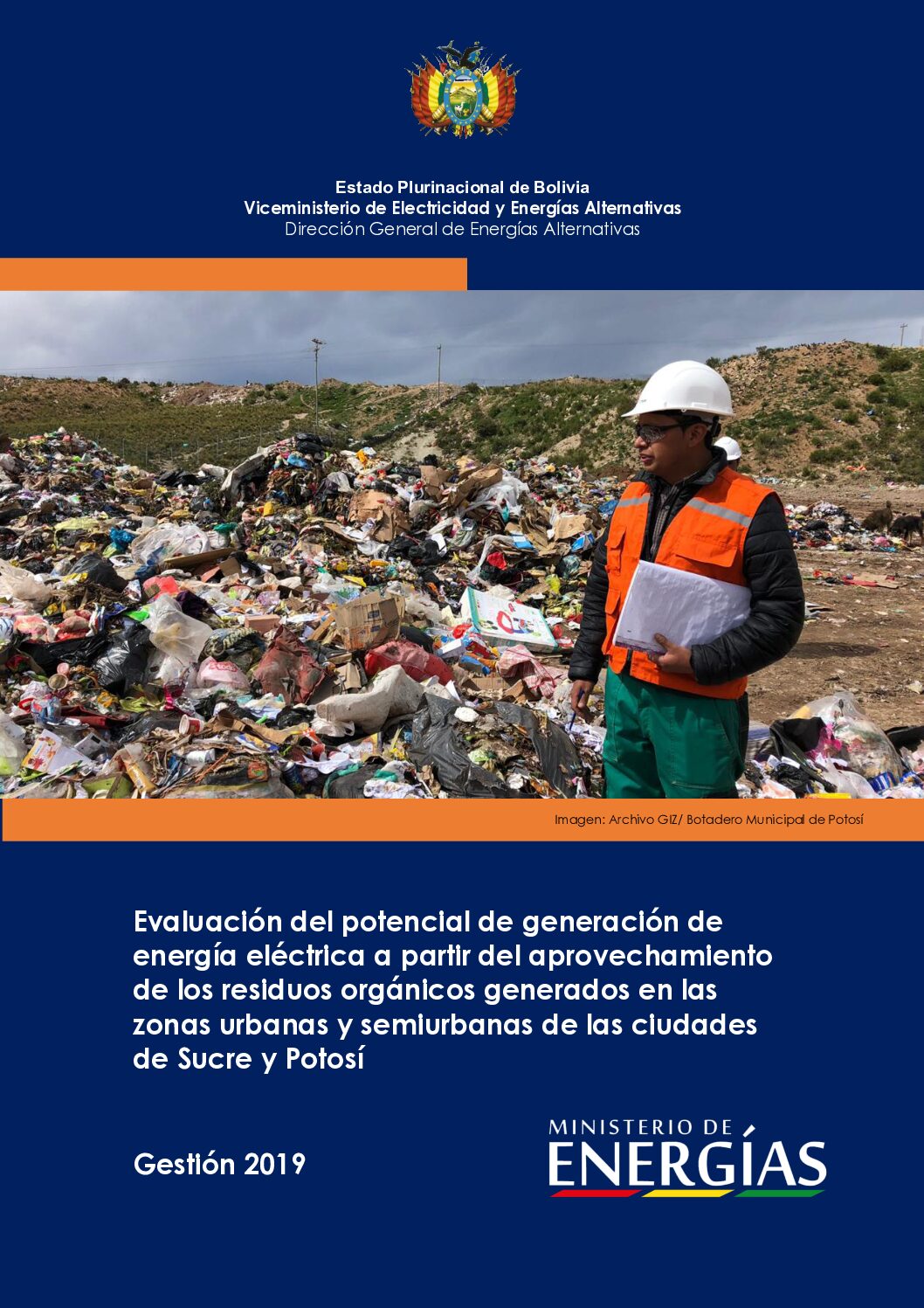
This study quantifies the potential of producing biogas based on organic waste in two municipalities in Bolivia.
This study identifies advances in PV recycling technology that have the potential to be affordable, technically feasible, and environmentally responsible.
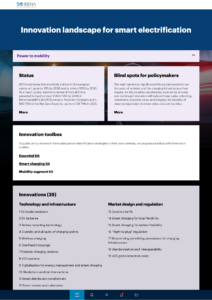
This database presents the current status, policy barriers, and key innovations for electrification of mobility, heating and cooling, and hydrogen production.
This paper presents a value chain approach to identify priority areas for developing national hydrogen strategies, focussing on emerging and developing economies.
This paper focuses on strategies, policies, and programs that industry and government can develop to ensure that supply chains for EVs and their batteries are secure, circular, and reduce the need for mining virgin minerals, thus reducing adverse impacts on the planet and its people.
This report looks at the mineral demand for a net-zero emissions energy system, focusing on seven critical minerals and discussing the role of technological choices, circular economy strategies, and responsible mining in reducing the environmental impact of the transition.
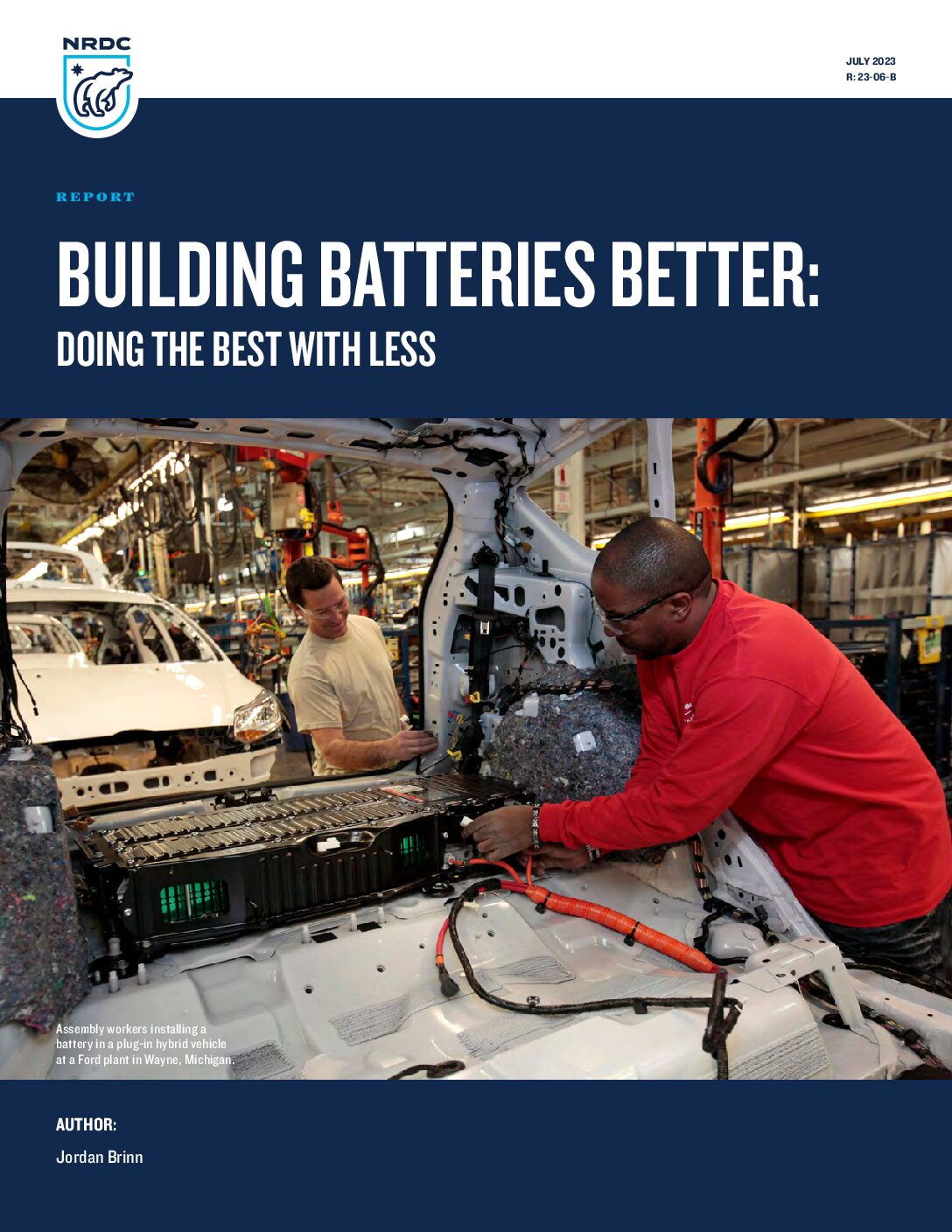
This report investigates the potential to develop circular supply chains for EV batteries.