
This action plan, developed with support from SEforALL and ECREEE, lays out the energy access strategy of Côte d’Ivoire for 2016-2020/2030. It includes extensive background and context as well as information on strategic priorities and measures to promote these.
This report examines the role of climate finance in Madagascar’s energy transition, and the impact that different financial instruments have on the delivery of the electrification schemes.
This feasibility study describes the institutional framework for waste management in Côte d’Ivoire, presents a baseline on compost and biogas value chains, and provides a feasibility assessment based on economic models.
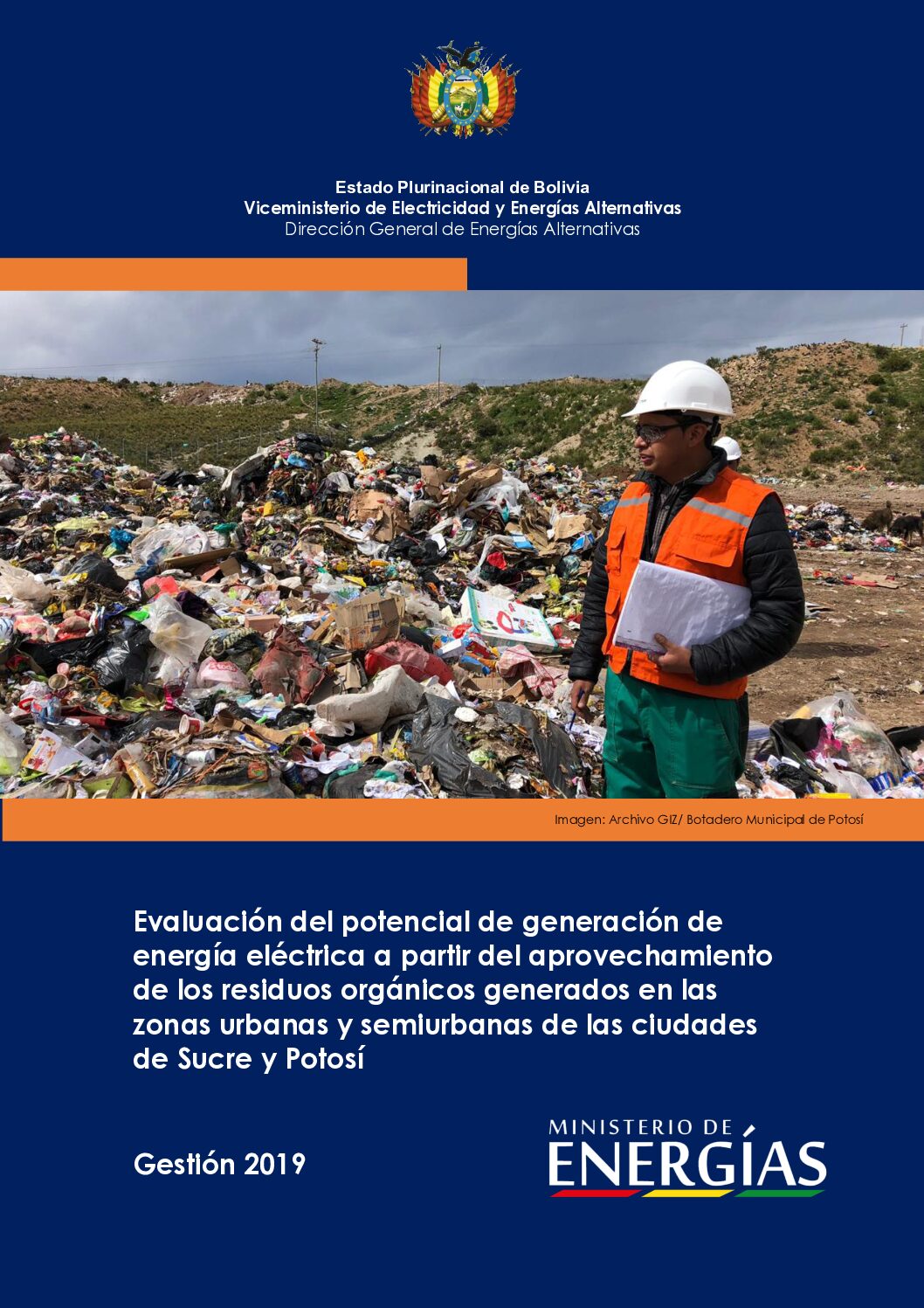
This study quantifies the potential of producing biogas based on organic waste in two municipalities in Bolivia.
This report presents the results of a survey undertaken to investigate the current status of gender equality in the biogas sector, and compares these with a baseline survey conducted in 2012.
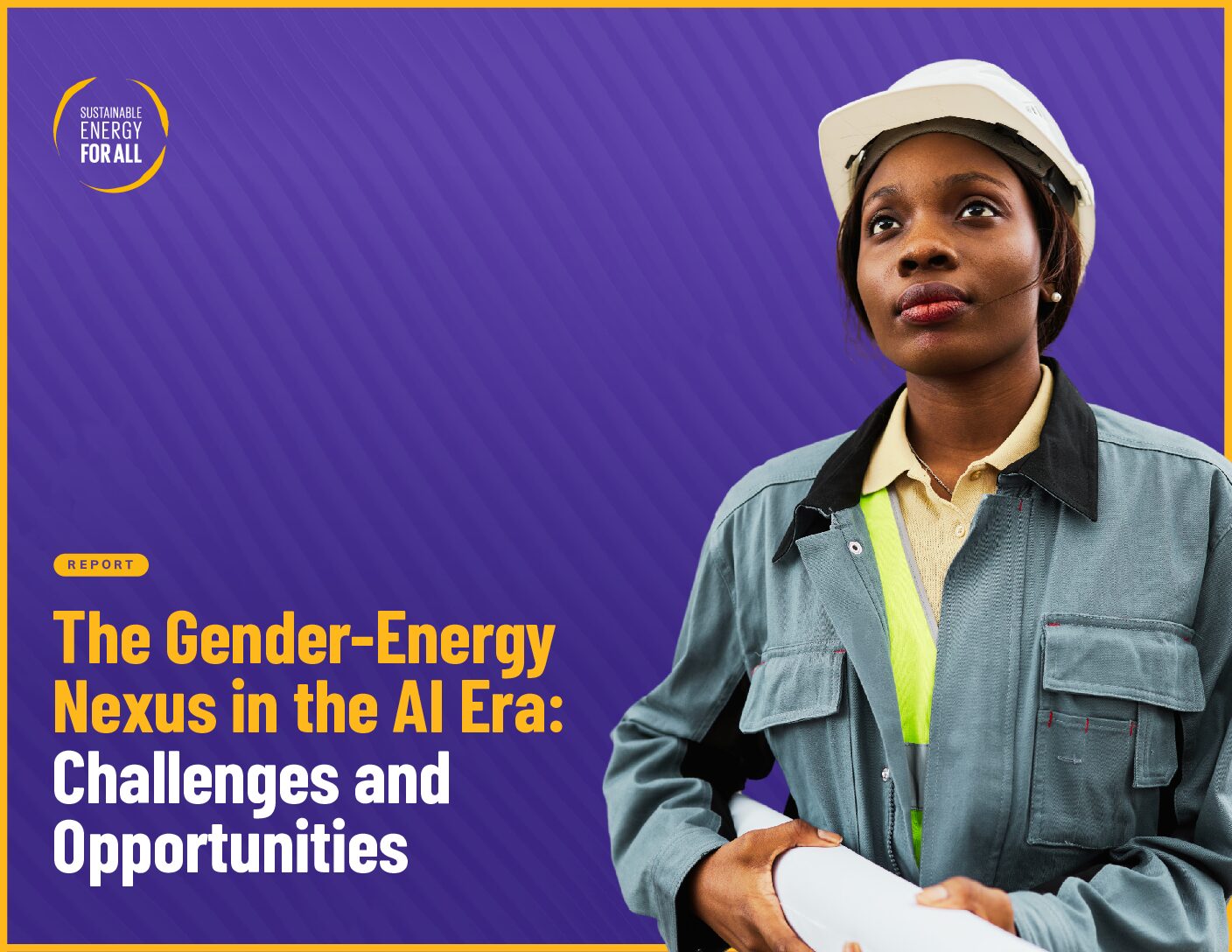
This report explores the critical intersections of AI development, gender equality and energy transitions, emphasizing how AI applications can advance a sustainable, equitable and just energy transition.
This page explains the role of digitalisation in energy transitions, tracks digitalisation progress, and provides policy recommendations.
This blog describes four opportunities for digitalisation to accelerate just energy transitions: smart energy management, decentralized energy systems, climate-resilient farming, and public transport.
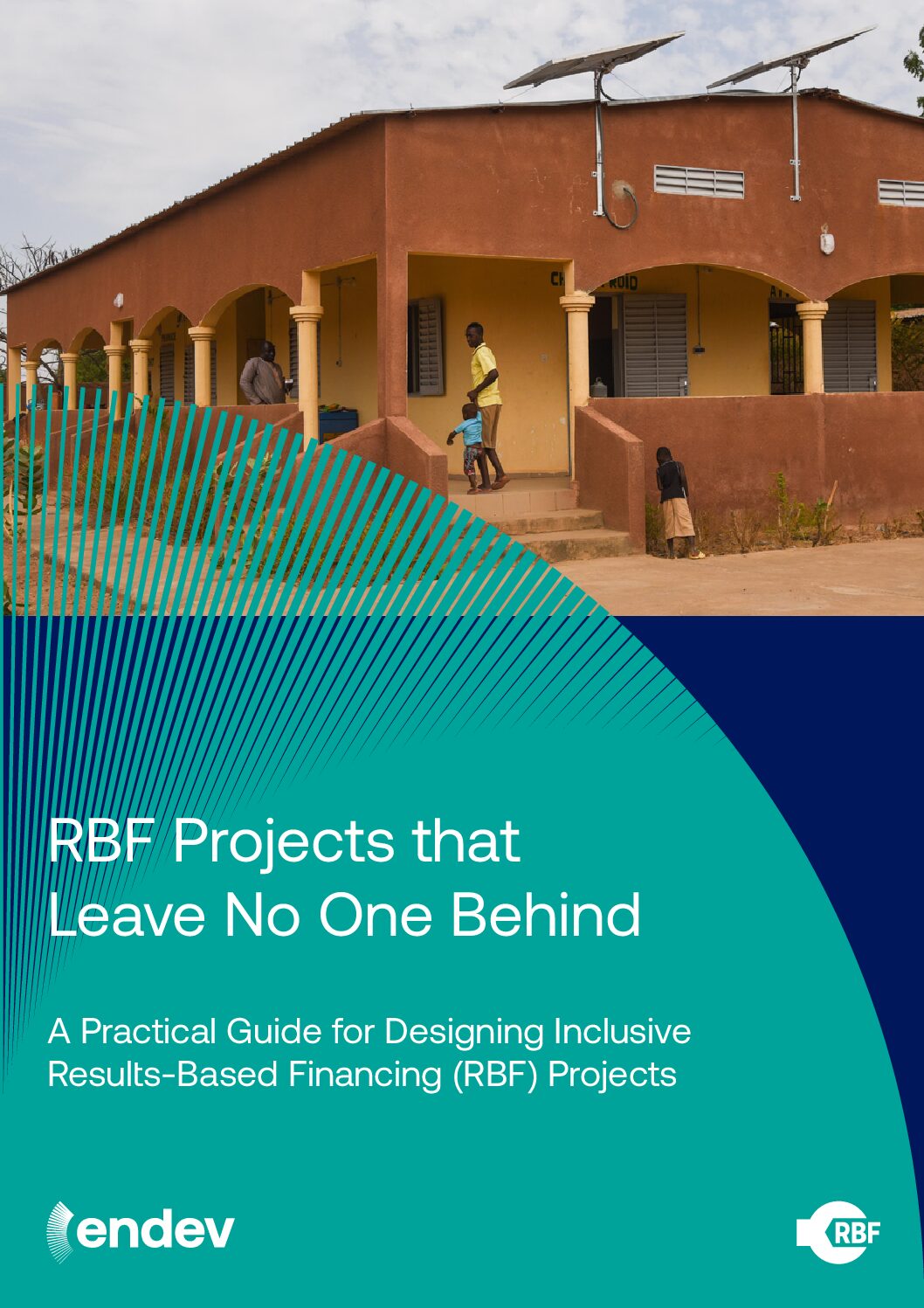
This guide provides insights on planning and implementing RBF projects to advance energy access that consider various LNOB aspects, including gender.
This brief explains UNDP’s framework for inclusive digital transformation in support of the SDGs