
Desisining A CurriculUM or DACUM is a methodology used to analyse jobs and develop training programmes. This training-of-trainers resource guides trainers in planning, preparing, and implementing DACUM Facilitator Training sessions. It supports those involved in occupational analysis and curriculum development, aiming to standardize DACUM practices internationally and help participants become experts in the DACUM process.
This resource guides trainers in planning and delivering programmes on occupational analysis and curriculum development. It focuses on integrating green skills, greening TVET, entrepreneurship, IR 4.0, and 21st-century skills into TVET.
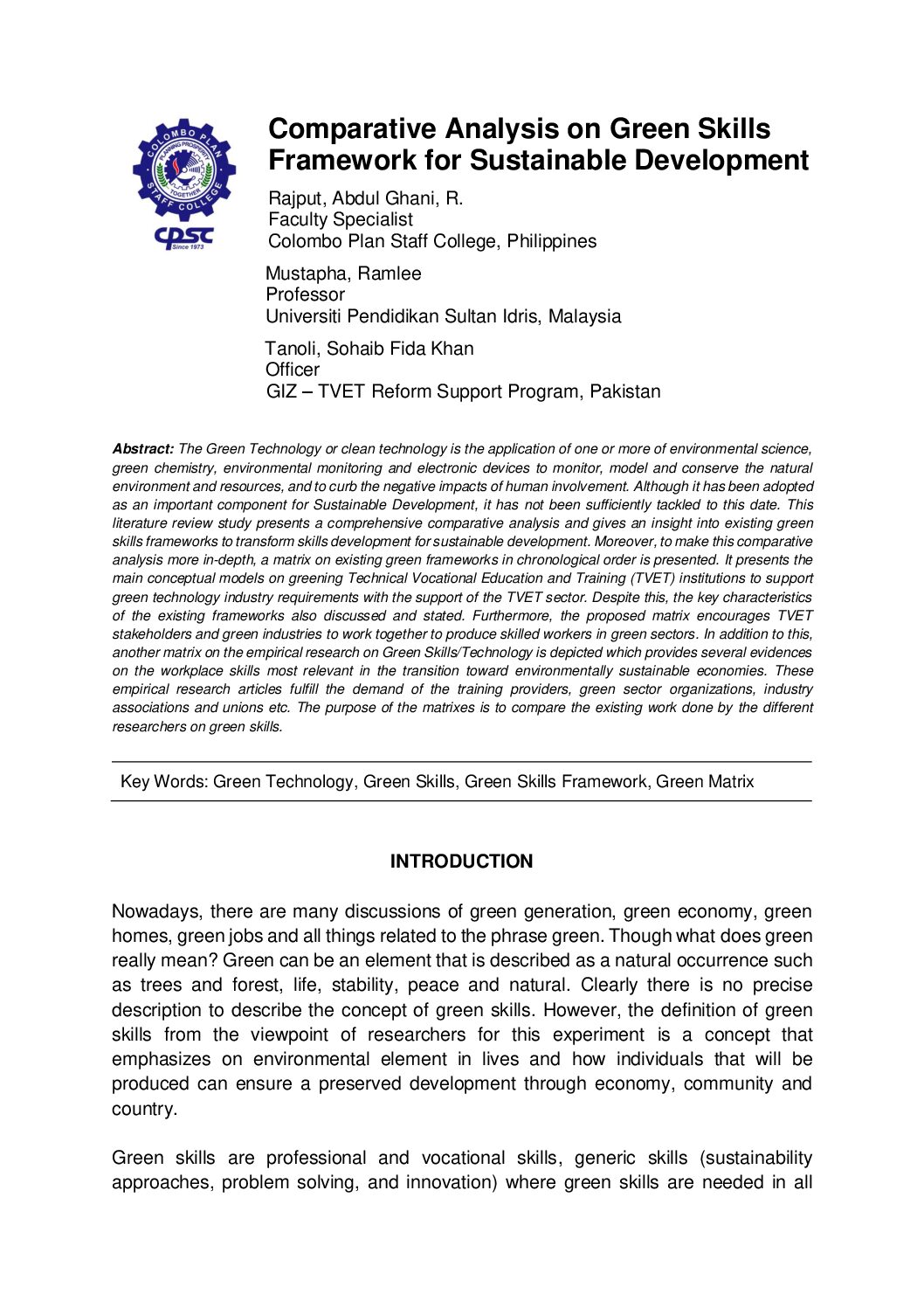
This resource offers a comparative analysis of existing green skills frameworks to support sustainable development through TVET. It includes two detailed matrices—one mapping green frameworks chronologically, and another summarizing empirical research on green skills relevant to green industries. The study highlights key concepts, models, and collaborations needed between TVET institutions and green sectors to develop … Continue reading “Comparative analysis on Green Skills framework for sustainable development”
This report provides baseline data on women’s employment in wind energy, as well as information on barriers to gender equality and recommendations to close gender gaps.
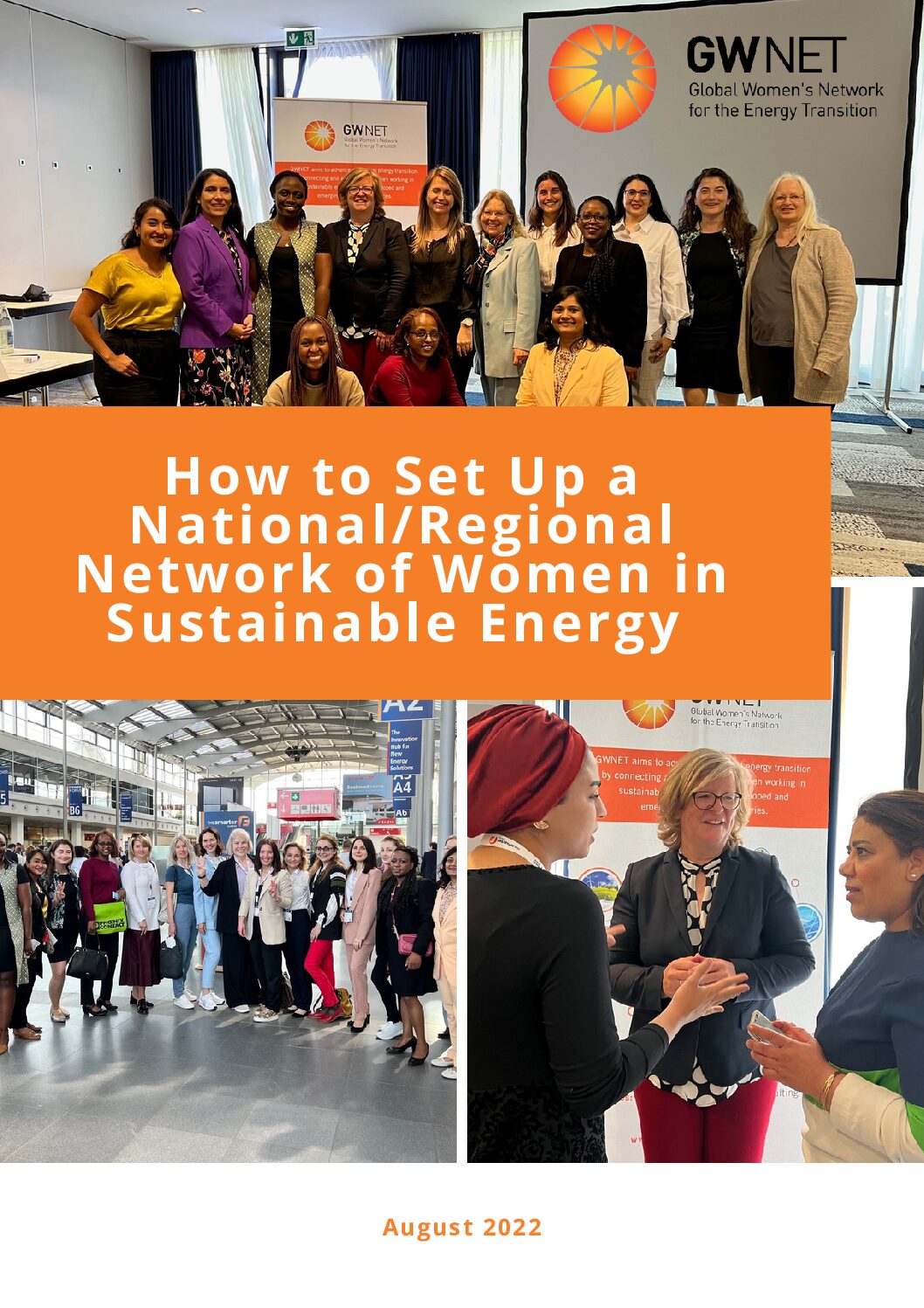
This guide provides principles and step-by-step instructions for the establishment of regional/national networks for women working in energy
This is a network of women in renewable energy in the Dominican Republic. It has published several reports and organises events on gender equality in the national energy sector.
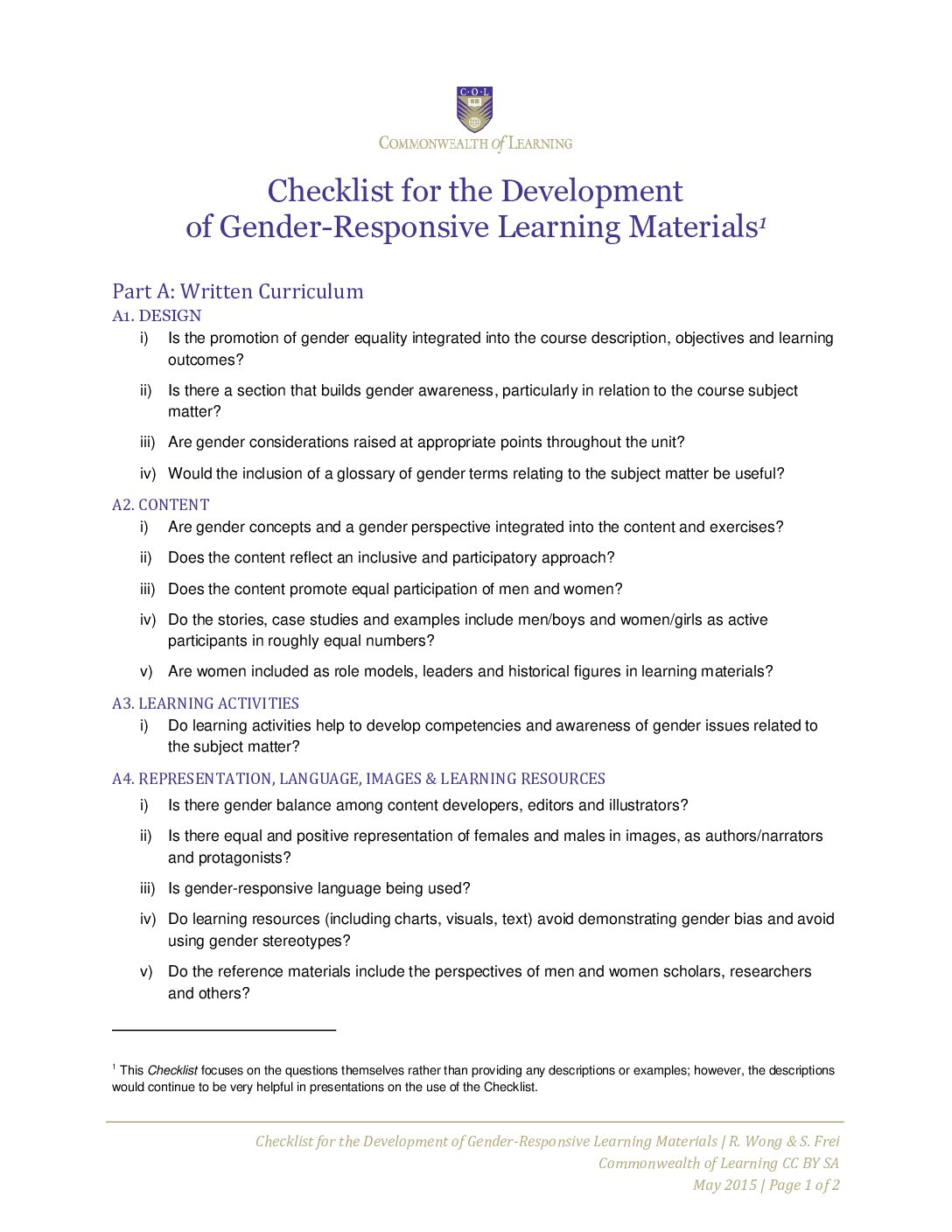
This checklist helps organisations assess whether their written curriculums, delivery of learning, assessments, support services and evaluation frameworks are gender-responsive.
This web portal provides an extensive introduction into the Bolivian renewable energy sector, policy, financing and more.
This report presents the experiences of competitive processes for the incorporation of non-conventional renewable energies in LAC, especially solar PV and wind energy. It provides an analysis of the strategies and structures that have been used, the legal frameworks that enabled them and a database of outcomes.
This paper underscores the need for sustainable utilities to deliver the energy transition in lower- and middle-income countries, and provides recommendations to governments and other stakeholders.