
This report provides concrete instructions on how to develop a gender-sensitive energy policy.
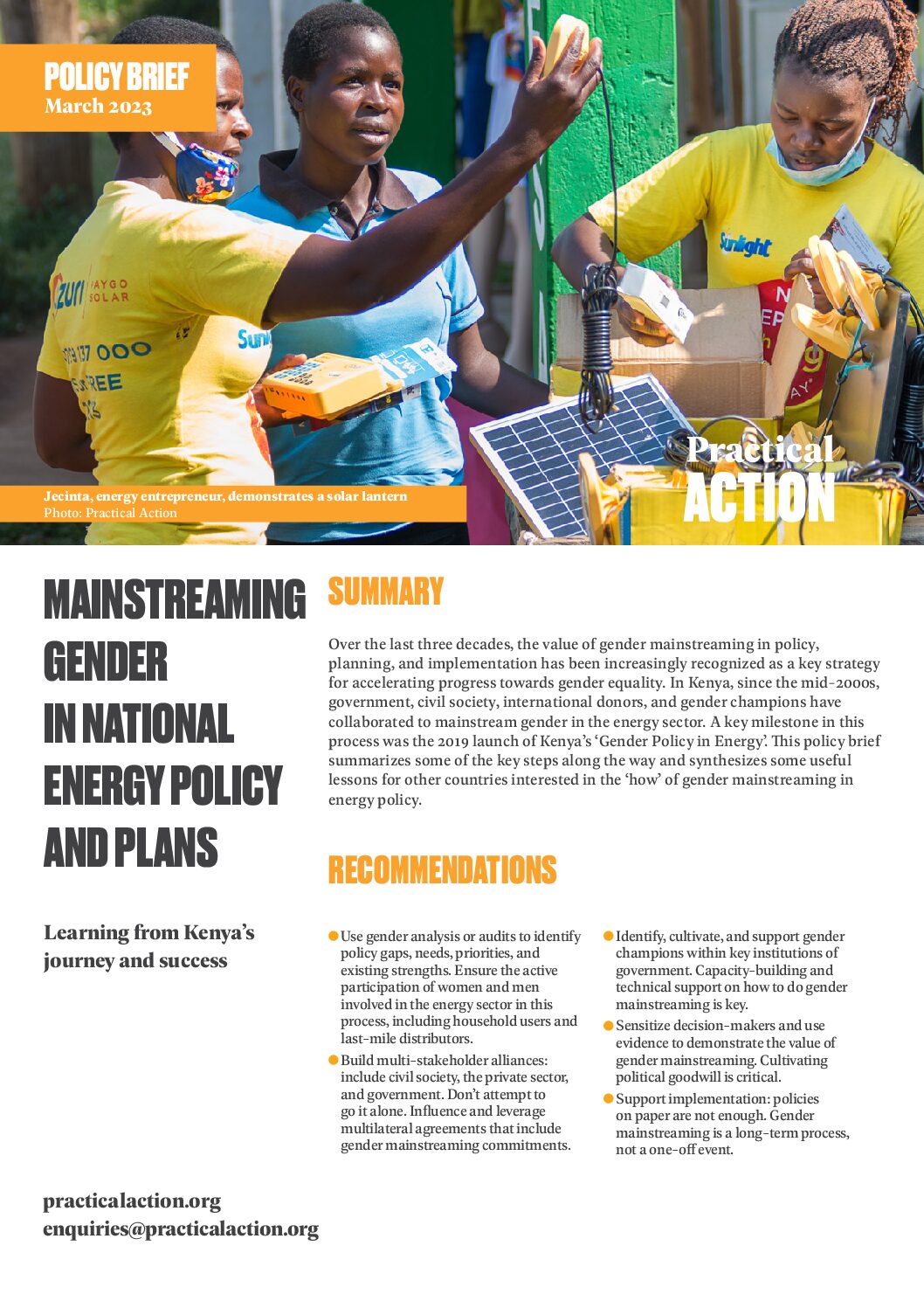
This brief shares learnings about mainstreaming gender in energy policies, based on the process through which the Government of Kenya developed its Gender Policy in Energy.
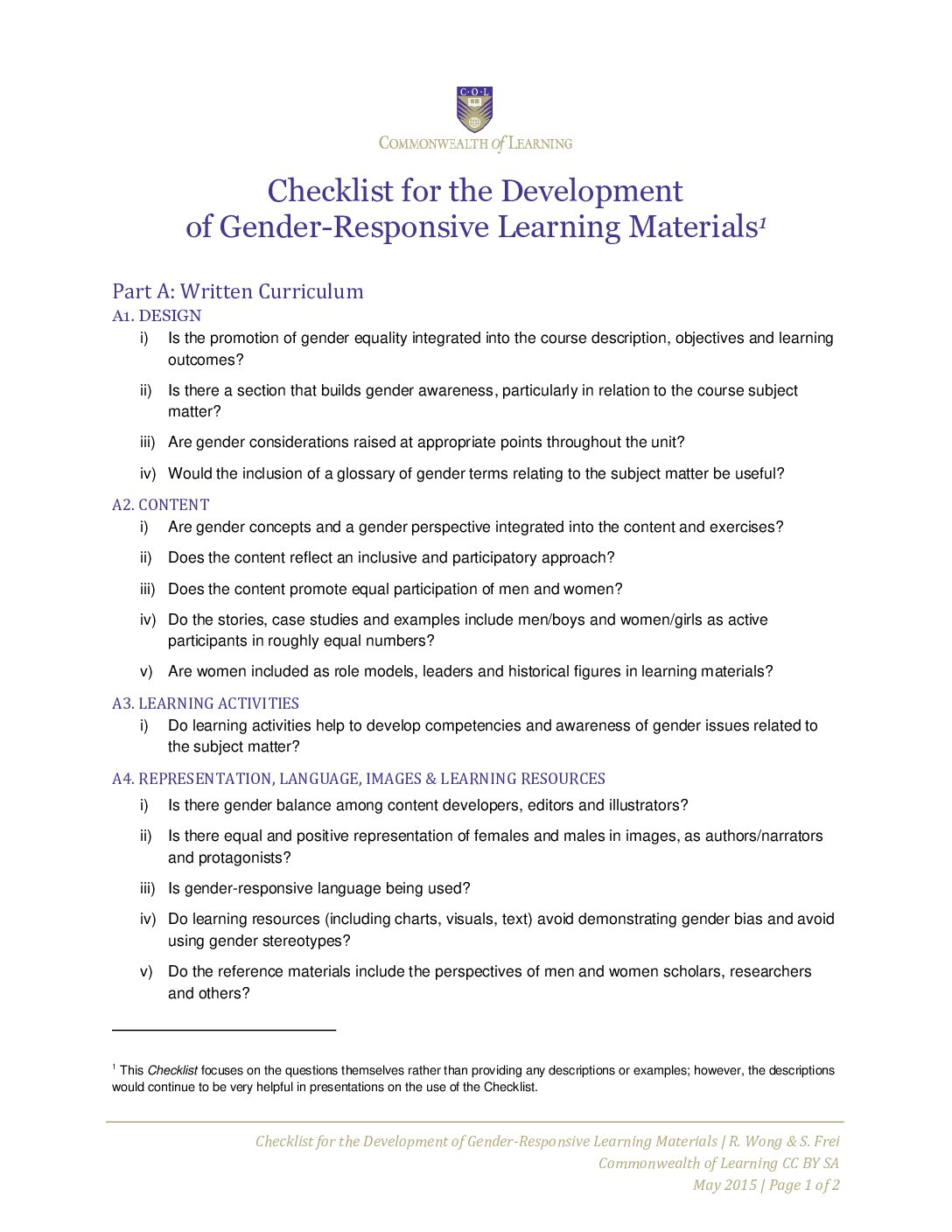
This checklist helps organisations assess whether their written curriculums, delivery of learning, assessments, support services and evaluation frameworks are gender-responsive.
Institutions all over the world are setting up microcredentials in responses to calls from governments and industry: short courses, usually offered online by accredited institutions, with an emphasis on the needs of the workplace. They are also often used for retraining and upskilling. This book explains how to start offering microcredentials as an academic institution.
This guide aims to accelerate the flexibility and responsiveness of learning systems by providing guidance on the design, issue and recognition of micro-credentials.
This report aims to help local governments understand various financing instruments and sources available to them to meet climate investment needs.
This factsheet helps local governments understand the structural components of setting up local climate funds, including identifying attractive financial models and the different ways to support financing the local climate transition.
This slide deck provides a quick introduction to gender-responsive climate finance and the role of women’s groups in pursuing it.
This guide explains how cities can develop energy transition roadmaps that can create platforms for collaboration with other stakeholders and attract investment.

This guidance note outlines how cities can tap into a wide array of proven technologies, policies, and financing mechanisms to improve energy efficiency and capture cost-effective energy savings in buildings.