
A course on energy subsidies, their costs, and the design of a successful reform based on country case studies.
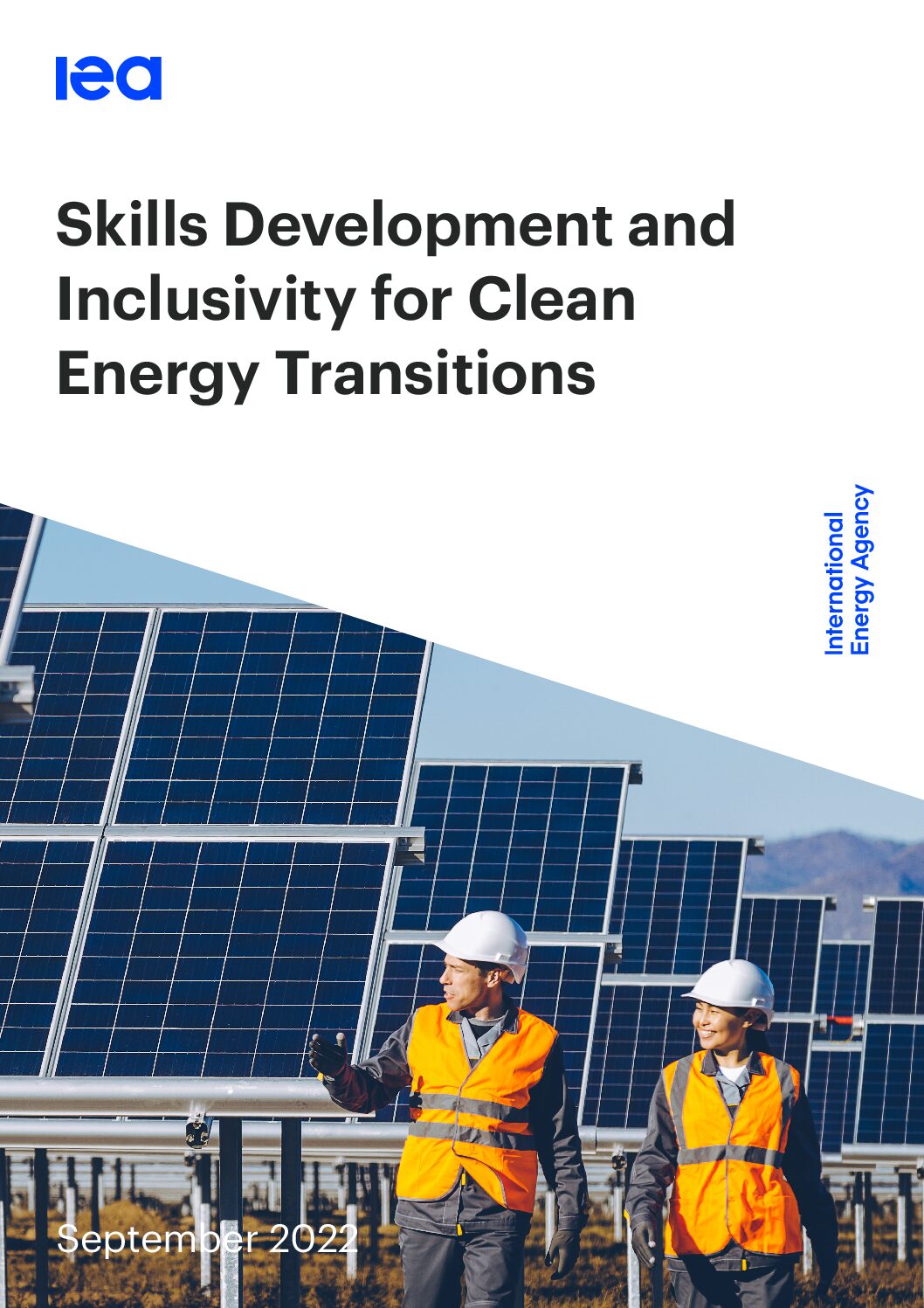
This report compiles a collection of case studies from around that world that showcase programmes designed to address skills development of workforces for energy transitions.
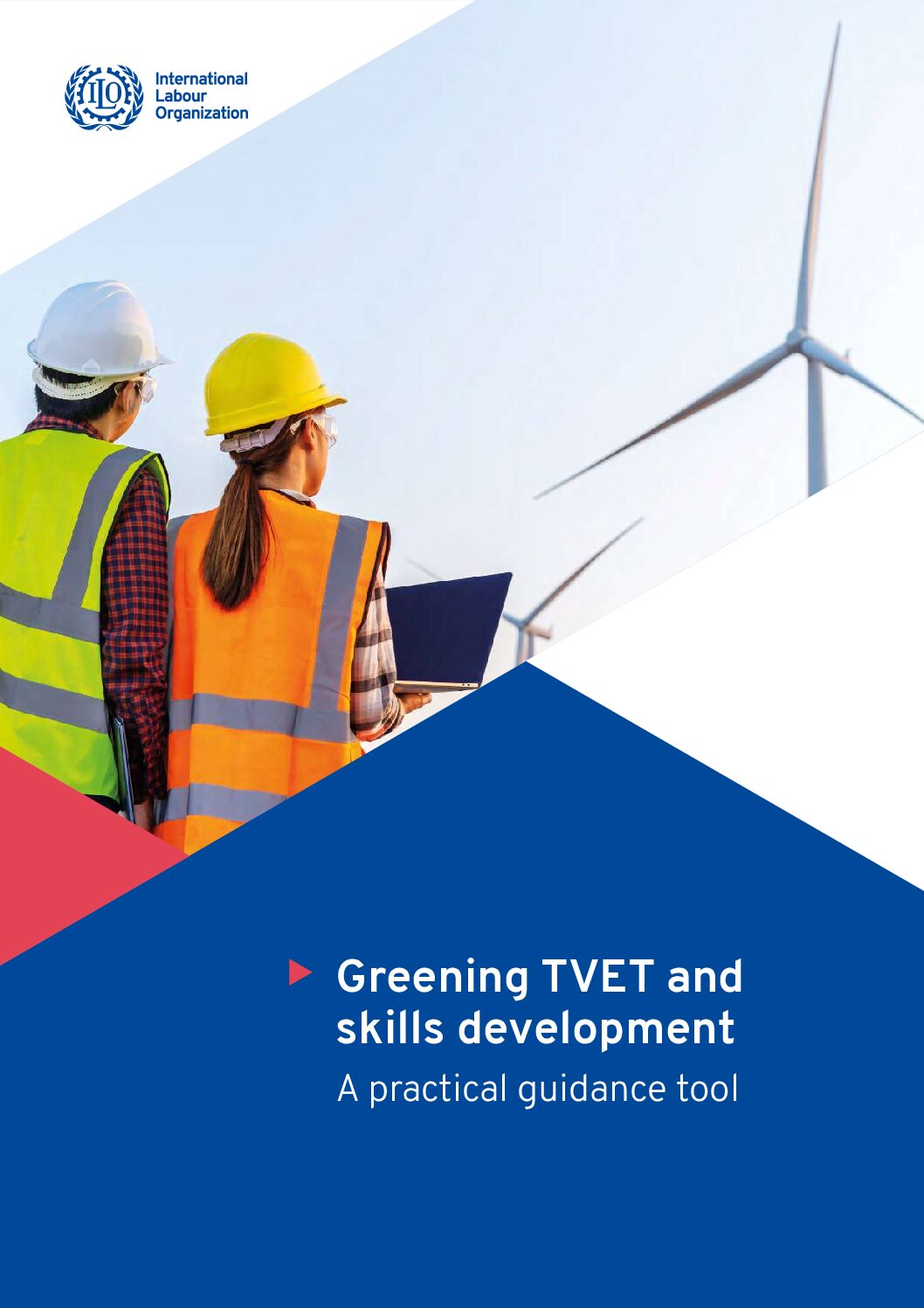
The tool provides “how-to” guidance on designing competency standards and curricula for greener jobs, adapting training delivery and assessments to support greener learning, adapting practices to maintain a greener campus, greening the professional development of teachers and in-company trainers, and sensitizing enterprises.
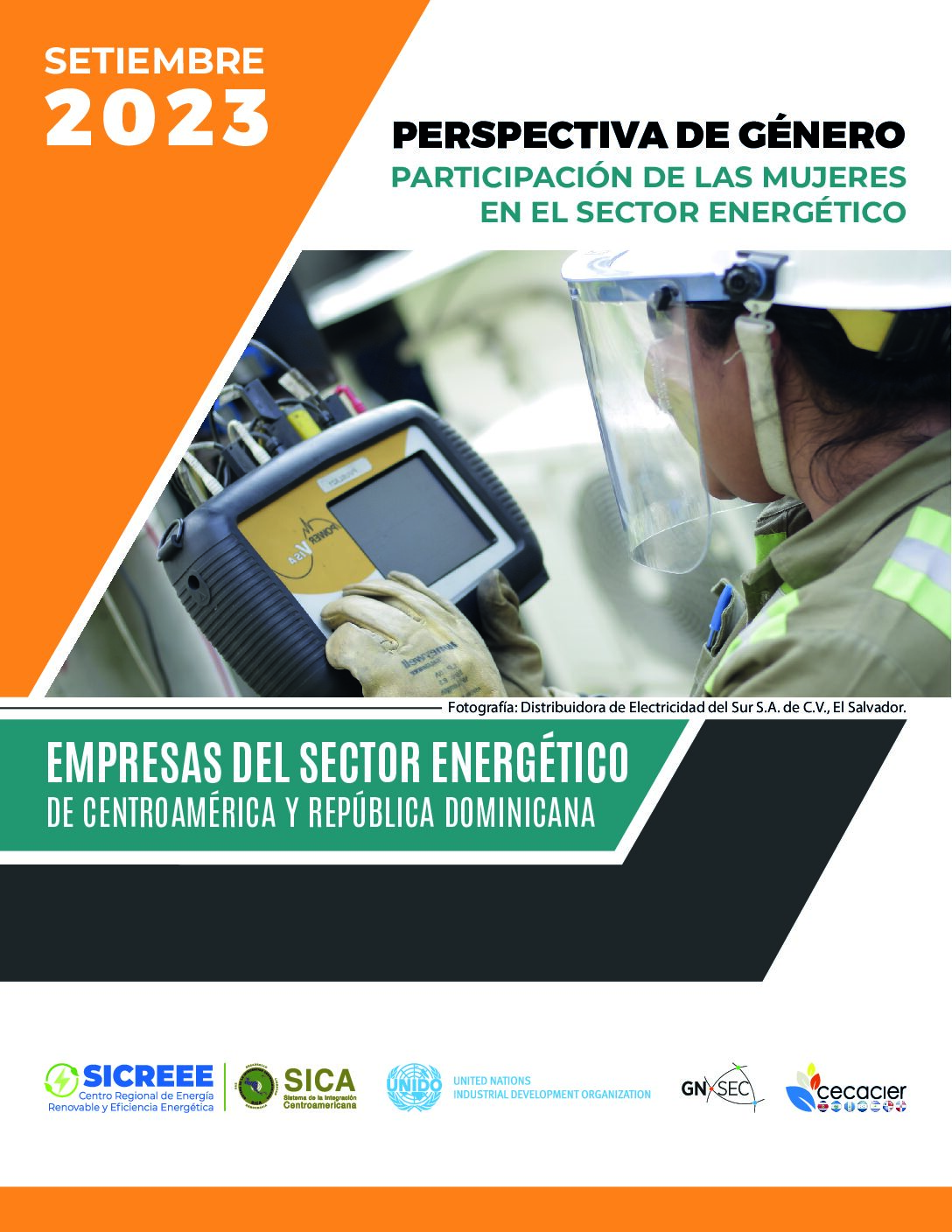
This report presents results of a gender equality survey conducted in 2022 among energy companies in SICA countries, and compares them to a baseline from 2019.
This chapter provides an overview of energy tax and subsidy patterns in the 71 countries covered in the report and estimates the net effect of energy taxes and subsidies on public finances.
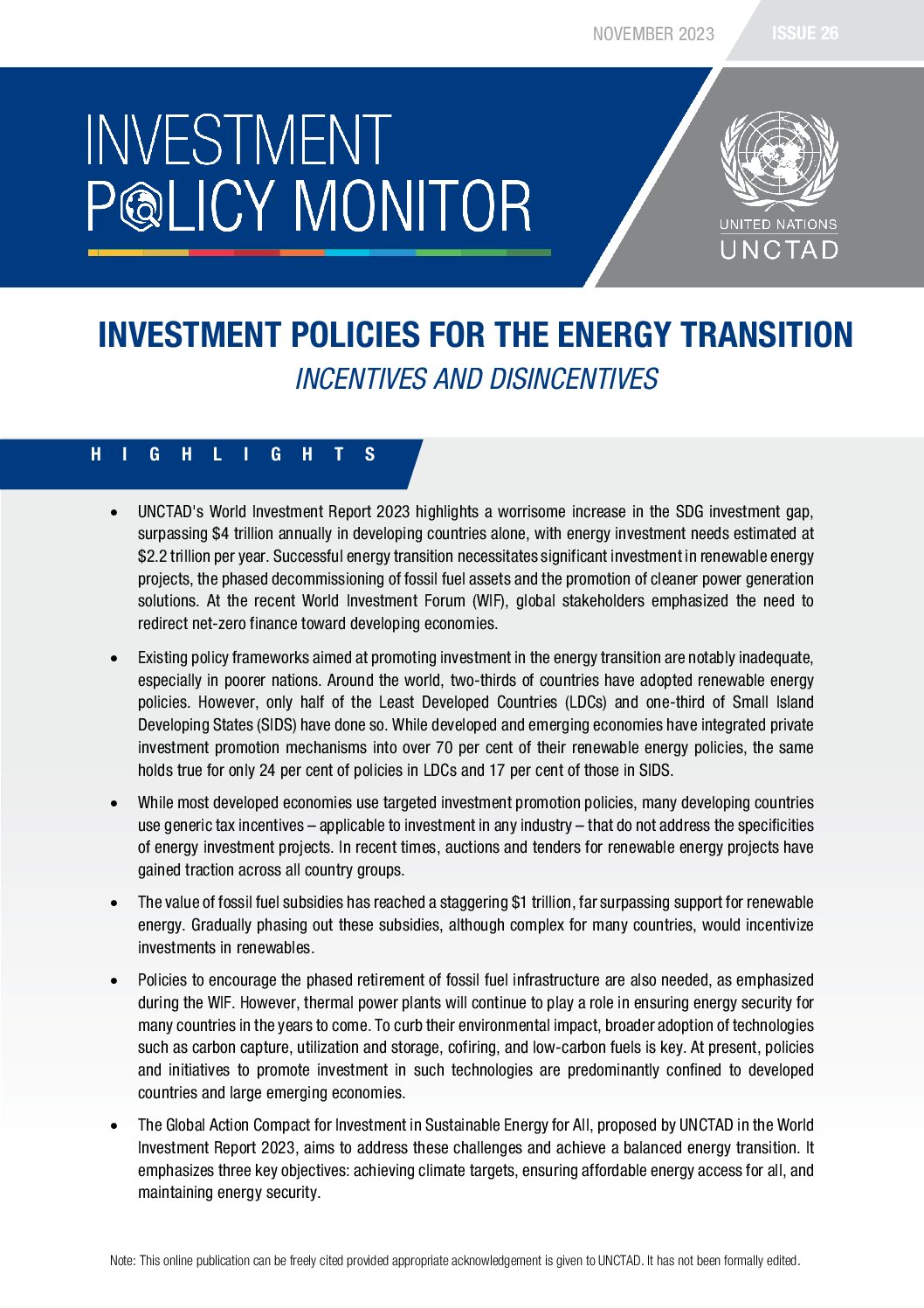
This edition of the Investment Policy Monitor assesses the global landscape of fossil fuel subsidies and promotion of investment in the energy transition.
This paper investigates the role of carbon taxes in the energy transition, with case studies from Chile, Ghana, Indonesia and Jamaica.
This report highlights the economic, social and environmental benefits that energy and transport sector-coupling and a transition towards EV- and RE-based, efficient systems can create in small island settings, and provides tools for the planning of such a transition.
This page explores the best practice regulatory, fiscal and economic instruments available today to encourage a more efficient/electric vehicle stock.
The purpose of this Guide is to help organizations of all sizes, and in particular SMEs, to improve their energy performance in a logical, controlled and systematic way, thereby saving energy and reducing costs.