
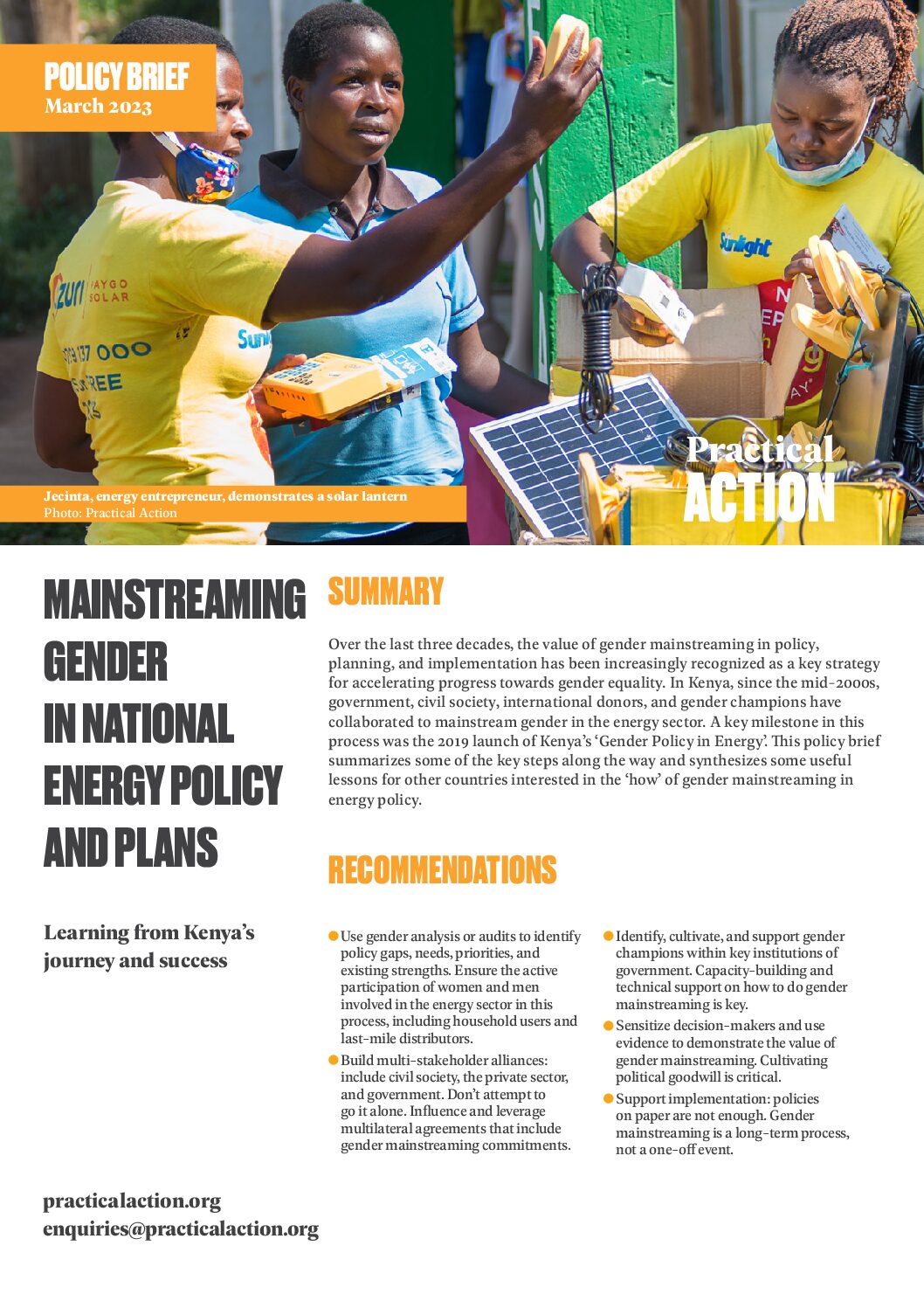
This brief shares learnings about mainstreaming gender in energy policies, based on the process through which the Government of Kenya developed its Gender Policy in Energy.
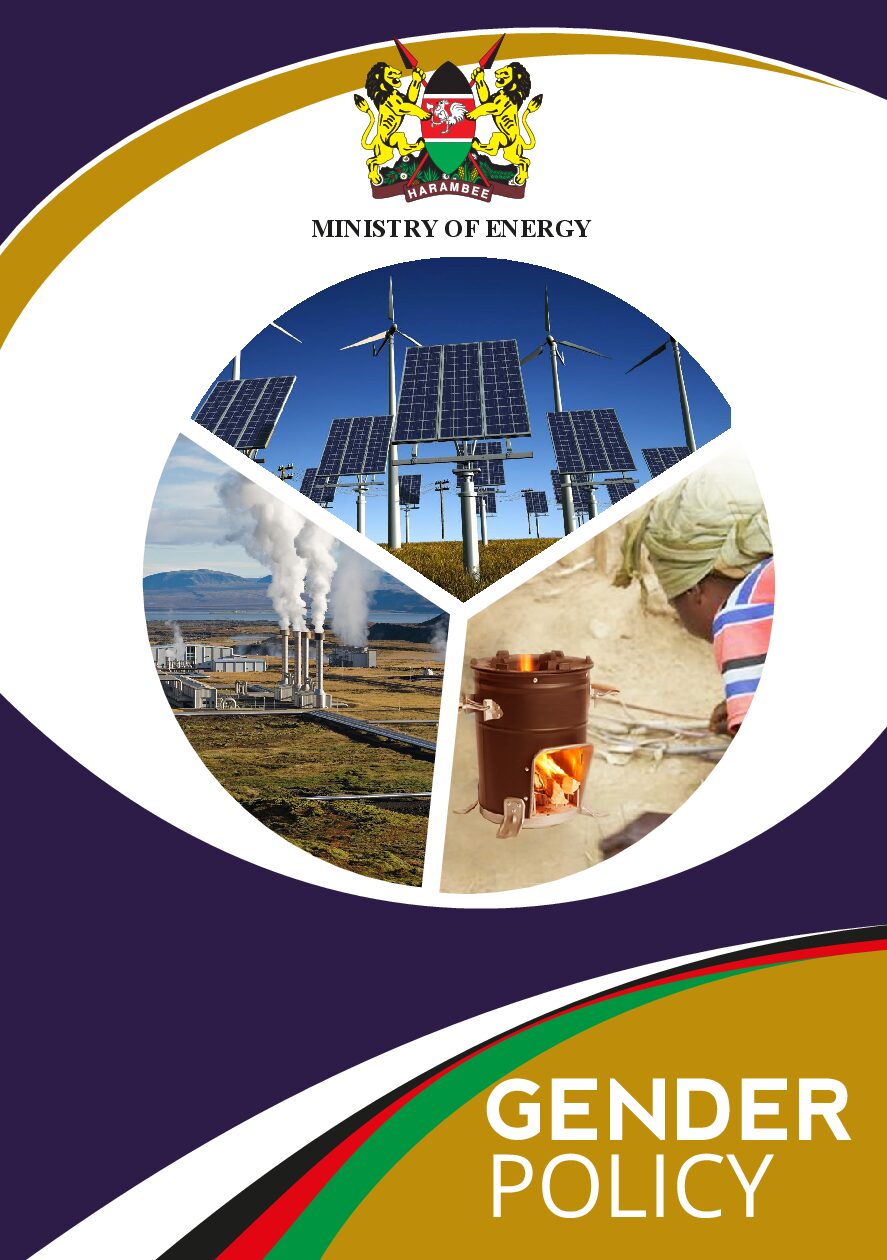
This is a good practice example of a gender policy for a national energy ministry.
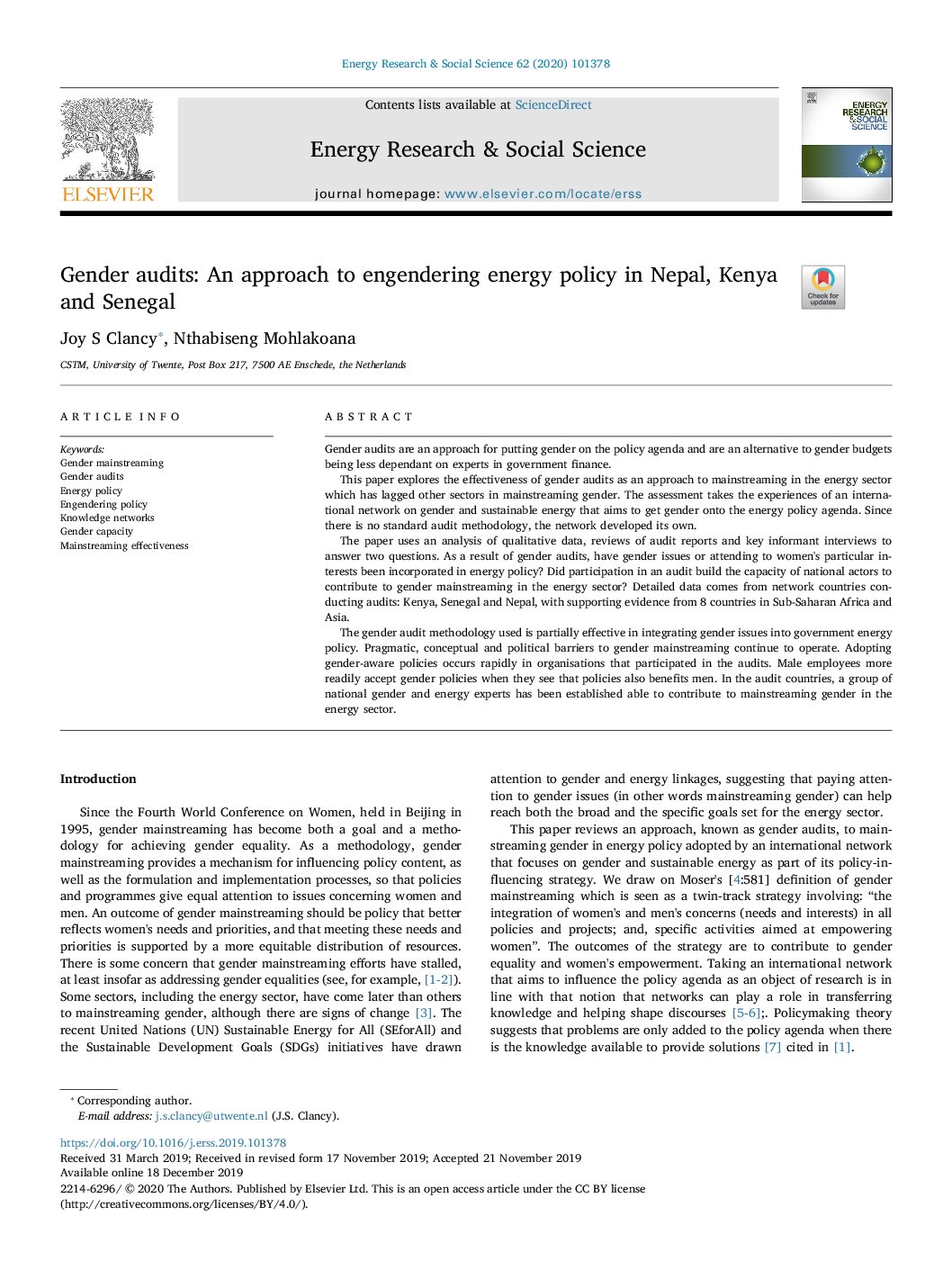
This article assesses the effectiveness of gender audits to mainstream gender in energy policy.
This report provides concrete instructions on how to develop a gender-sensitive energy policy.
This guide addresses the challenges faced by rural energy enterprises in developing countries, and sets out solutions such as business models offering cooking energy as a service.
This action plan, developed with support from SEforALL and ECREEE, lays out the energy access strategy of Côte d’Ivoire for 2016-2020/2030. It includes extensive background and context as well as information on strategic priorities and measures to promote these.
This paper underscores the need for sustainable utilities to deliver the energy transition in lower- and middle-income countries, and provides recommendations to governments and other stakeholders.
This report examines the role of climate finance in Madagascar’s energy transition, and the impact that different financial instruments have on the delivery of the electrification schemes.
This paper presents a value chain approach to identify priority areas for developing national hydrogen strategies, focussing on emerging and developing economies.
This paper focuses on strategies, policies, and programs that industry and government can develop to ensure that supply chains for EVs and their batteries are secure, circular, and reduce the need for mining virgin minerals, thus reducing adverse impacts on the planet and its people.