
This slide deck provides a quick overview of the process for the development of energy projects by indigenous groups, including tips on choosing an optimal site, ownership structures and financing structures.
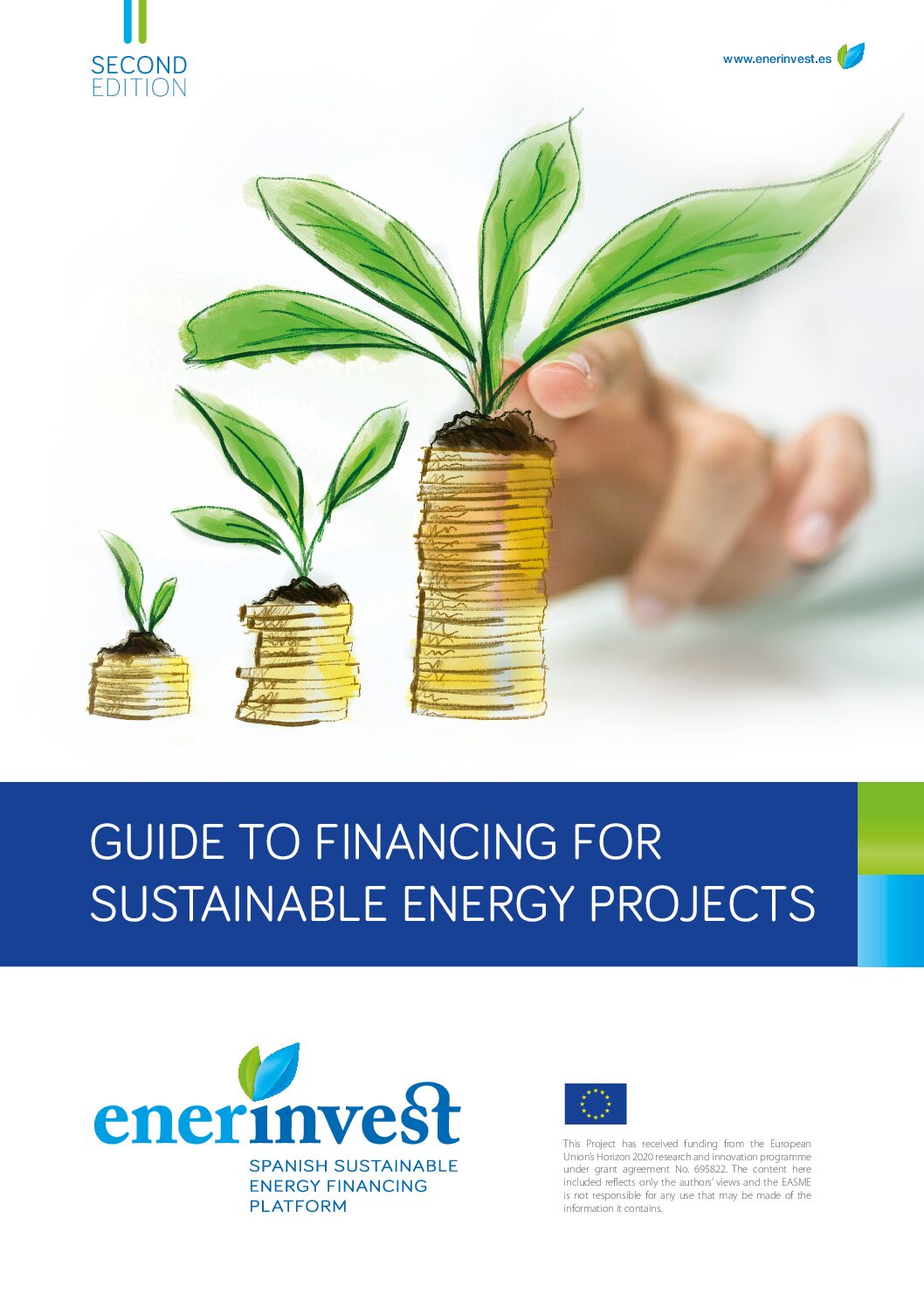
This guide provides an overview of aspects to consider in the development and financing of a renewable energy project, both for public of private promoters and investors. English: https://www.ecoserveis.net/wp-content/uploads/2021/05/Guide-to-Financing-of-Sustainable-Energy-Projects-2nd-edition.pdf Spanish: https://www.ecoserveis.net/wp-content/uploads/2019/04/guia-para-la-financiacion-de-proyectos-de-energia-sostenible-2a-edicion.pdf
This database presents the current status, policy barriers, and key innovations for electrification of mobility, heating and cooling, and hydrogen production.
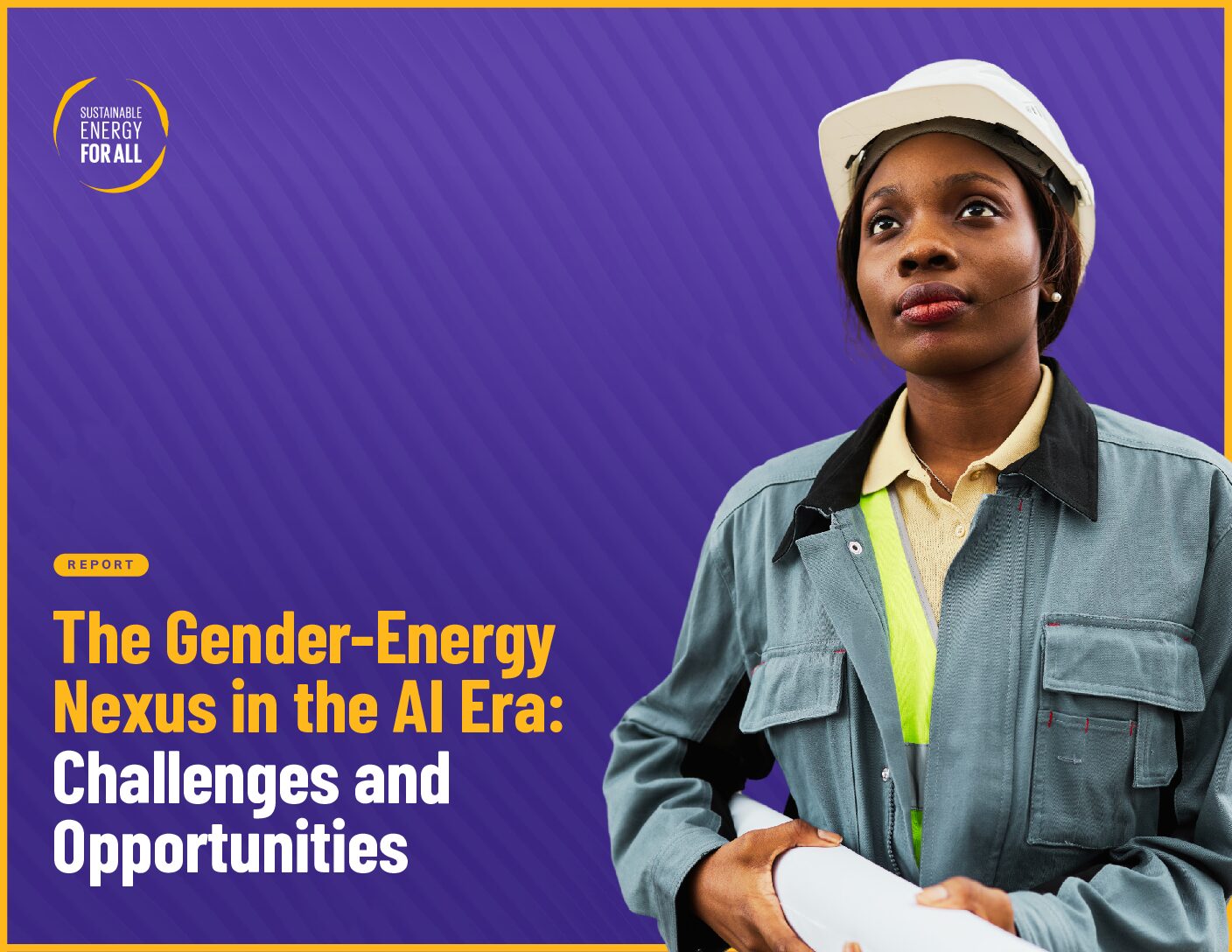
This report explores the critical intersections of AI development, gender equality and energy transitions, emphasizing how AI applications can advance a sustainable, equitable and just energy transition.
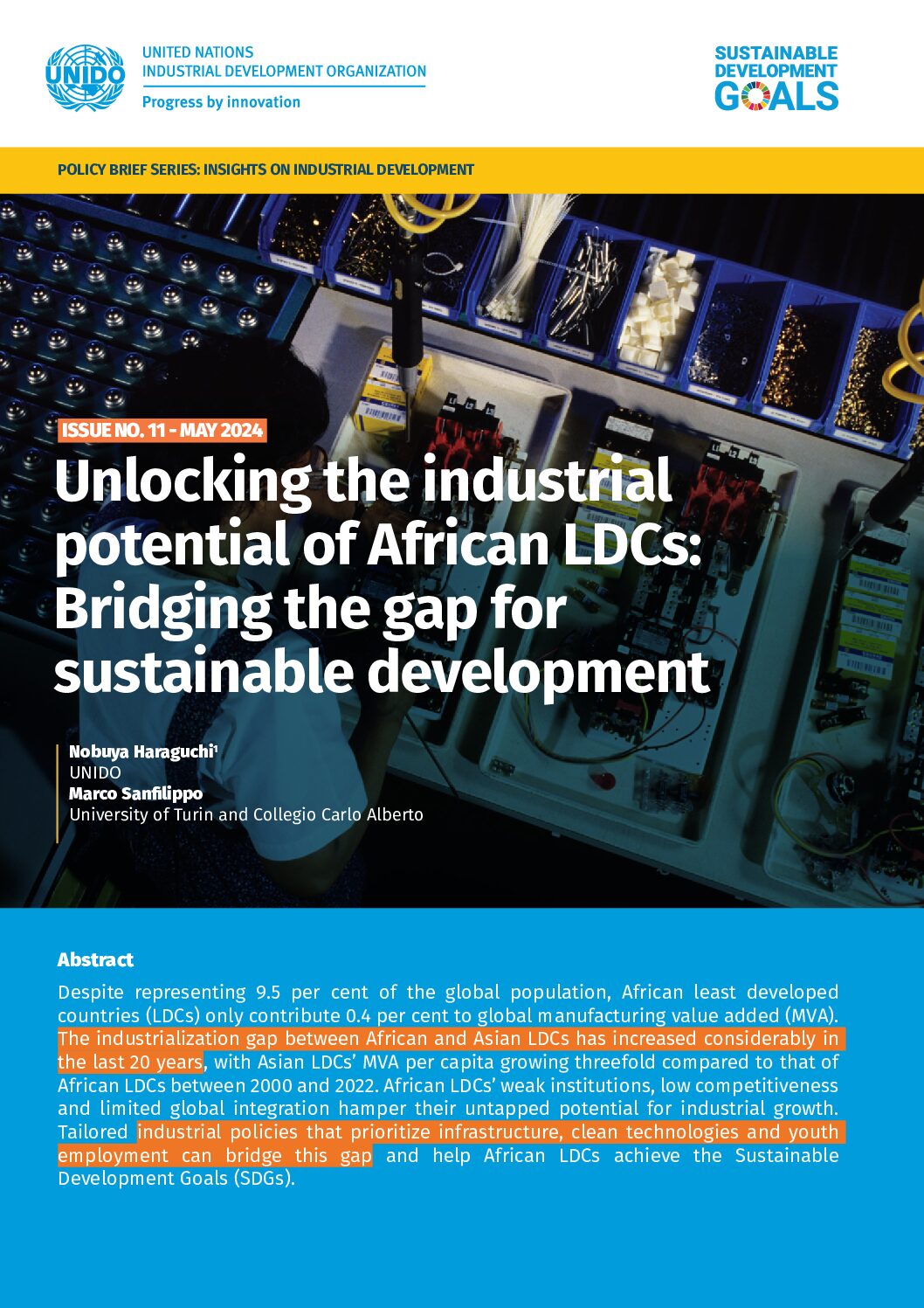
This brief discusses how African LDCs can develop industrial policies that prioritise infrastructure, clean technologies and youth employment.
These guidelines provide advice on the development of green hydrogen clusters, which are industrial clusters that share green hydrogen and renewable energy for various purposes and can significantly contribute to industrial decarbonisation.
This strategy provides an overview of energy production and consumption in Zambia, and sets objectives for efficiency improvements in the residential, industrial and transport sectors.
This paper discusses the role of AI in the energy transition in Latin America, identifies key factors for successful implementation in the region and proposes an AI maturity model for the energy transition that allows stakeholders to assess the status and gaps for the AI adoption.
This brief describes the balance required in effective green industrial policies across three dimensions: consumption-centred, production-centred, and innovation.
This brief describes policy options for the decarbonisation of heavy industry, both for improved material efficiency and for electrification.