
This document offers practical and concise, step-by-step guidance on designing Long-Term Low Emission Development Strategies (LT-LEDS).
This report examines the trends of renewable energy investment and finance in Sub-Saharan Africa (Chapter 2), driven by regional and national plans, targets and strategies for the sector (Chapter 3), and the policy environment for renewables in the region (Chapter 4).
This brief describes the balance required in effective green industrial policies across three dimensions: consumption-centred, production-centred, and innovation.
This brief describes policy options for the decarbonisation of heavy industry, both for improved material efficiency and for electrification.
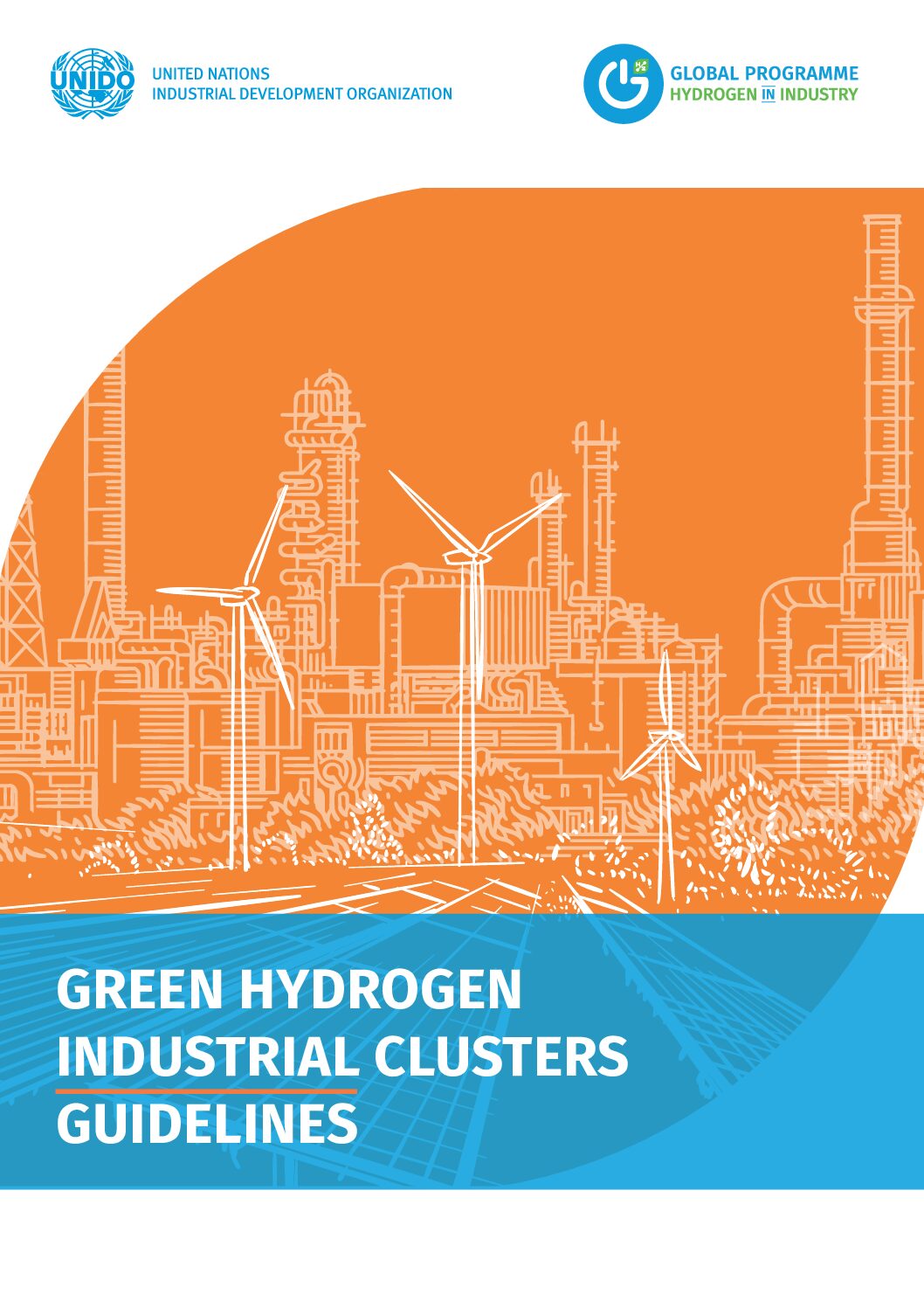
These guidelines provide advice on the development of green hydrogen clusters, which are industrial clusters that share green hydrogen and renewable energy for various purposes and can significantly contribute to industrial decarbonisation.

This report takes stock of the latest energy trends, assesses Uganda’s energy policies and provides policy recommendations.
The Green Cement Technology Tracker aims to support decision-makers and experts in policy and industry, academia as well as civil society, by tracking public announcements of investments in low-carbon cement technologies and presenting them transparently in one place.
This is a database of decarbonization roadmaps for heavy industry sectors from around the world.
This paper projects the future demand for green hydrogen-based steel, and finds that though short-term demand is expected to be limited, in the long term, significant growth can be expected.
The purpose of this Guide is to help organizations of all sizes, and in particular SMEs, to improve their energy performance in a logical, controlled and systematic way, thereby saving energy and reducing costs.