
This guide explains how cities can develop energy transition roadmaps that can create platforms for collaboration with other stakeholders and attract investment.
This report presents a global energy roadmap to meet climate goals by 2050, examining technology pathways and policy implications to ensure a sustainable energy future.
This document offers practical and concise, step-by-step guidance on designing Long-Term Low Emission Development Strategies (LT-LEDS).
This report examines the trends of renewable energy investment and finance in Sub-Saharan Africa (Chapter 2), driven by regional and national plans, targets and strategies for the sector (Chapter 3), and the policy environment for renewables in the region (Chapter 4).
This report takes stock of the latest energy trends, assesses Uganda’s energy policies and provides policy recommendations.
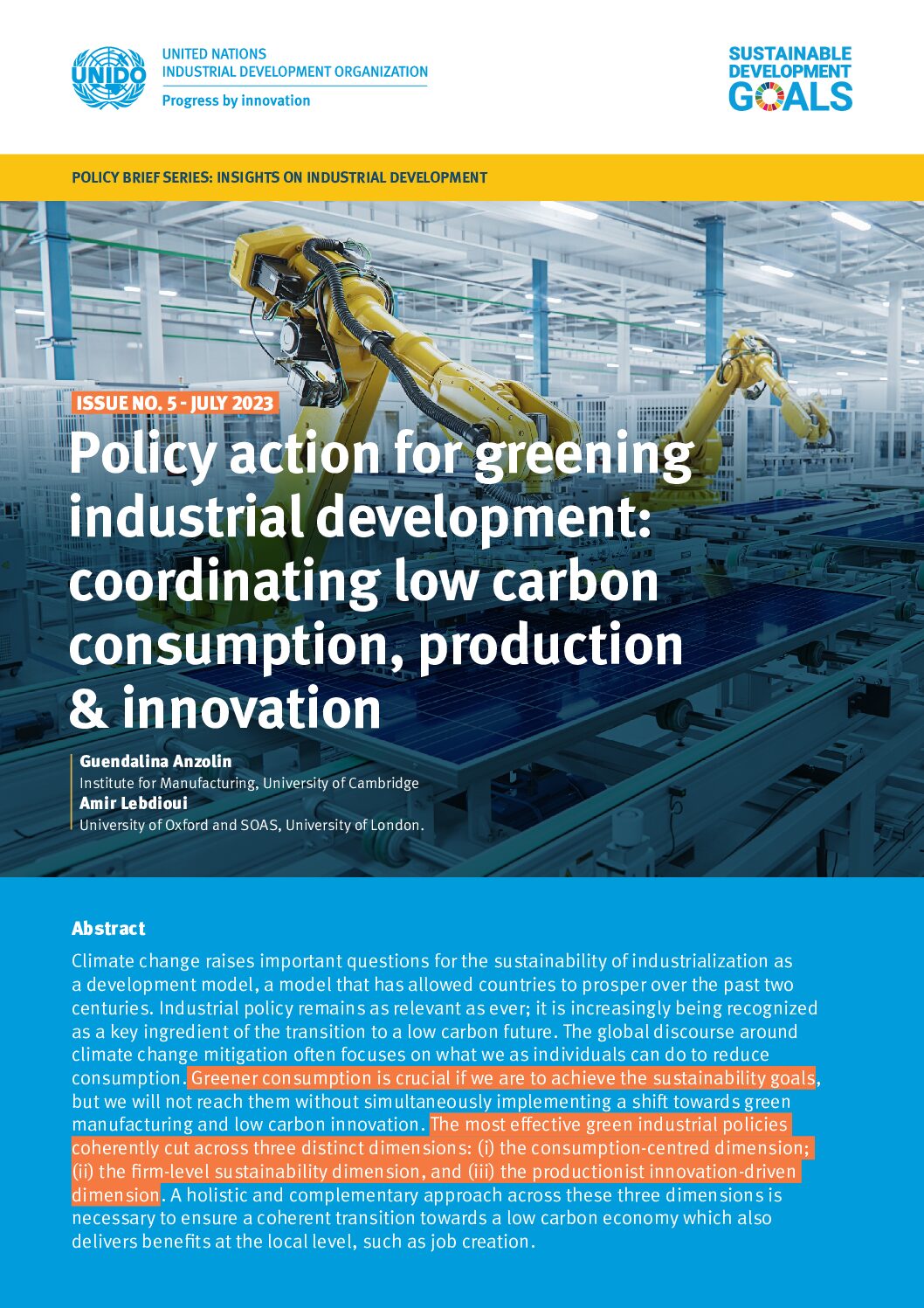
This brief describes the balance required in effective green industrial policies across three dimensions: consumption-centred, production-centred, and innovation.
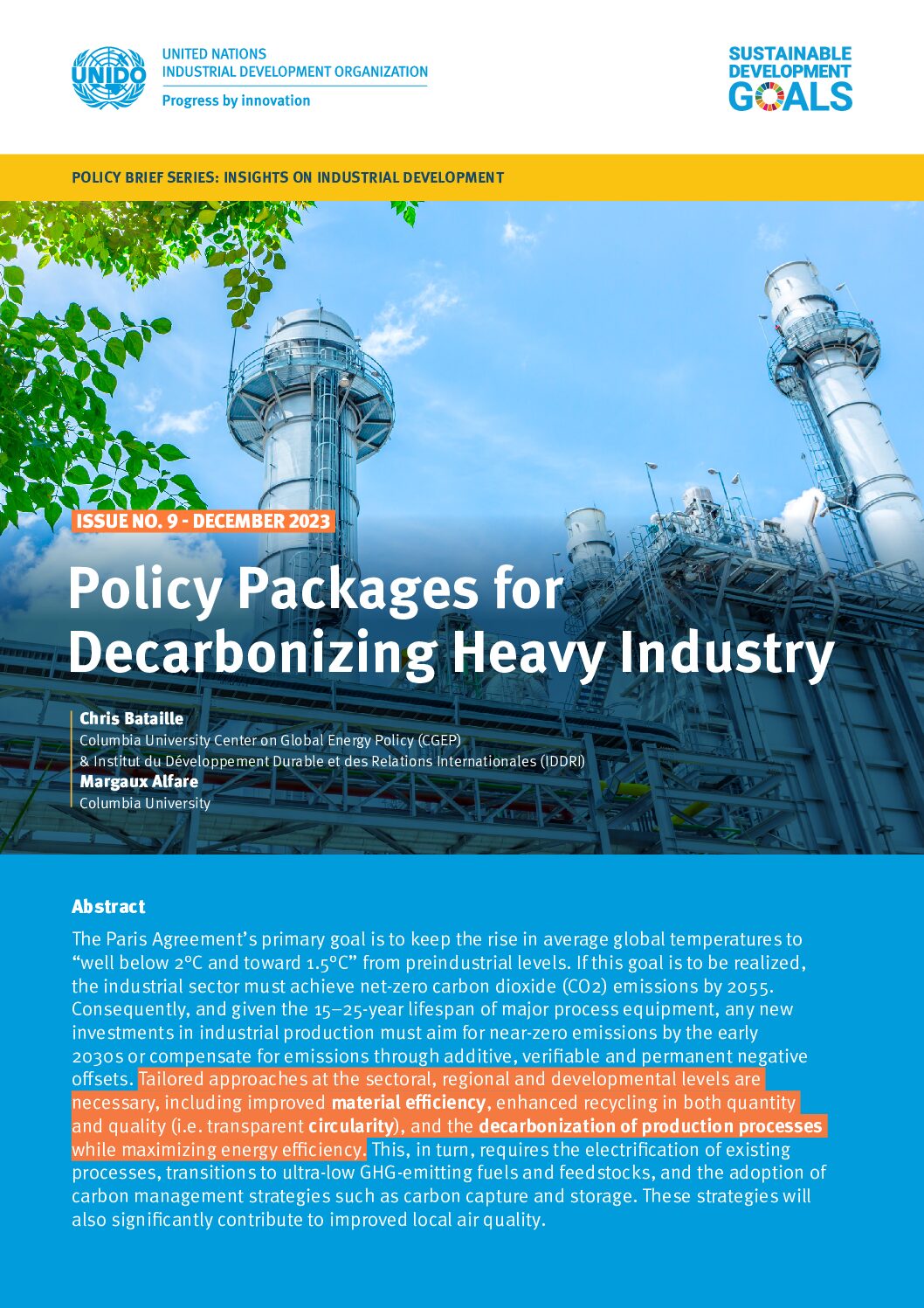
This brief describes policy options for the decarbonisation of heavy industry, both for improved material efficiency and for electrification.
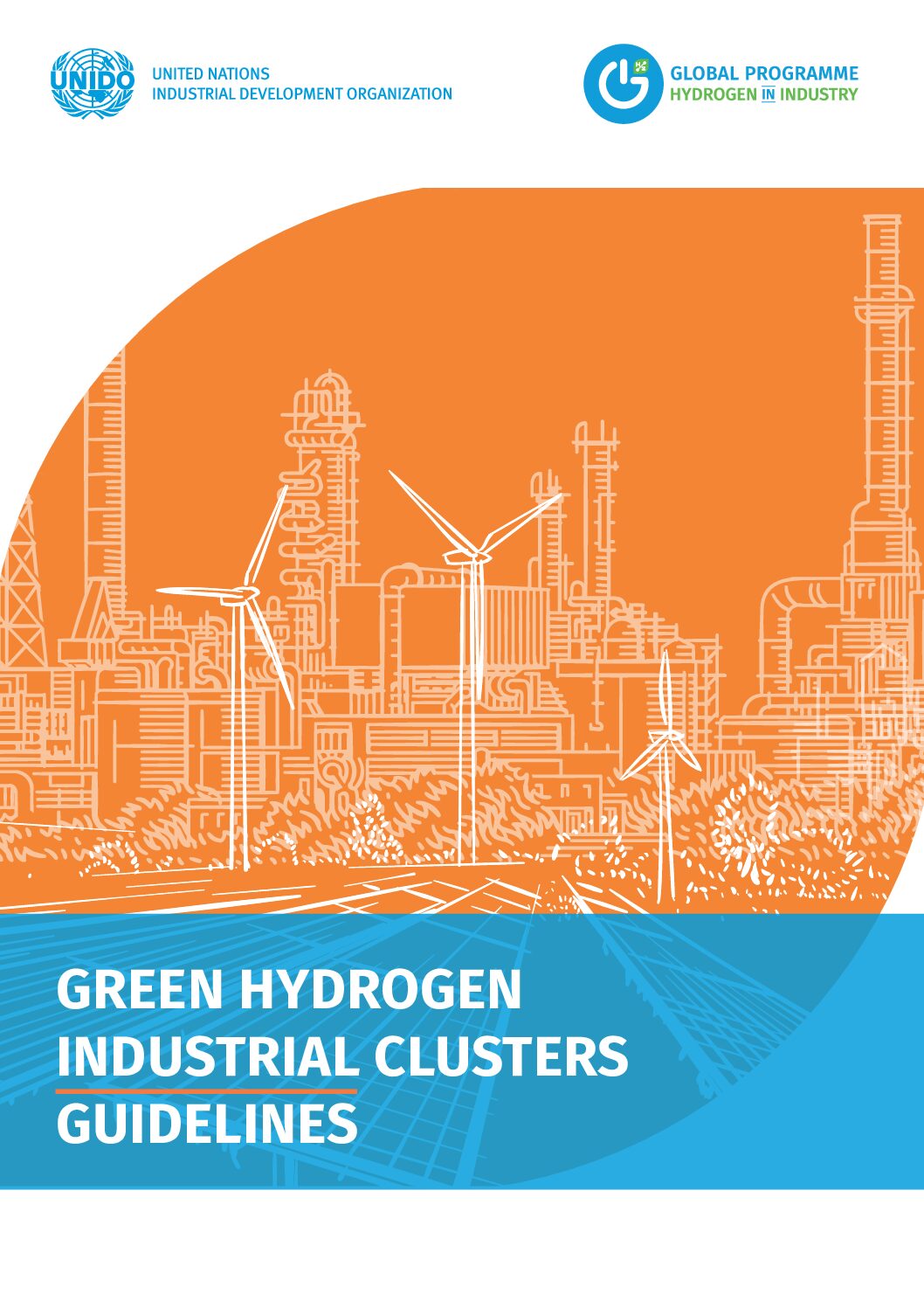
These guidelines provide advice on the development of green hydrogen clusters, which are industrial clusters that share green hydrogen and renewable energy for various purposes and can significantly contribute to industrial decarbonisation.
The Roadmap Planner is an interactive tool that supports decision-makers in public and private sectors to design, develop, and implement industry transition roadmaps. From the set-up and design to monitoring and evaluation, the Roadmap Planner guides users step by step through different phases of creating decarbonization roadmaps for transitioning industry sectors.
The Green Cement Technology Tracker aims to support decision-makers and experts in policy and industry, academia as well as civil society, by tracking public announcements of investments in low-carbon cement technologies and presenting them transparently in one place.