
This guide suggests tools cities can deploy to encourage the implementation of building energy efficiency and renewable energy measures by the private sector and citizens.
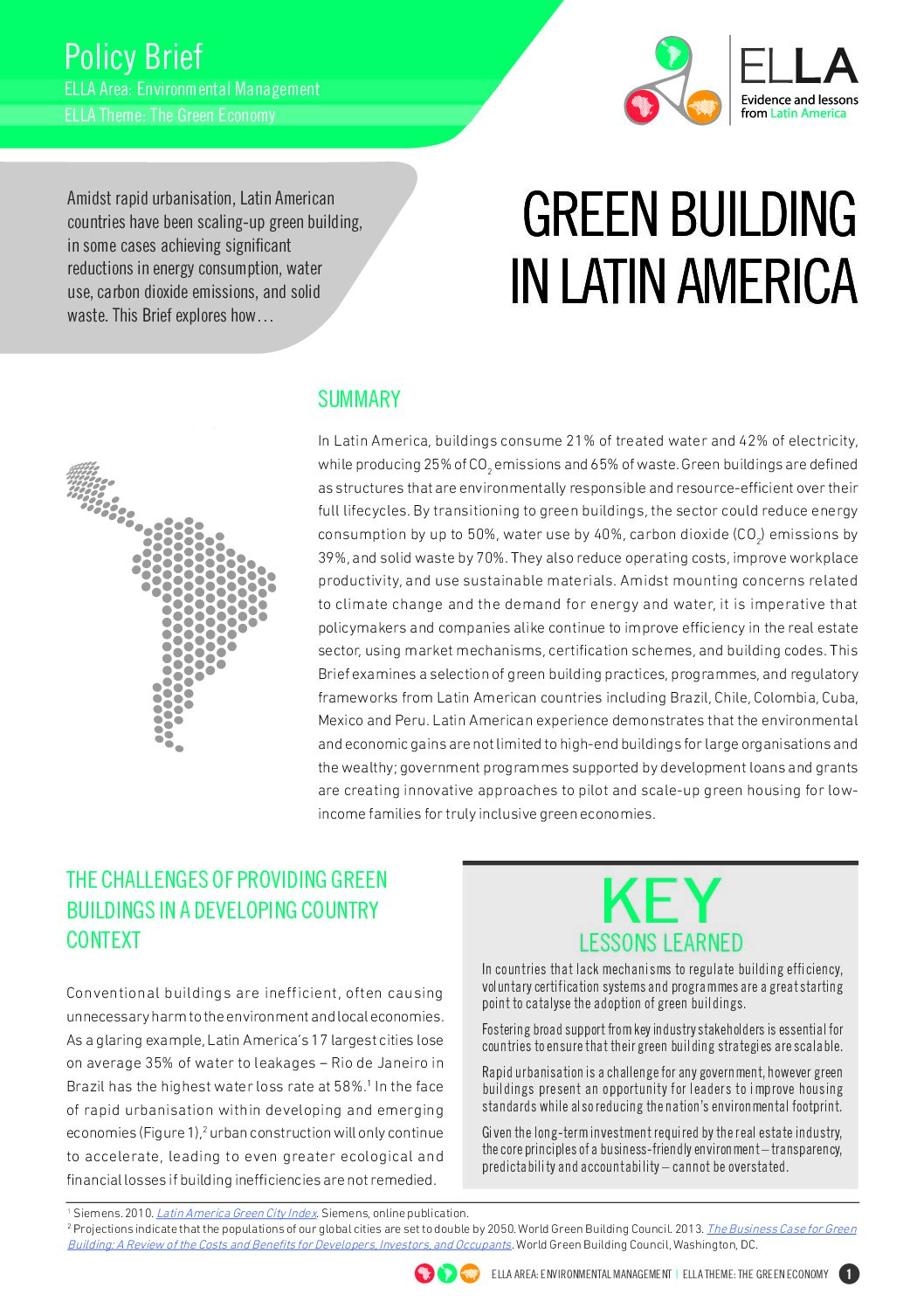
This policy brief assesses a selection of green building practices, programmes, and regulatory frameworks from Latin American countries including Brazil, Chile, Colombia, Cuba, Mexico and Peru.
This slide desk provides an overview of energy efficiency standards in Southern and East Africa and presents (draft) harmonized standards for lighting, refrigerators and air conditioners.

This report helps policymakers develop building codes and regulations that promote the construction of green buildings.
This database provides different dashboards presenting data on the latest investment and operational trends in clean cooking, including carbon market data and customer perceptions of clean cooking companies’ products and services.
The SESA Toolbox gathers step-by-step guides, videos and other materials to help stakeholders find, fund and implement solutions for a cleaner, more efficient energy future.
This page presents the Principles for Responsible Carbon Finance in Clean Cooking, developed by the CCA.
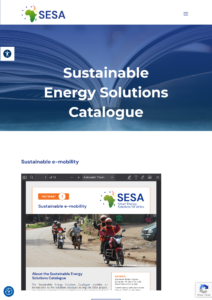
The Sustainable Energy Solutions Catalogue contains a series of briefs to help stakeholders plan, fund and implement projects related to: sustainable e-mobility, productive use of solar energy, second-life lithium-ion batteries, climate proofing sustainable energy solutions, solar mini-grids, the water-energy-food nexus, circularity and sustainable energy, clean cooking, energy efficiency, and e-waste from off-grid solar solutions.
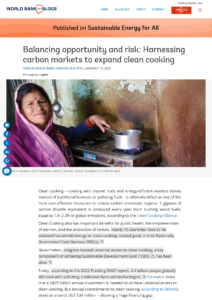
This blog assesses the opportunities of carbon finance to fill financing gaps for clean cooking, and highlights the integrity, reputational and regulatory risks associated with the sale of carbon credits.
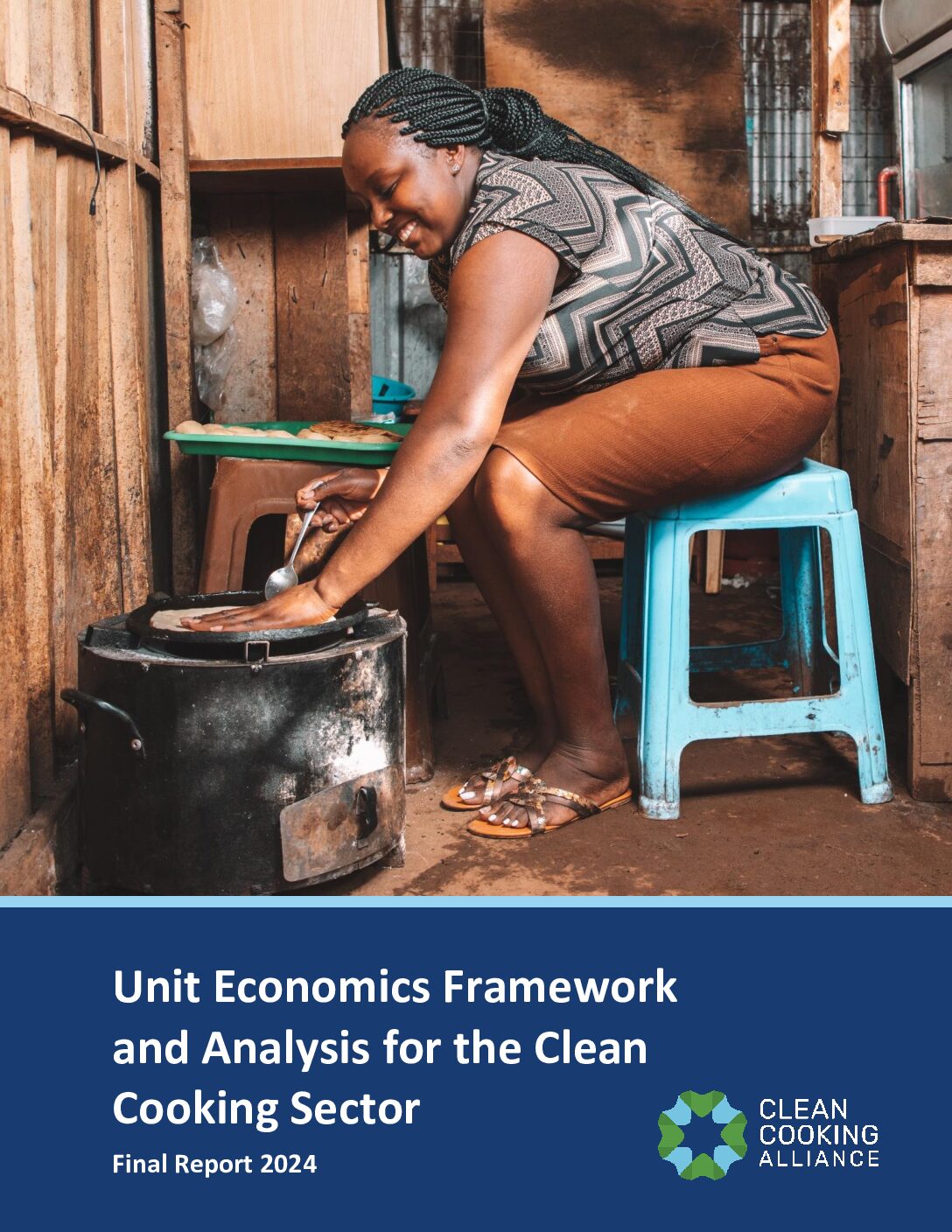
This report highlights evdience on key unit economics drivers for clean cooking, with the aim to better articulate the value of clean cooking, reduce transaction costs, support actors across the ecosystem to capitalize on commercial and impact opportunities, and ultimately unlock more investment capital for the sector.