
This report provides baseline data on women’s employment in renewable energy, as well as information on barriers to gender equality and recommendations to close gender gaps.
This report analyses gender biases in renewable energy companies in Latin America.
This report provides baseline data on women’s employment in renewable energy, as well as information on barriers to gender equality and recommendations to close gender gaps.
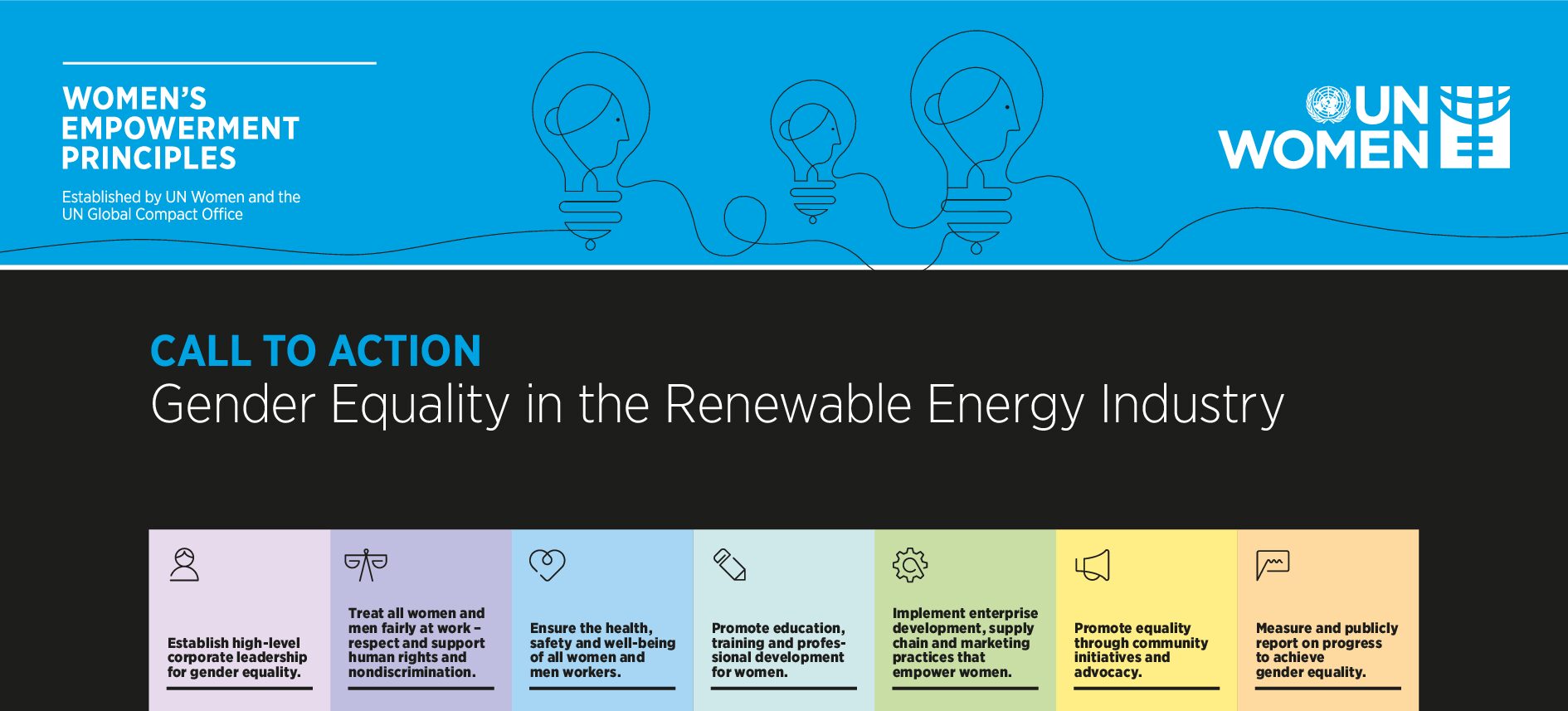
This UN Women brief explains why and how gender equality should be promoted in the renewable energy industry.
This report shares good practices in advancing women’s economic empowerment in the workplace, the marketplace and the community.
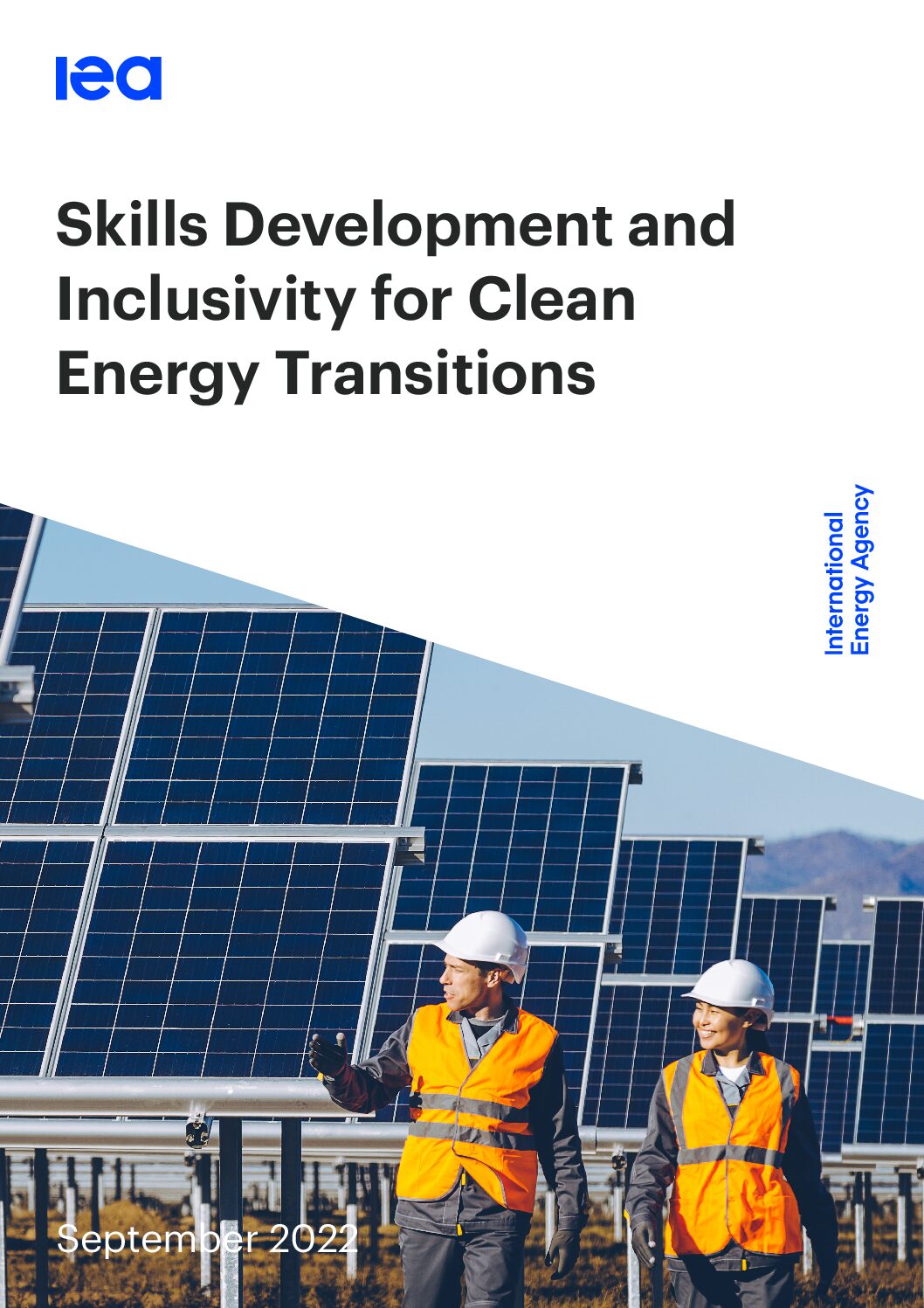
This report compiles a collection of case studies from around that world that showcase programmes designed to address skills development of workforces for energy transitions.
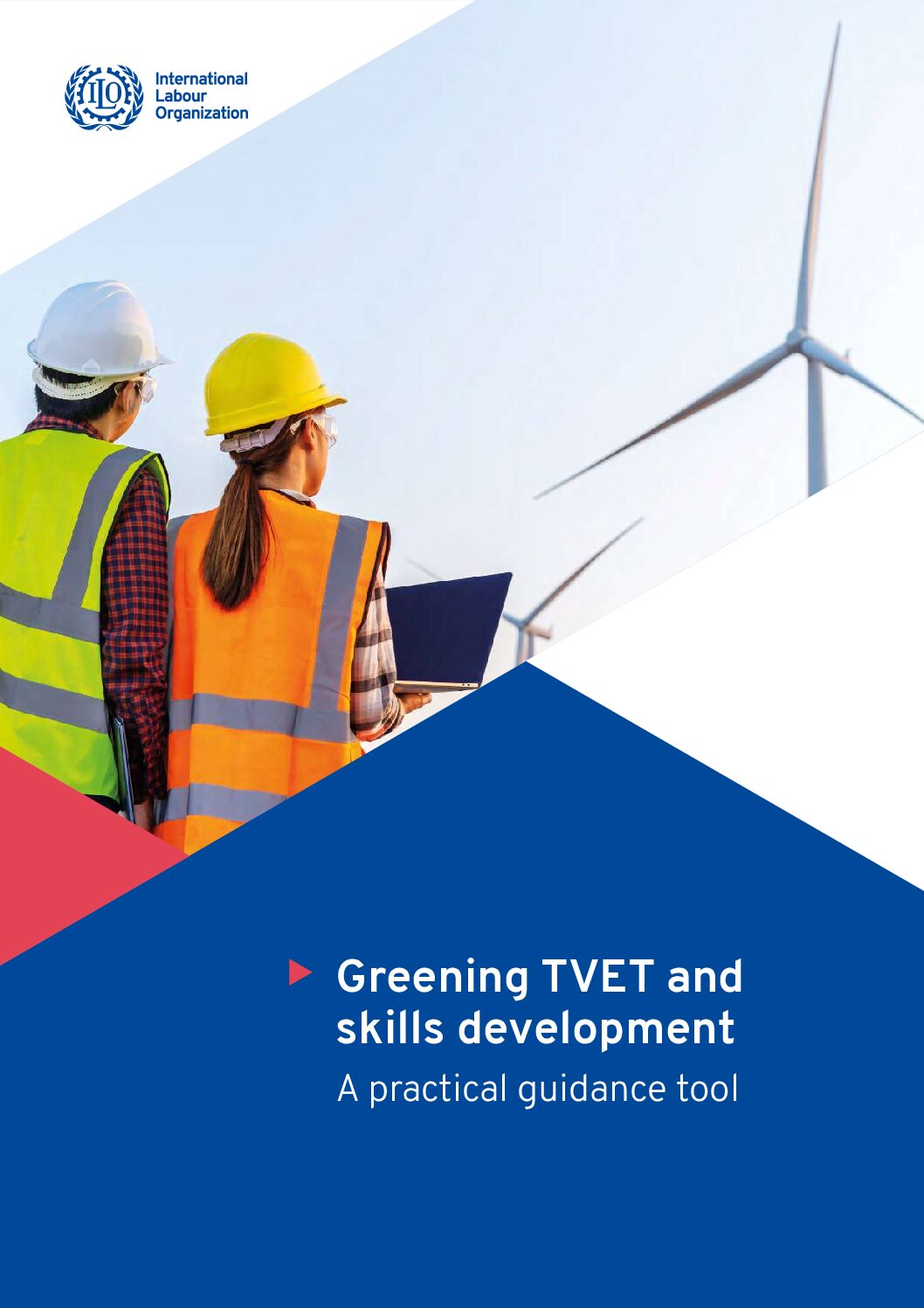
The tool provides “how-to” guidance on designing competency standards and curricula for greener jobs, adapting training delivery and assessments to support greener learning, adapting practices to maintain a greener campus, greening the professional development of teachers and in-company trainers, and sensitizing enterprises.
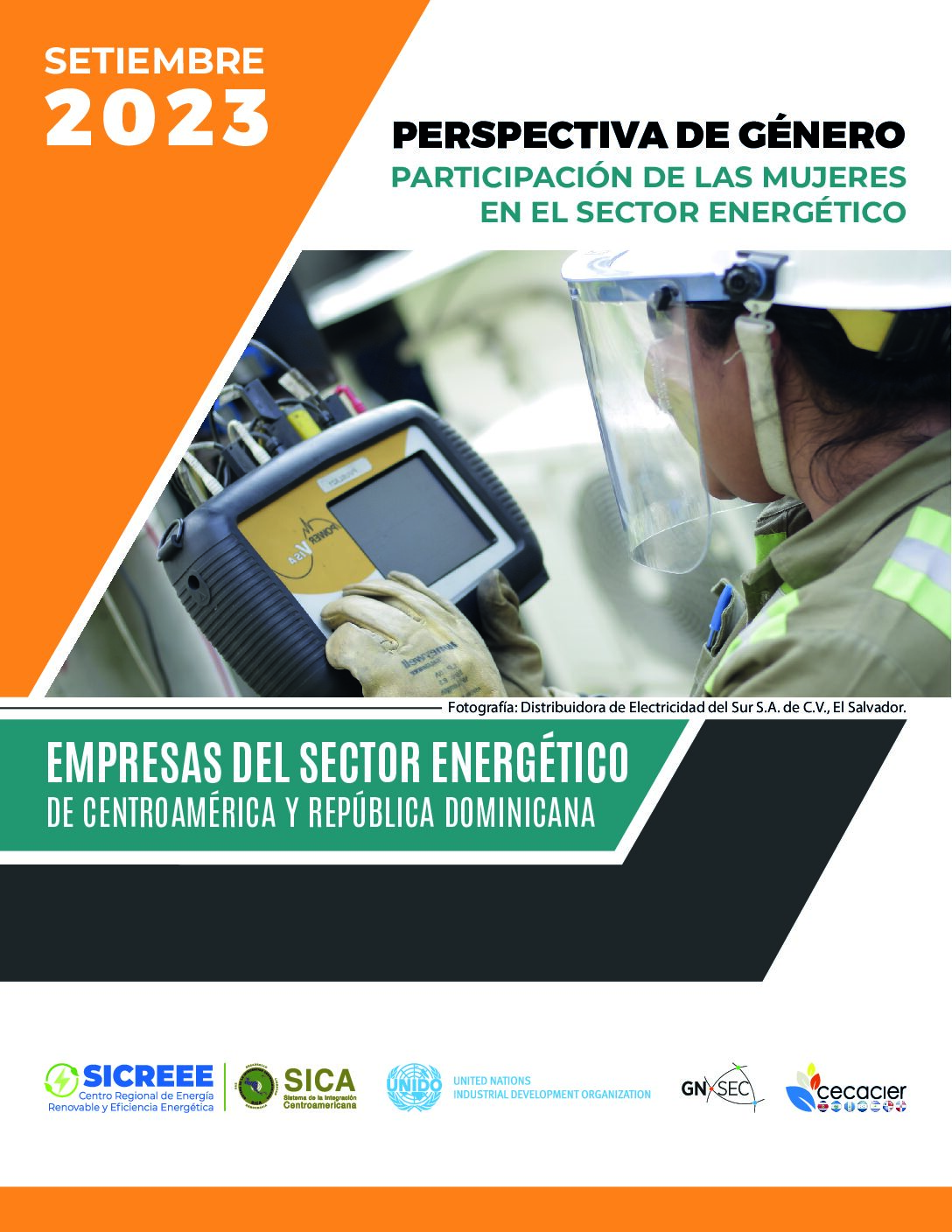
This report presents results of a gender equality survey conducted in 2022 among energy companies in SICA countries, and compares them to a baseline from 2019.
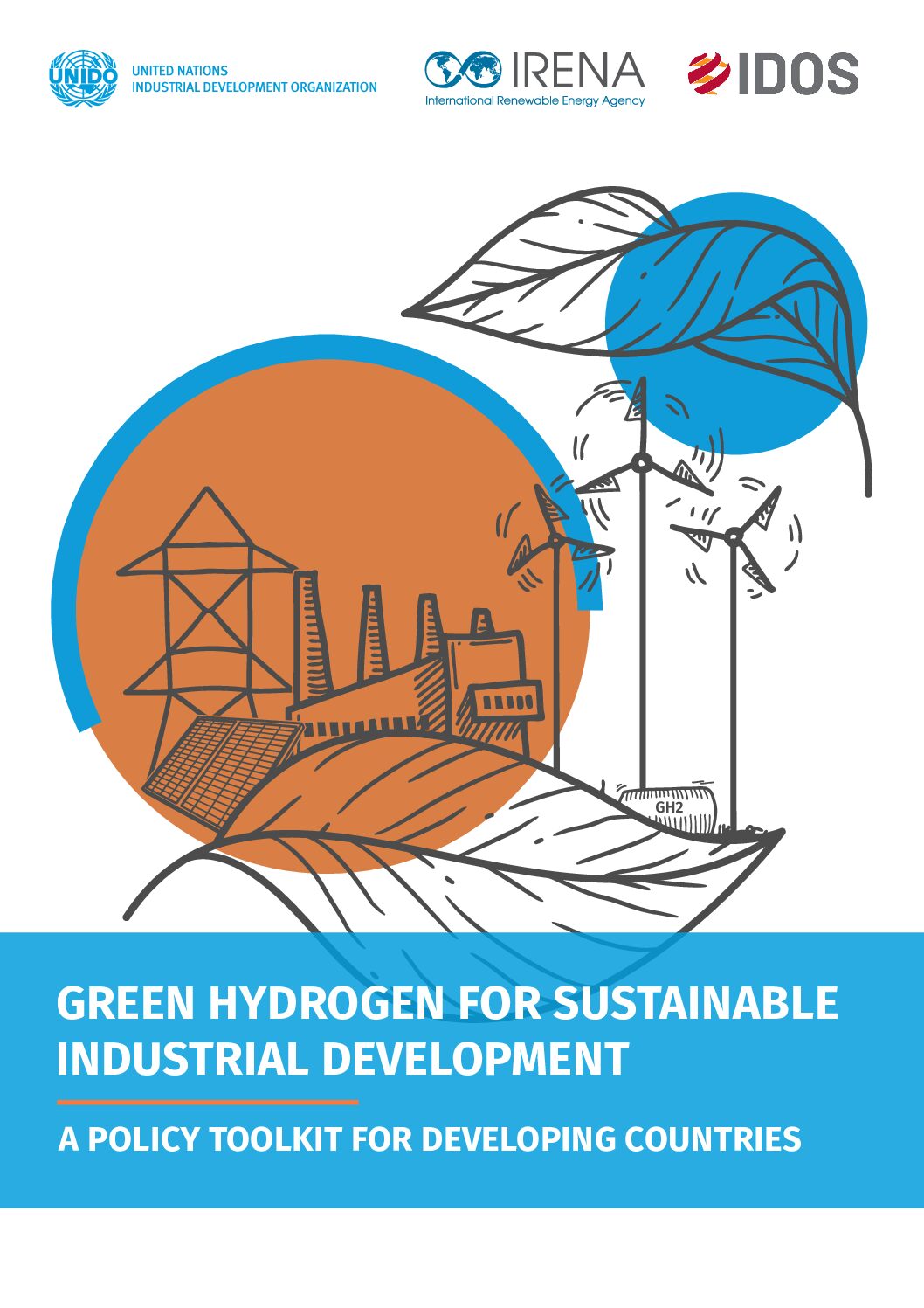
This report challenges the prevailing narrative that green hydrogen is primarily a product for export from renewable-rich and industry-poor countries; rather, it underscores green hydrogen’s potential as a catalyst for sustainable development within developing countries that can contribute to economic growth, environmental sustainability and social progress.
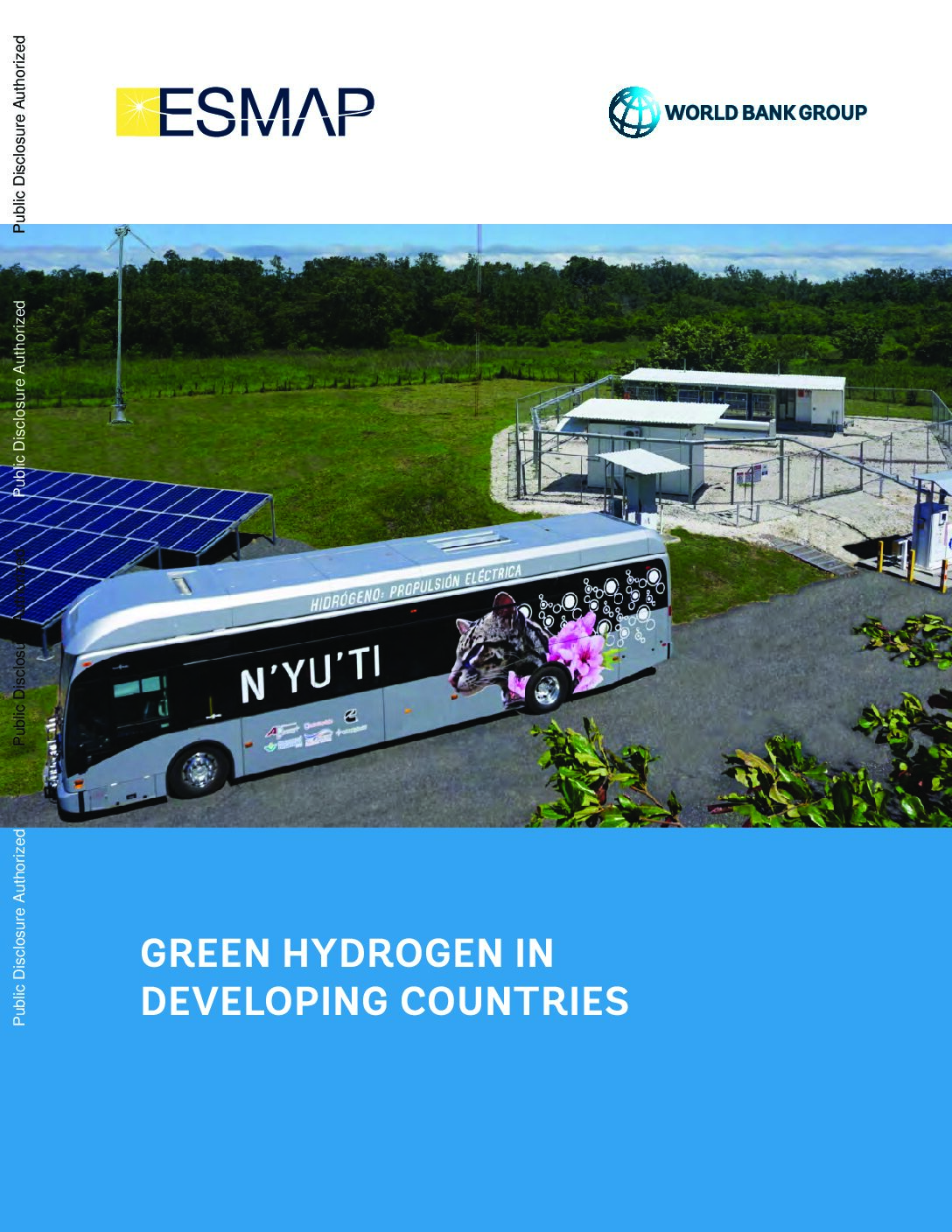
This report focuses on how green hydrogen and fuel cell technologies could be initially rolled out in developing countries by presenting a series of applications that could be initially deployed in some locations and later scaled up.