
This report assesses the effectiveness of women in energy networks worldwide and offers best practices and recommendations for networks under development or those aiming to enhance their impact.
This report provides baseline data on women’s employment in wind energy, as well as information on barriers to gender equality and recommendations to close gender gaps.
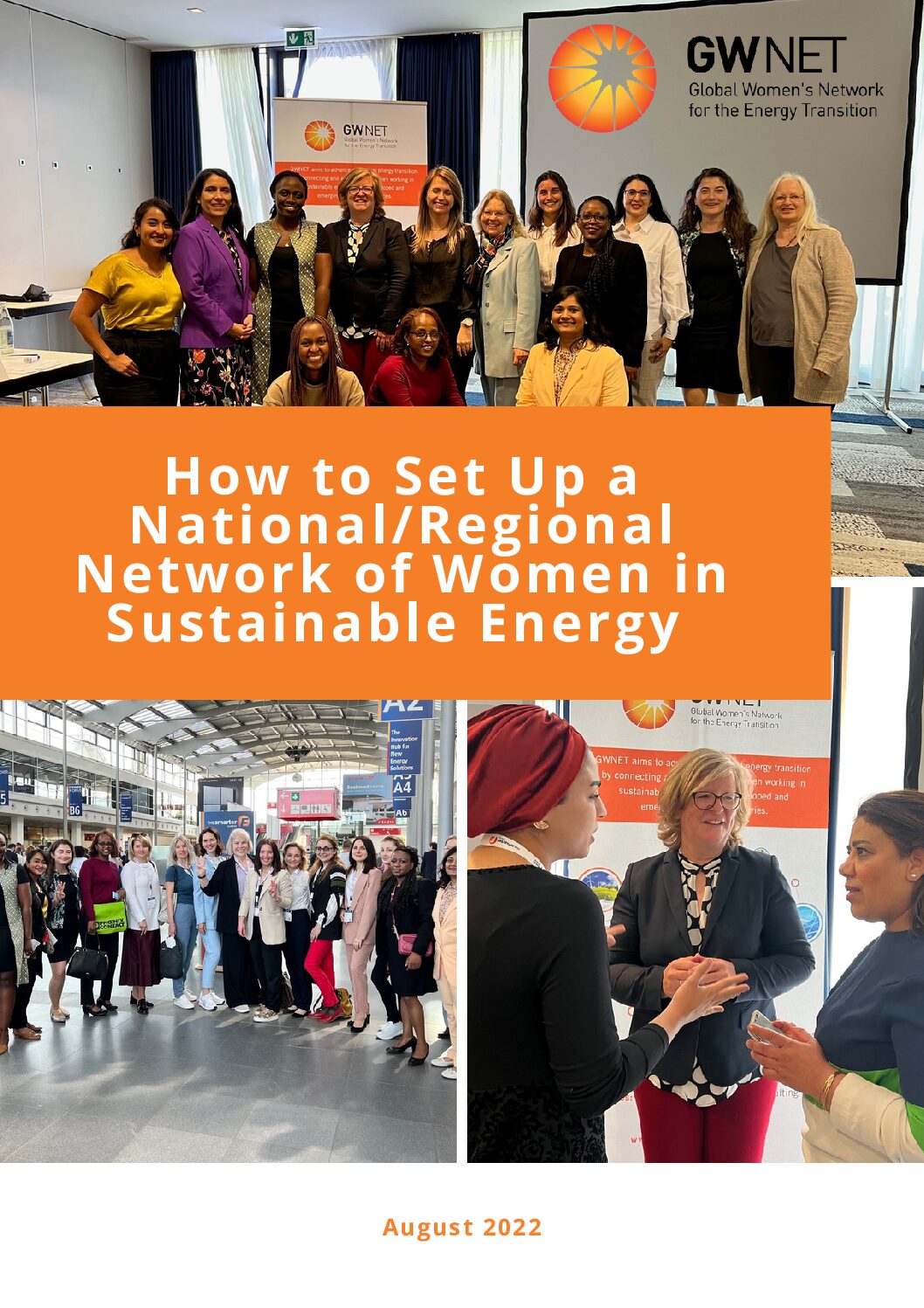
This guide provides principles and step-by-step instructions for the establishment of regional/national networks for women working in energy
This is a network of women in renewable energy in the Dominican Republic. It has published several reports and organises events on gender equality in the national energy sector.
This web portal provides an extensive introduction into the Bolivian renewable energy sector, policy, financing and more.
This report presents the experiences of competitive processes for the incorporation of non-conventional renewable energies in LAC, especially solar PV and wind energy. It provides an analysis of the strategies and structures that have been used, the legal frameworks that enabled them and a database of outcomes.
This report brings together the latest data and information on batteries from around the world, including recent market developments and technological advances. It also offers insights and analysis on leading markets and key barriers to growth, and identifies synergies and potential bottlenecks across different sectors and parts of the supply chain.
This report investigates opportunities to reduce consumption of scarce raw materials by recycling metals and other resources from energy technologies such as wind turbines, solar PV panels and batteries.
This study identifies advances in PV recycling technology that have the potential to be affordable, technically feasible, and environmentally responsible.
This paper focuses on strategies, policies, and programs that industry and government can develop to ensure that supply chains for EVs and their batteries are secure, circular, and reduce the need for mining virgin minerals, thus reducing adverse impacts on the planet and its people.