
This is a network of women in renewable energy in the Dominican Republic. It has published several reports and organises events on gender equality in the national energy sector.
Institutions all over the world are setting up microcredentials in responses to calls from governments and industry: short courses, usually offered online by accredited institutions, with an emphasis on the needs of the workplace. They are also often used for retraining and upskilling. This book explains how to start offering microcredentials as an academic institution.
This guide aims to accelerate the flexibility and responsiveness of learning systems by providing guidance on the design, issue and recognition of micro-credentials.
This web page highlights the role of buildings in the energy transition (heating, cooling, lighting, etc), and presents data and recommendations.
This paper underscores the need for sustainable utilities to deliver the energy transition in lower- and middle-income countries, and provides recommendations to governments and other stakeholders.
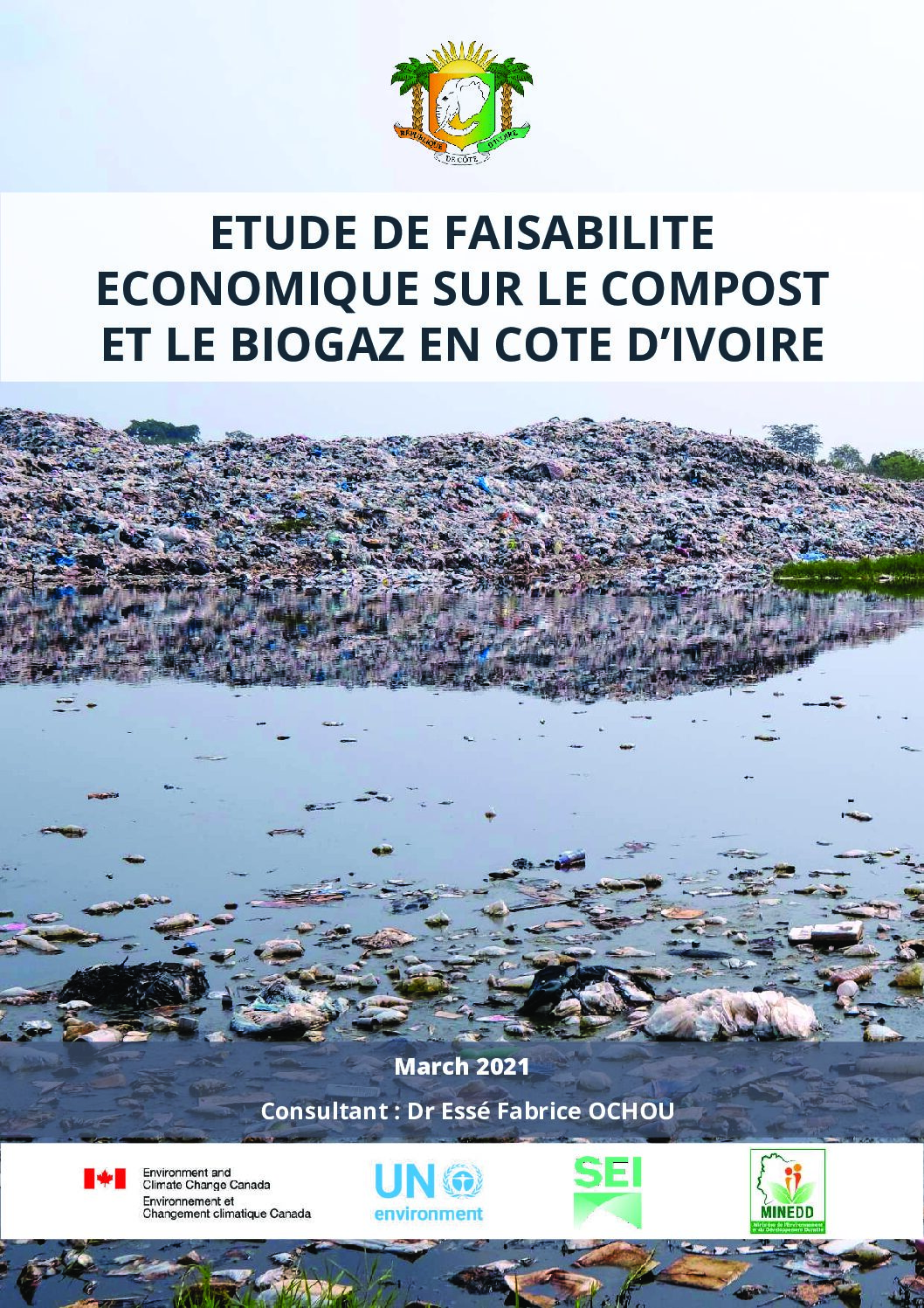
This feasibility study describes the institutional framework for waste management in Côte d’Ivoire, presents a baseline on compost and biogas value chains, and provides a feasibility assessment based on economic models.
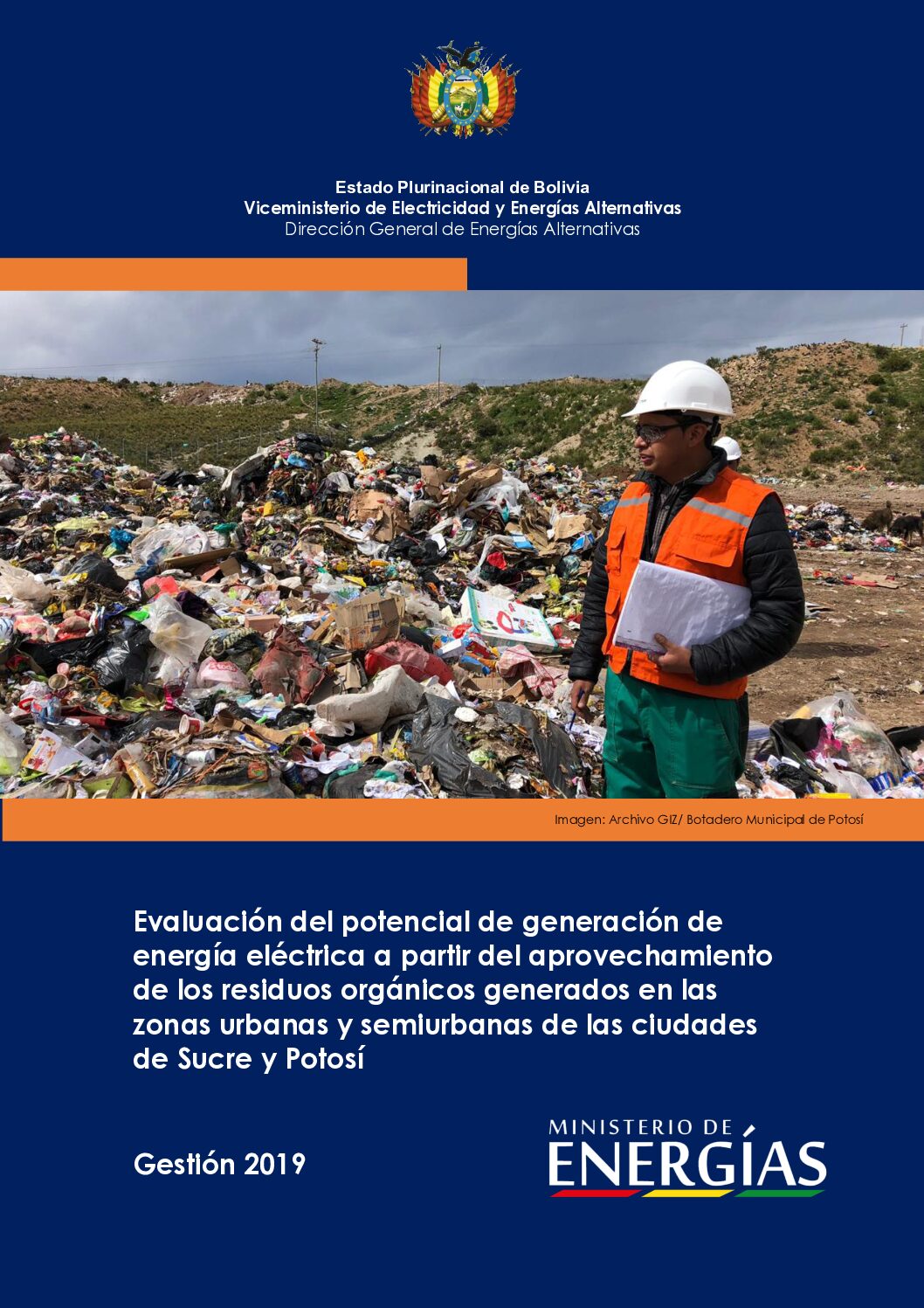
This study quantifies the potential of producing biogas based on organic waste in two municipalities in Bolivia.
This report investigates opportunities to reduce consumption of scarce raw materials by recycling metals and other resources from energy technologies such as wind turbines, solar PV panels and batteries.
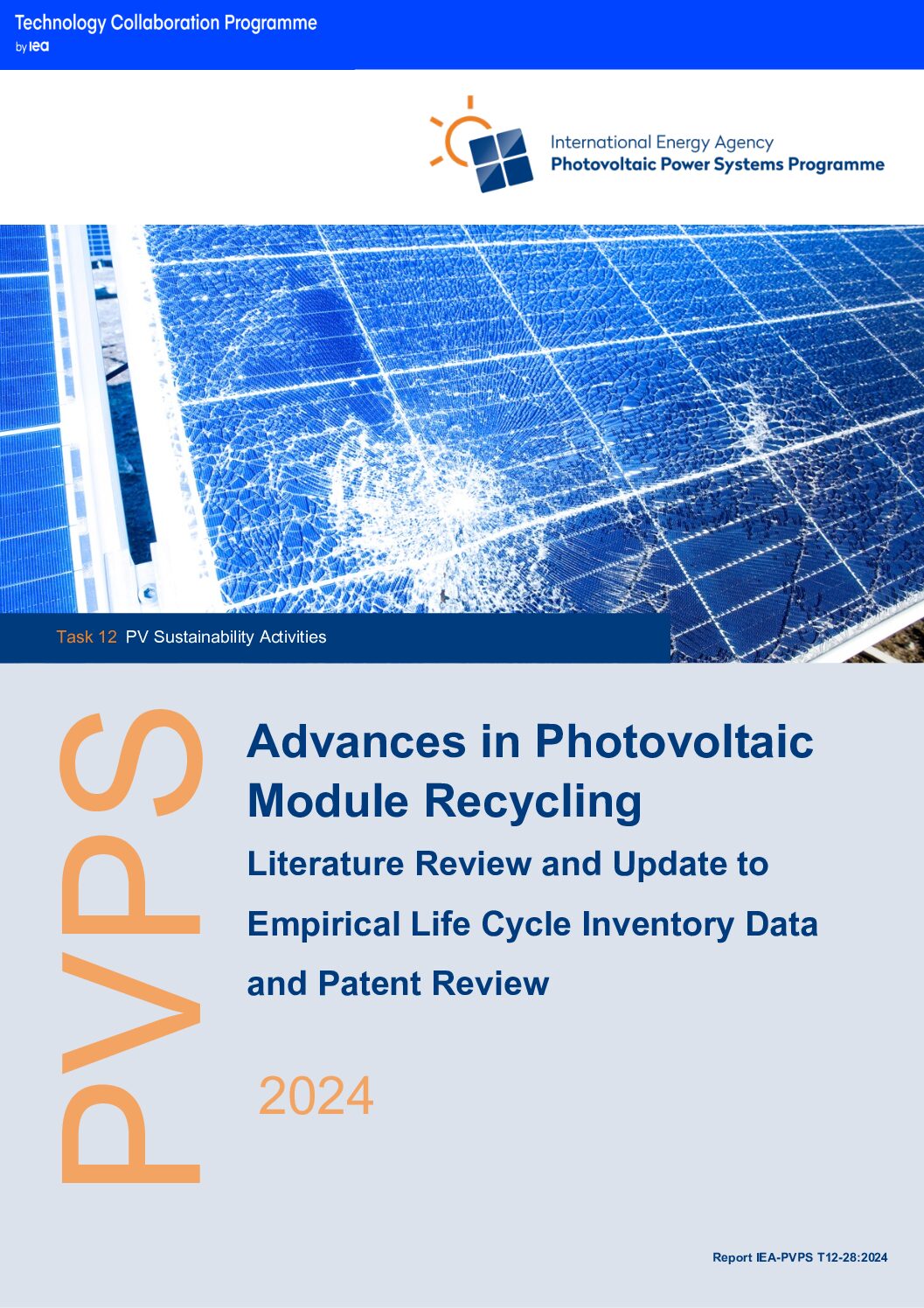
This study identifies advances in PV recycling technology that have the potential to be affordable, technically feasible, and environmentally responsible.
This paper presents a value chain approach to identify priority areas for developing national hydrogen strategies, focussing on emerging and developing economies.