
This guide addresses the challenges faced by rural energy enterprises in developing countries, and sets out solutions such as business models offering cooking energy as a service.
This is an example of a regional capacity building strategy based on a comprehensive needs assessment.
This web portal provides an extensive introduction into bioenergy technology, policy, financing and more.
This report compiles a collection of case studies from around that world that showcase programmes designed to address skills development of workforces for energy transitions.
The tool provides “how-to” guidance on designing competency standards and curricula for greener jobs, adapting training delivery and assessments to support greener learning, adapting practices to maintain a greener campus, greening the professional development of teachers and in-company trainers, and sensitizing enterprises.
This action plan, developed with support from ECREEE, lays out the bioenergy strategy of Côte d’Ivoire for 2021-2030. It includes an extensive background and context section, as well as strategic priorities and measures to promote these.
This memo summarises the methodology and results of a study of the climate vulnerabilities of Latin American energy systems, and highlights some adaptation measures.
This report highlights the economic, social and environmental benefits that energy and transport sector-coupling and a transition towards EV- and RE-based, efficient systems can create in small island settings, and provides tools for the planning of such a transition.
This brief presents the regulatory framework and country context for waste-to-energy projects in Côte d’Ivoire.
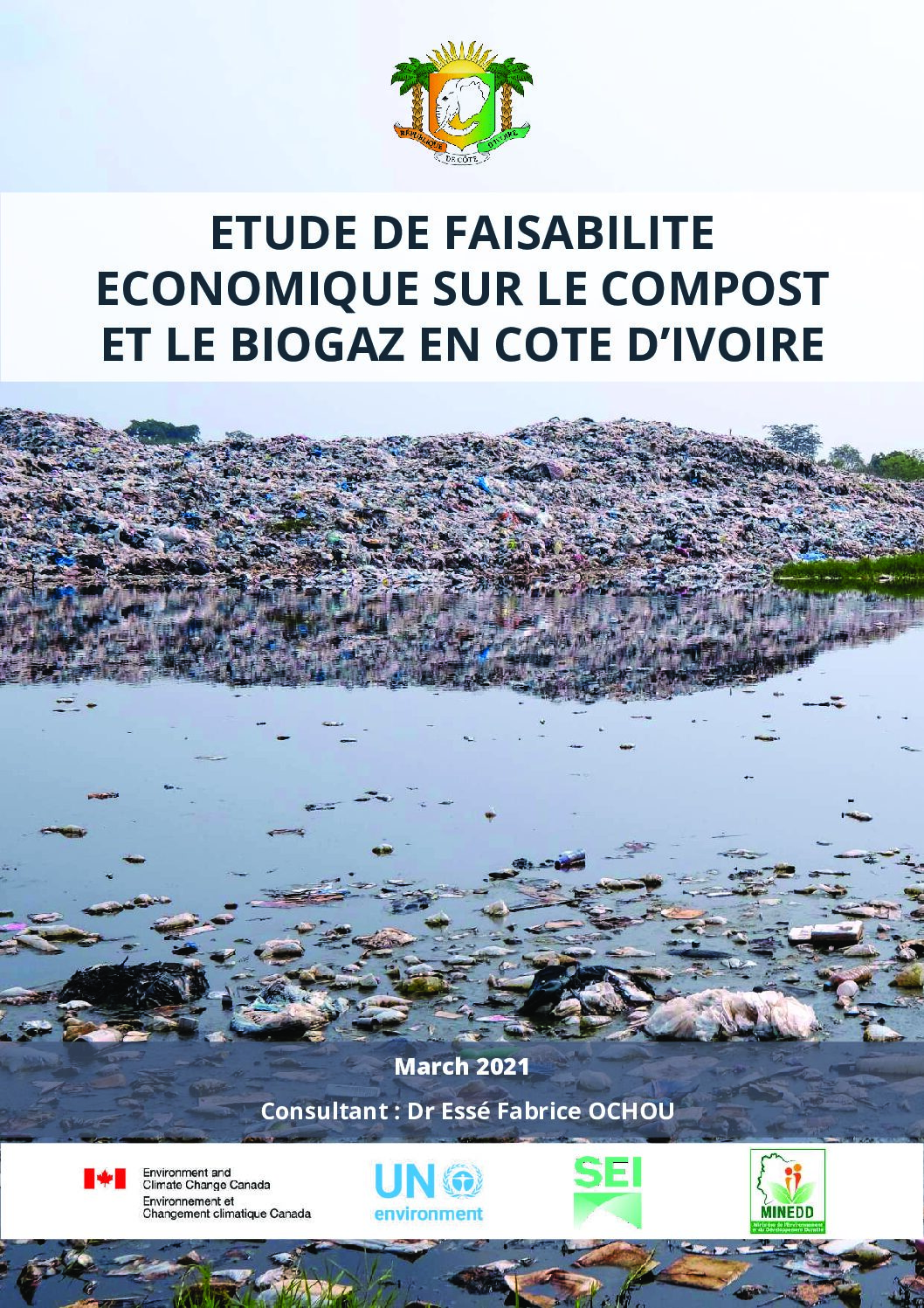
This feasibility study describes the institutional framework for waste management in Côte d’Ivoire, presents a baseline on compost and biogas value chains, and provides a feasibility assessment based on economic models.