
This explainer by the German Heinrich Böll Foundation provides a quick overview of green hydrogen, the way it is produced, the role it can play in the energy transition, and the main challenges.
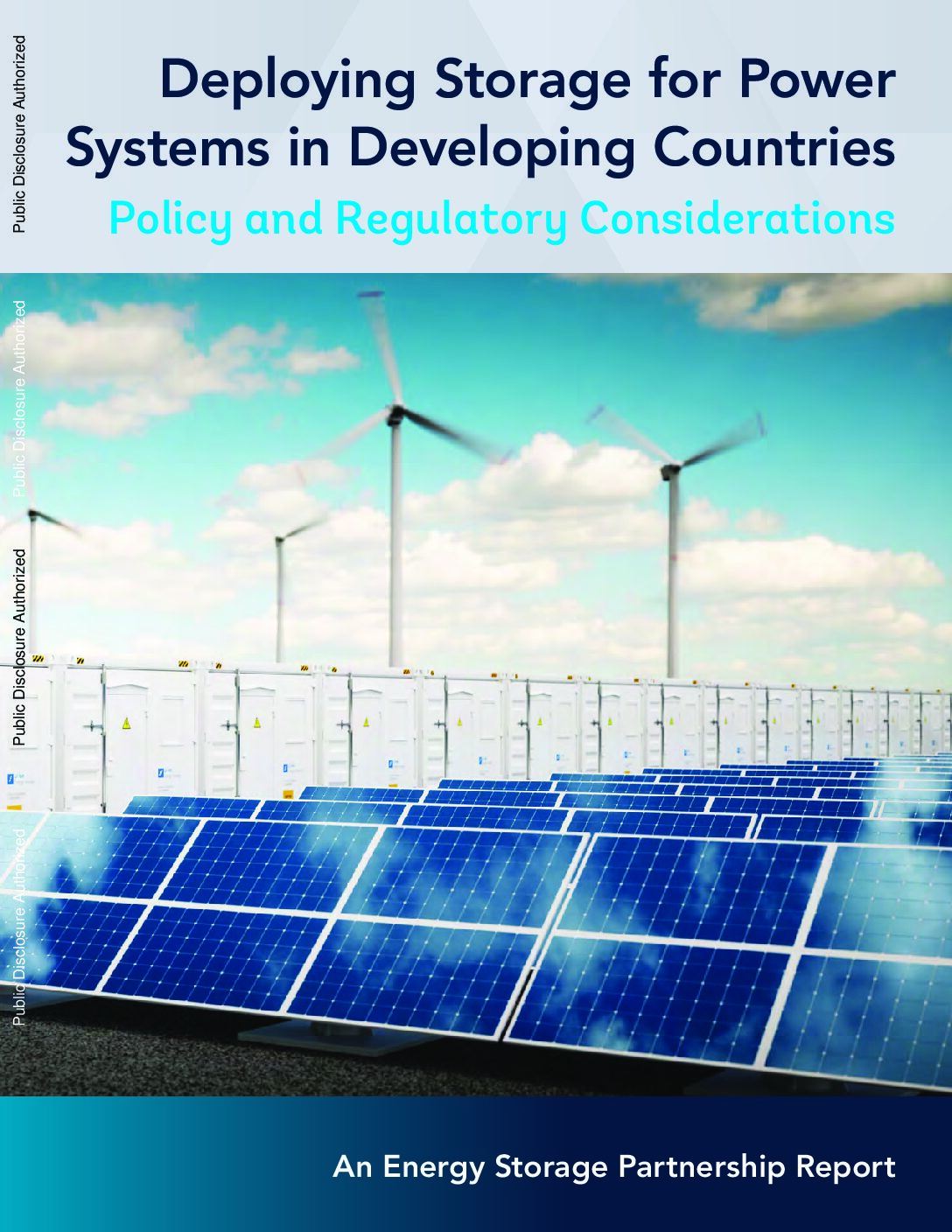
This World Bank report by the Energy Storage Partnership provides advice on enabling policy and regulatory environments to attract investment in grid-scale energy storage projects in developing countries.

This report investigates different models for the deployment of e-bike fleets and charging/swapping infrastructures in sub-Saharan Africa. It highlights the potential advantages of battery swapping for riders, highlights emerging best practice for Batteries as a Service, and provides recommendations on policy, regulation and financing to support uptake of e-motorcycles and the growth of BaaS in … Continue reading “Charge Up! Battery-as-a-service: A pioneering business model for driving the e-mobility transition in Africa”
Institutions all over the world are setting up microcredentials in responses to calls from governments and industry: short courses, usually offered online by accredited institutions, with an emphasis on the needs of the workplace. They are also often used for retraining and upskilling. This book explains how to start offering microcredentials as an academic institution.
This guide aims to accelerate the flexibility and responsiveness of learning systems by providing guidance on the design, issue and recognition of micro-credentials.
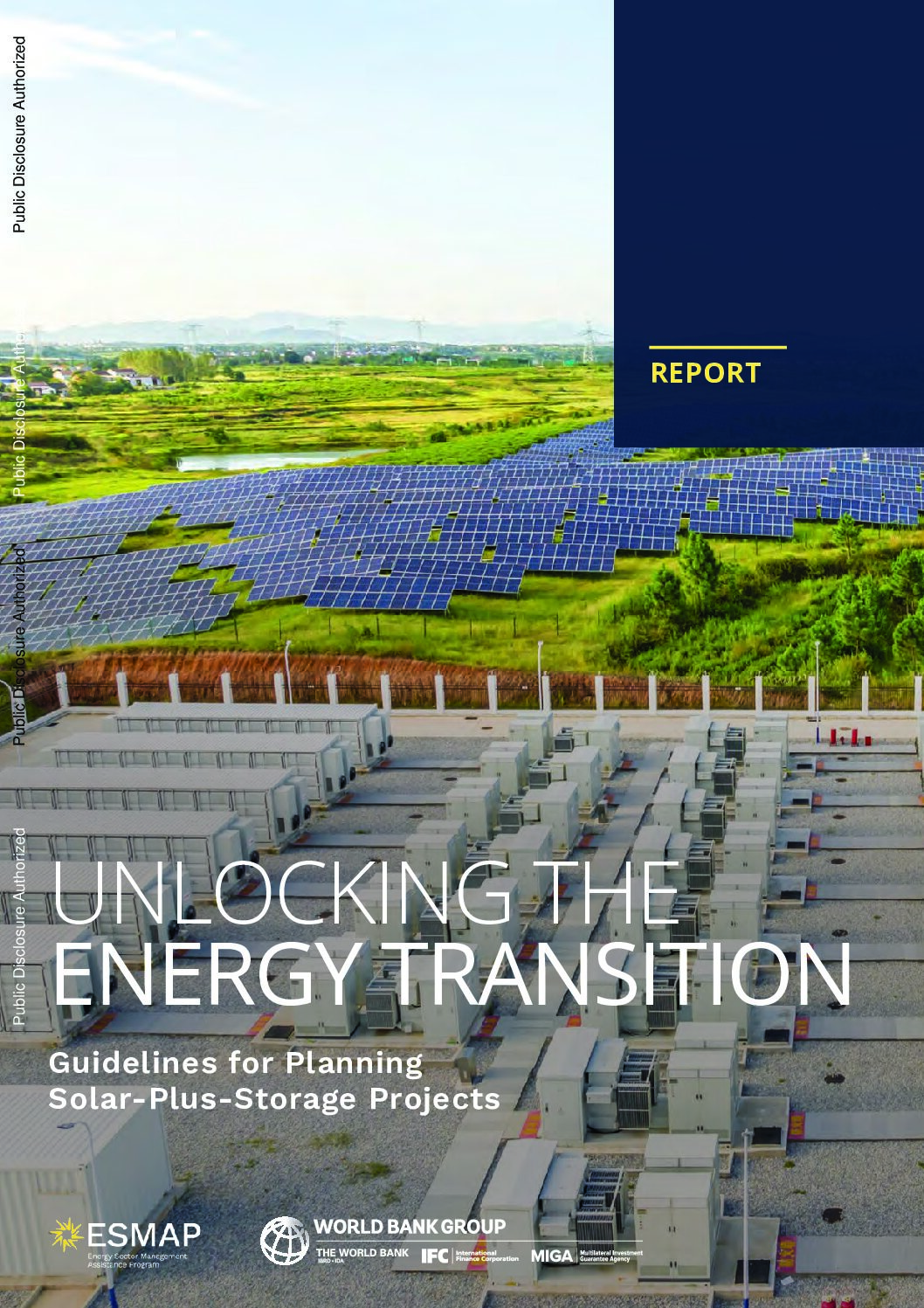
This report outlines how modern battery energy storage systems can be effectively deployed and alleviate the variability of renewables. It also includes a Power Purchase Agreement template that can serve as a practical tool to bring private sector investments in the power sector.
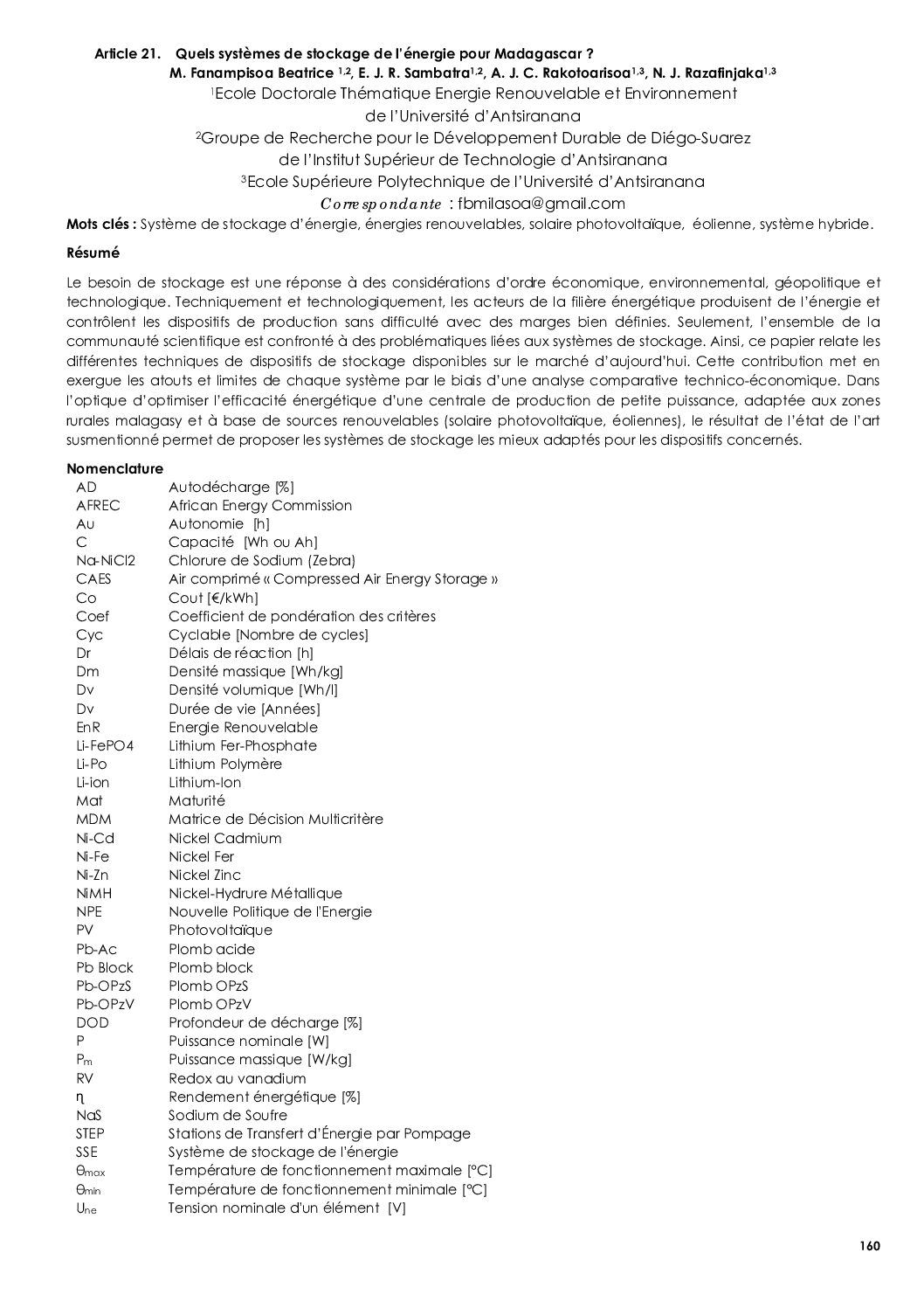
This paper reports on the different storage techniques available on the market today and highlights the strengths and limitations of each system.
This report challenges the prevailing narrative that green hydrogen is primarily a product for export from renewable-rich and industry-poor countries; rather, it underscores green hydrogen’s potential as a catalyst for sustainable development within developing countries that can contribute to economic growth, environmental sustainability and social progress.
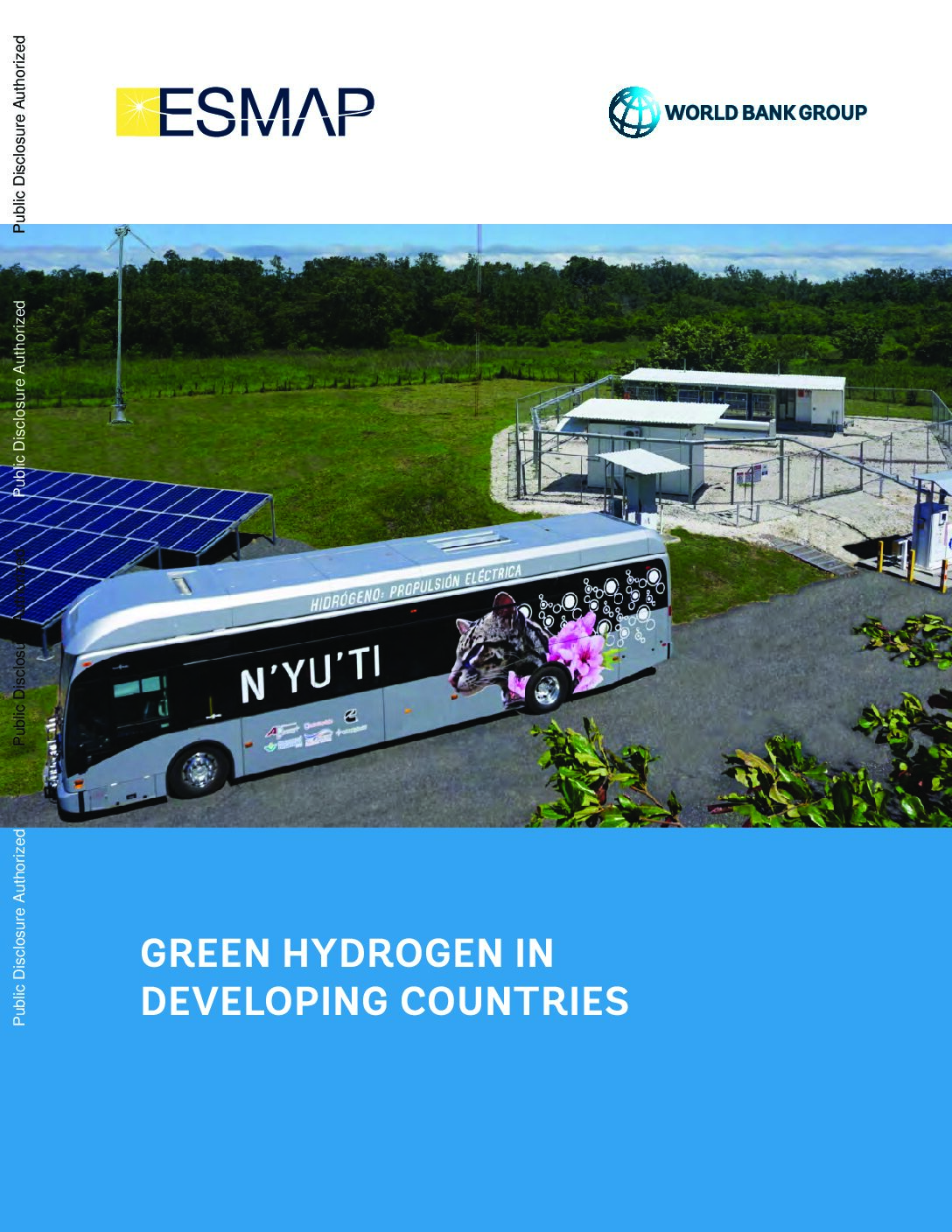
This report focuses on how green hydrogen and fuel cell technologies could be initially rolled out in developing countries by presenting a series of applications that could be initially deployed in some locations and later scaled up.
This paper presents a value chain approach to identify priority areas for developing national hydrogen strategies, focussing on emerging and developing economies.