
The is comprehensive course is intended for energy statisticians working at national statistical offices and ministries in charge of energy.
This paper underscores the need for sustainable utilities to deliver the energy transition in lower- and middle-income countries, and provides recommendations to governments and other stakeholders.
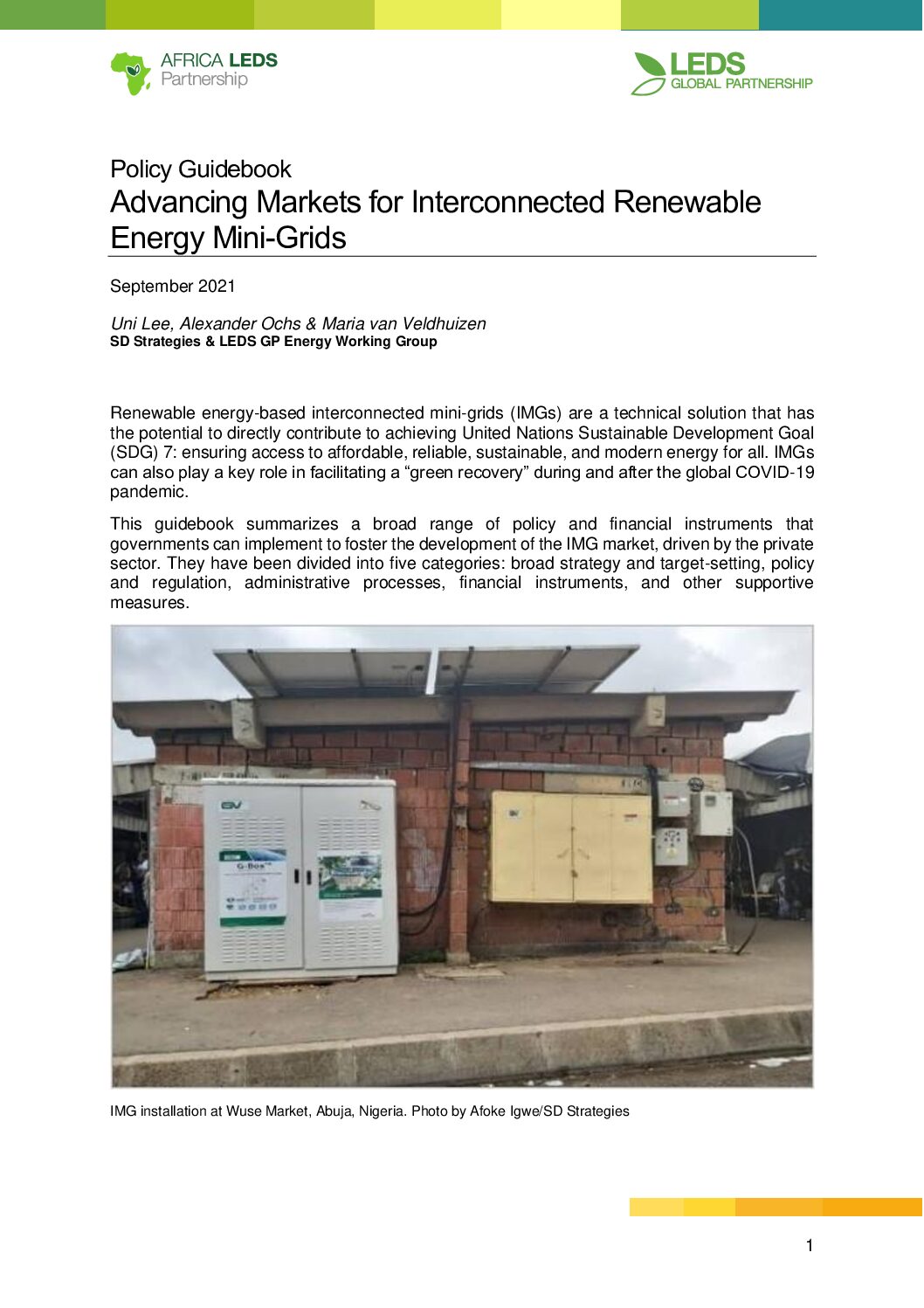
This guidebook summarizes a broad range of policy and financial instruments that governments can implement to foster the development of the interconnected mini-grid market, driven by the private sector.
This database presents the current status, policy barriers, and key innovations for electrification of mobility, heating and cooling, and hydrogen production.
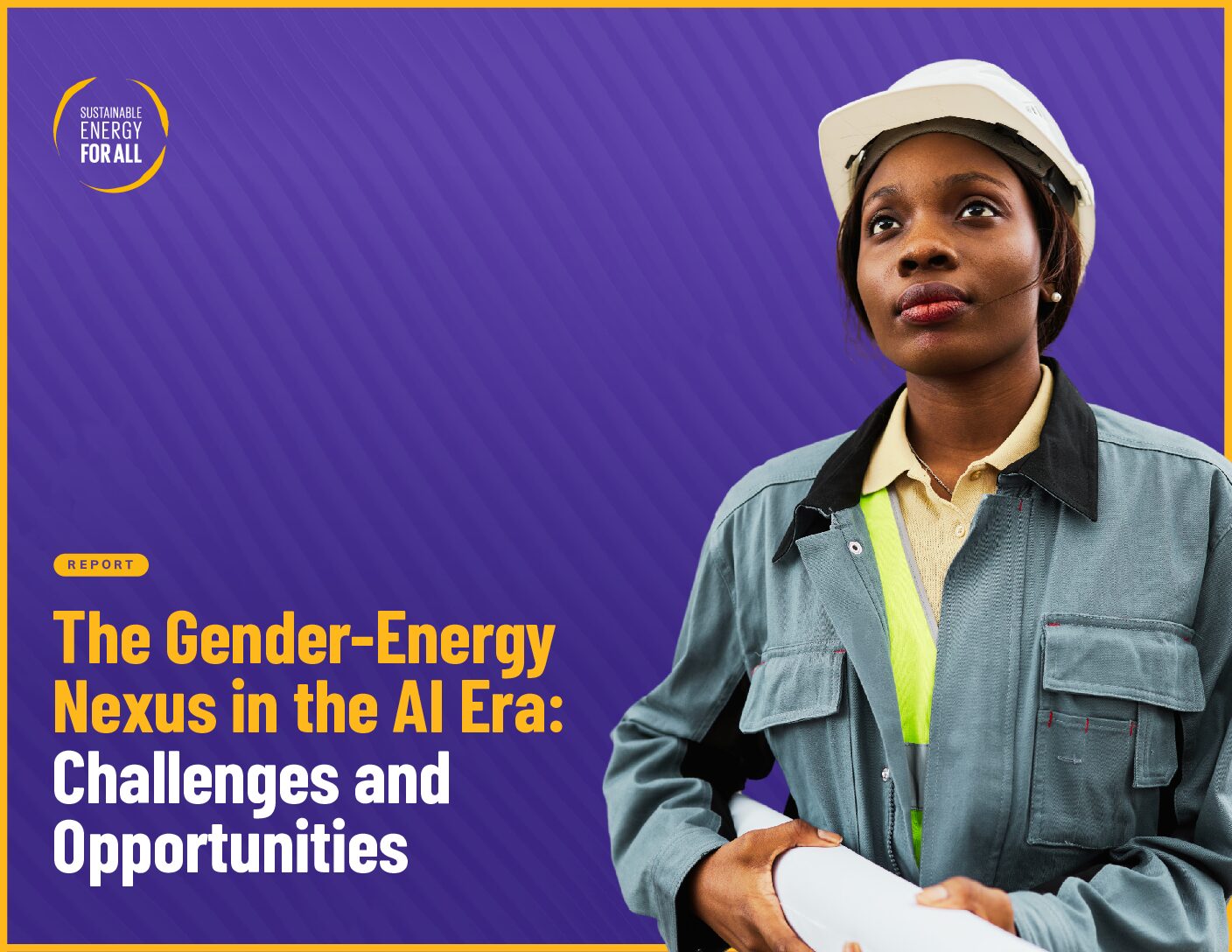
This report explores the critical intersections of AI development, gender equality and energy transitions, emphasizing how AI applications can advance a sustainable, equitable and just energy transition.
This brief describes policy options for the decarbonisation of heavy industry, both for improved material efficiency and for electrification.
These guidelines provide advice on the development of green hydrogen clusters, which are industrial clusters that share green hydrogen and renewable energy for various purposes and can significantly contribute to industrial decarbonisation.
This brief describes the balance required in effective green industrial policies across three dimensions: consumption-centred, production-centred, and innovation.
The Green Steel Tracker aims to support decision makers in policy and industry, academia as well as civil society, by tracking public announcements of low-carbon investments in the steel industry and presenting them transparently in one place.
The Roadmap Planner is an interactive tool that supports decision-makers in public and private sectors to design, develop, and implement industry transition roadmaps. From the set-up and design to monitoring and evaluation, the Roadmap Planner guides users step by step through different phases of creating decarbonization roadmaps for transitioning industry sectors.