
The Climate Policy Initiative undertakes an annual mapping exercise of climate finance, investigating the sources, types and destinations of climate finance.
This briefing to the United Nations Commission on the Status of Women shows that climate finance flows remain largely exclusionary to women and girls. One of the reasons is that most climate finance is provided as loans, which are less accessible to women. It recommends different ways in which financing institutions can guarantee greater access … Continue reading “Gender-responsive climate finance: The key to just climate action and tackling inequalities”
This report by the Energy Transitions Commission estimates the global financing needs for the energy transition and provides a roadmap for how sufficient financing can be raised. It explains how to develop economic policies to unlock investment, recommends actions by the financial sector, and discusses what additional actions will be needed in the Global South.
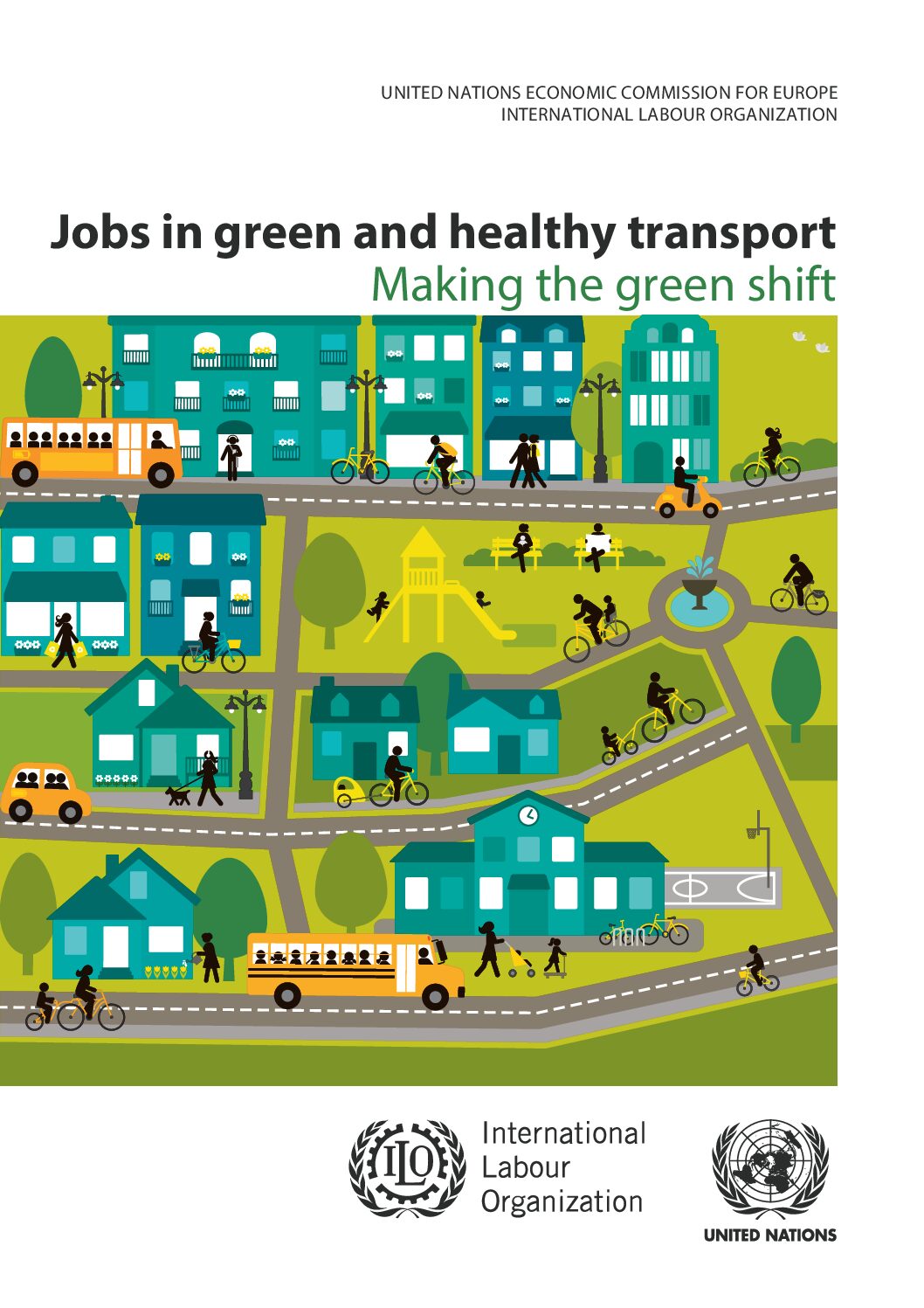
This report by the International Labor Organization investigates the implications for global job creation of four different green transport scenarios, applied to Europe: 1) a doubling in investment in public transport, 2) free public transport, 3) a target that 50% of all vehicles manufactured must be electric, and 4) banning of internal combustion engines for … Continue reading “Jobs in Green and Healthy Transport: Making the shift”
This brief provides an overview and a lot of data and visuals on skills gaps and challenges for Africa’s e-mobility transition. It also suggests possible solutions with respective advantages and disadvantages.
This report by the C40 Cities Climate Leadership Group provides an overview of actions city governments can take to develop an enabling environment for the expansion of EV charging infrastructure, including by working with the private sector and attracting outside investment.
This is the IEA’s annual report assessing recent trends and developments in e-mobility around the world. It looks at the deployment of electric vehicles, the expansion of charging infrastructure, battery demand, investment and policy trends and GHG emissions.
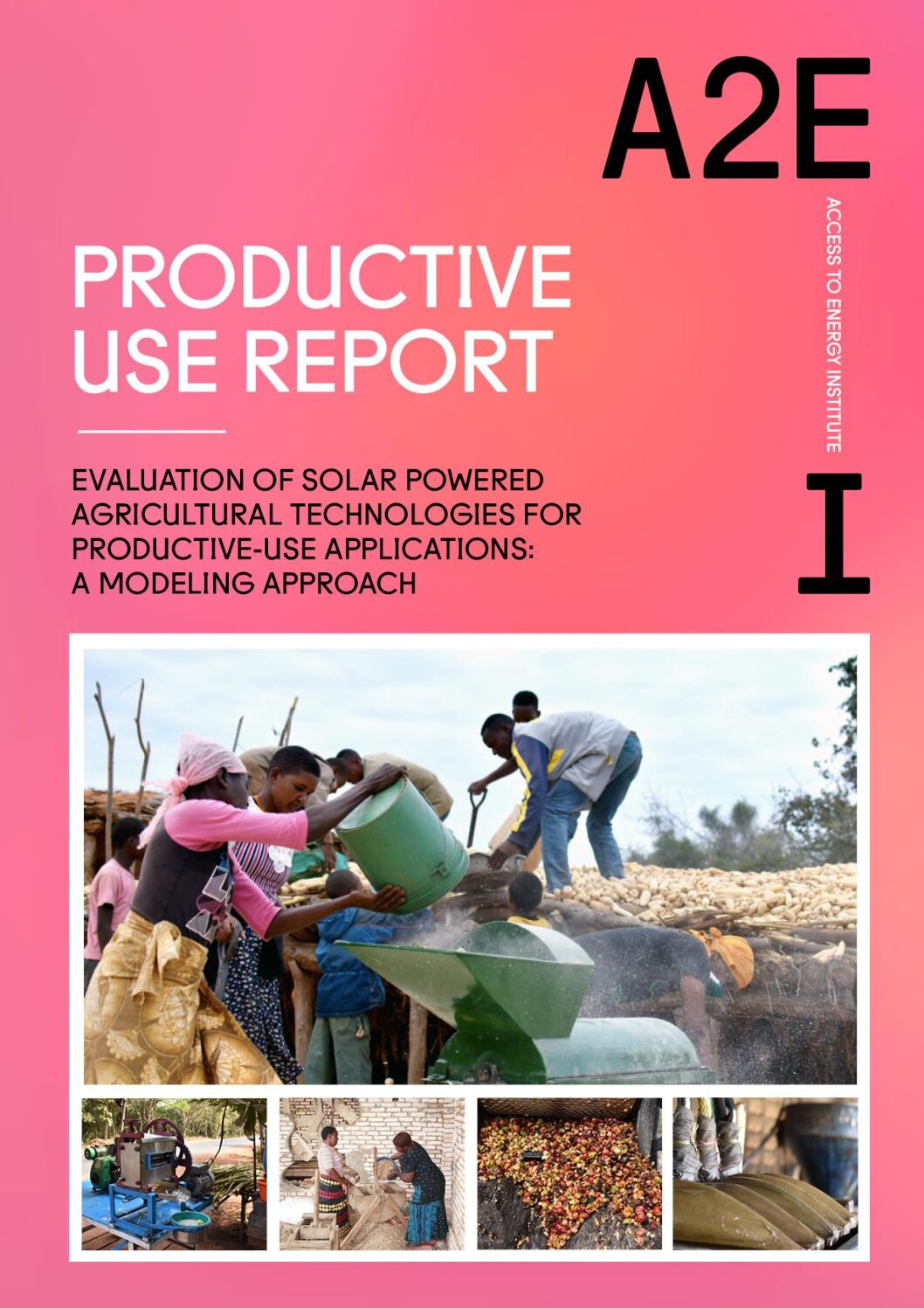
This report uses economic modelling to investigate the viability of ten different productive use applications of solar power in agriculture (oil extraction, maize shelling, rice hulling, fruit juice making, sugar cane juicing, fruit drying, flour milling, peanut shelling and coffee pulping). It investigates each technology in detail and then calculates the profits and other benefits … Continue reading “Productive Use Report – Evaluation of solar-powered agricultural technologies for productive-use applications: A modelling approach”
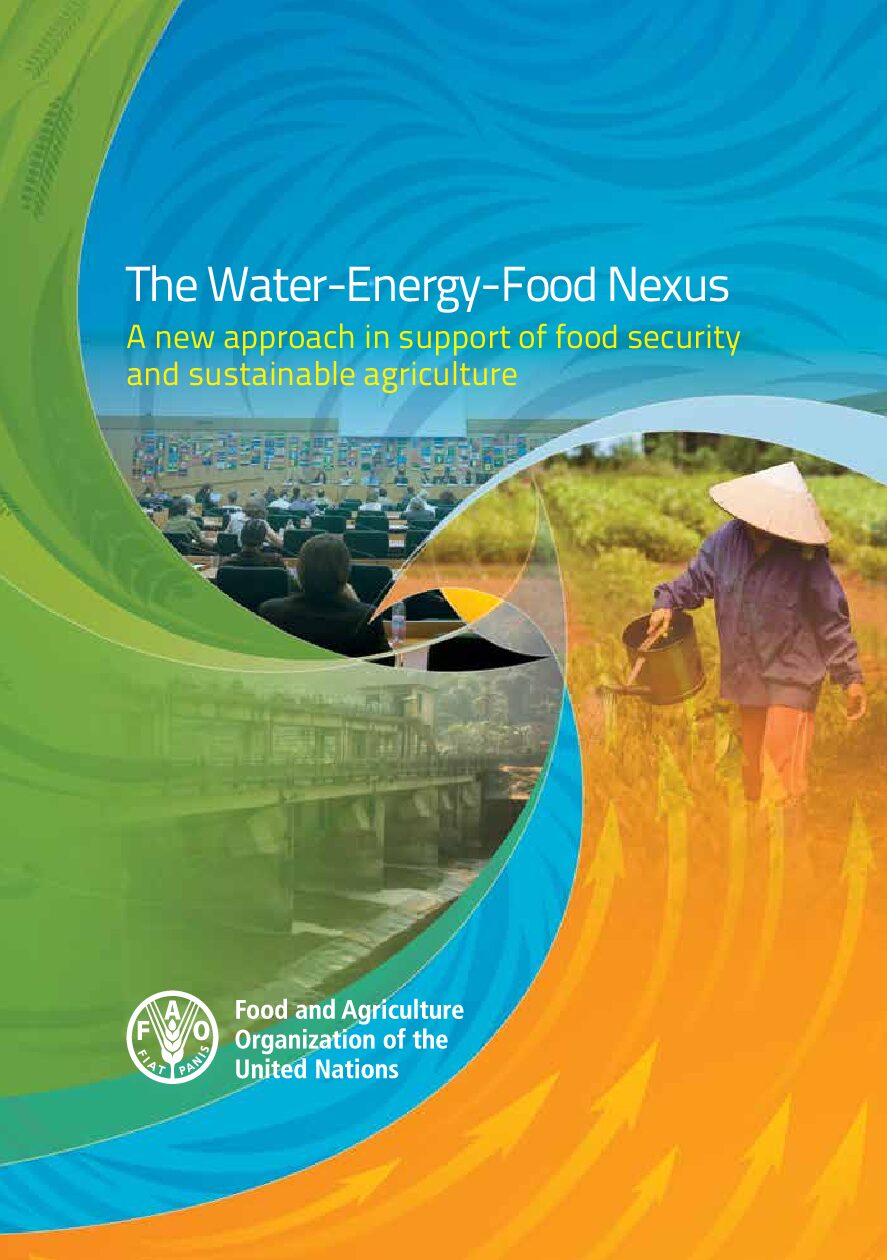
This brief report introduces the concept of the WEF nexus and explains how the FAO has applied the nexus approach in its work, with many case study examples.
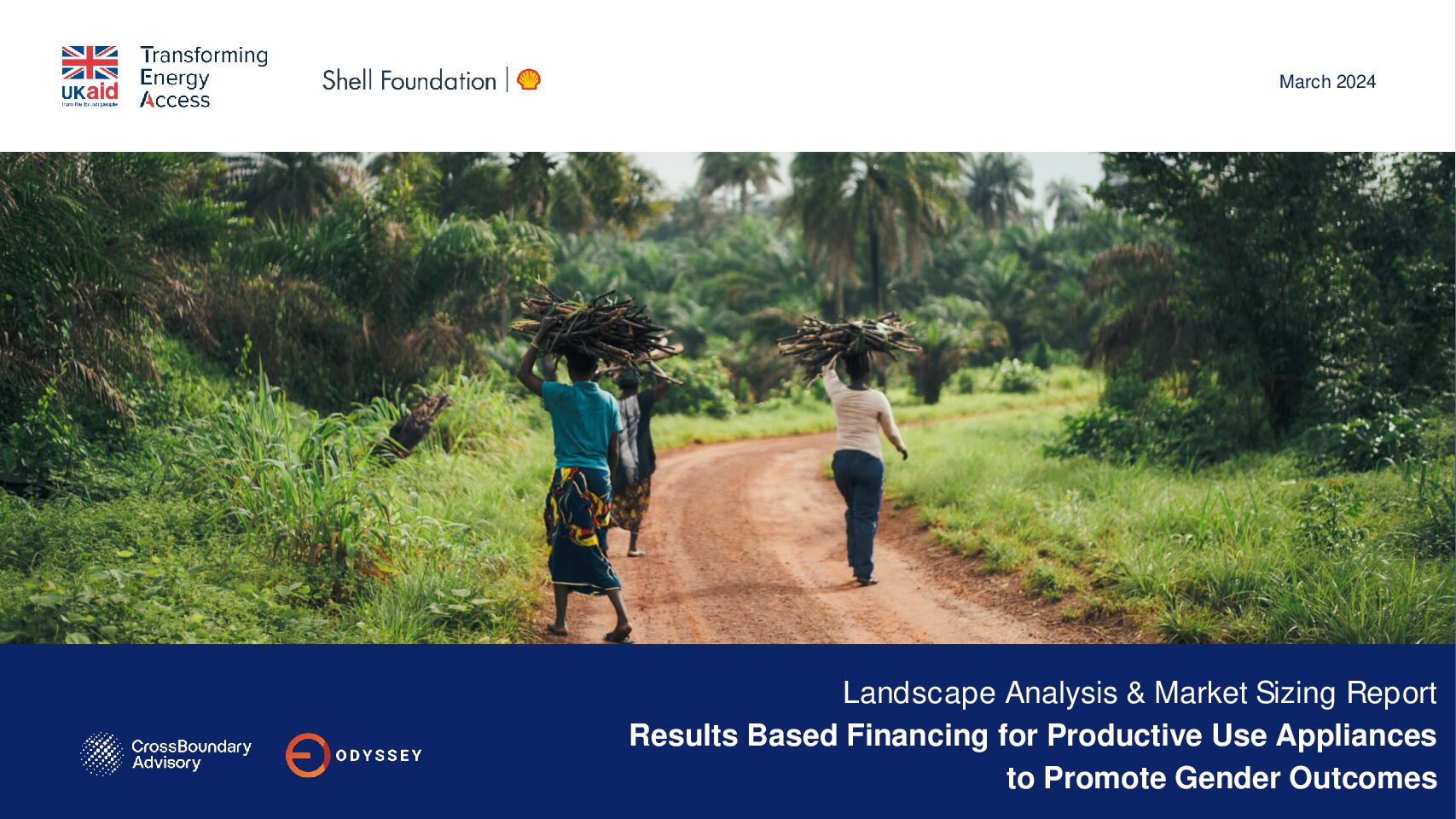
This is a ‘landscape and market sizing report’ developed to inform the design of a gender-responsive results-based financing (RBF) programme for PUE appliances. It investigates the impact of energy access on women, identifies the appliances that generate the greatest benefits for women, summarizes learnings from previous RBF programmes, and estimates the market size for gender-responsive … Continue reading “Results Based Financing for Productive Use Appliances to Promote Gender Outcomes”