
This briefing to the United Nations Commission on the Status of Women shows that climate finance flows remain largely exclusionary to women and girls. One of the reasons is that most climate finance is provided as loans, which are less accessible to women. It recommends different ways in which financing institutions can guarantee greater access … Continue reading “Gender-responsive climate finance: The key to just climate action and tackling inequalities”
This report by the Energy Transitions Commission estimates the global financing needs for the energy transition and provides a roadmap for how sufficient financing can be raised. It explains how to develop economic policies to unlock investment, recommends actions by the financial sector, and discusses what additional actions will be needed in the Global South.
This report provides answers to three critical questions: Why should developing countries pursue e-mobility? When does an accelerated transition to electric vehicles (EVs) make sense for developing countries? How can governments make this transition happen?
This market assessment describes the off-grid energy market in Uganda.
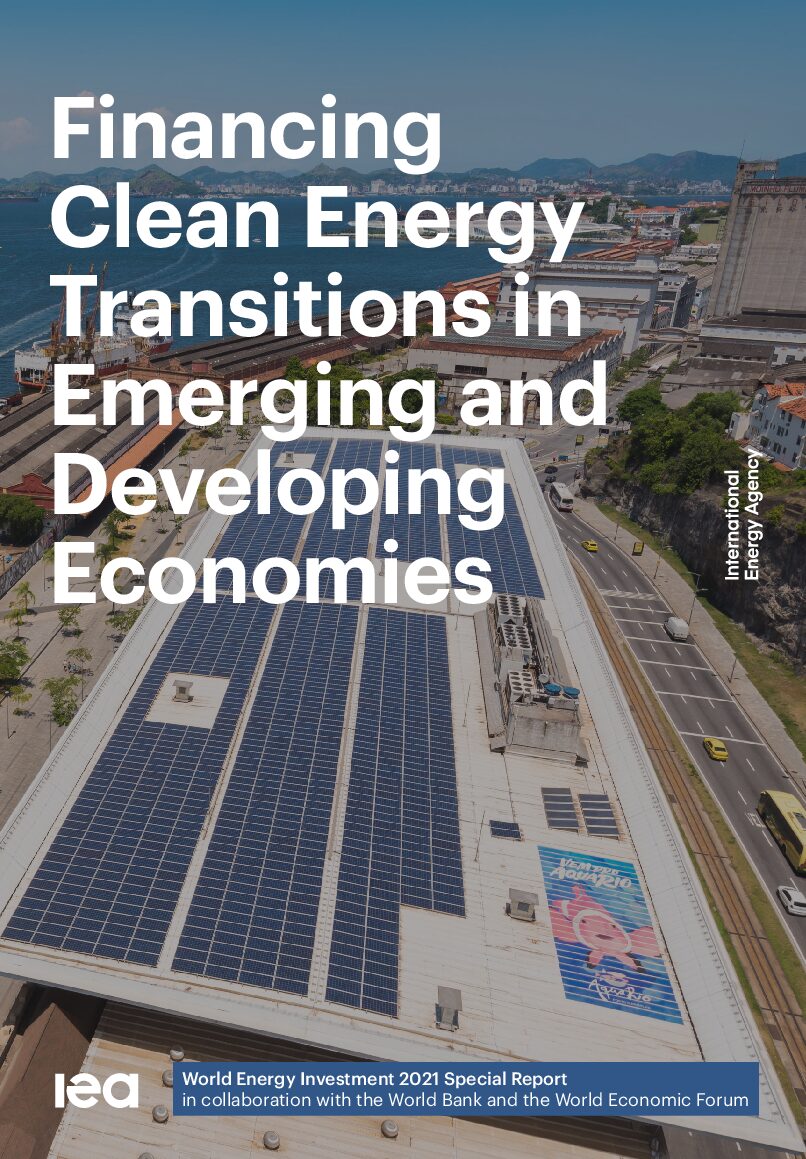
This report draws on nearly 50 case studies, on different energy transition-related sectors and issues and from all over the world, to distill recommendations for priority actions to get more investment flowing to under-served areas.
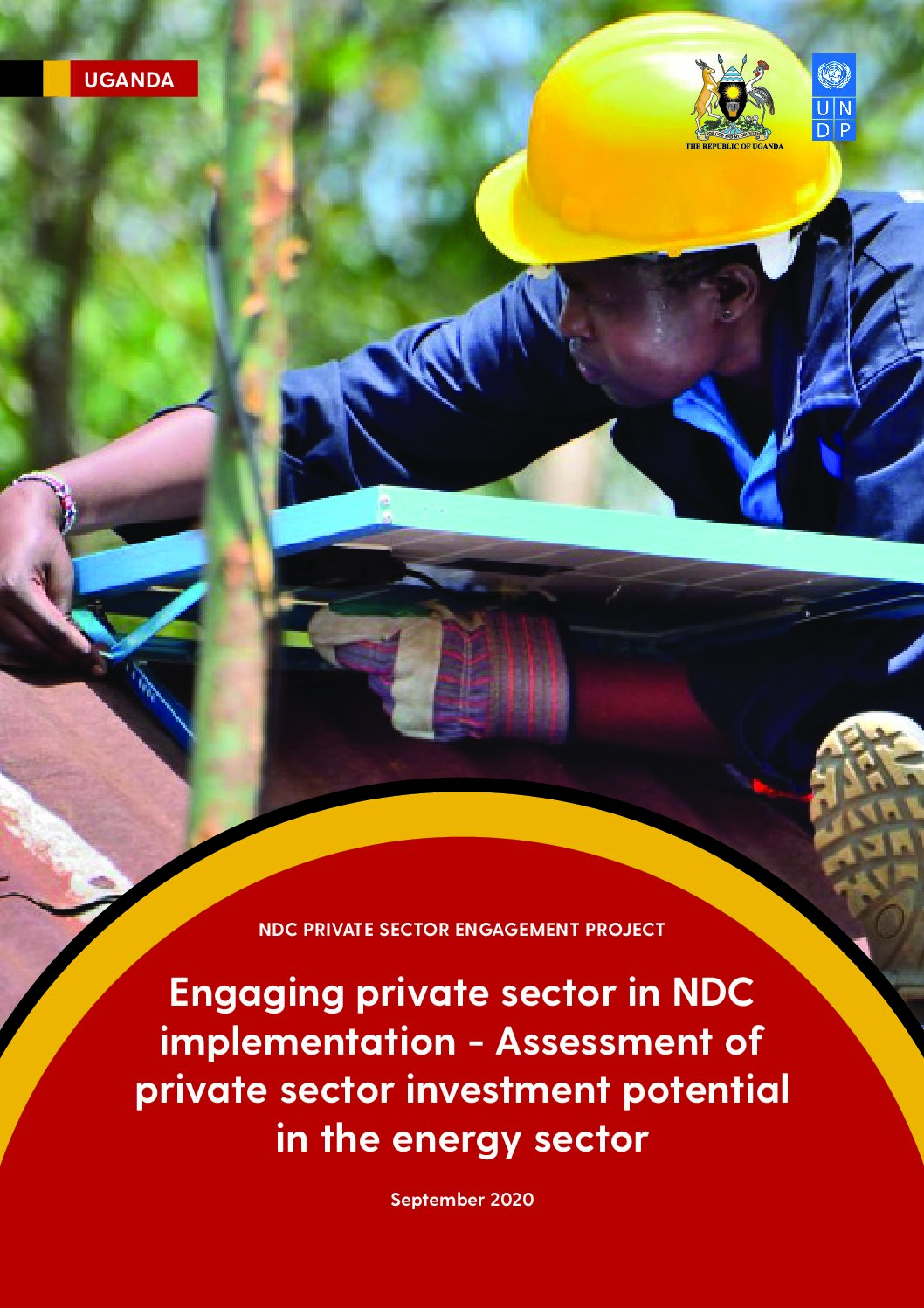
This report estimates the private sector investment potential for delivering NDC sectoral targets in Uganda’s energy sector.
Sustainable Energy Transitions in Uganda: Influential Determinants of the Renewable Energy Landscape
This article provides an overview of the renewable energy landscape of Uganda, discussing the interplay between policy, technology, financing and societal awareness. It provides recommendations to advance the energy transition.
This report describes the potential for financial aggregation to unlock new sources of capital for off-grid solar and e-mobility projects in Uganda.
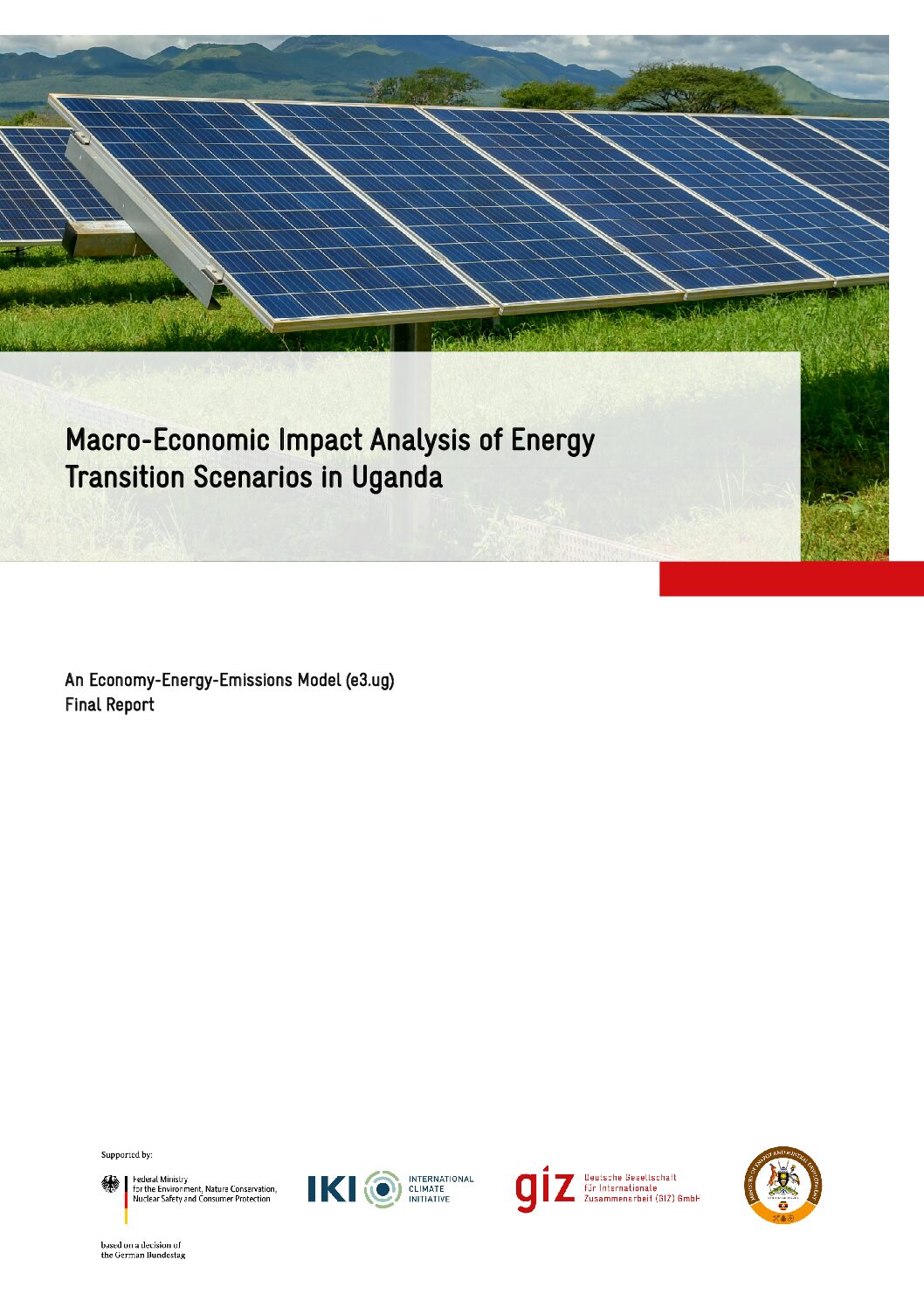
This report presents the results of a modeling exercise projecting the effects of different energy transition scenarios on Uganda’s economy.
This report describes regulatory barriers reported by 25 ESCO associations, and offers advice to policymakers to address these barriers.