
This report is the latest in a series of McKinsey reports on the benefits of diversity to corporations. It analysed the performance and workforce/management diversity of 1265 companies in 23 countries, and discovered that the 25% most diverse companies (both in terms of gender and ethnic diversity) were 39% more likely to perform exceptionally well … Continue reading “Diversity matters even more: The case for holistic impact”
This study explores the impact of energy poverty on the health gap between men and women in Ghana, showing that, especially in households suffering from energy poverty, women report significantly worse health than men.
This factsheet by the EU project ‘Empowering Women to take Action Against Energy Poverty’ (EmpowerMed) gives an overview of the different dimensions that should be considered when tackling gender and energy poverty.
Identifying Factors Associated with Consumers’ Adoption of e-Mobility—A Systematic Literature Review
This article investigates the following questions: 1) What are the associated factors that affect the consumer’s intention to purchase EVs? (2) What is the impact of sociodemographic variables on the adoption of EVs? (3) What are the main obstacles to and motivators for introducing EVs and the expected recommendations for manufacturers, politicians, governments, and scientists?
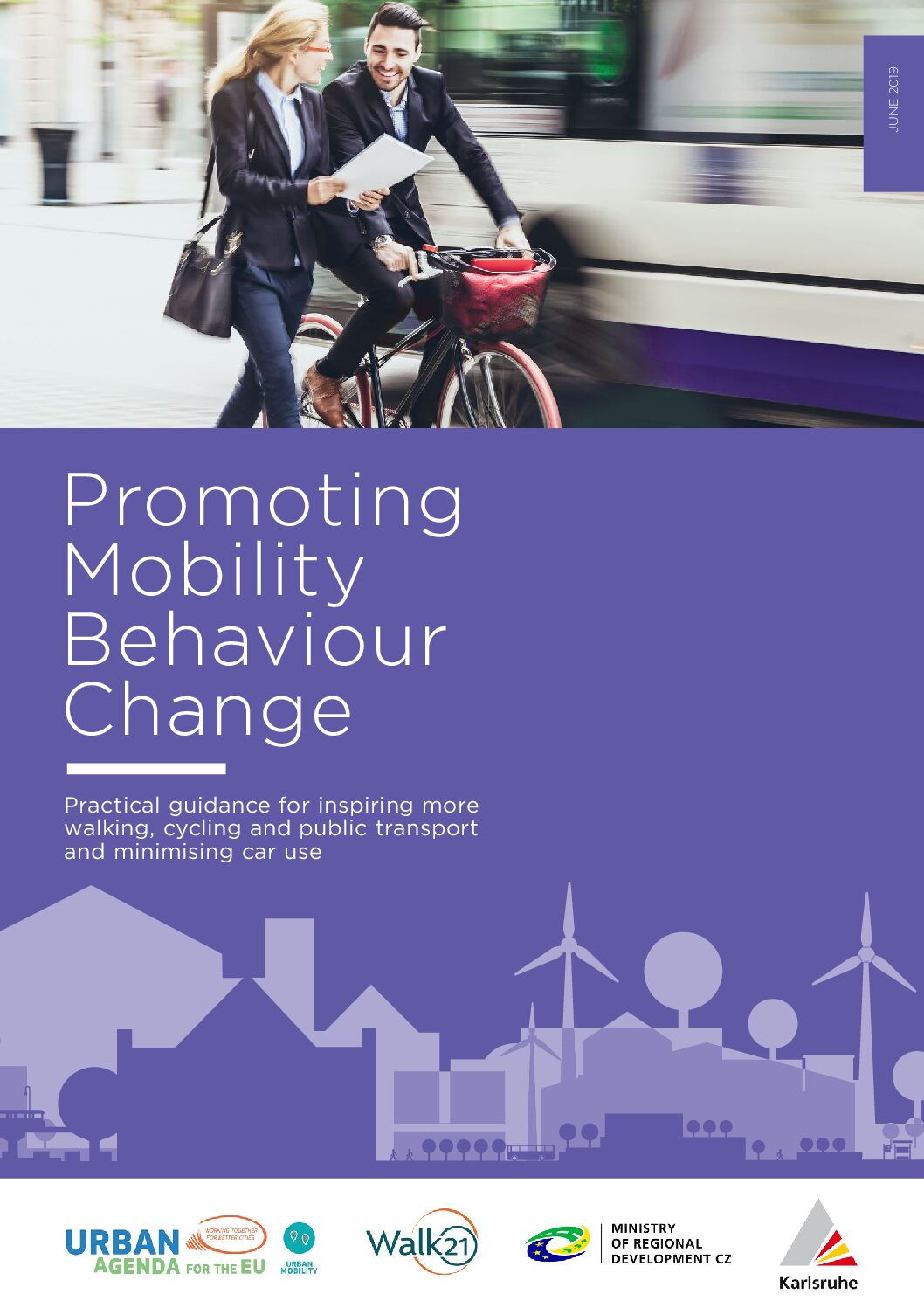
This publication provides templates to support any city authority, business, institution or charity that wishes to effect a positive change in mobility behaviour.
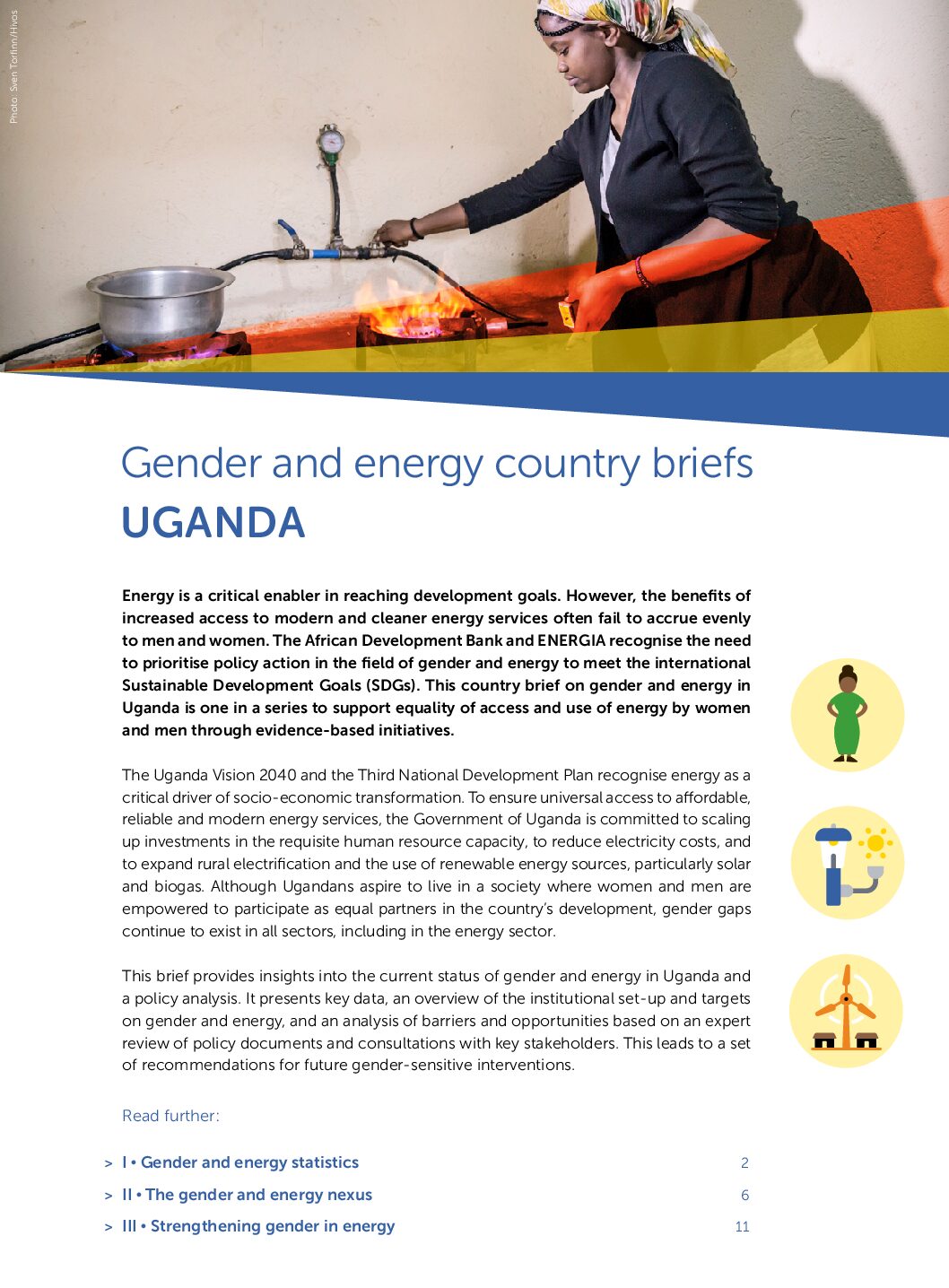
This brief provides statistics about gender and energy in Uganda, as well as an analysis of relevant policies and recommendations to further close gender gaps.
This study investigated (1) What marketing messages are effective at increasing willingness to pay for a more efficient stove in rural Uganda; (2) What sales offers (e.g., free trial and time payments) increases willingness to pay and uptake; (3) What effects does ownership of an efficient stove have on the use of old and new … Continue reading “Uptake and Usage of Fuel-efficient Improved Cookstoves in Rural Uganda”
This database presents materials and tools used in awareness raising and marketing campaigns from across the clean cookstoves and fuels sector.