
This report provides baseline data on women’s employment in solar energy, as well as information on barriers to gender equality and recommendations to close gender gaps.
This report provides baseline data on women’s employment in hydropower, as well as information on barriers to gender equality and recommendations to close gender gaps.
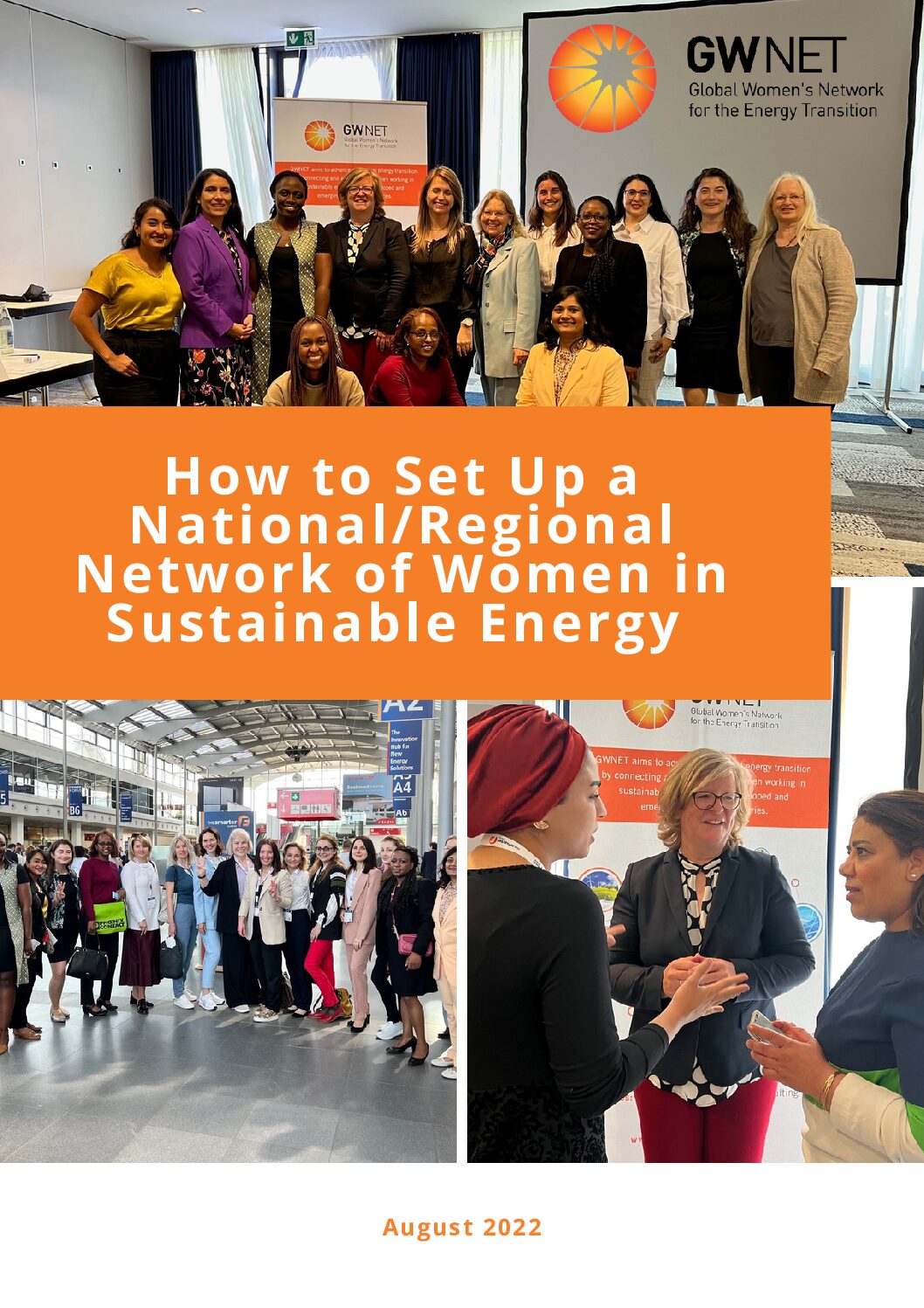
This guide provides principles and step-by-step instructions for the establishment of regional/national networks for women working in energy
This report provides extensive data and analysis on men and women’s views on gender equality in 32 countries around the world, including Uganda and Bolivia.
Institutions all over the world are setting up microcredentials in responses to calls from governments and industry: short courses, usually offered online by accredited institutions, with an emphasis on the needs of the workplace. They are also often used for retraining and upskilling. This book explains how to start offering microcredentials as an academic institution.
This guide aims to accelerate the flexibility and responsiveness of learning systems by providing guidance on the design, issue and recognition of micro-credentials.
This toolkit provides advice on how to assess capacity needs for the implementation of the Paris Agreement, and provides good practice examples and further resources.
The CaDRE methodology helps policy makers, organisations and capacity development/renewable energy practitioners shape an environment conducive to the development of renewable energy.
The CaDRE methodology helps policy makers, organisations and capacity development/renewable energy practitioners shape an environment conducive to the development of renewable energy.
This is a methodology for a quick learning needs assessment in the form of a list of questions.