
This report sketches three potentially feasible scenarios for systems based on 100% renewable energy, identifies challenges and opportunities, and provides policy recommendations.
This report presents a global energy roadmap to meet climate goals by 2050, examining technology pathways and policy implications to ensure a sustainable energy future.
This roadmap analyses the drivers of the digital transformation of the energy sector in Latin America and the Caribbean, identifies lessons learned and provides recommendations.
This study critically assesses the policy and regulatory frameworks for the digitalisation of energy systems in support of energy transitions in Nigeria and South Africa.
This report examines the trends of renewable energy investment and finance in Sub-Saharan Africa (Chapter 2), driven by regional and national plans, targets and strategies for the sector (Chapter 3), and the policy environment for renewables in the region (Chapter 4).
This study describes the state of energy efficiency in Bolivia and identifies target sectors with the greatest potential for further energy efficiency advancement.
This study describes the state of energy efficiency in Ecuador and identifies target sectors with the greatest potential for further energy efficiency advancement.
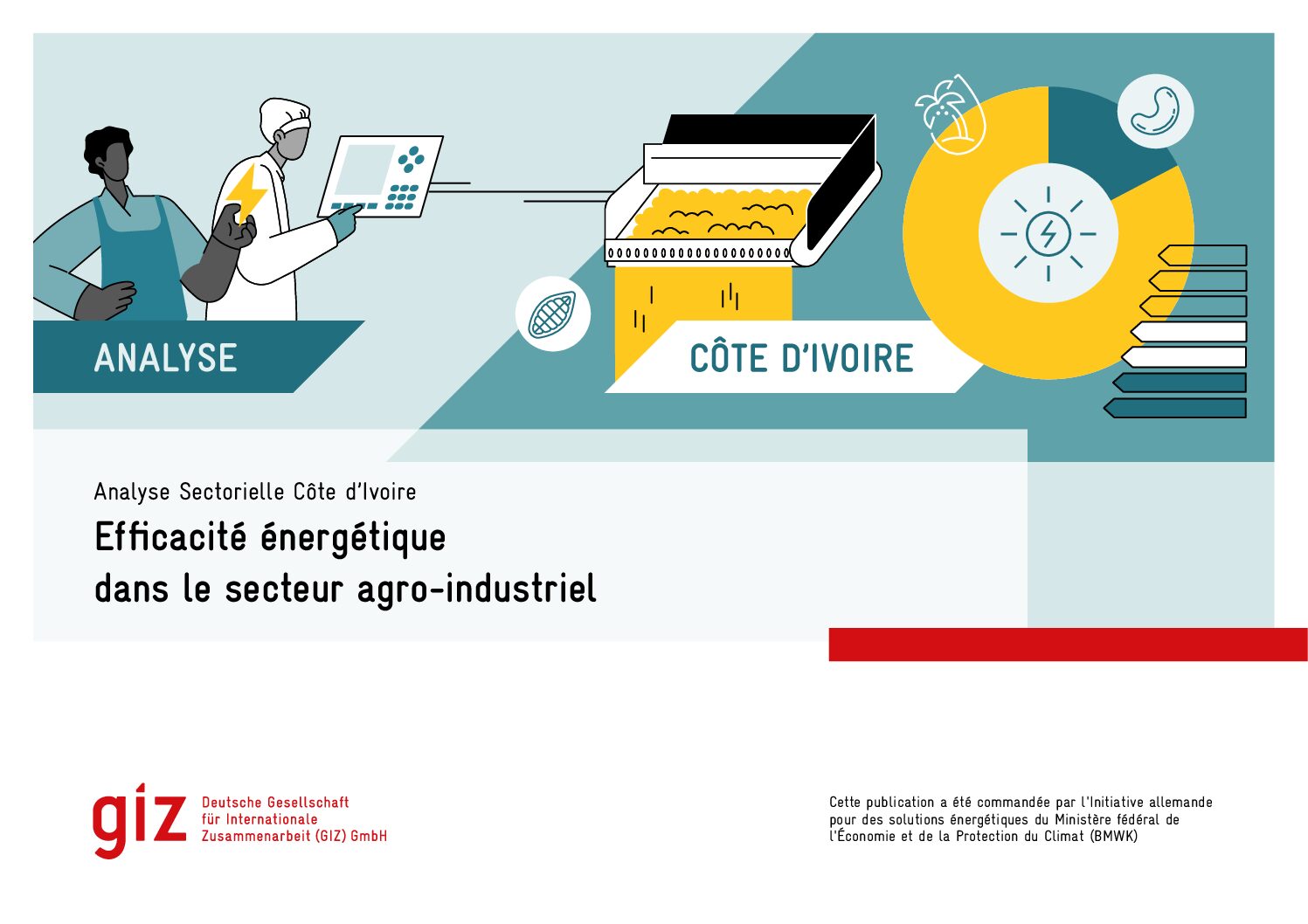
This report presents an analysis of energy use in and efficiency solutions for five key agro-industries in Côte d’Ivoire: cocoa, palm oil, cashew nuts, sugar and milling.
This report takes stock of the latest energy trends, assesses Uganda’s energy policies and provides policy recommendations.
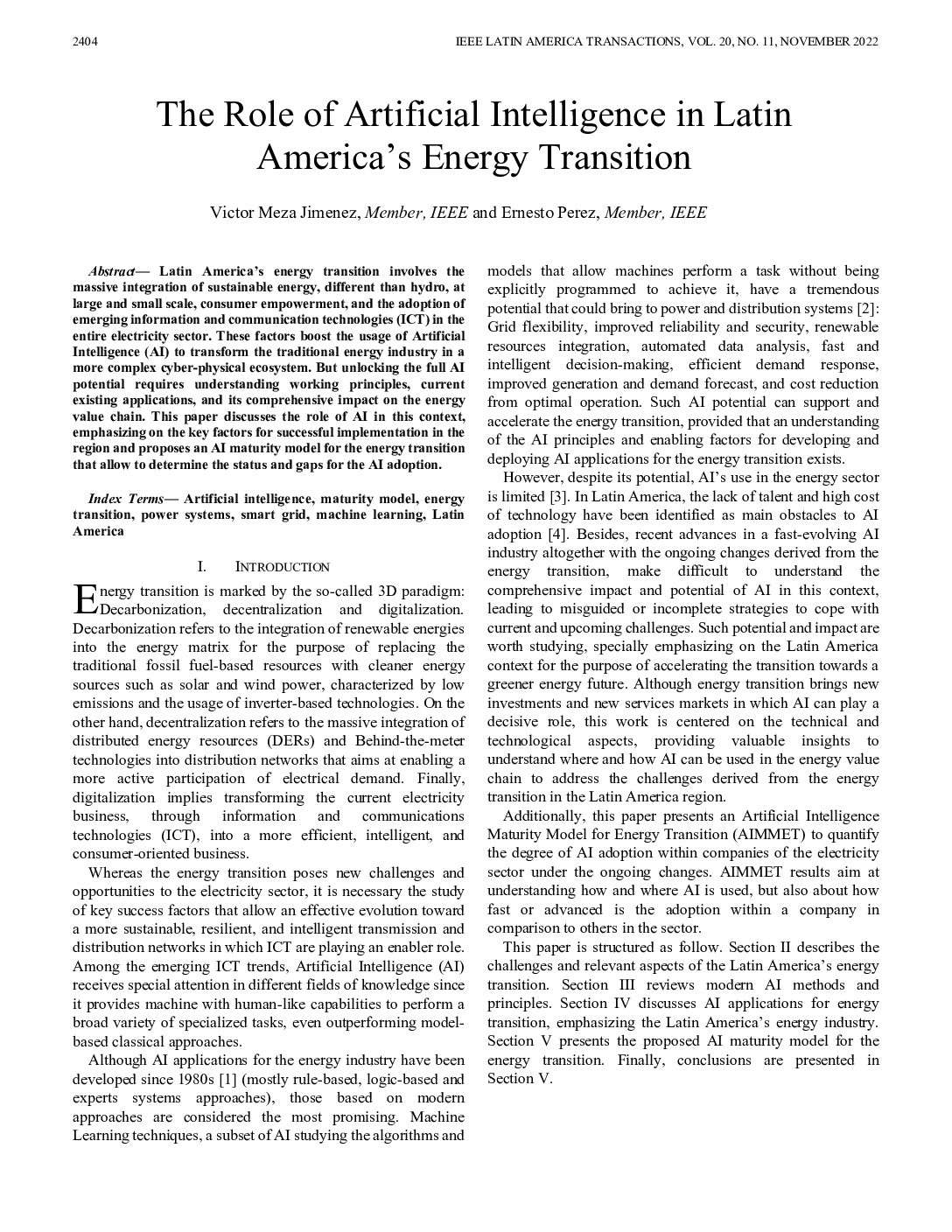
This paper discusses the role of AI in the energy transition in Latin America, identifies key factors for successful implementation in the region and proposes an AI maturity model for the energy transition that allows stakeholders to assess the status and gaps for the AI adoption.