
The ESCO Model Contract Library provides a list of ESCO contracts and supporting documents provided by a variety of countries and organisations. In some cases, the resources also provide a wider set of documents related to public procurement of ESCO services.
This paper focuses on strategies, policies, and programs that industry and government can develop to ensure that supply chains for EVs and their batteries are secure, circular, and reduce the need for mining virgin minerals, thus reducing adverse impacts on the planet and its people.
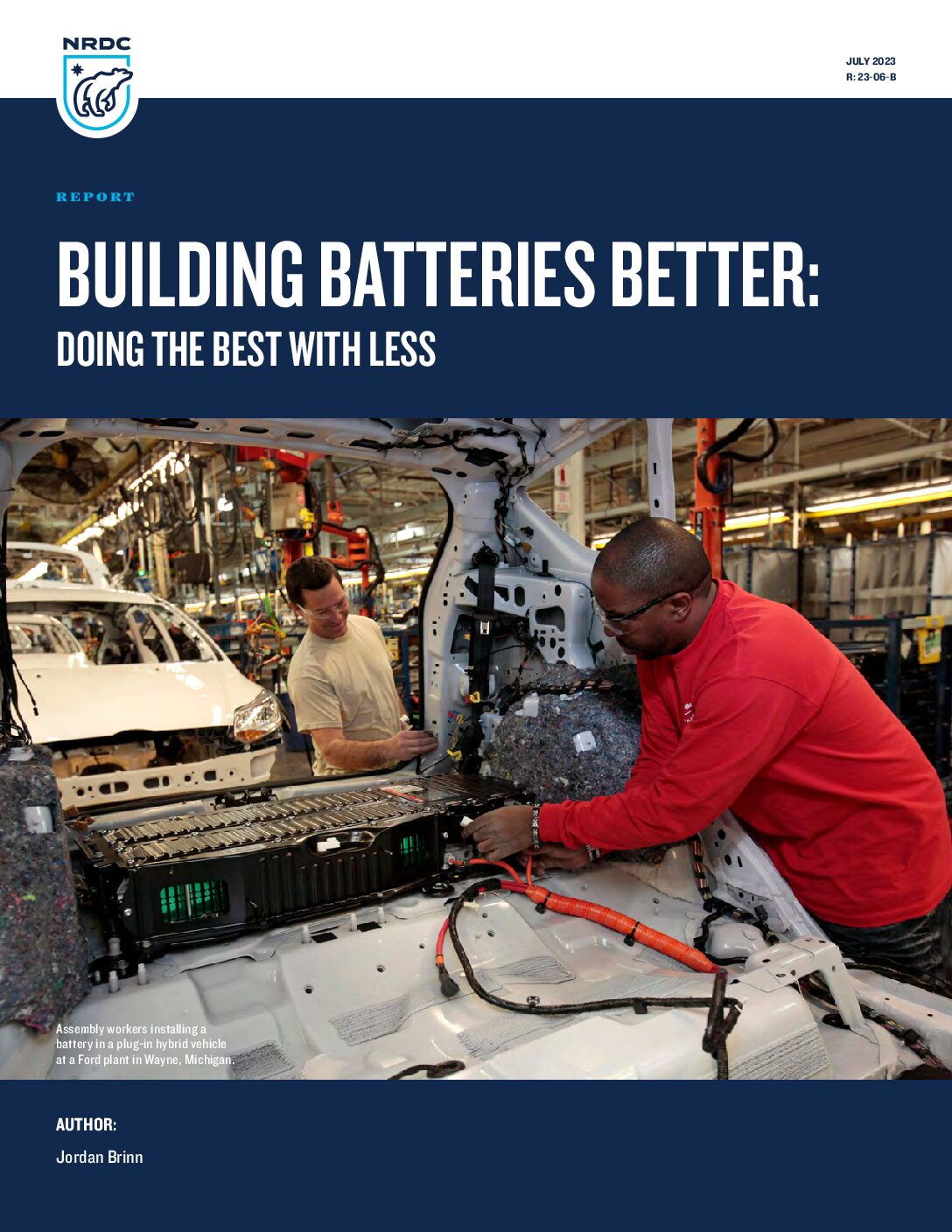
This report investigates the potential to develop circular supply chains for EV batteries.
This database presents the current status, policy barriers, and key innovations for electrification of mobility, heating and cooling, and hydrogen production.
This report brings together the latest data and information on batteries from around the world, including recent market developments and technological advances. It also offers insights and analysis on leading markets and key barriers to growth, and identifies synergies and potential bottlenecks across different sectors and parts of the supply chain.
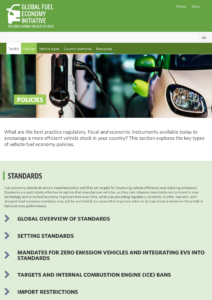
This page explores the best practice regulatory, fiscal and economic instruments available today to encourage a more efficient/electric vehicle stock.
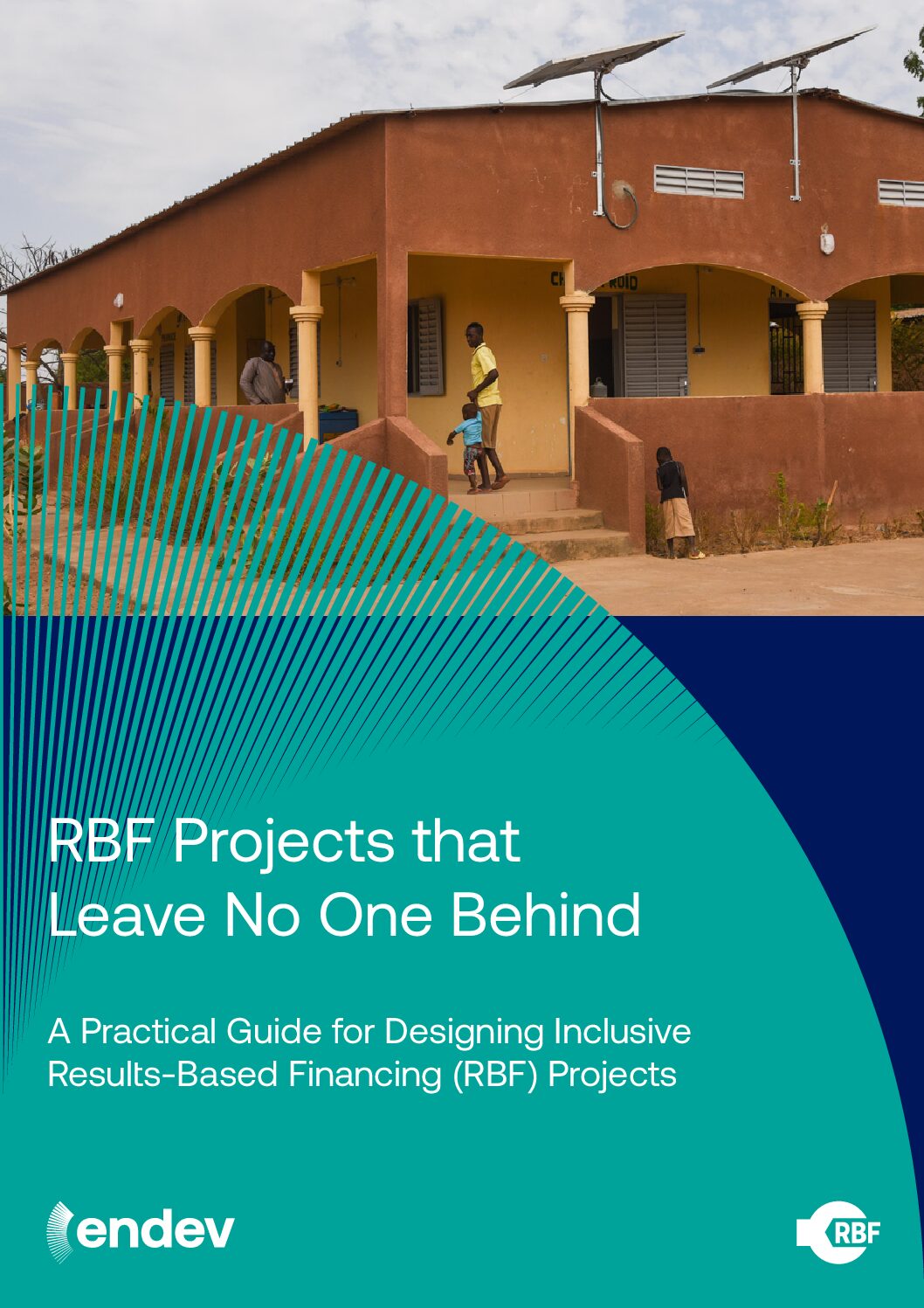
This guide provides insights on planning and implementing RBF projects to advance energy access that consider various LNOB aspects, including gender.
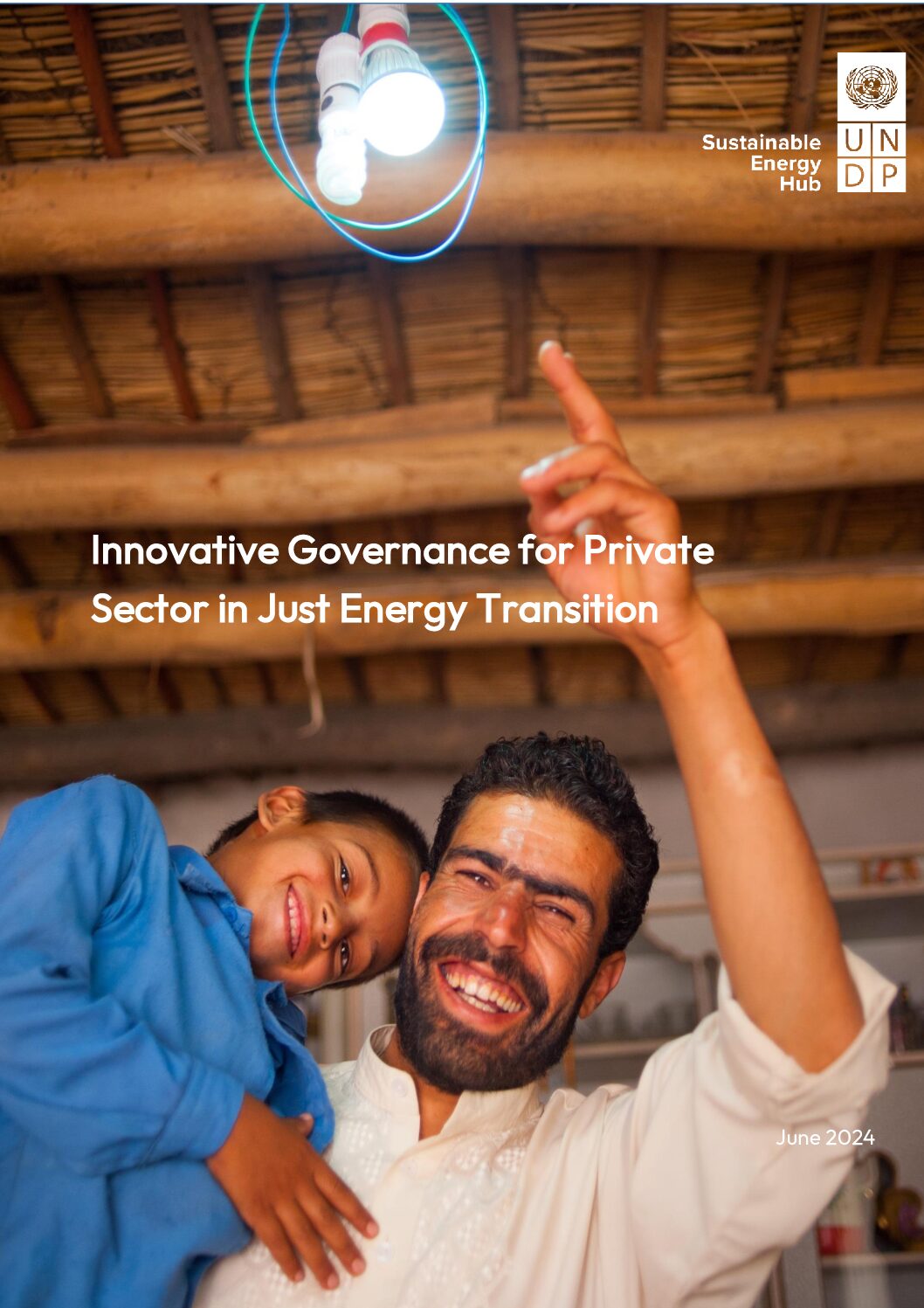
This report explores how governments can catalyze the private sector’s role in ensuring a sustainable and just energy transition.
This report draws on the experience of members of the OECD Development Assistance Committee to identify emerging trends, good practice and lessons learned in their work with the private sector to leverage private capital, expertise, core business and market-based solutions to meeting the challenge of making development sustainable.
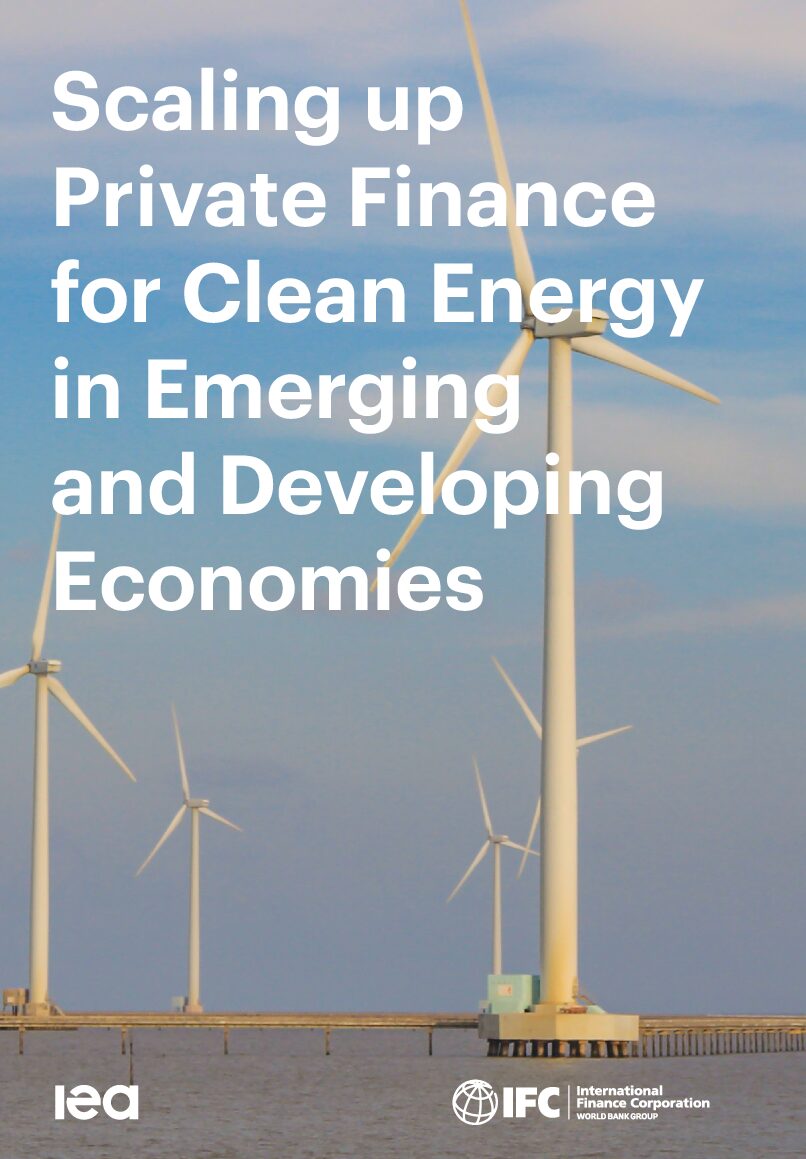
This report aims to quantify the investments required to build modern, clean energy systems and identify the policy actions and financial instruments that can deliver a major acceleration in private capital flows for the energy transition.