
This roadmap defines a scenario for a successful energy transition in Guatemala by 2050, and provides policy recommendations.
This report adopts a regional lens to the energy transition in Central America, providing baseline data and future scenarios.
This report outlines a 6-step vision to help developing countries create a virtuous cycle to raise financing and accelerate the clean energy transition.
Sustainable Energy Transitions in Uganda: Influential Determinants of the Renewable Energy Landscape
This article provides an overview of the renewable energy landscape of Uganda, discussing the interplay between policy, technology, financing and societal awareness. It provides recommendations to advance the energy transition.
This is a comparative study of energy transition financing policies and technology transfer in the EU and LAC.
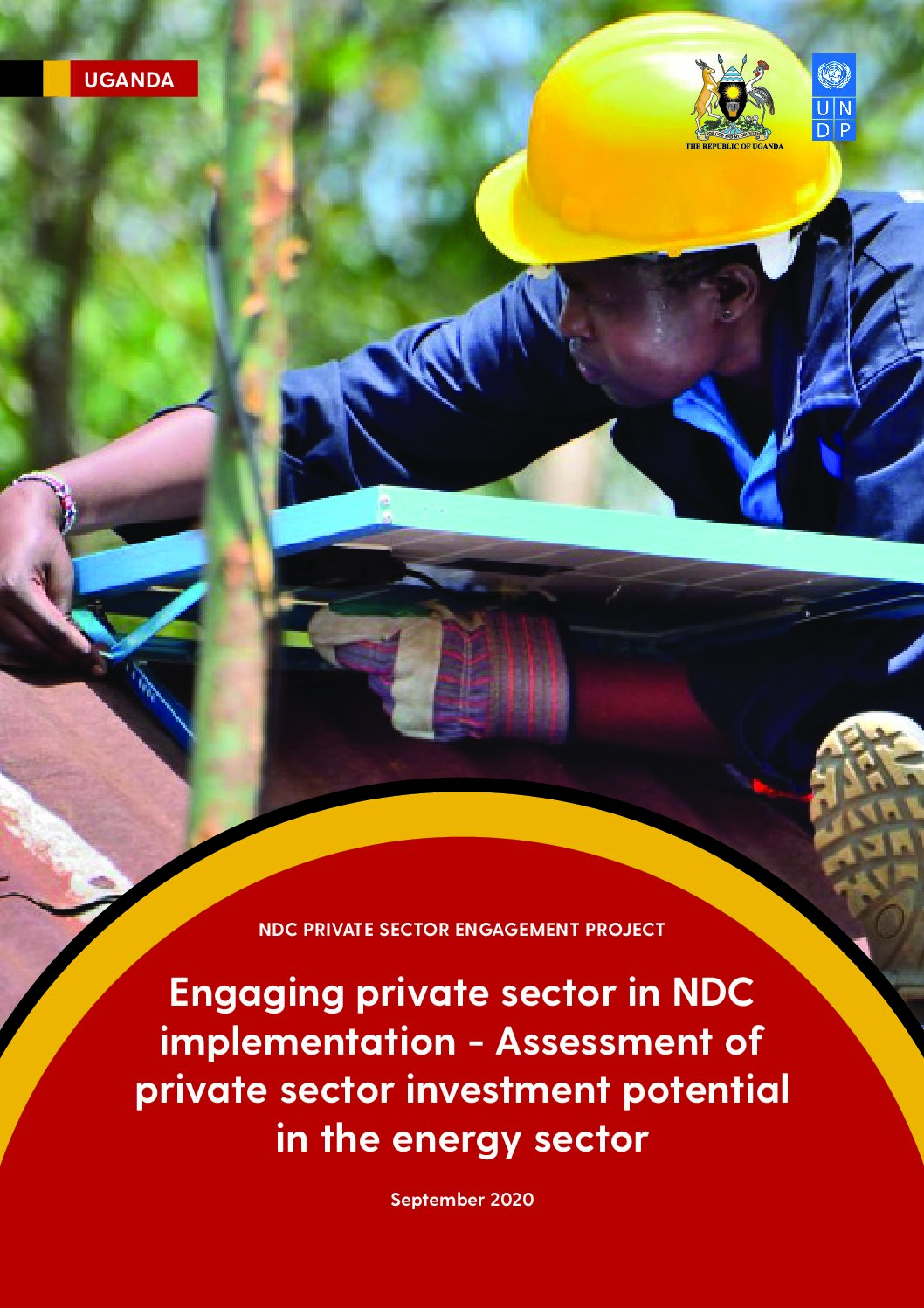
This report estimates the private sector investment potential for delivering NDC sectoral targets in Uganda’s energy sector.
This report describes the potential for financial aggregation to unlock new sources of capital for off-grid solar and e-mobility projects in Uganda.
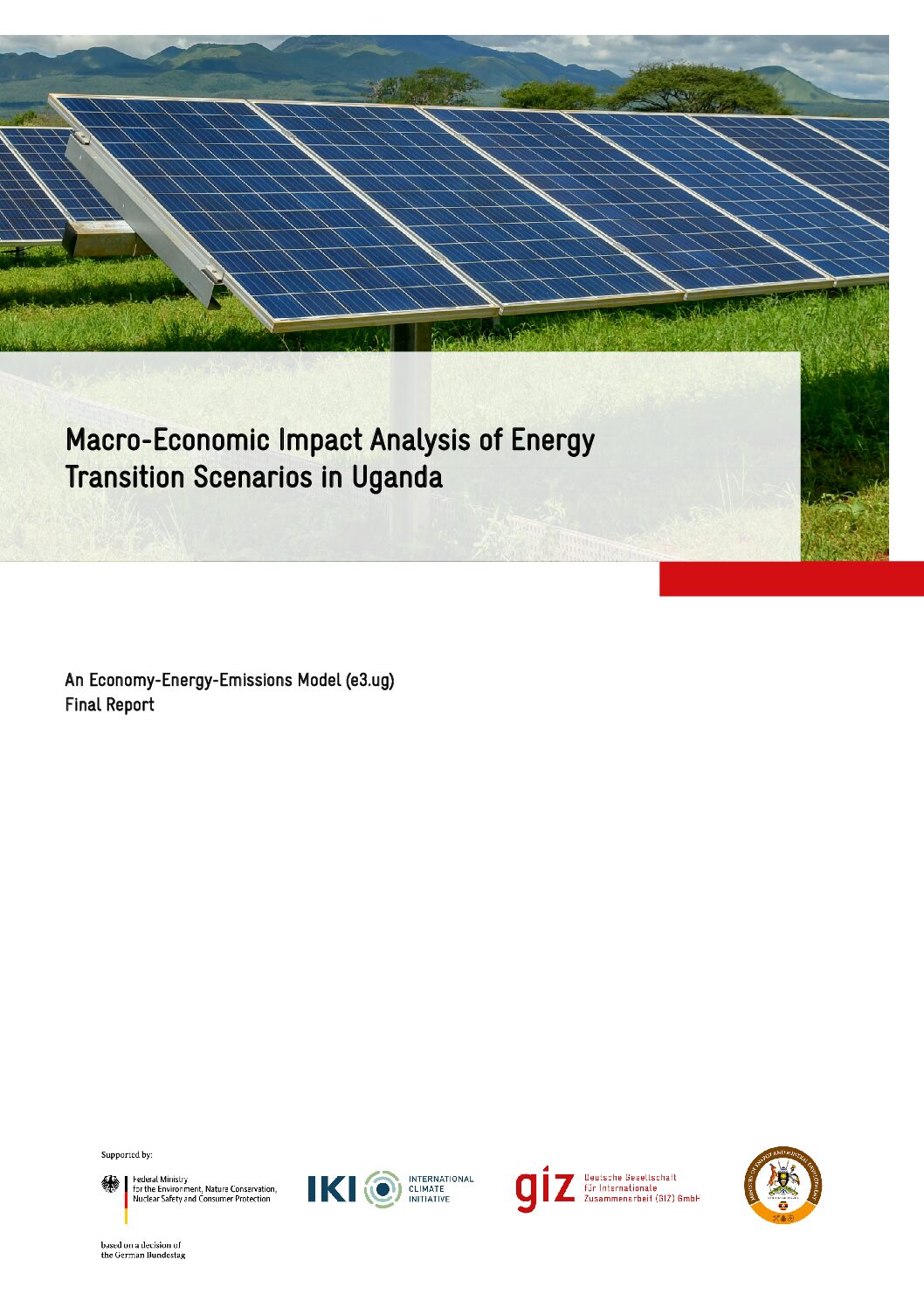
This report presents the results of a modeling exercise projecting the effects of different energy transition scenarios on Uganda’s economy.
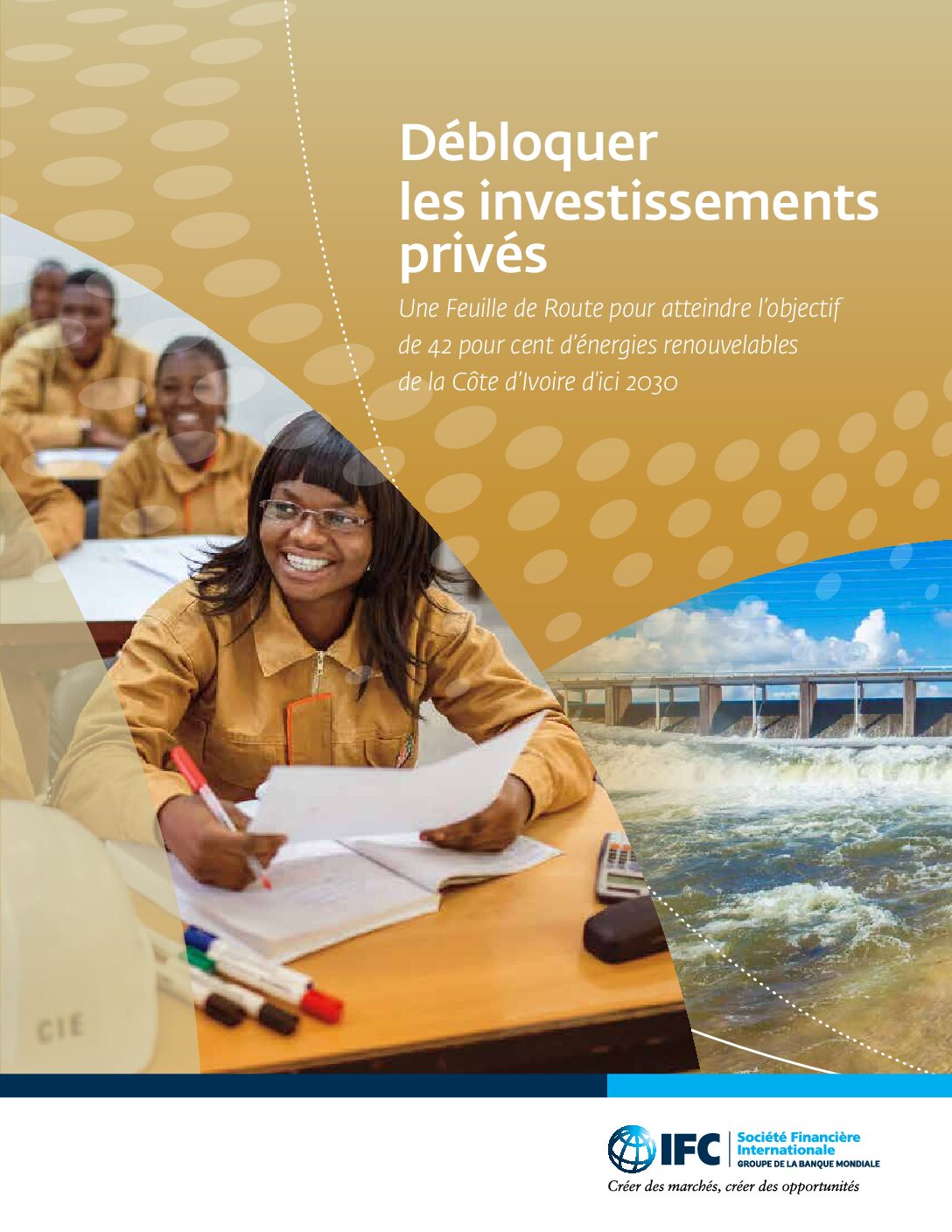
The roadmap identifies challenges hampering private sector investment in renewable energy, and proposes concrete solutions which will help Côte d’Ivoire achieve its renewable energy development target.
This report examines the role of climate finance in Madagascar’s energy transition, and the impact that different financial instruments have on the delivery of the electrification schemes.