
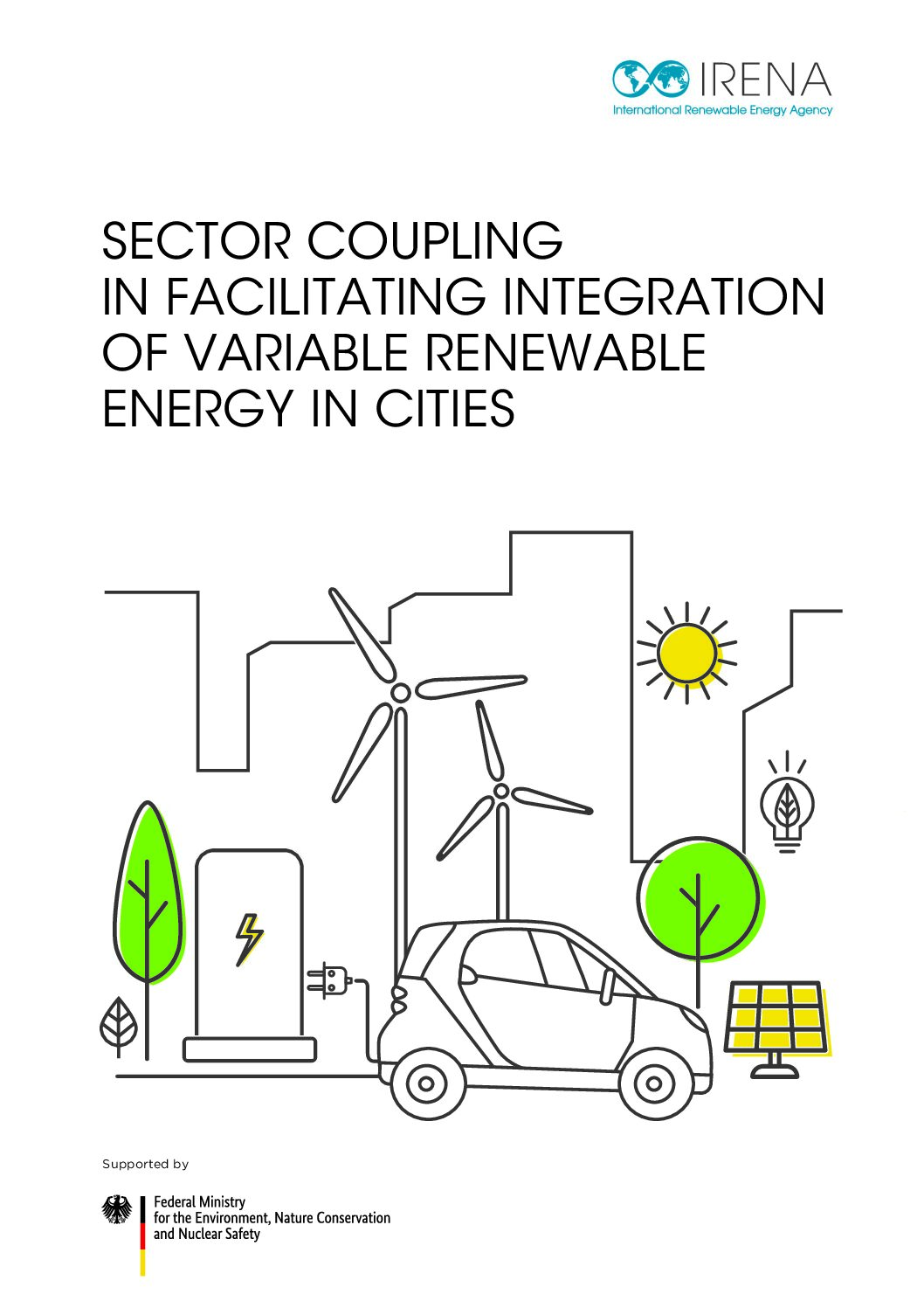
This report highlights the importance of sector coupling as a key source of flexibility that cities can explore to stabilise power grid operations when integrating high shares of variable renewable energy sources. It presents a range of sector coupling opportunities available for use in cities, including self-consumption of variable RE sources, the role of thermal … Continue reading “Sector Coupling in Facilitating Integration of Variable Renewable Energy in Cities”
This document discusses how transitioning fossil fuel-powered urban mobility to renewable energy-based e-mobility can mitigate different environmental issues.
This report explores the opportunities and challenges that lie ahead in Latin America’s energy transition. It provides insights on the ways in which the outlook for the region and the biggest global energy trends are deeply intertwined – as well as recommendations on policies that could allow Latin America and the Caribbean to take full … Continue reading “Latin American Energy Outlook”
This study evaluates the progress that African countries have made in their transition to e-mobility up to 2021.
The e-Mobility Toolbox is an online information portal to support development, implementation and monitoring of innovative electric mobility solutions.
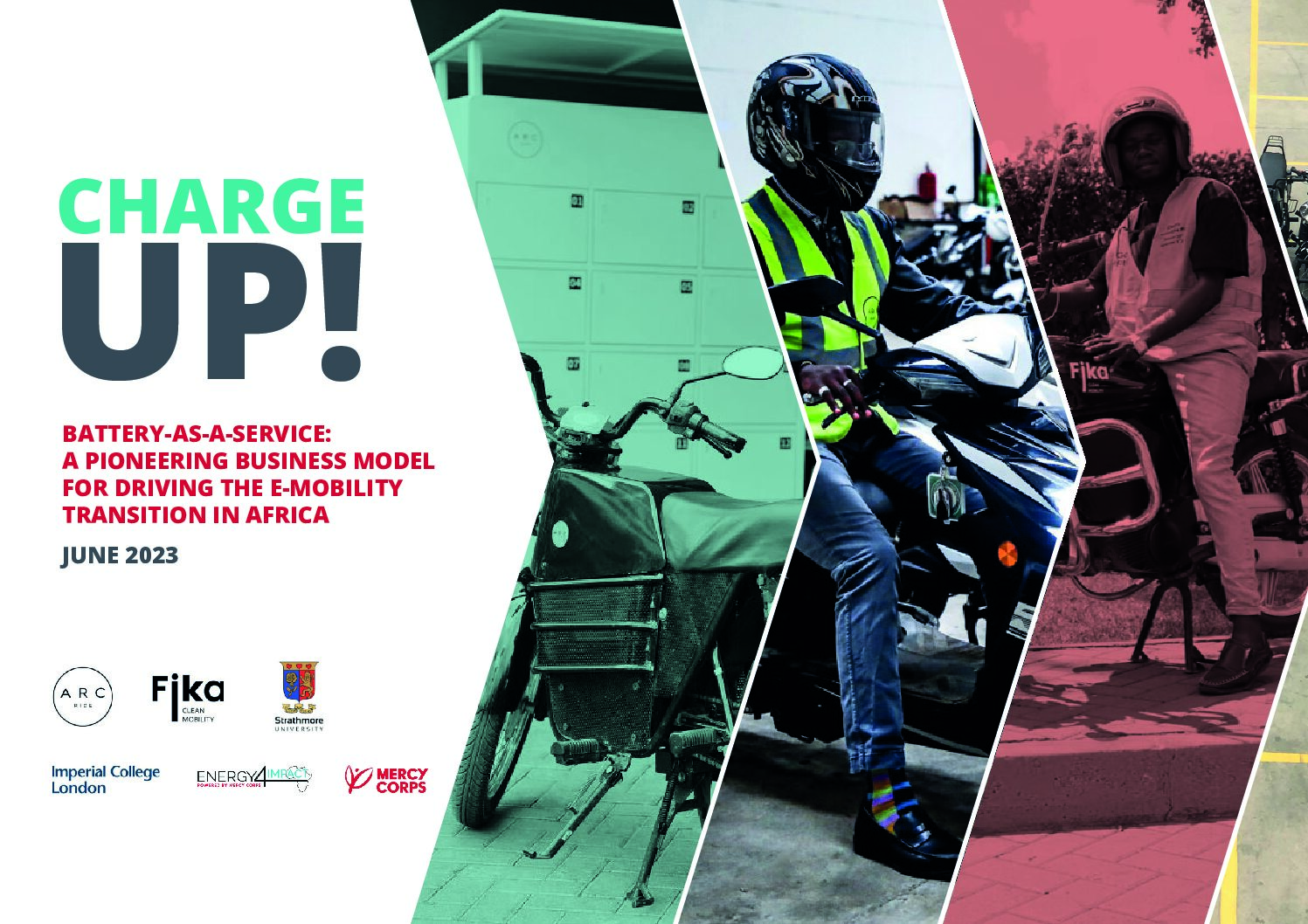
This report investigates different models for the deployment of e-bike fleets and charging/swapping infrastructures in sub-Saharan Africa. It highlights the potential advantages of battery swapping for riders, highlights emerging best practice for Batteries as a Service, and provides recommendations on policy, regulation and financing to support uptake of e-motorcycles and the growth of BaaS in … Continue reading “Charge Up! Battery-as-a-service: A pioneering business model for driving the e-mobility transition in Africa”
This publication provides templates to support any city authority, business, institution or charity that wishes to effect a positive change in mobility behaviour.
This report proposes priority actions and reference case studies to decision-makers and stakeholders for the decarbonisation of transport in Africa.
This report highlights opportunities to advance gender equality through the creation of green jobs in Latin America.
This report forecasts the new direct job creation potential of 12 green sub-sectors by 2030. The report predicts the creation of up to 3.3 million new green jobs across the continent, with the majority in renewable energy, particularly solar.