
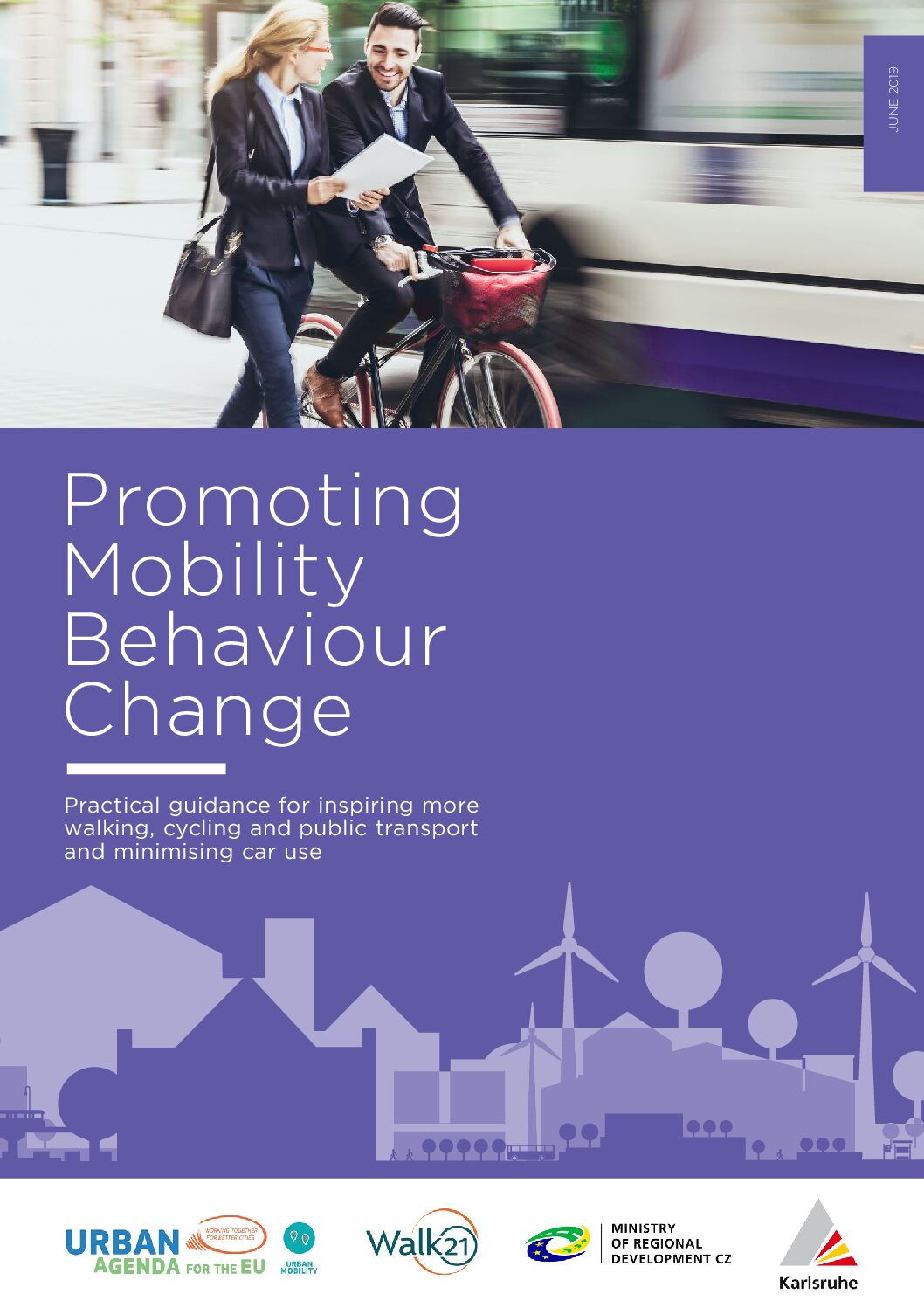
This publication provides templates to support any city authority, business, institution or charity that wishes to effect a positive change in mobility behaviour.
This report proposes priority actions and reference case studies to decision-makers and stakeholders for the decarbonisation of transport in Africa.
This report forecasts the new direct job creation potential of 12 green sub-sectors by 2030. The report predicts the creation of up to 3.3 million new green jobs across the continent, with the majority in renewable energy, particularly solar.
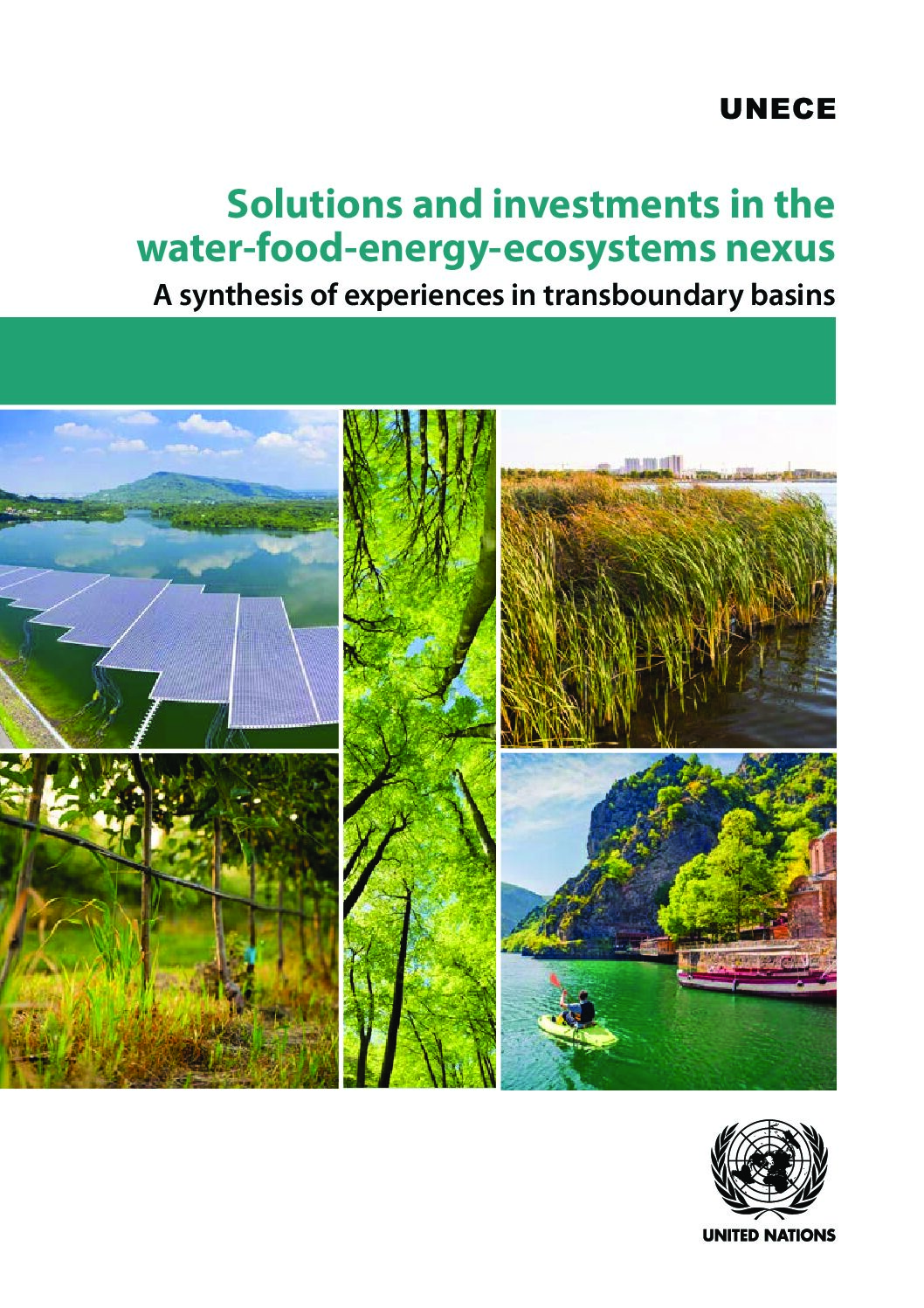
This report analyses linkages in the water-energy-food-ecosystem nexus – essentially resource management trade-offs and synergies — in transboundary river basin settings. It draws on 36 nexus case studies from transboundary river basins in Europe, Asia, Africa and the Americas, providing lessons for transboundary management and cooperation.
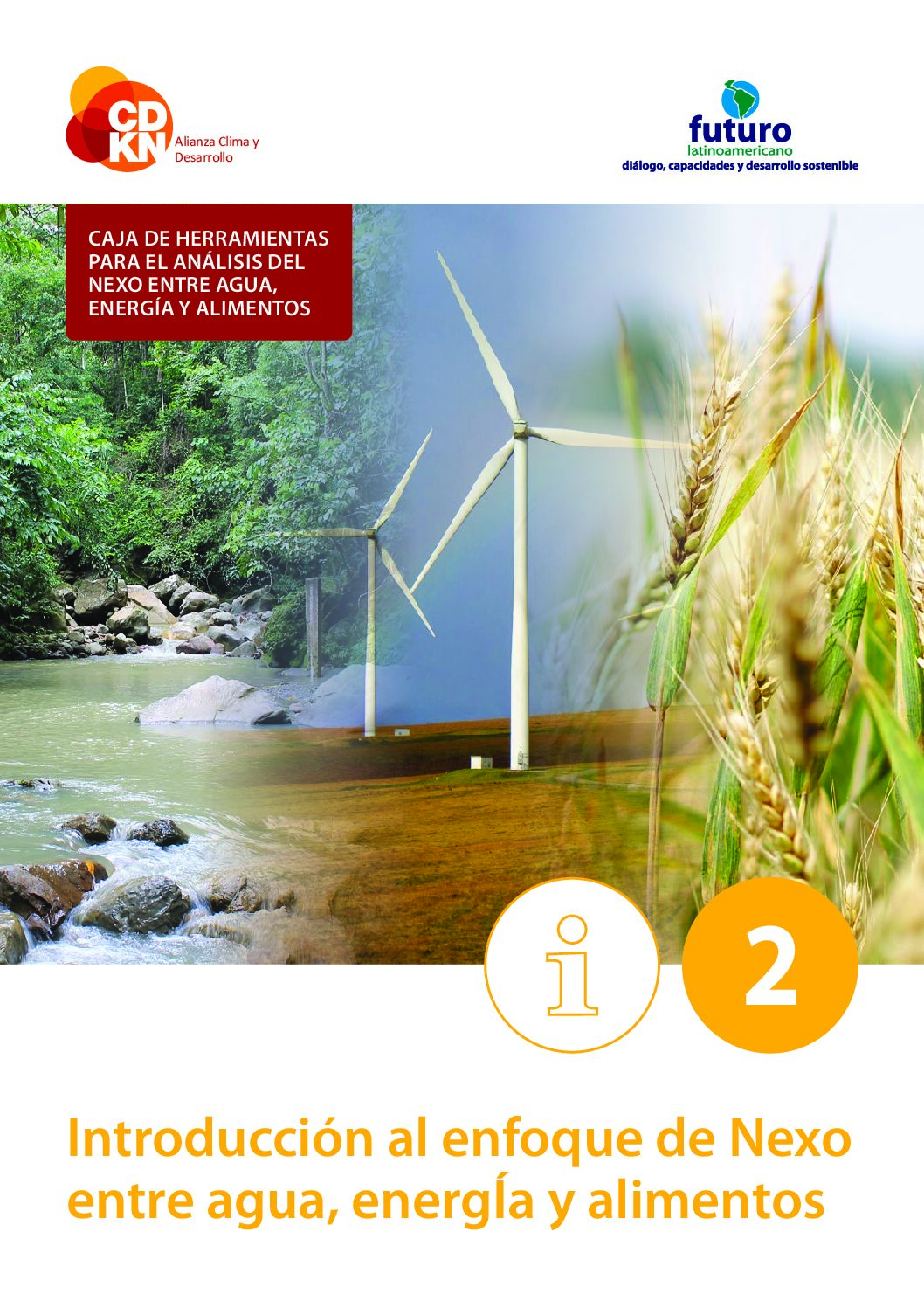
This toolkit presents a glossary and a list of useful resources on the water-energy-food nexus.
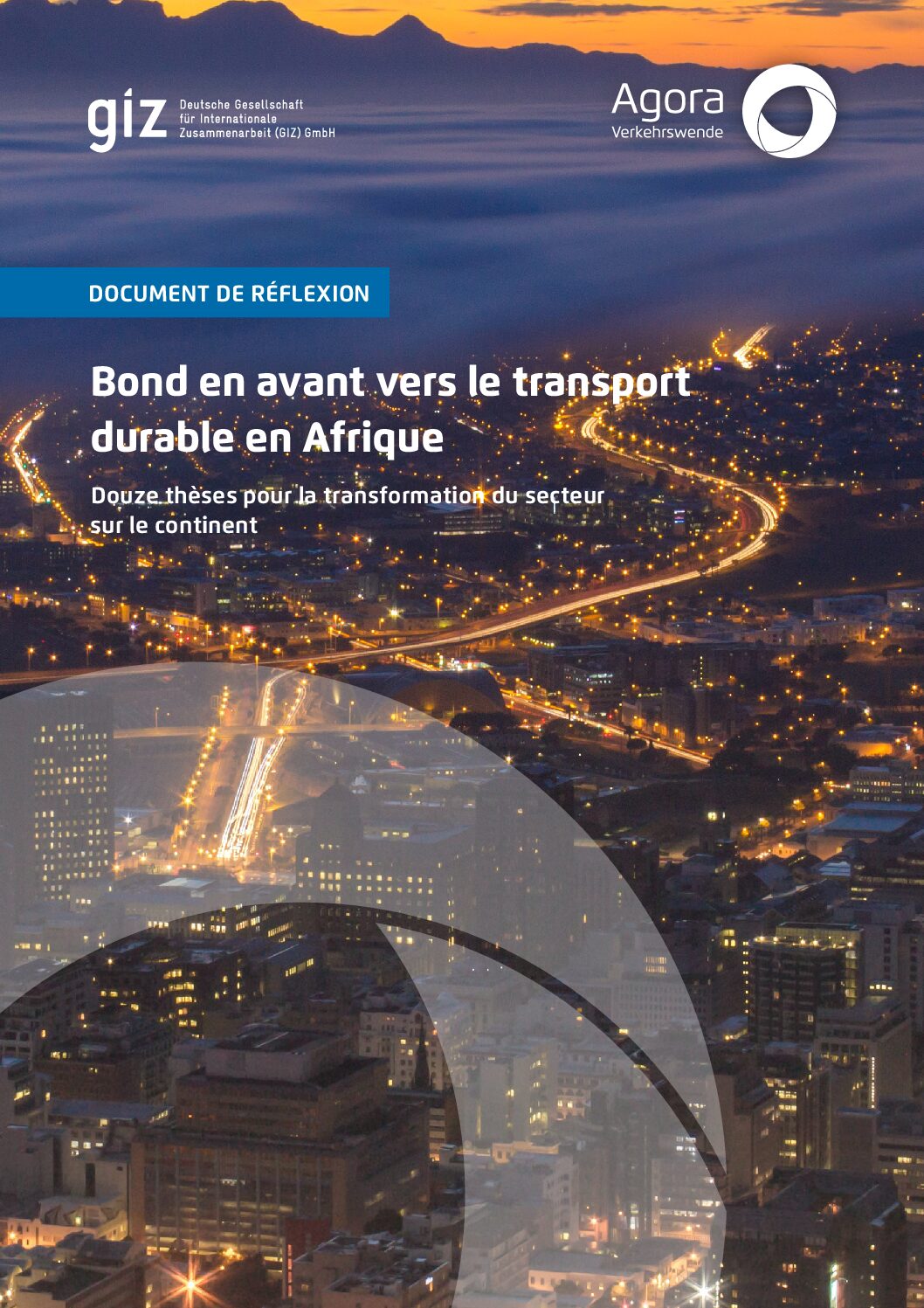
This document aims to spark discussion on transport transformation in Africa – not only for change agents in African countries, but also in connection with the global climate and transport community. Through 12 insightful and thought-provoking ideas, the document addresses various areas such as facilitating a just transition, electrifying vehicles from renewable energies and redirecting … Continue reading “Bond en avant vers le transport durable en Afrique: Douze thèses pour la transformation du secteur sur le continent”
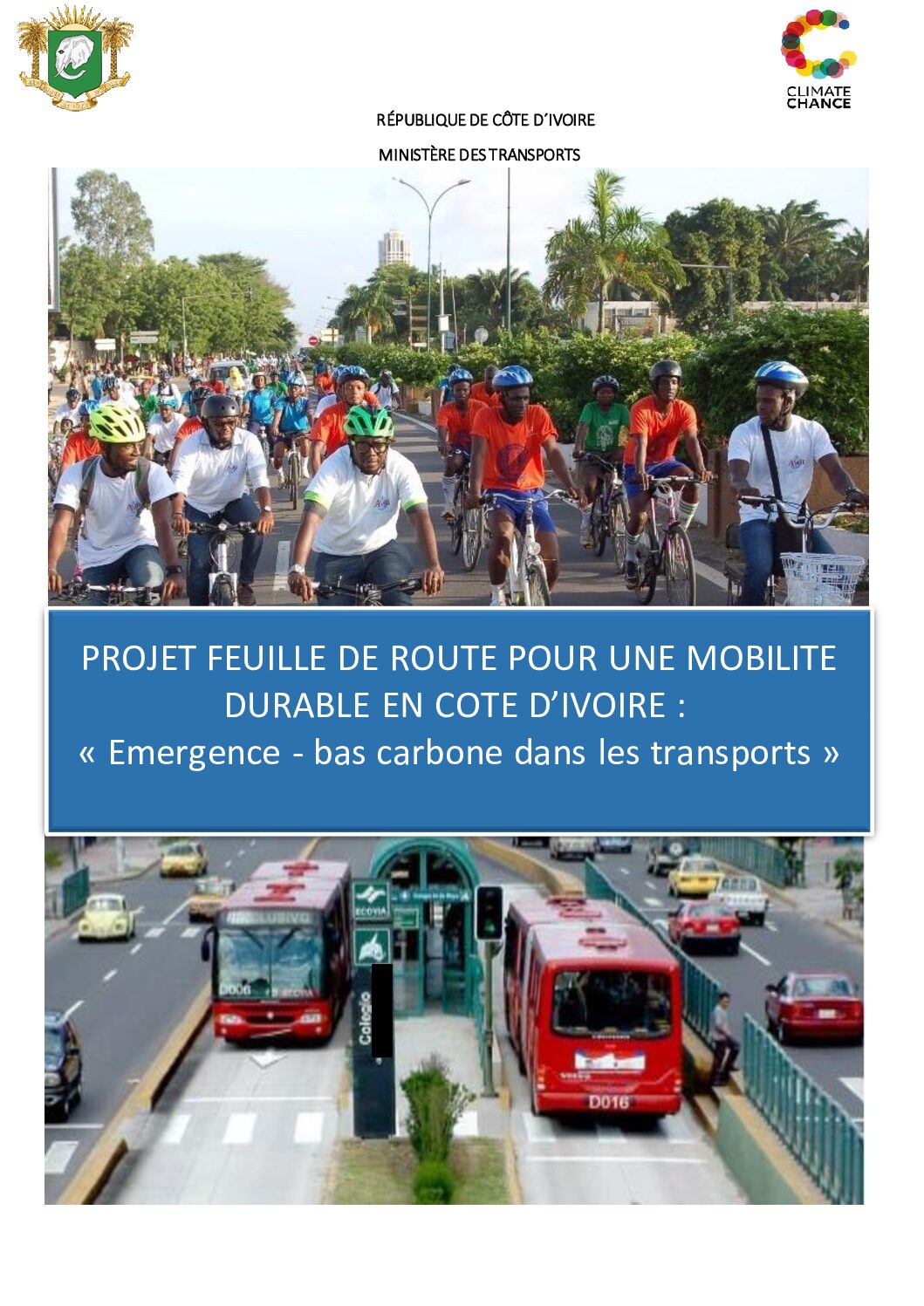
This roadmap provides a baseline overview of the Ivorian transport sector and presents opportunities and recommendatinos for the transition to sustainable transport.
This paper undertakes a comprehensive assessment of mobility patterns and accessibility needs in Freetown, Sierra Leone, and presents evidence of the significance of accessibility-centred information to inform policy priorities.
This article looks at travel patterns around universities in Africa and MENA and proposes a framework to engage universities to expand their sustainable mobility impact.
This report provides baseline data on women’s employment in wind energy, as well as information on barriers to gender equality and recommendations to close gender gaps.