
This resource offers a comparative analysis of existing green skills frameworks to support sustainable development through TVET. It includes two detailed matrices—one mapping green frameworks chronologically, and another summarizing empirical research on green skills relevant to green industries. The study highlights key concepts, models, and collaborations needed between TVET institutions and green sectors to develop … Continue reading “Comparative analysis on Green Skills framework for sustainable development”
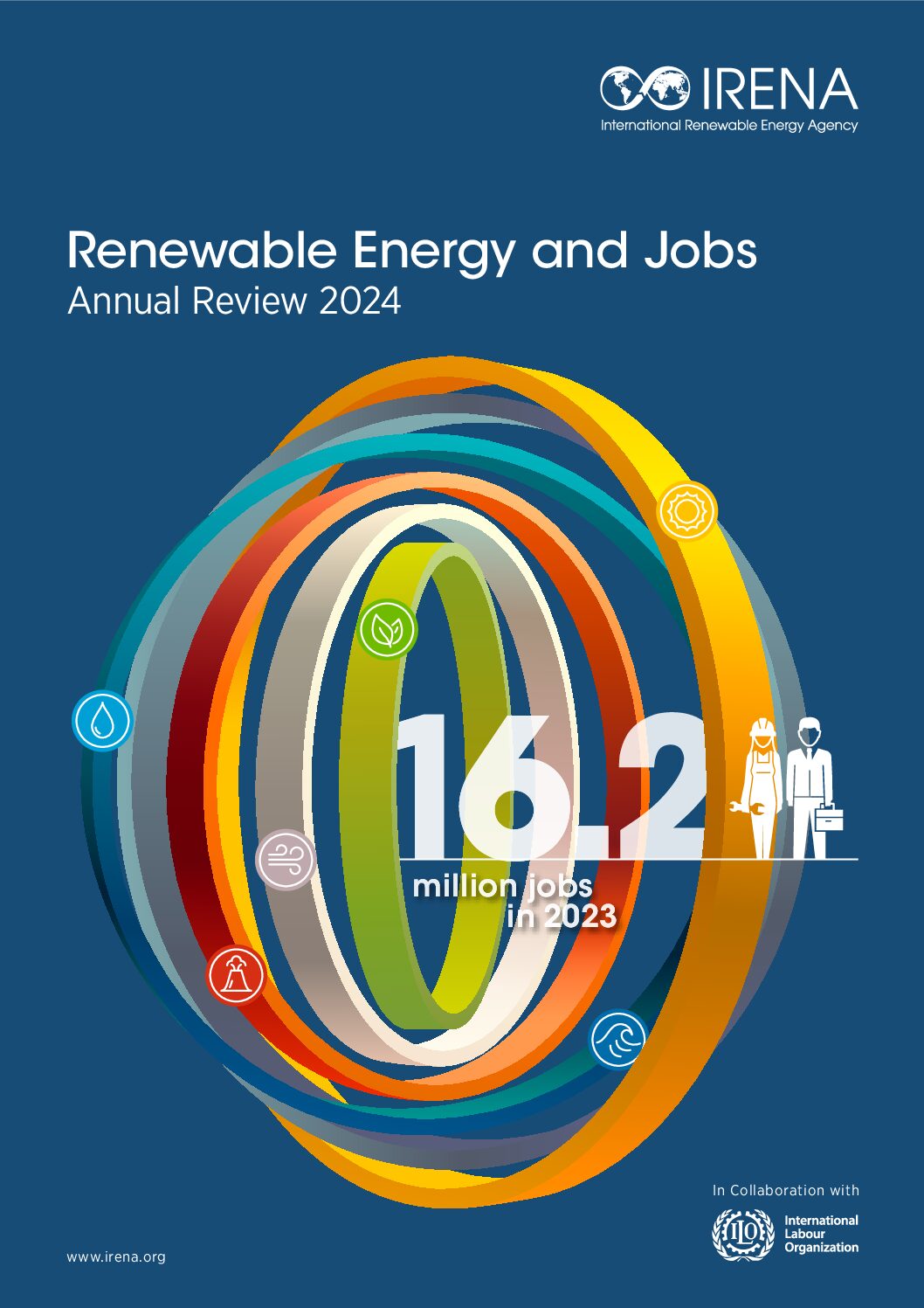
This resource provides the latest data and insights on global renewable energy employment, highlighting trends in renewable energy deployment and supply chains as well as the influence of geopolitical and geoeconomic factors. The resource serves as a valuable tool for stakeholders aiming to understand and address the employment implications of the global shift towards renewable … Continue reading “Renewable Energy and Jobs: Annual Review 2024”
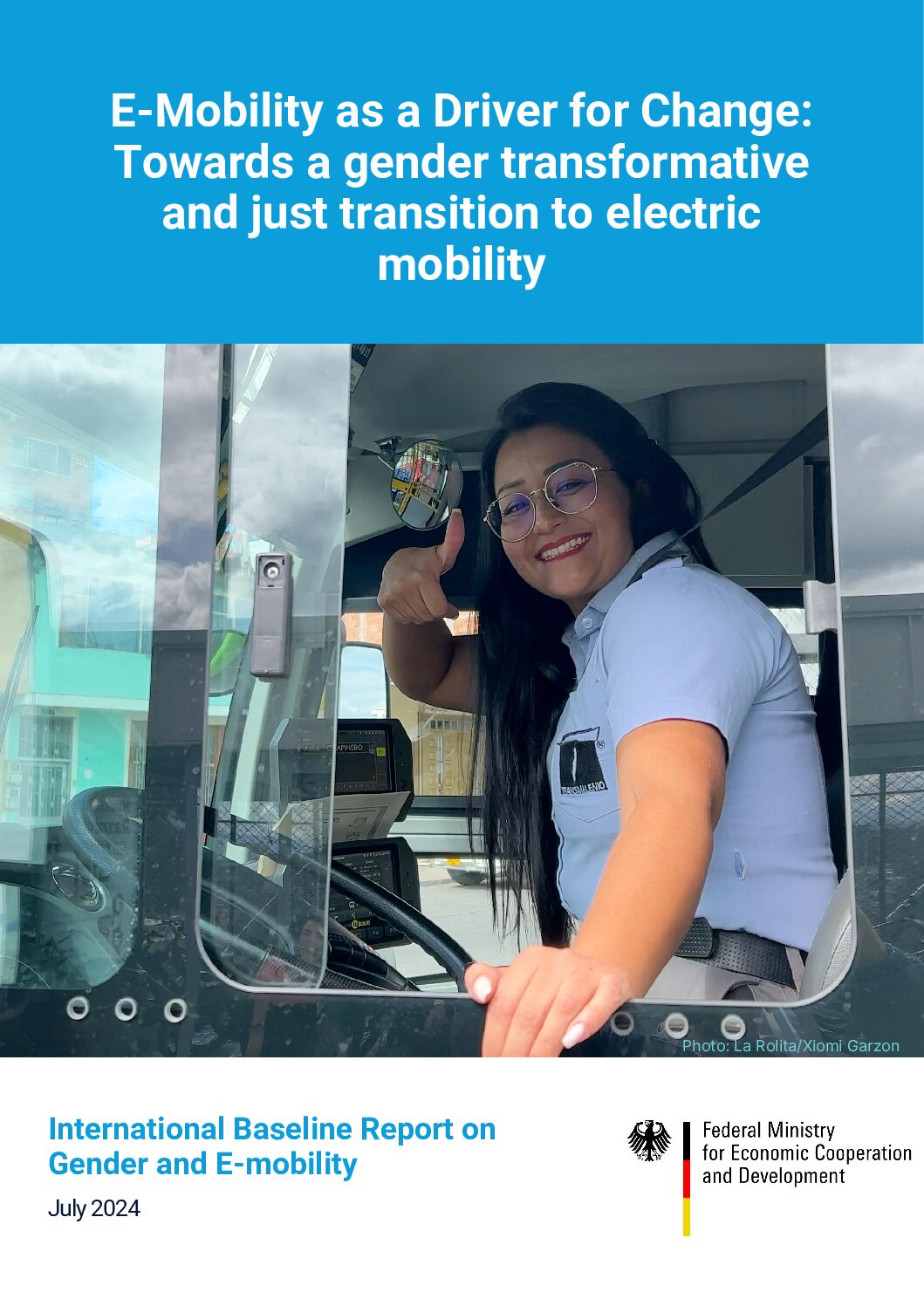
This international baseline study sets out the current state-of-the-art on the introduction of EMobility and identifies potential entry points for women to benefit and become more involved in this transition.
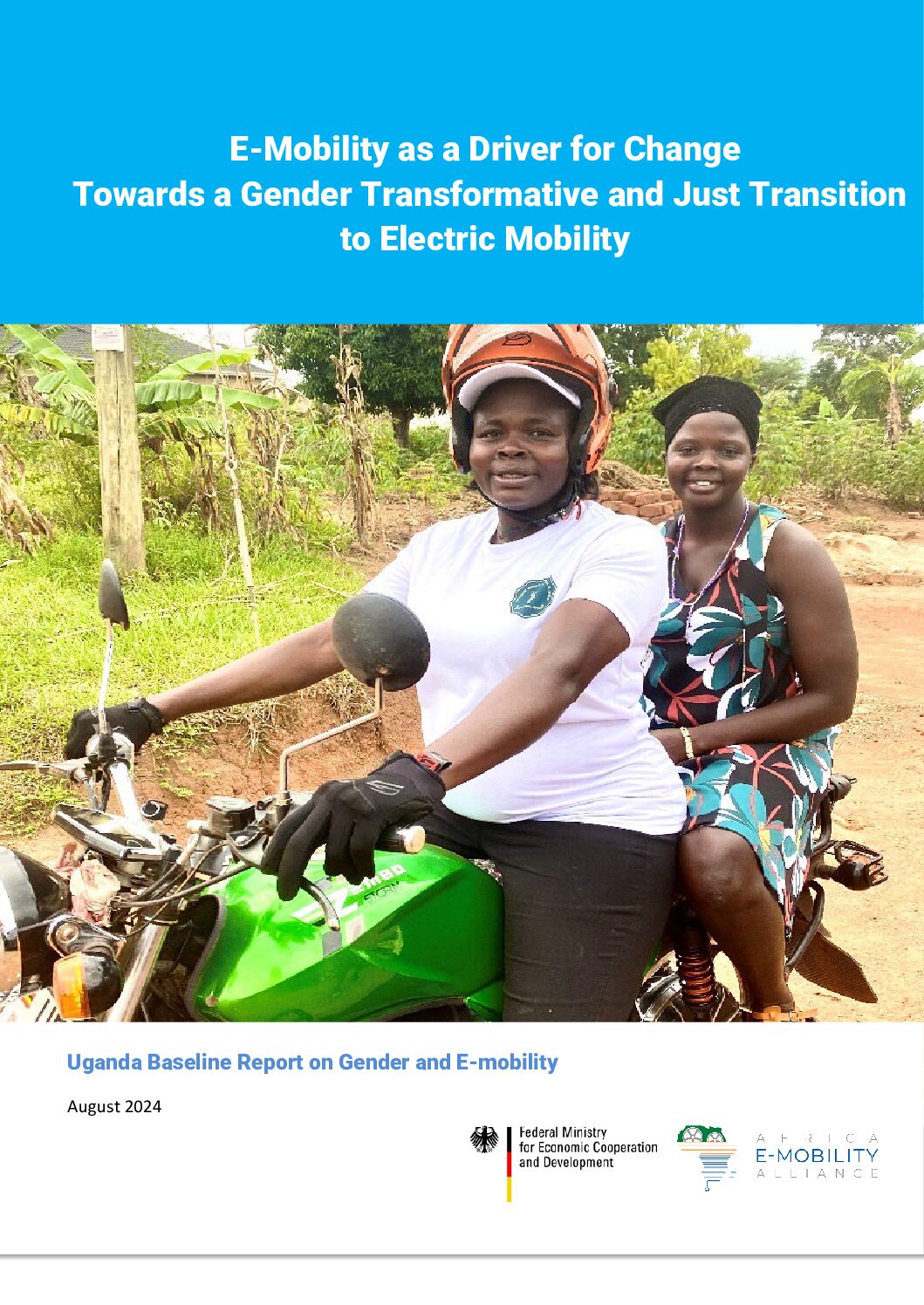
This baseline study outlines the current status of gender equality in the transport sector in Uganda, and identifies potential for the advancement of gender equality in transport while also advancing the e-mobility transition.
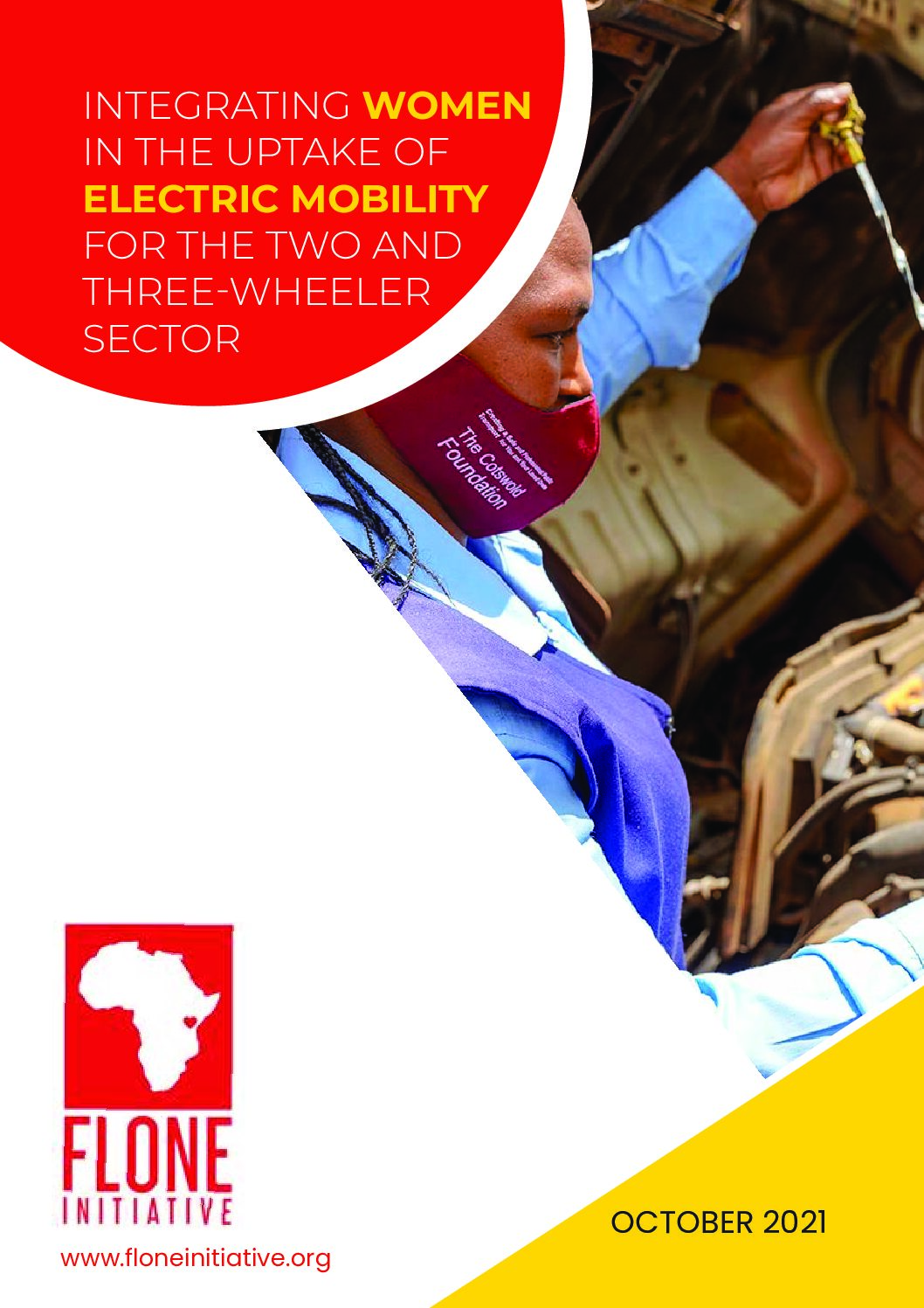
The study examines gender dimensions in the uptake of electric 2/3 wheelers in Kenya, and identifies policy gaps and available opportunities for advancing gender mainstreaming in electric mobility.
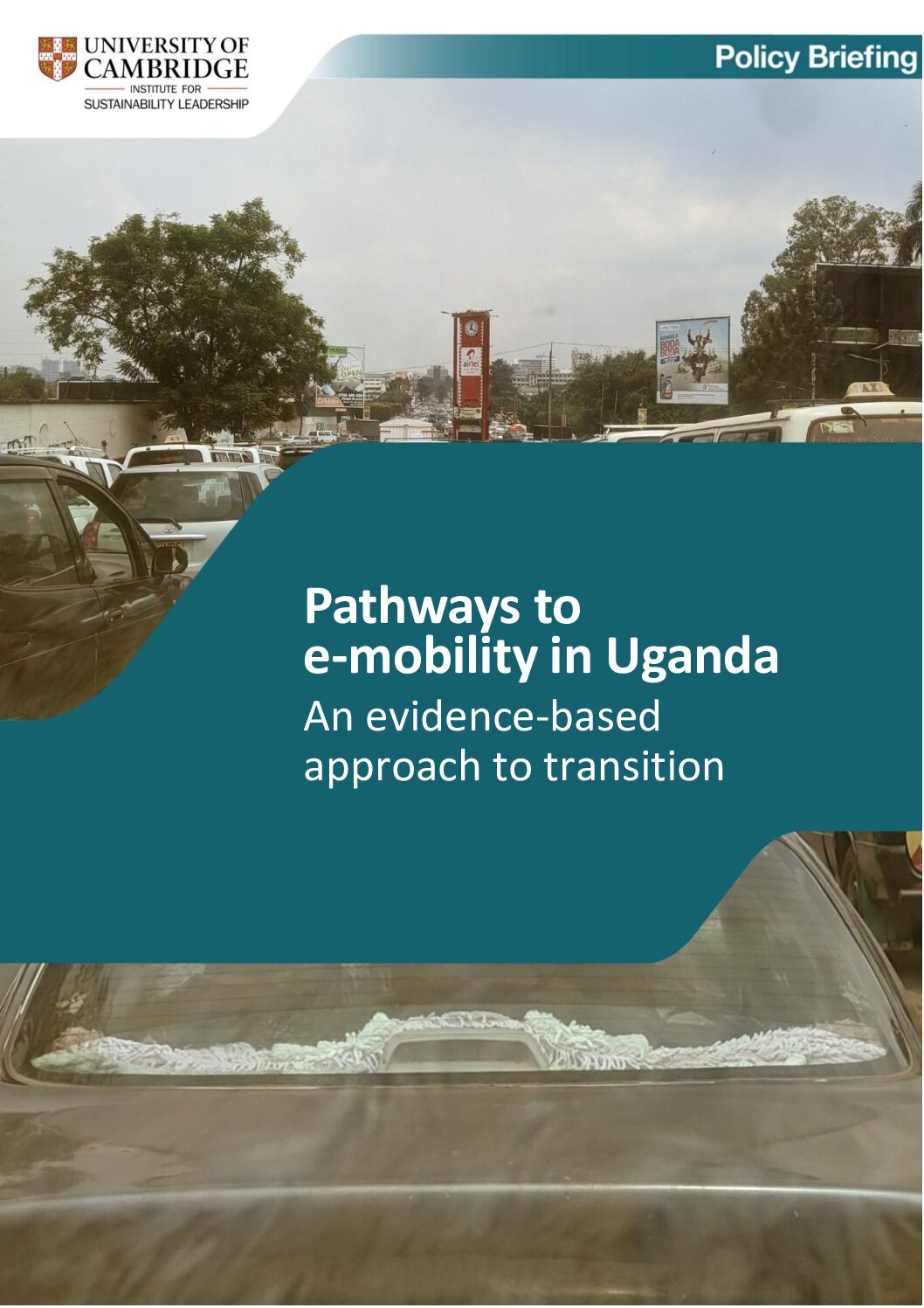
This policy briefing aimsto improve understanding of the state of e-mobility in Uganda and how best to achieve the transition to low-pollution, low carbon and jobs-rich transportation.
This report provides answers to three critical questions: Why should developing countries pursue e-mobility? When does an accelerated transition to electric vehicles (EVs) make sense for developing countries? How can governments make this transition happen?
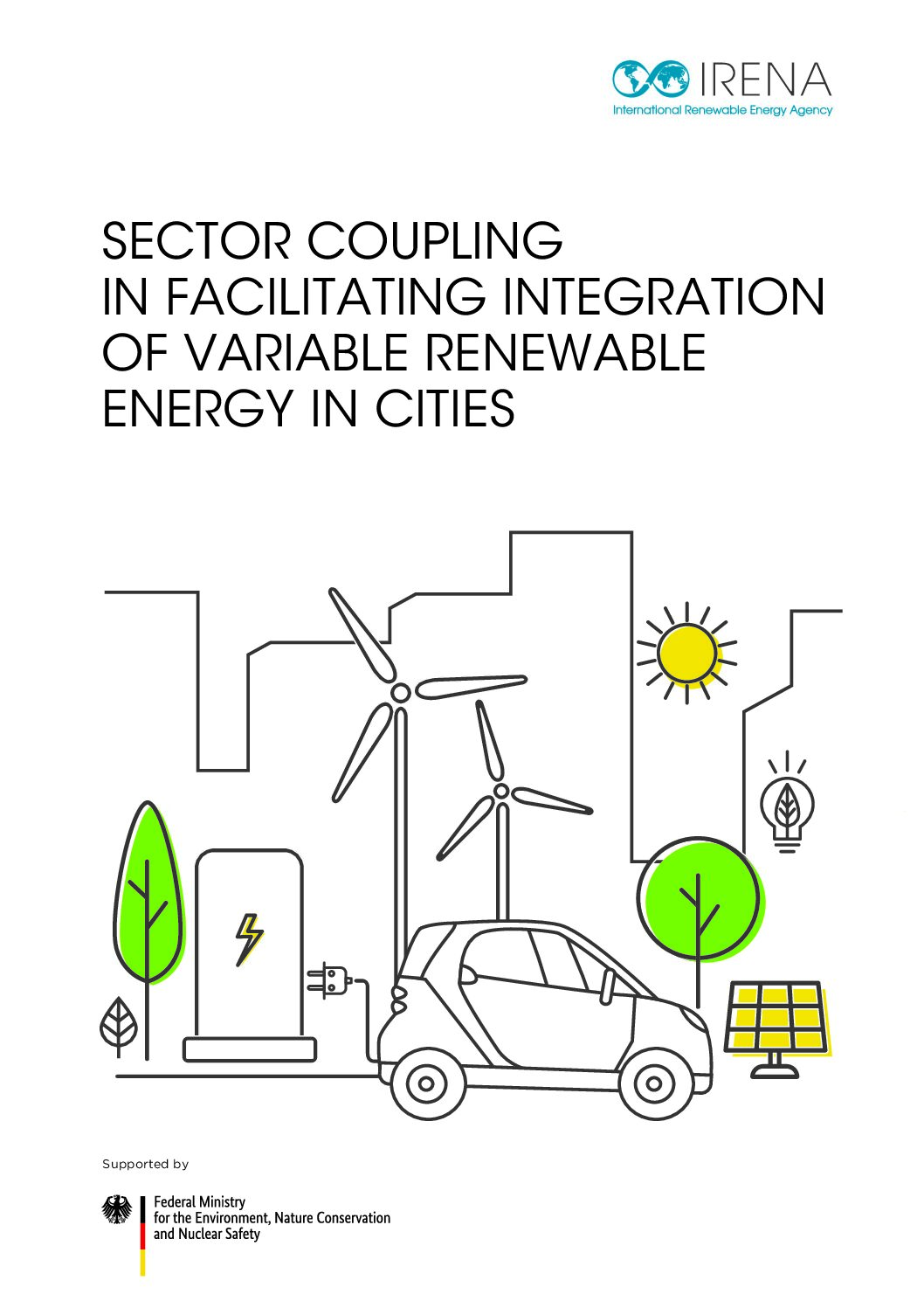
This report highlights the importance of sector coupling as a key source of flexibility that cities can explore to stabilise power grid operations when integrating high shares of variable renewable energy sources. It presents a range of sector coupling opportunities available for use in cities, including self-consumption of variable RE sources, the role of thermal … Continue reading “Sector Coupling in Facilitating Integration of Variable Renewable Energy in Cities”
This study evaluates the progress that African countries have made in their transition to e-mobility up to 2021.

The e-Mobility Toolbox is an online information portal to support development, implementation and monitoring of innovative electric mobility solutions.