
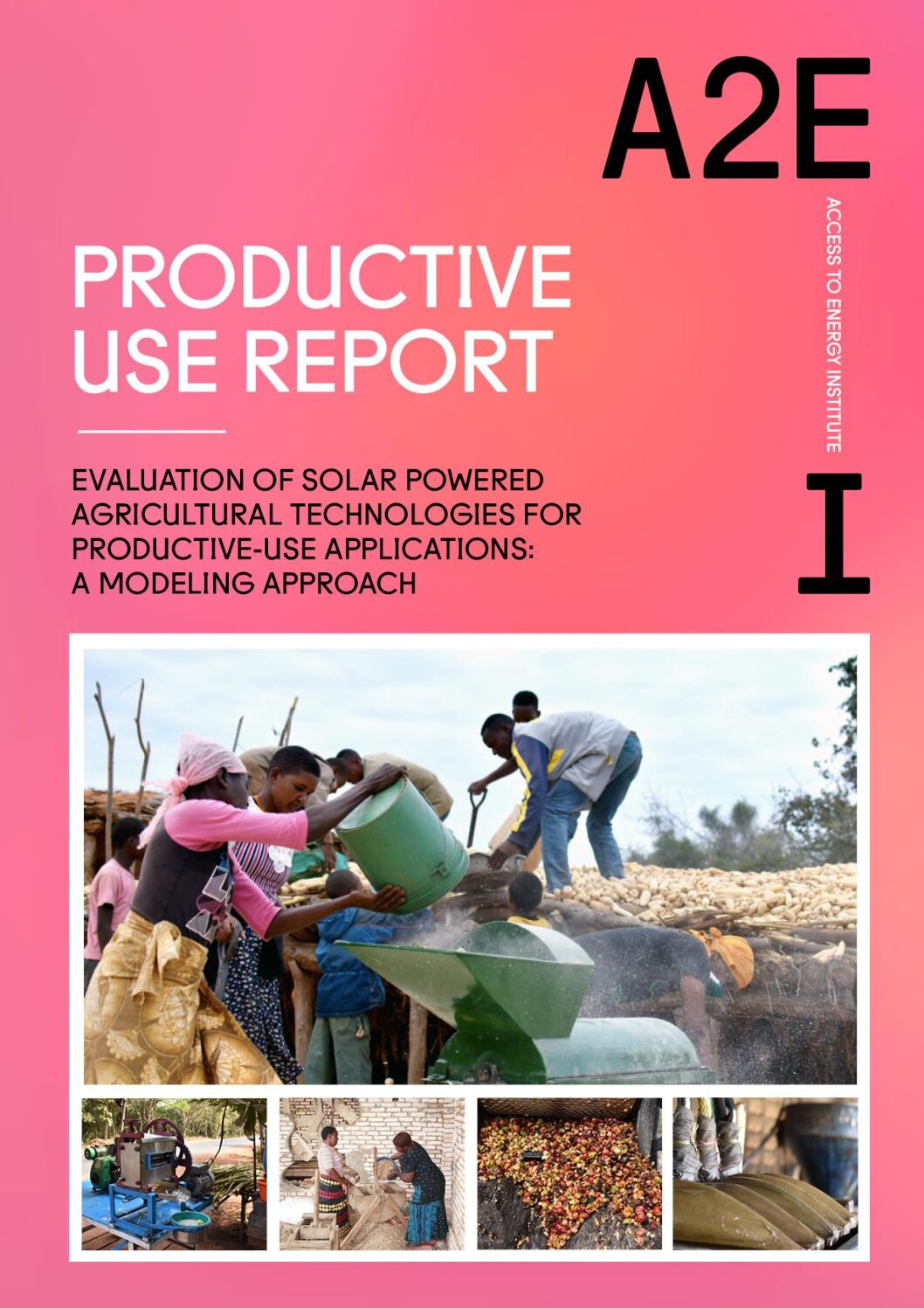
This report uses economic modelling to investigate the viability of ten different productive use applications of solar power in agriculture (oil extraction, maize shelling, rice hulling, fruit juice making, sugar cane juicing, fruit drying, flour milling, peanut shelling and coffee pulping). It investigates each technology in detail and then calculates the profits and other benefits … Continue reading “Productive Use Report – Evaluation of solar-powered agricultural technologies for productive-use applications: A modelling approach”
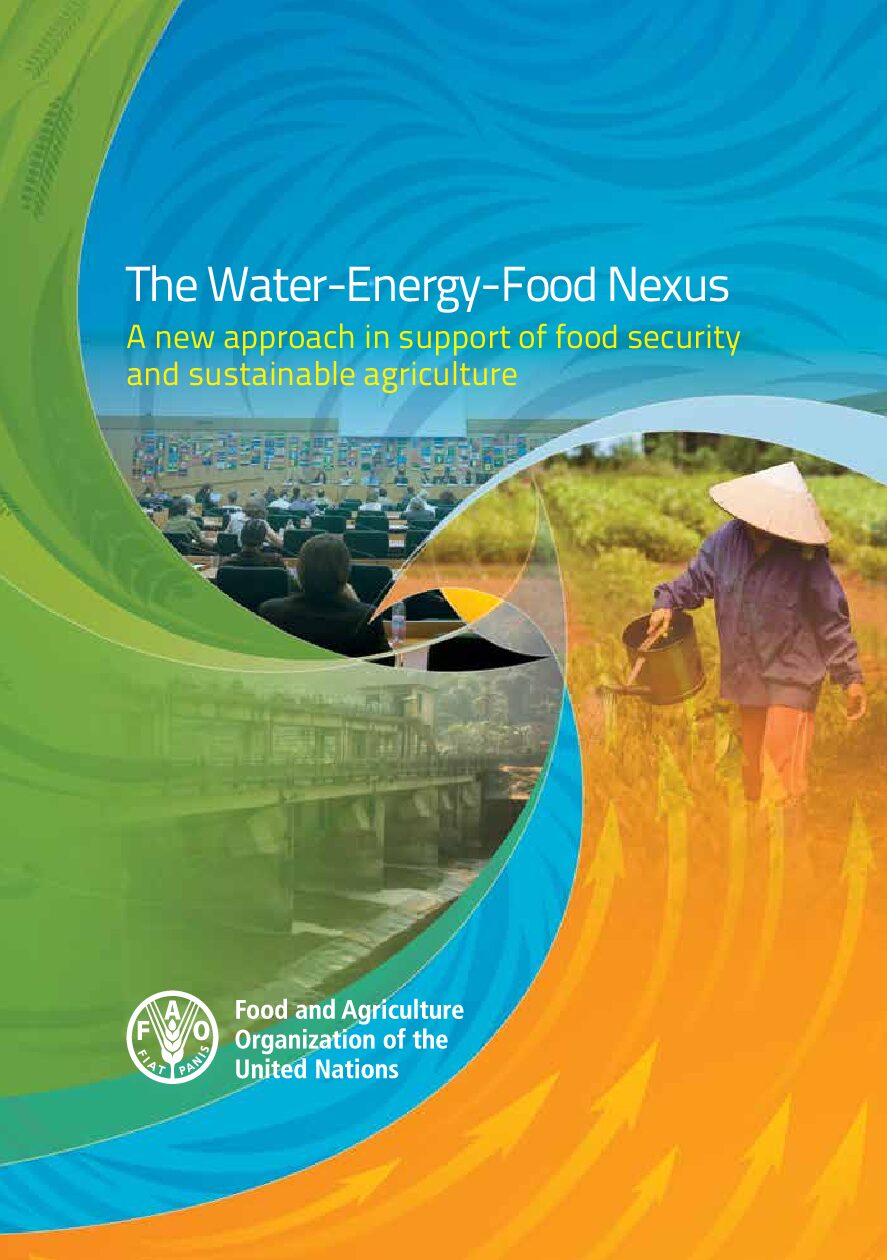
This brief report introduces the concept of the WEF nexus and explains how the FAO has applied the nexus approach in its work, with many case study examples.
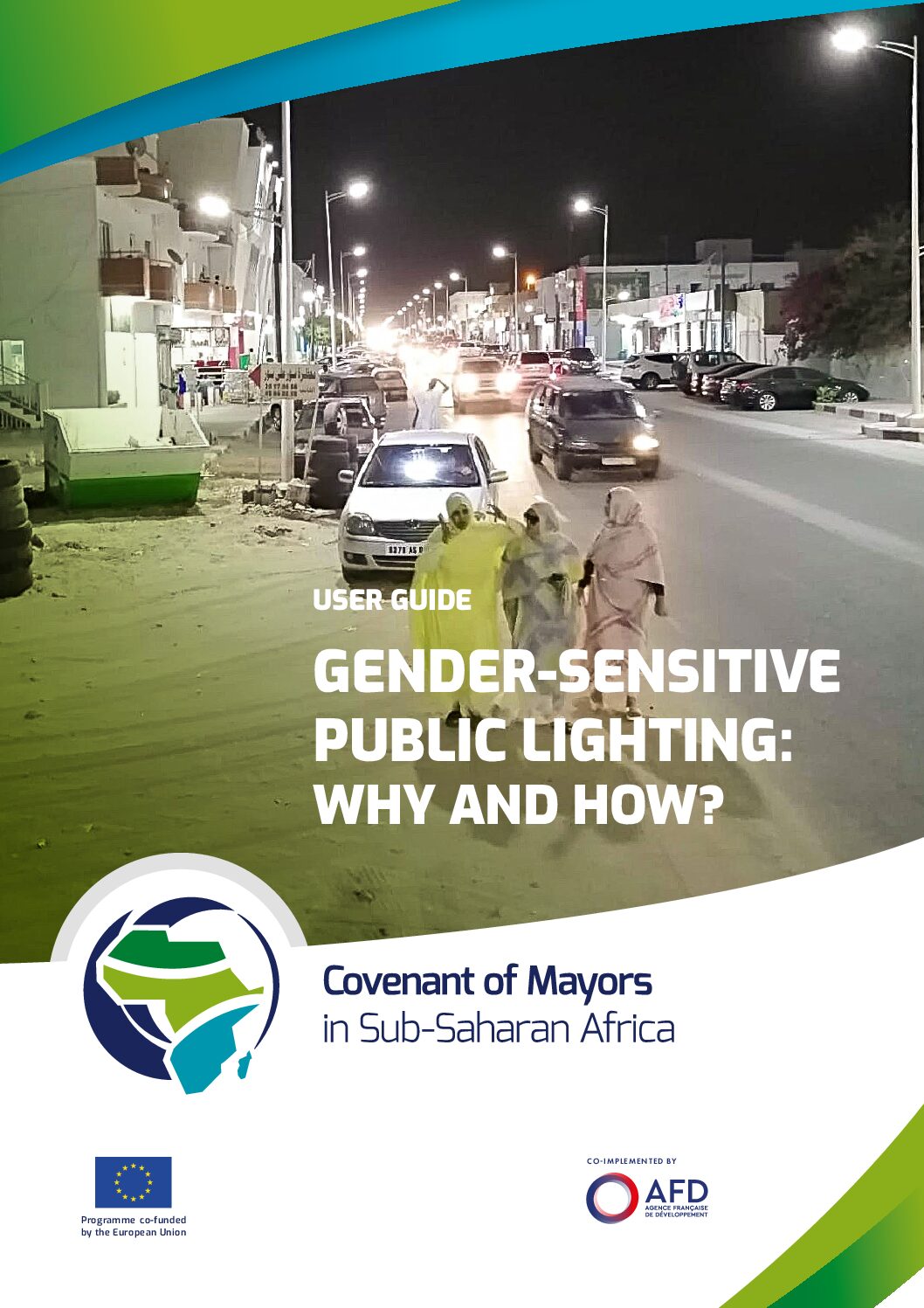
This guide by the Covenant of Mayors of Sub-Saharan Africa shows that urban planning tends to be gender blind, with the design of urban street lighting as a key example. It provides a manual, aimed at African cities, on how to develop gender-responsive public lighting projects. English: https://comssa.org/download/rxeWs6zcOXbTl8qRidGZ9nCB7EFAI4Pa/Gender-sensitive-public-lighting.pdf French: https://comssa.org/download/U3kjdTBHqV6FGKfoI71EgLY2wZrSvtz8/Eclairage-public-sensible-au-genre.pdf
This is a how-to-guide by the RRC.AP for practitioners developing GCF projects. It explains the importance of an exit strategy, different exit strategy approaches, and the process for formulating an exit strategy. It also provides good practice examples.
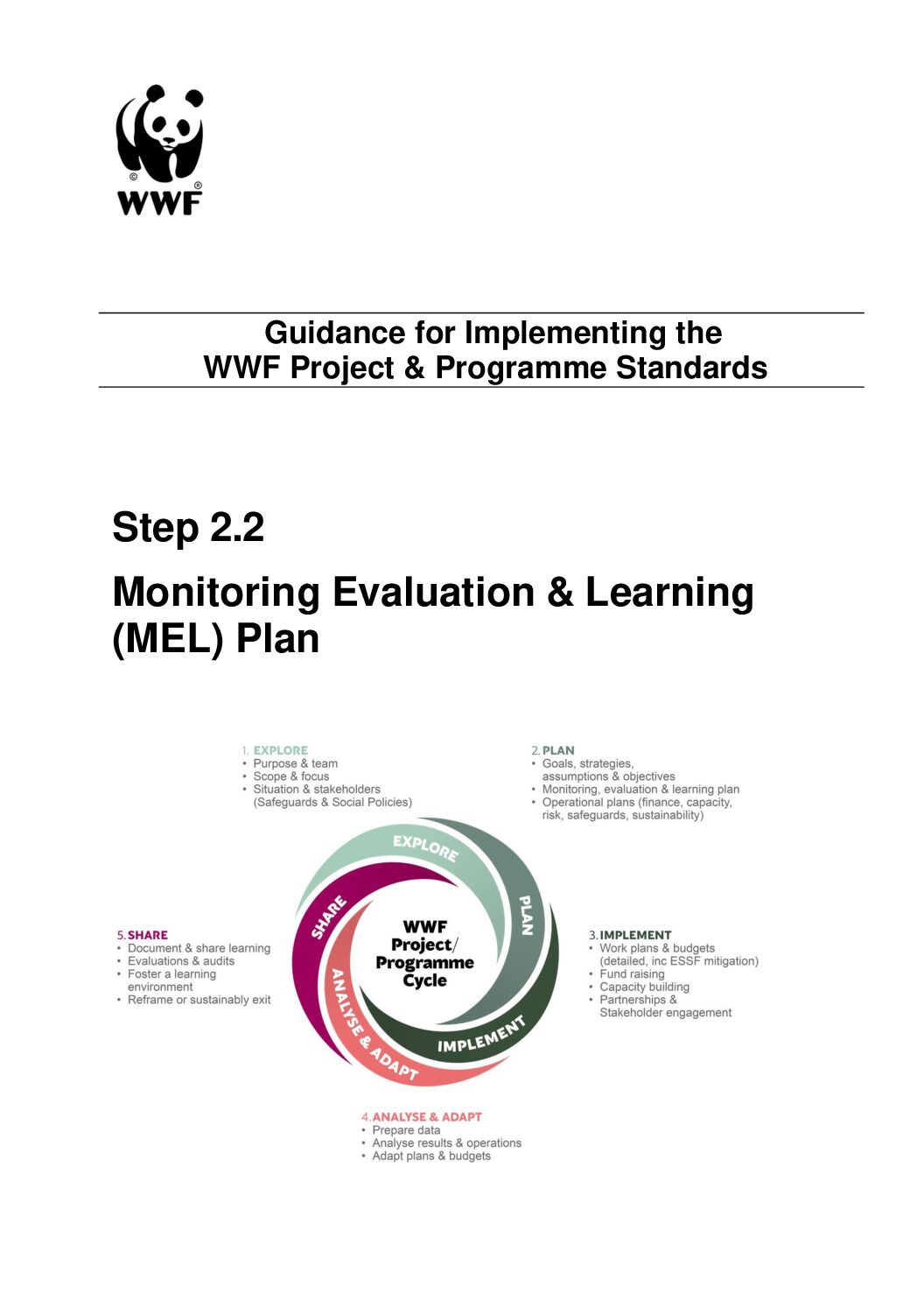
This guide by the WWF explains the process of developing a monitoring, evaluation and learning plan for your project.
This page is part of a UNDP guide to enterprise risk management (ERM). It explains how to identify risks, how to classify them and how to determine a response.
This guide walks you through the different stages of developing a logical framework for a climate project. It was written for practitioners developing concepts for large Green Climate Fund programmes, so you may not need to include all of the aspects in your proposal, but it is nonetheless useful to know what funders like to … Continue reading “Developing a Basic Logical Framework for your Concept Note”
This slide deck explains briefly, and using visuals and examples, how to develop a theory of change and logical framework for your project.
These two blogs (available in English and Spanish) explain why you should undertake stakeholder mapping, how to go about it, and how to engage the stakeholders you have identified.
People need water, energy, and food to sustain their livelihoods, grow economies, and achieve sustainable development. The interactions between these resource sectors form the crux of water-energy-food (WEF) nexus assessments. This study analyses the WEF nexus of 54 African nations and identifies bottlenecks resulting from water, energy, or food insecurity.