
Government spending and other forms of actual support to renewable energy is a blind spot at the international level. To help address the knowledge gap, IISD developed an inventory of public financial support for renewable energy generation and integration by G20 governments. It shows that G20 governments provided over $168 billion in public financial support […]
Despite strong calls for energy subsidy reforms, governments around the world still spend billions subsidising fossil fuel consumption each year. This report investigates how reforms can be designed that work in practice, drawing on over a decade of World Bank experience supporting these processes.
This video by UNIDO’s Industrial Decarbonization Accelerator provides a quick introduction to the benefits of energy management systems, as well as tips on how to implement one.
This explainer by the German Heinrich Böll Foundation provides a quick overview of green hydrogen, the way it is produced, the role it can play in the energy transition, and the main challenges.
A course on energy subsidies, their costs, and the design of a successful reform based on country case studies.
This chapter provides an overview of energy tax and subsidy patterns in the 71 countries covered in the report and estimates the net effect of energy taxes and subsidies on public finances.
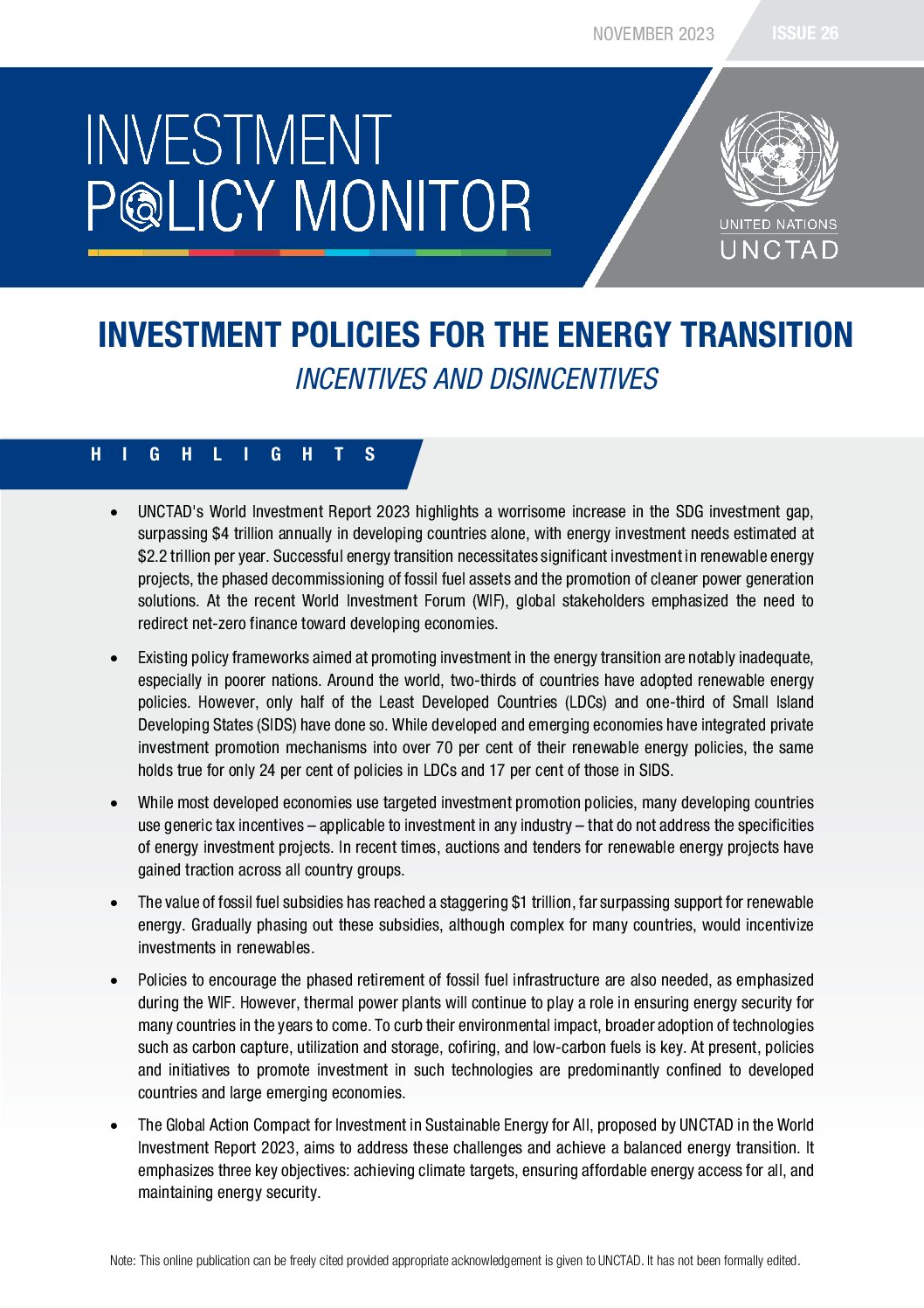
This edition of the Investment Policy Monitor assesses the global landscape of fossil fuel subsidies and promotion of investment in the energy transition.
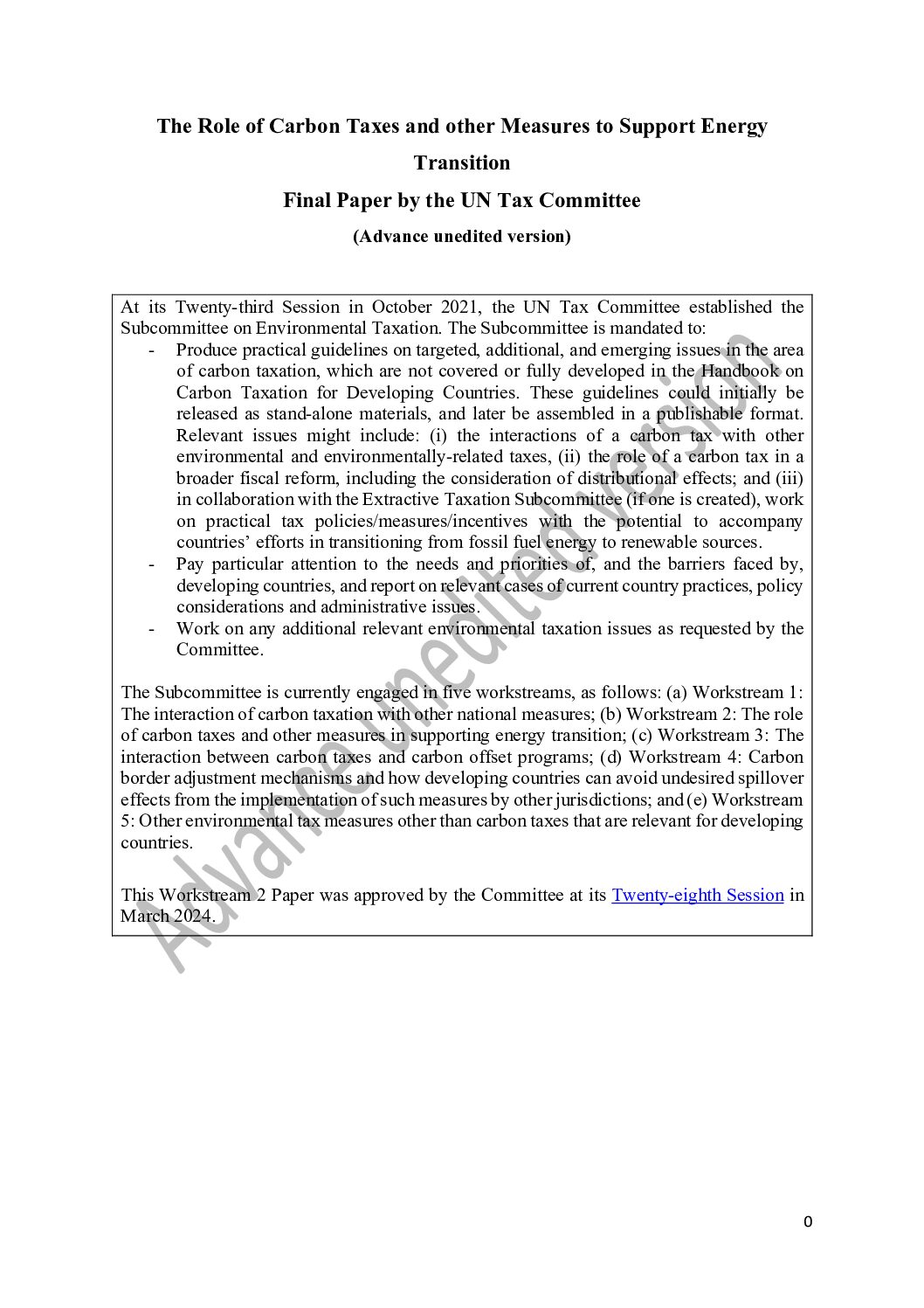
This paper investigates the role of carbon taxes in the energy transition, with case studies from Chile, Ghana, Indonesia and Jamaica.
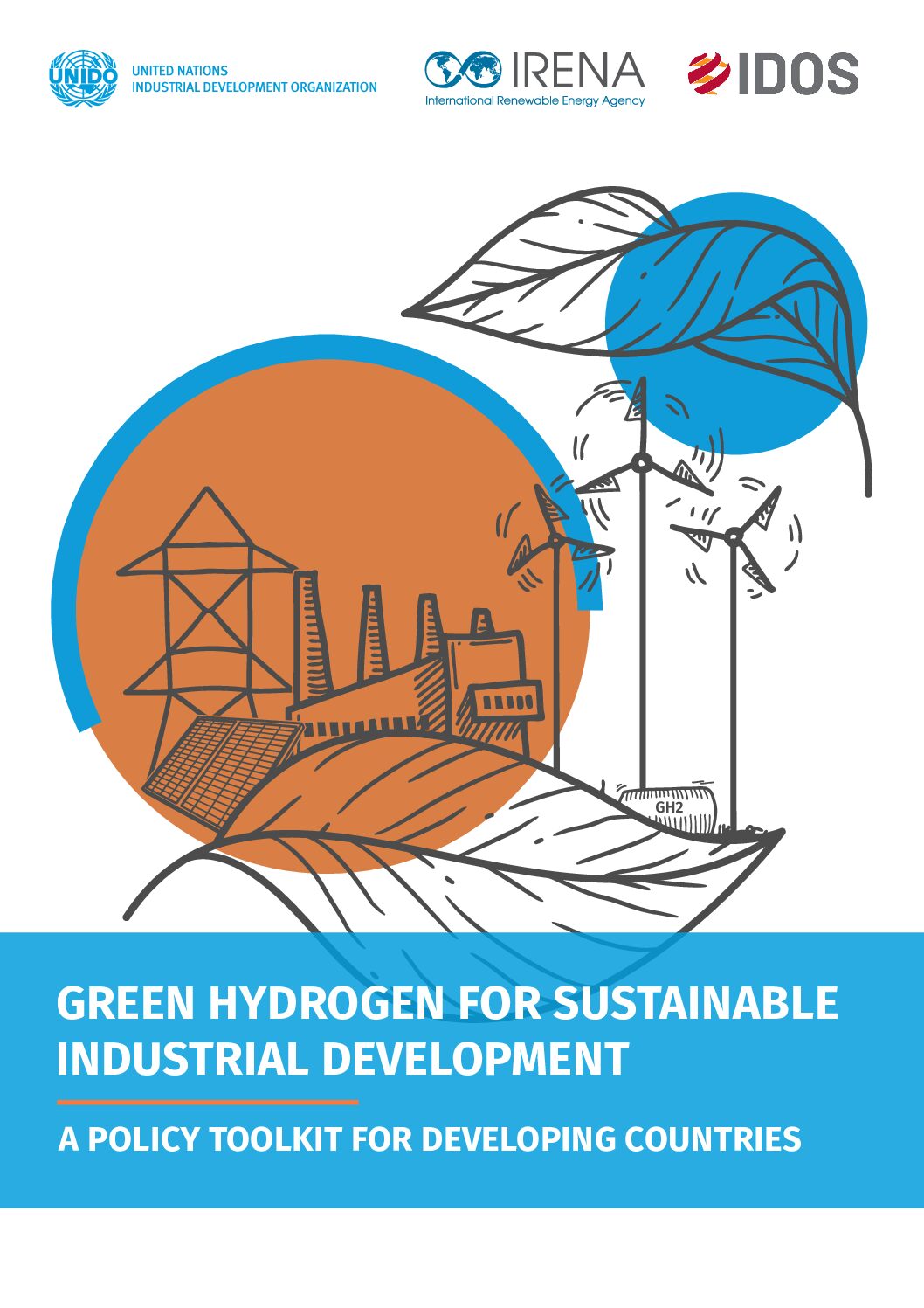
This report challenges the prevailing narrative that green hydrogen is primarily a product for export from renewable-rich and industry-poor countries; rather, it underscores green hydrogen’s potential as a catalyst for sustainable development within developing countries that can contribute to economic growth, environmental sustainability and social progress.
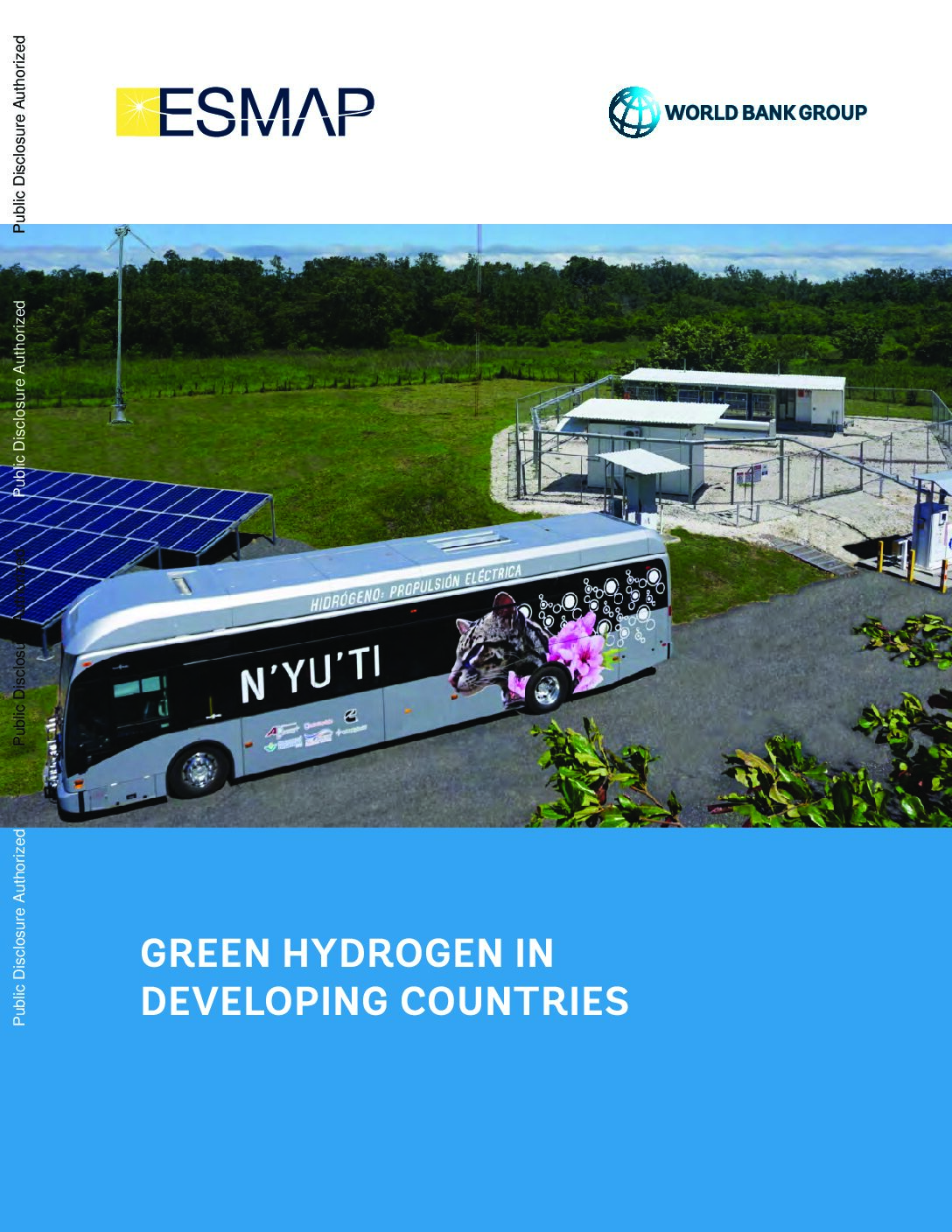
This report focuses on how green hydrogen and fuel cell technologies could be initially rolled out in developing countries by presenting a series of applications that could be initially deployed in some locations and later scaled up.