
This second edition from 2025 provides an update to the landmark report from 2019, based on a new survey of 1192 individuals working in the sector, and 233 companies and organizations. The headline finding was that despite widespread efforts, the share of women in renewable energy has not grown over the past six years: it … Continue reading “Renewable energy: A gender perspective (Second edition)”
These Greening TVET guidelines provide a comprehensive framework to promote sustainable development within TVET institutions. By showing how to embed environmental sustainability and gender equity into institutional practices, the guidelines aim to equip TVET institutions with the tools needed to foster a green economy.
This report provides comprehensive analysis of the global energy workforce, including estimates of its size and distribution across regions, sectors, and technologies. It also assesses how energy labour requirements evolve to 2035 across all IEA scenarios.
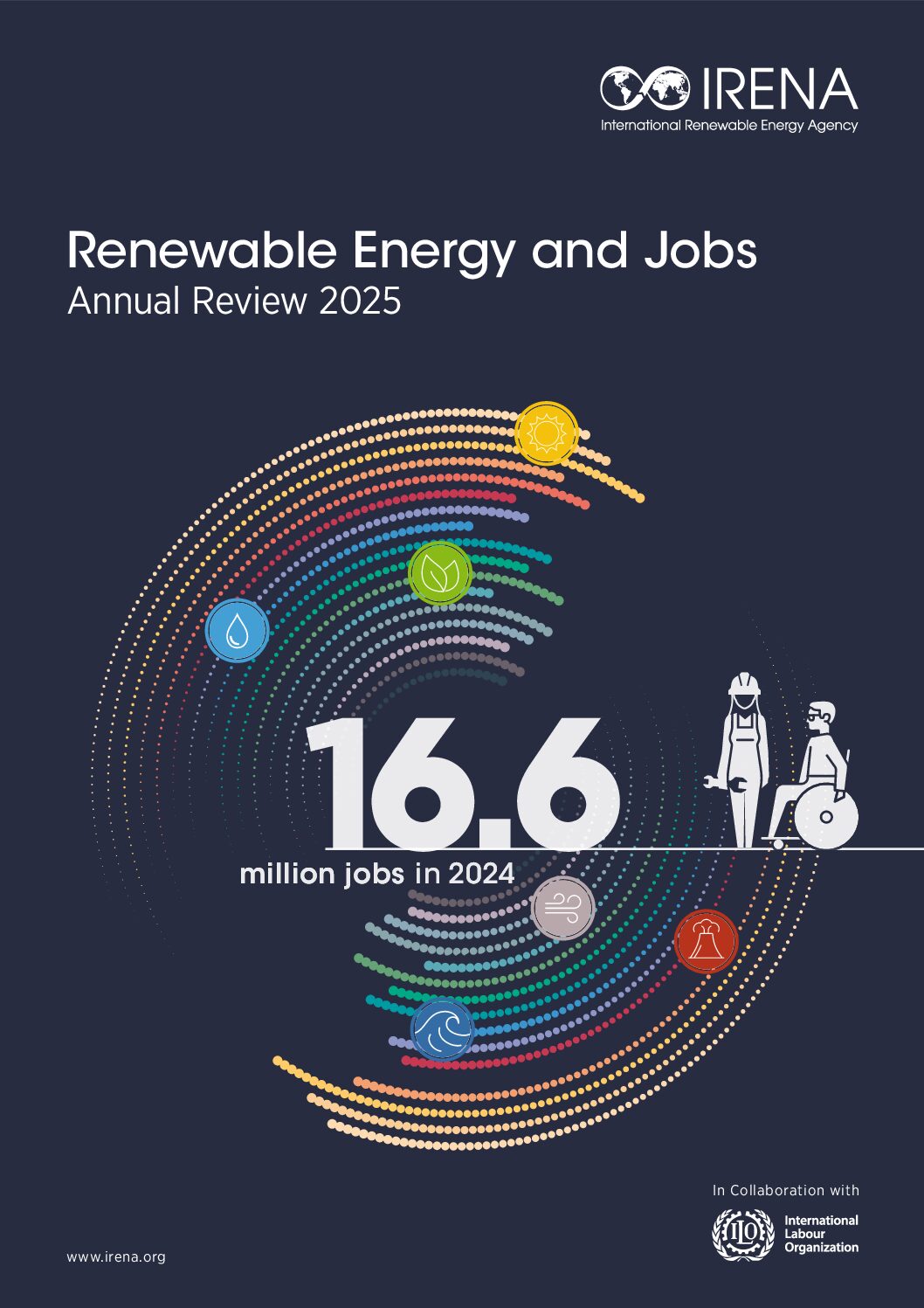
This resource provides the latest data and insights on global renewable energy employment, highlighting trends in renewable energy deployment and supply chains as well as the influence of geopolitical and geoeconomic factors. The resource serves as a valuable tool for stakeholders aiming to understand and address the employment implications of the global shift towards renewable … Continue reading “Renewable energy and jobs: Annual review 2025”
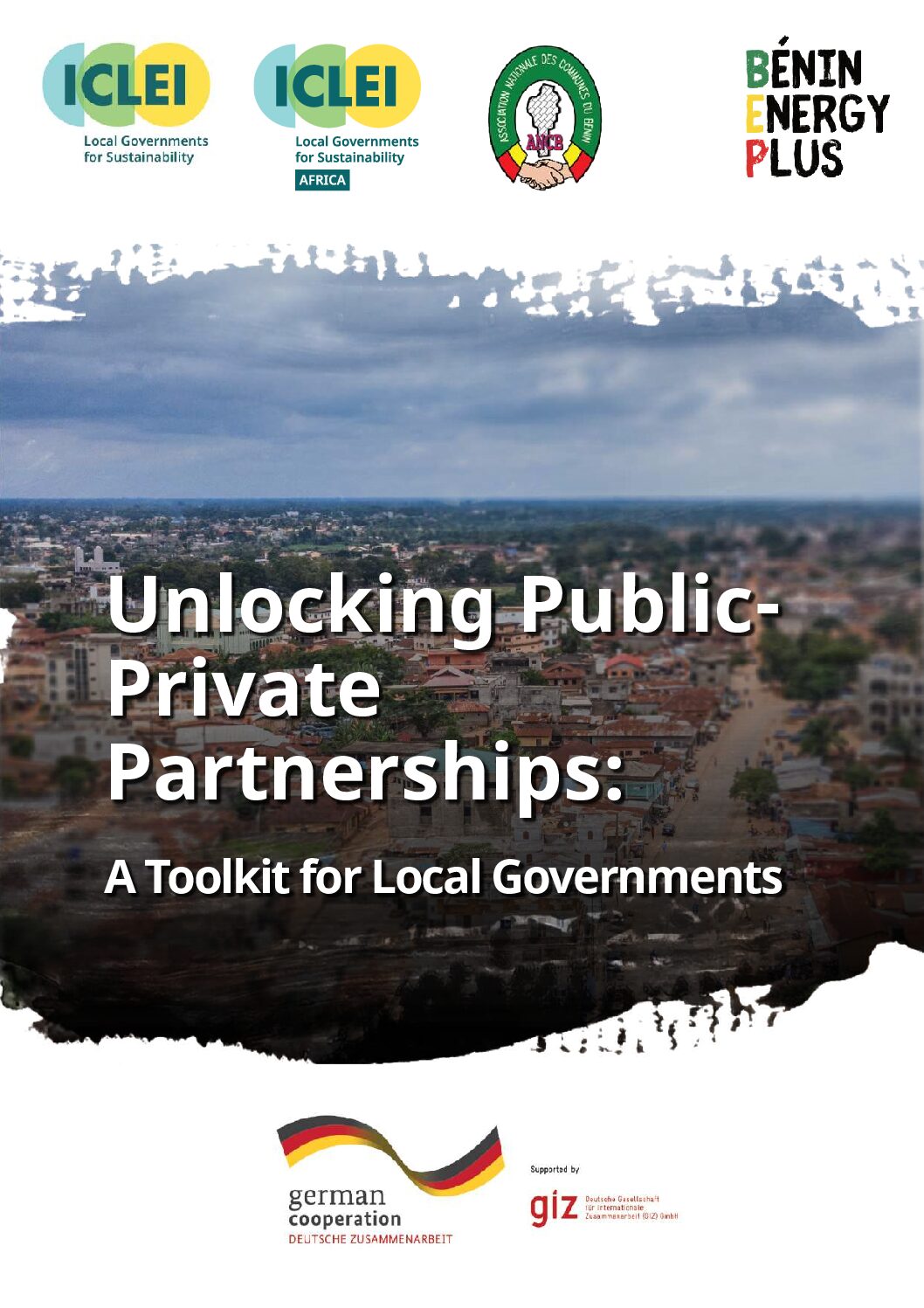
This toolkit serves as a one-stop-shop to support local and regional governments to identify, design and implement renewable energy projects in public-private partnerships. It provides practical advice on: 1) the decision-making process that leads to establishment of a PPP 2) division of tasks, goals and risk management between the partners engaged in the PPP, as … Continue reading “Unlocking Public-Private Partnerships: A Toolkit for Local Governments”
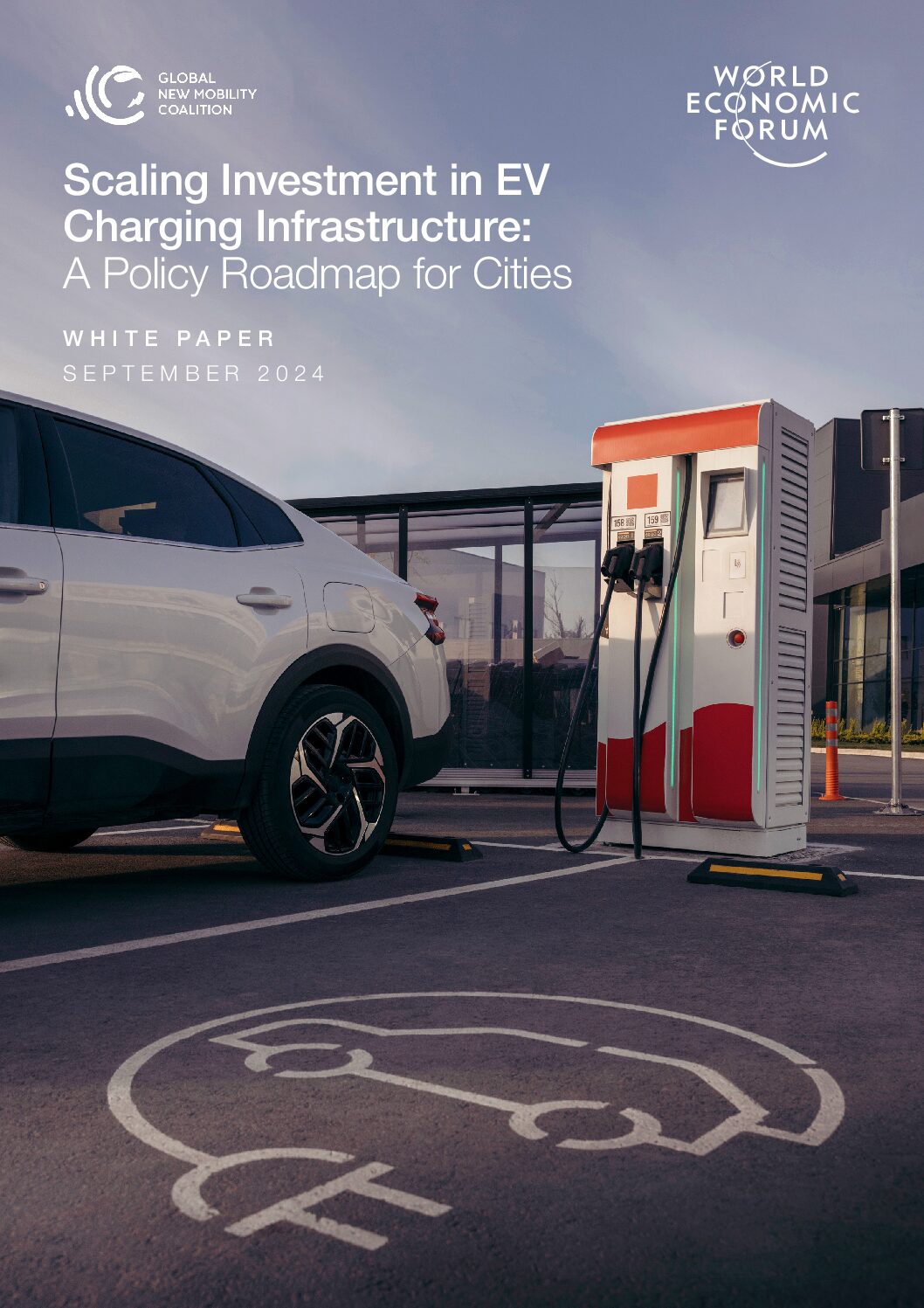
This report by the C40 Cities Climate Leadership Group provides an overview of actions city governments can take to develop an enabling environment for the expansion of EV charging infrastructure, including by working with the private sector and attracting outside investment.
Africa has installed wind capacity of just 9 GW – less than 1% of the global total. However, there is increasing recognition of both the benefits of wind energy and Africa’s enormous potential, and the Global Wind Energy Council expects this capacity to grow by 900% in the coming years. This presentation by the International … Continue reading “Exploring Africa’s Untapped Wind Potential”
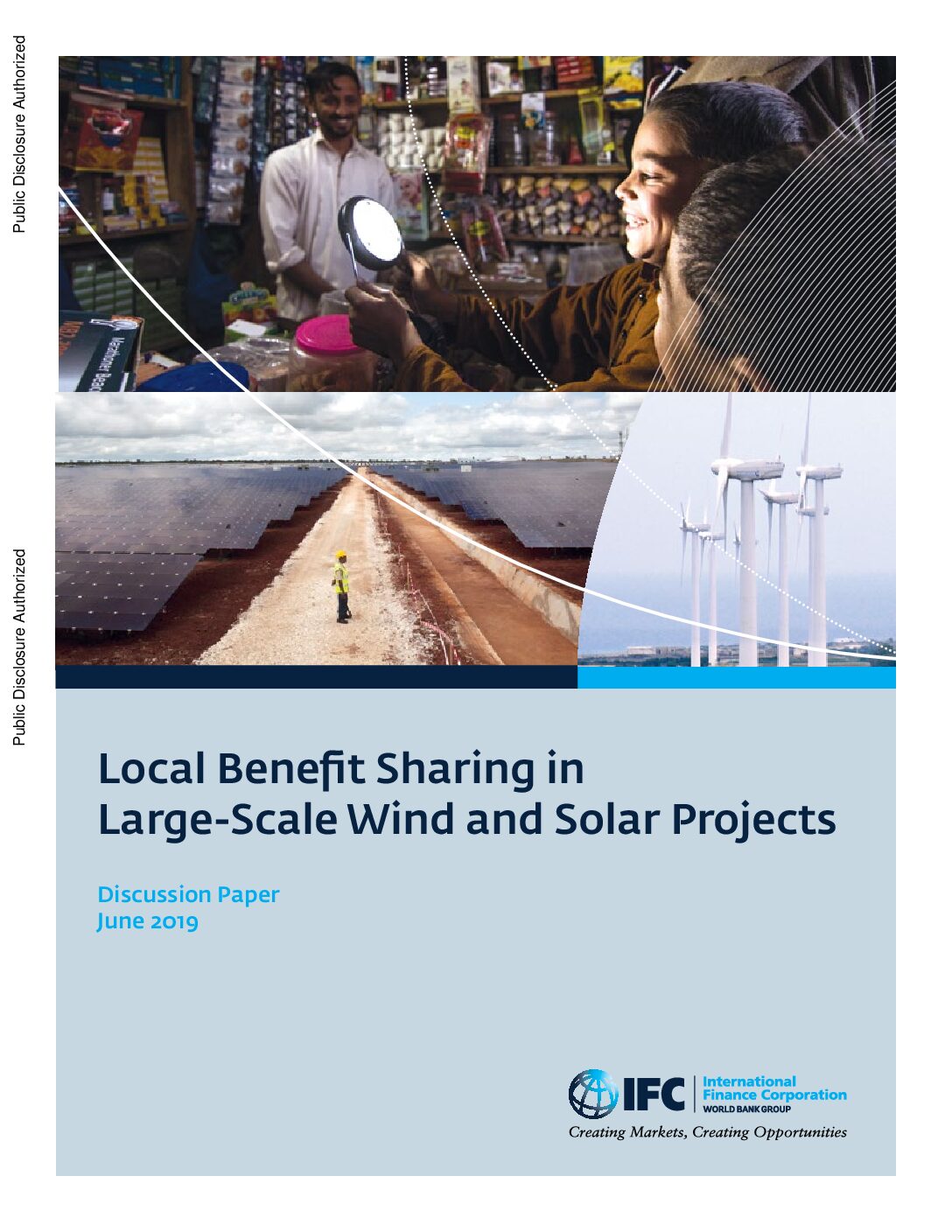
Wind farms tend to be large projects built in relatively remote areas, and in the past, they have often generated more disturbance than benefits for local communities. This World Bank report discusses models that allow host communities of wind energy projects to benefit more from those projects.
This is Energypedia’s Wind Portal. It provides an overview of wind energy technology, preparatory studies needed to plan a wind energy project, wind energy policy frameworks, and wind energy project implementation, operation, MEL and impacts.
This report assesses the effectiveness of women in energy networks worldwide and offers best practices and recommendations for networks under development or those aiming to enhance their impact.