
This second edition from 2025 provides an update to the landmark report from 2019, based on a new survey of 1192 individuals working in the sector, and 233 companies and organizations. The headline finding was that despite widespread efforts, the share of women in renewable energy has not grown over the past six years: it … Continue reading “Renewable energy: A gender perspective (Second edition)”
This webpage provides an introduction to smart grids, an overview of recent progress and recommendations for governments and utilities.

The Industrial Deep Decarbonisation Initiative, established by the UN Industrial Development Organization (UNIDO) and the Clean Energy Ministerial, is a coalition of governments and companies. Among its goals, it seeks to motivate governments, which are major buyers of steel, cement and concrete for infrastructure projects, to apply sustainable procurement principles and prioritise the buying of … Continue reading “Decarbonizing steel, cement and concrete: An overview of the Industrial Deep Decarbonisation Initiative”
This report provides baseline data on women’s employment in renewable energy, as well as information on barriers to gender equality and recommendations to close gender gaps.
This report provides baseline data on women’s employment in wind energy, as well as information on barriers to gender equality and recommendations to close gender gaps.

This report provides baseline data on women’s employment in solar energy, as well as information on barriers to gender equality and recommendations to close gender gaps.
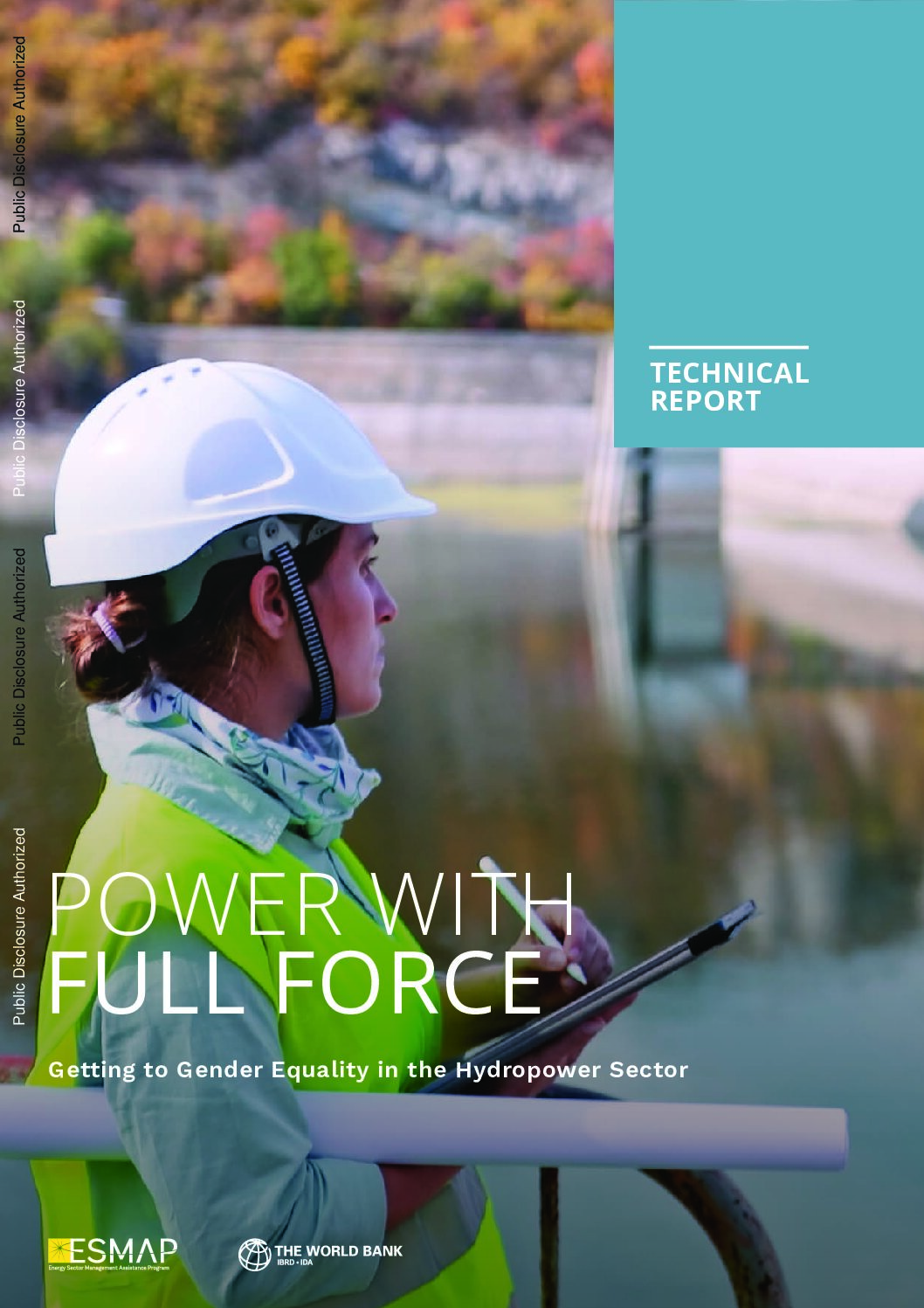
This report provides baseline data on women’s employment in hydropower, as well as information on barriers to gender equality and recommendations to close gender gaps.
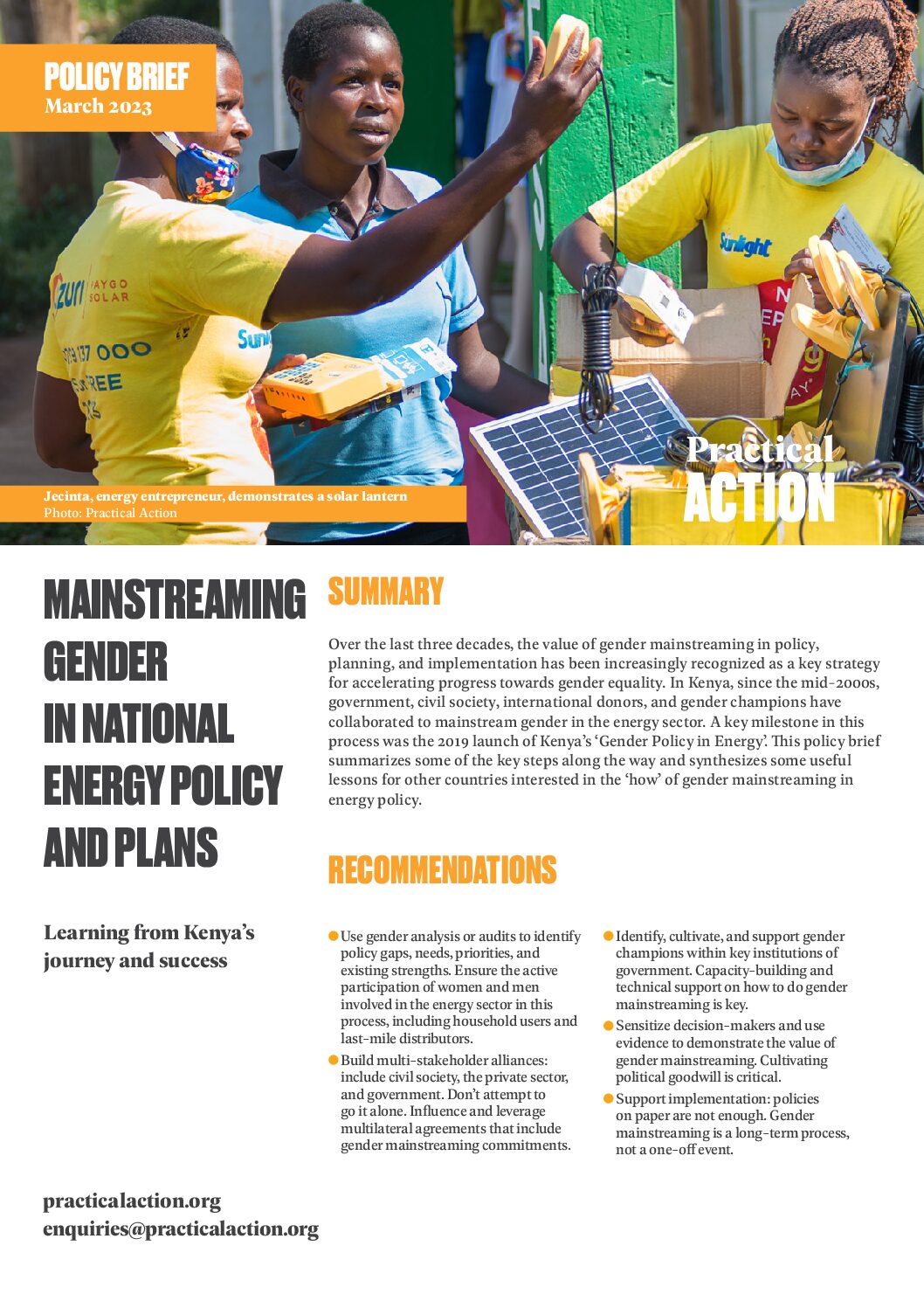
This brief shares learnings about mainstreaming gender in energy policies, based on the process through which the Government of Kenya developed its Gender Policy in Energy.
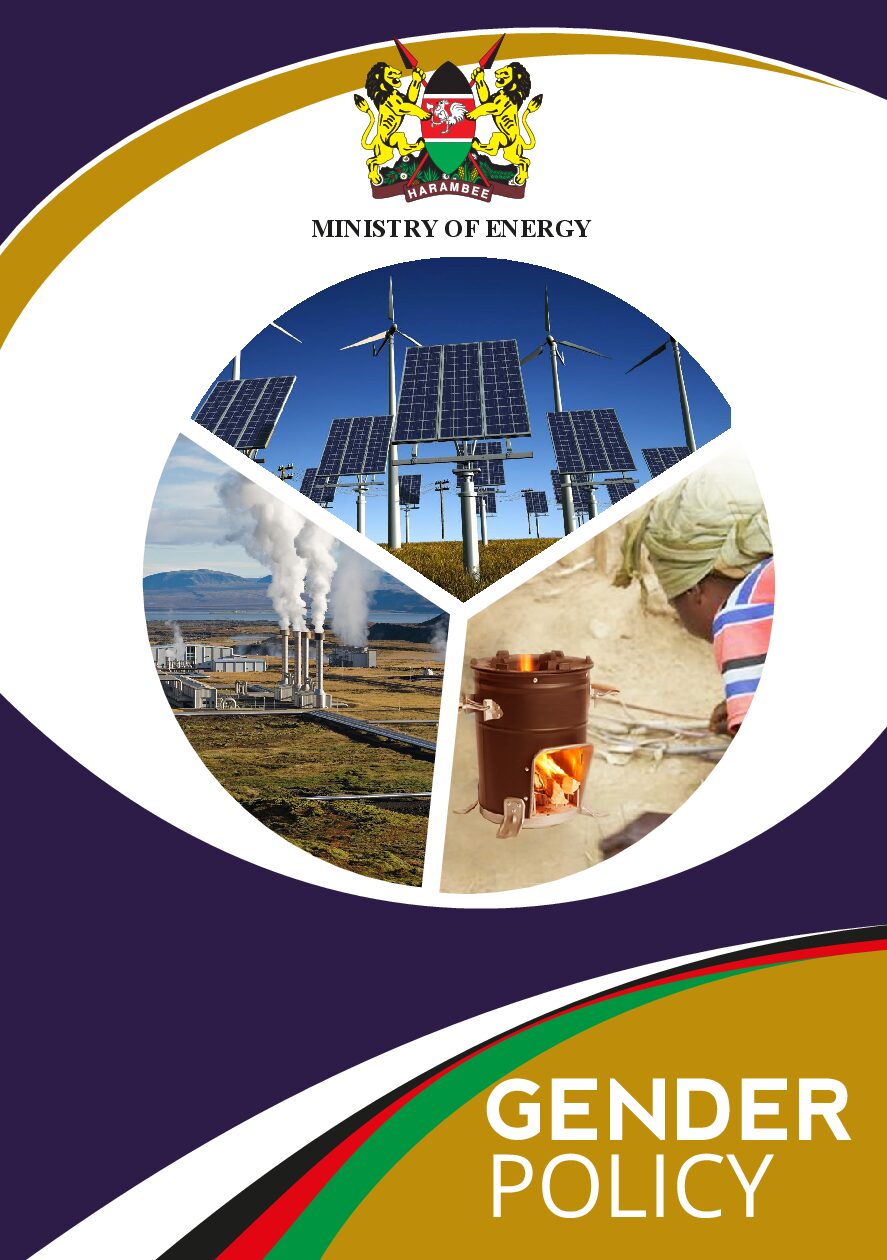
This is a good practice example of a gender policy for a national energy ministry.
This article assesses the effectiveness of gender audits to mainstream gender in energy policy.