
These Greening TVET guidelines provide a comprehensive framework to promote sustainable development within TVET institutions. By showing how to embed environmental sustainability and gender equity into institutional practices, the guidelines aim to equip TVET institutions with the tools needed to foster a green economy.
This report provides comprehensive analysis of the global energy workforce, including estimates of its size and distribution across regions, sectors, and technologies. It also assesses how energy labour requirements evolve to 2035 across all IEA scenarios.
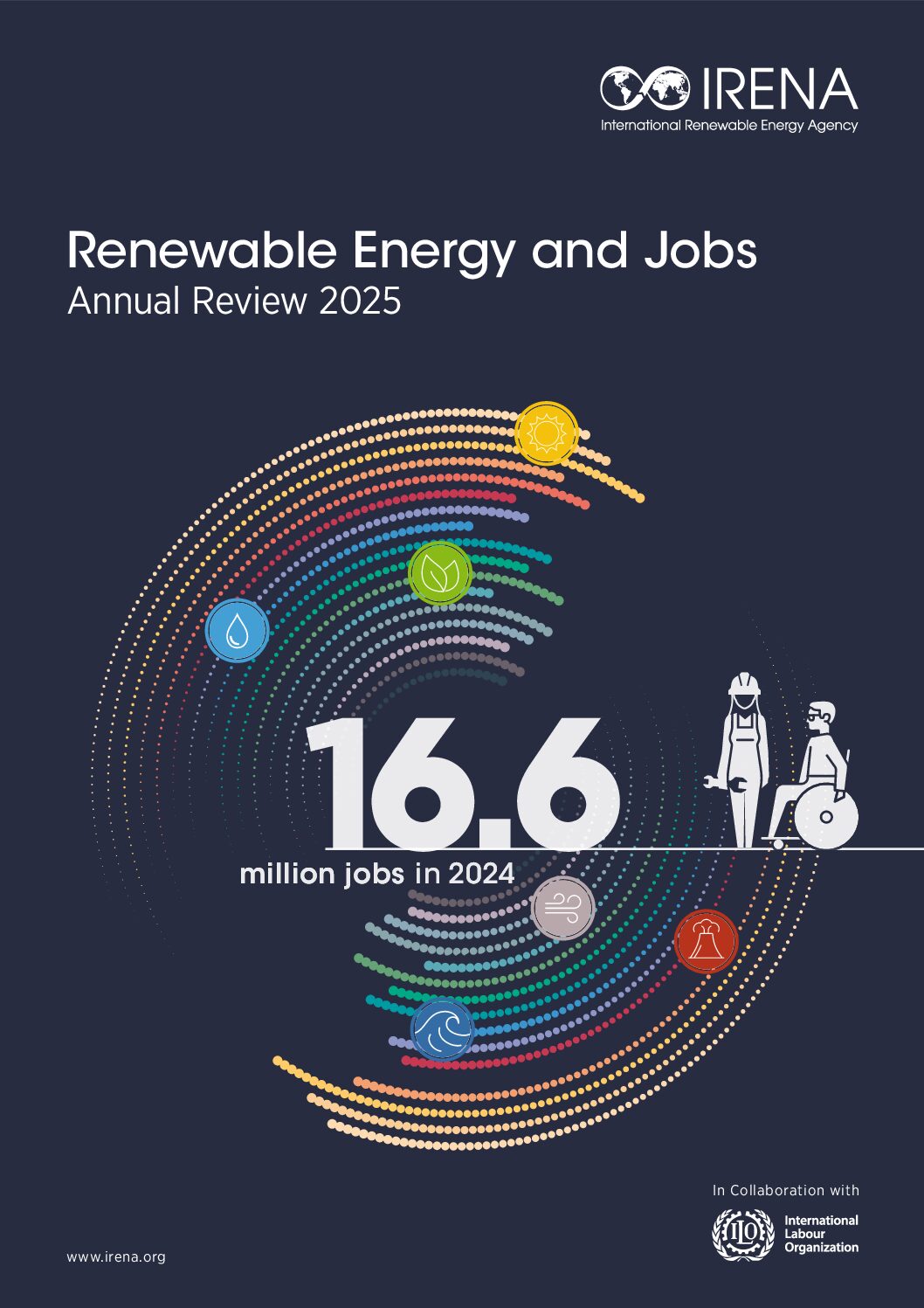
This resource provides the latest data and insights on global renewable energy employment, highlighting trends in renewable energy deployment and supply chains as well as the influence of geopolitical and geoeconomic factors. The resource serves as a valuable tool for stakeholders aiming to understand and address the employment implications of the global shift towards renewable … Continue reading “Renewable energy and jobs: Annual review 2025”
This slide deck, part of an online course, gives a brief but thorough overview of business models for off-grid solar energy, looking in particular at pay-as-you-go models, and presents insights into the investment landscape for off-grid solar companies.
This briefing to the United Nations Commission on the Status of Women shows that climate finance flows remain largely exclusionary to women and girls. One of the reasons is that most climate finance is provided as loans, which are less accessible to women. It recommends different ways in which financing institutions can guarantee greater access … Continue reading “Gender-responsive climate finance: The key to just climate action and tackling inequalities”
This webpage provides an introduction to smart grids, an overview of recent progress and recommendations for governments and utilities.
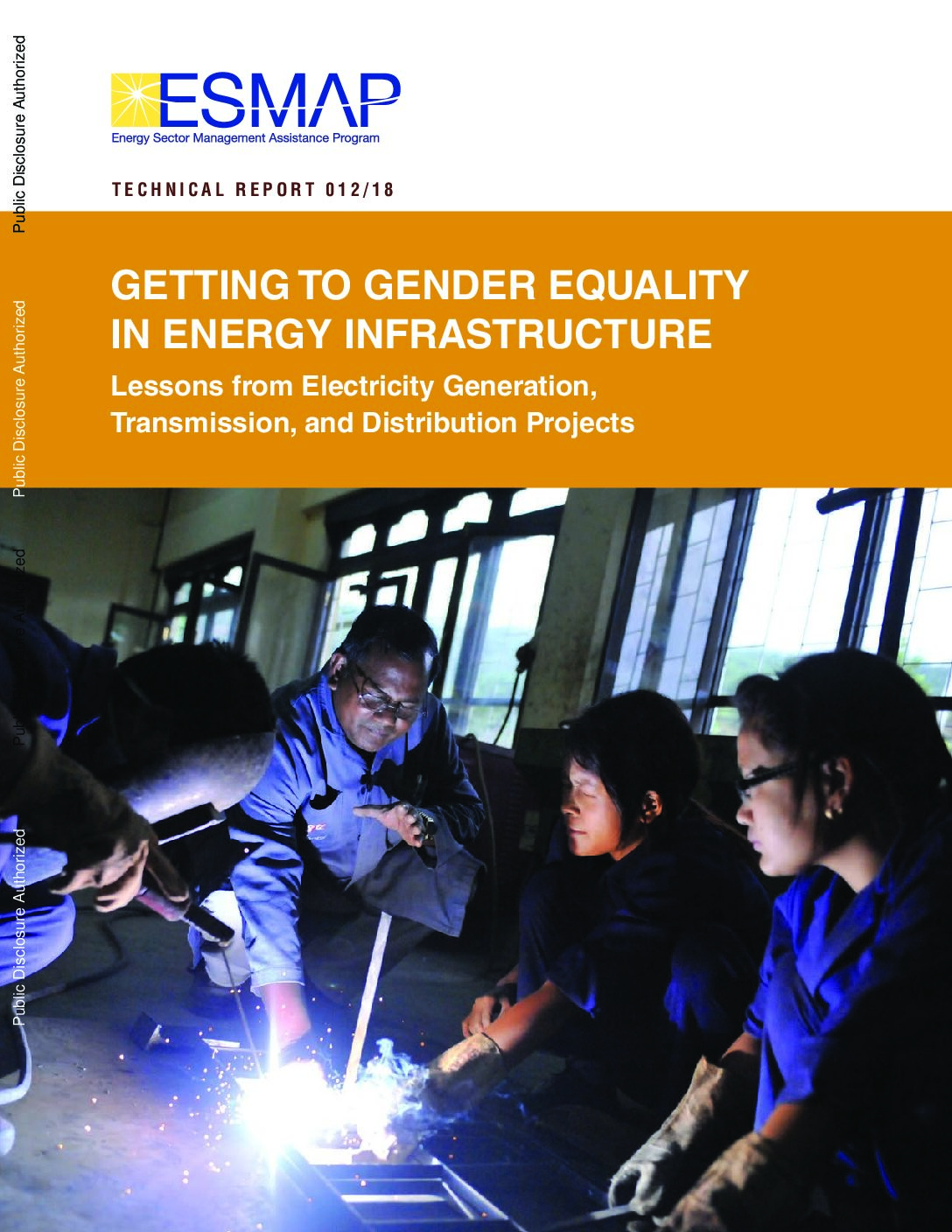
This report by the World Bank’s Energy Sector Management Assistance Program (ESMAP) shares opportunities, challenges and good practices related to advancing gender equality in electricity infrastructure projects.
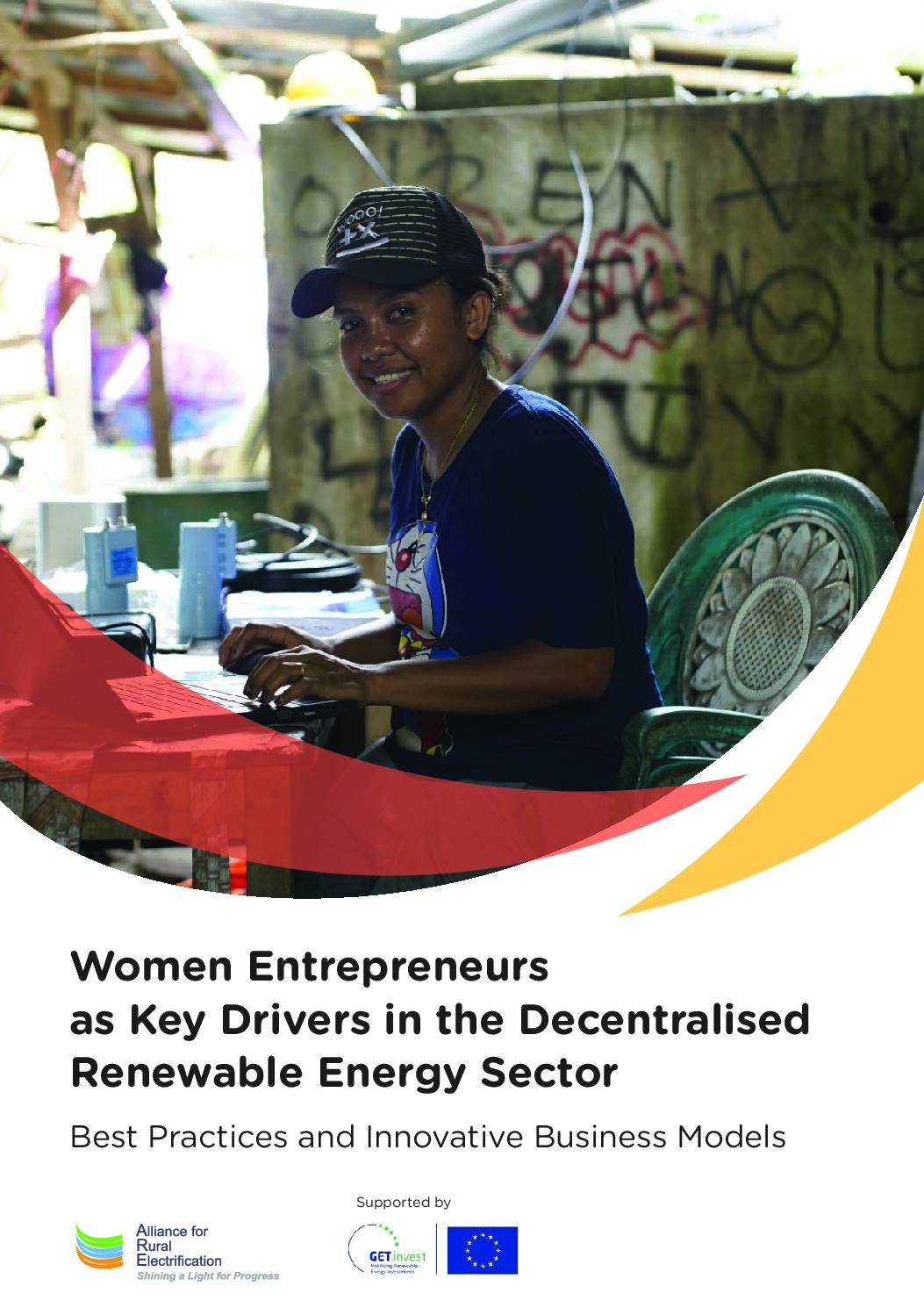
This report by the Alliance for Rural Electrification explores the role of women in advancing electrification and socio-economic development in rural communities and gives examples of ways to integrate gender equality throughout the off-grid energy supply chain.
This report assesses the effectiveness of women in energy networks worldwide and offers best practices and recommendations for networks under development or those aiming to enhance their impact.
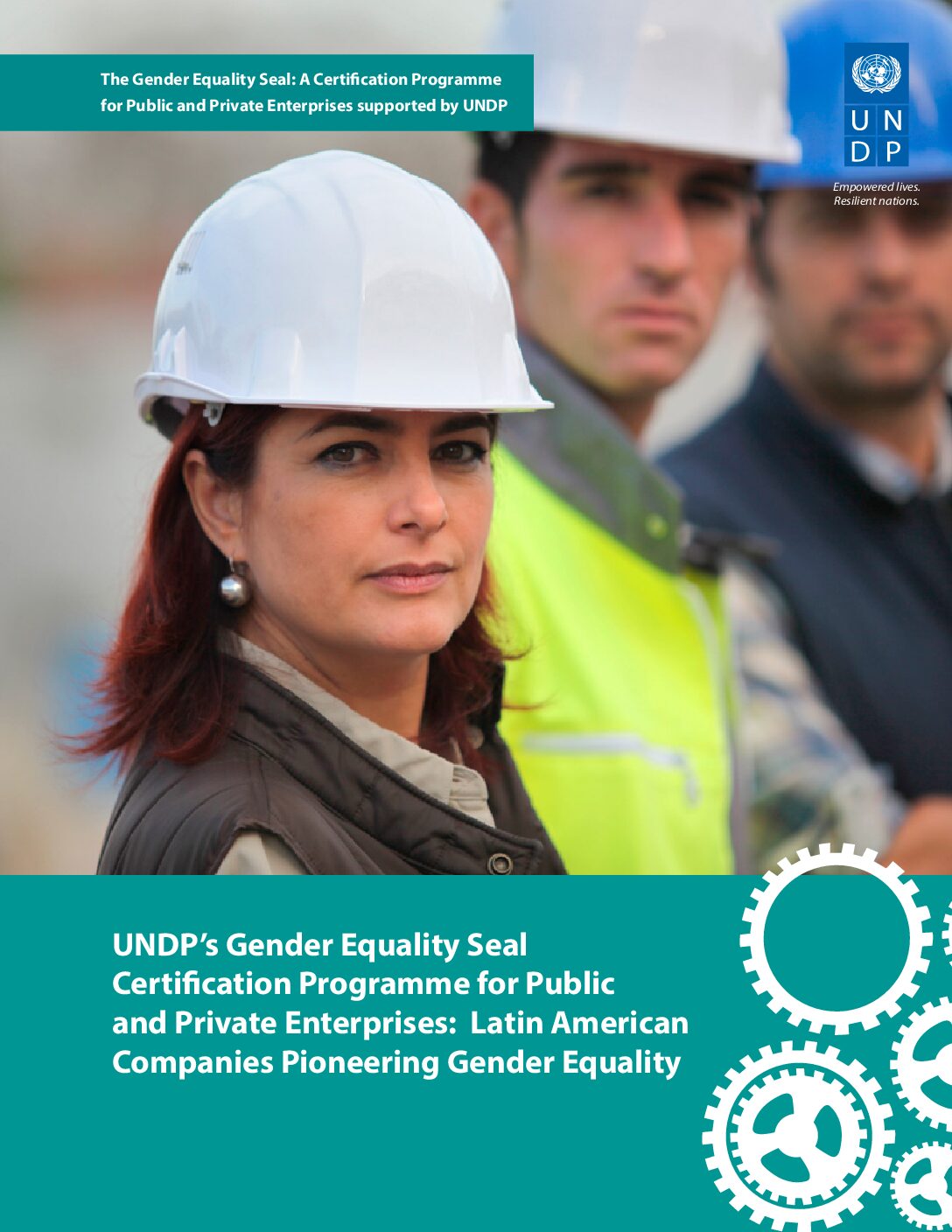
UNDP’s Gender Equality Seal has been implemented under different names in 11 countries and has engaged over 1400 companies. Companies, including many in male-dominated sectors such as the energy sector, can qualify for the seal by following a ten-step plan.