
Government spending and other forms of actual support to renewable energy is a blind spot at the international level. To help address the knowledge gap, IISD developed an inventory of public financial support for renewable energy generation and integration by G20 governments. It shows that G20 governments provided over $168 billion in public financial support […]
Despite strong calls for energy subsidy reforms, governments around the world still spend billions subsidising fossil fuel consumption each year. This report investigates how reforms can be designed that work in practice, drawing on over a decade of World Bank experience supporting these processes.
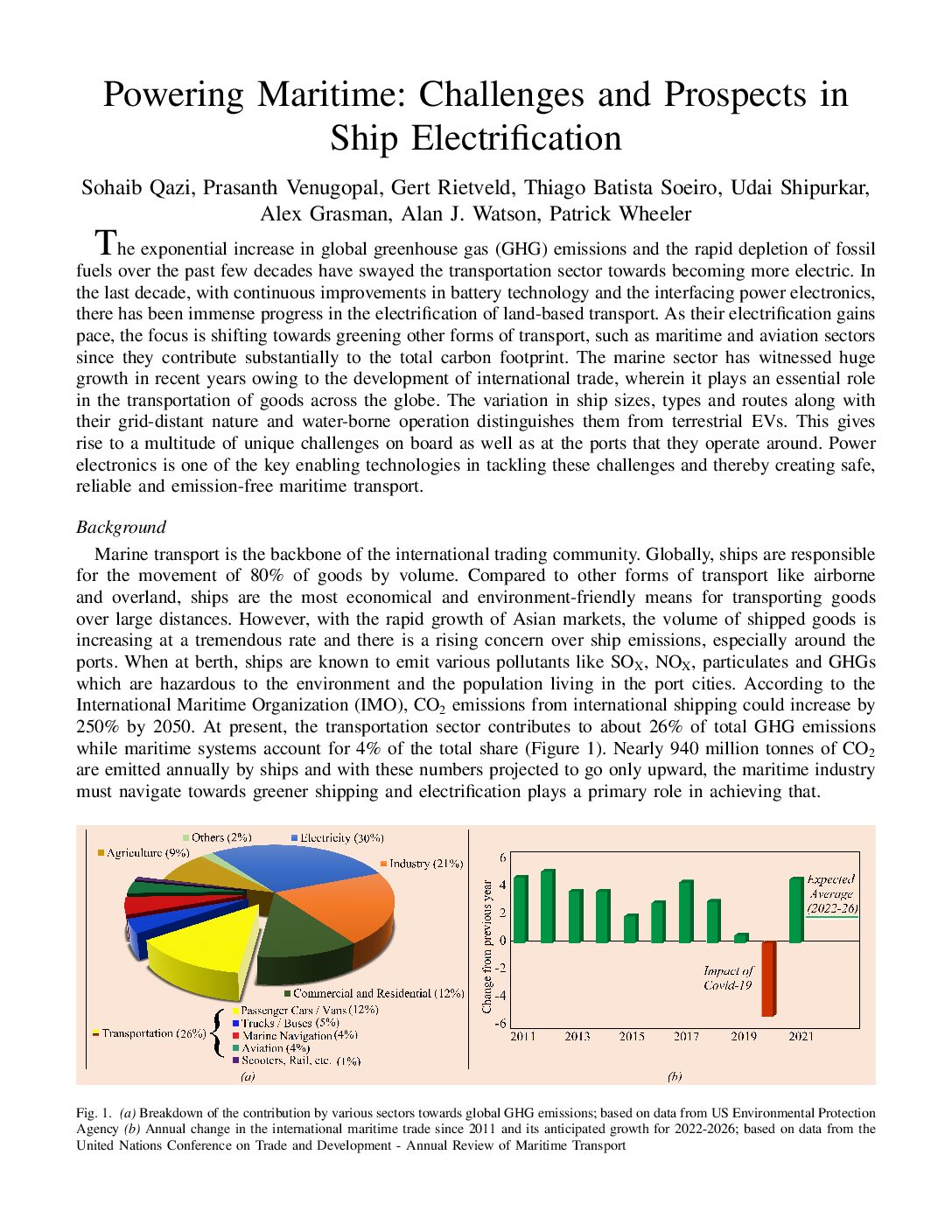
This research paper gives an overview of the technical challenges for both ports and shipping companies associated with the electrification of shipping, and explains how electric ships could work.
Wind farms tend to be large projects built in relatively remote areas, and in the past, they have often generated more disturbance than benefits for local communities. This World Bank report discusses models that allow host communities of wind energy projects to benefit more from those projects.
This report provides answers to three critical questions: Why should developing countries pursue e-mobility? When does an accelerated transition to electric vehicles (EVs) make sense for developing countries? How can governments make this transition happen?
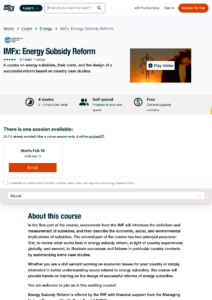
A course on energy subsidies, their costs, and the design of a successful reform based on country case studies.
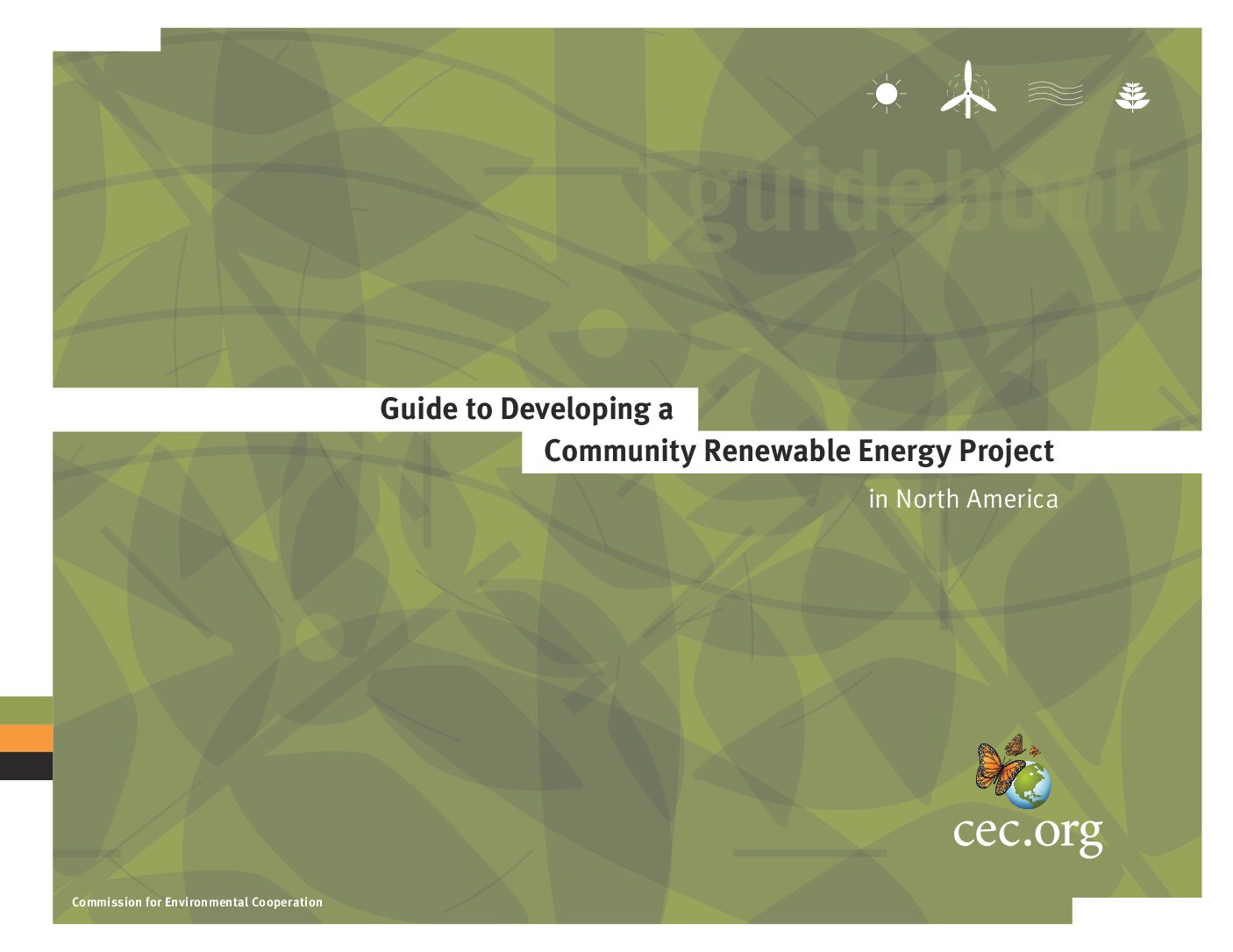
This Guide aims to assist community and indigenous communities groups in the development of their own small-scale renewable energy projects.
This chapter provides an overview of energy tax and subsidy patterns in the 71 countries covered in the report and estimates the net effect of energy taxes and subsidies on public finances.
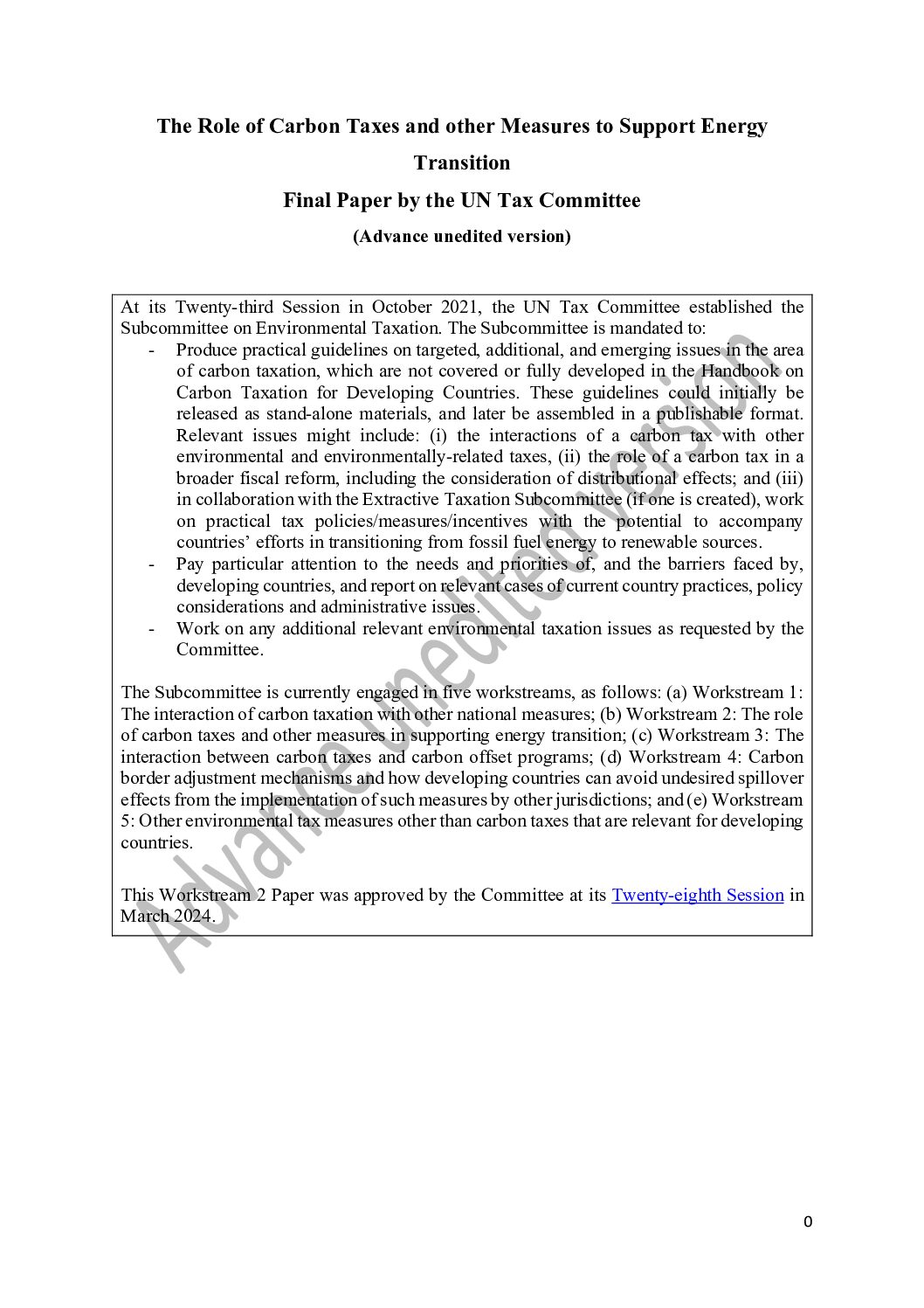
This paper investigates the role of carbon taxes in the energy transition, with case studies from Chile, Ghana, Indonesia and Jamaica.
This slide deck provides a quick overview of the process for the development of energy projects by indigenous groups, including tips on choosing an optimal site, ownership structures and financing structures.