
This second edition from 2025 provides an update to the landmark report from 2019, based on a new survey of 1192 individuals working in the sector, and 233 companies and organizations. The headline finding was that despite widespread efforts, the share of women in renewable energy has not grown over the past six years: it … Continue reading “Renewable energy: A gender perspective (Second edition)”
This slide deck, part of an online course, gives a brief but thorough overview of business models for off-grid solar energy, looking in particular at pay-as-you-go models, and presents insights into the investment landscape for off-grid solar companies.
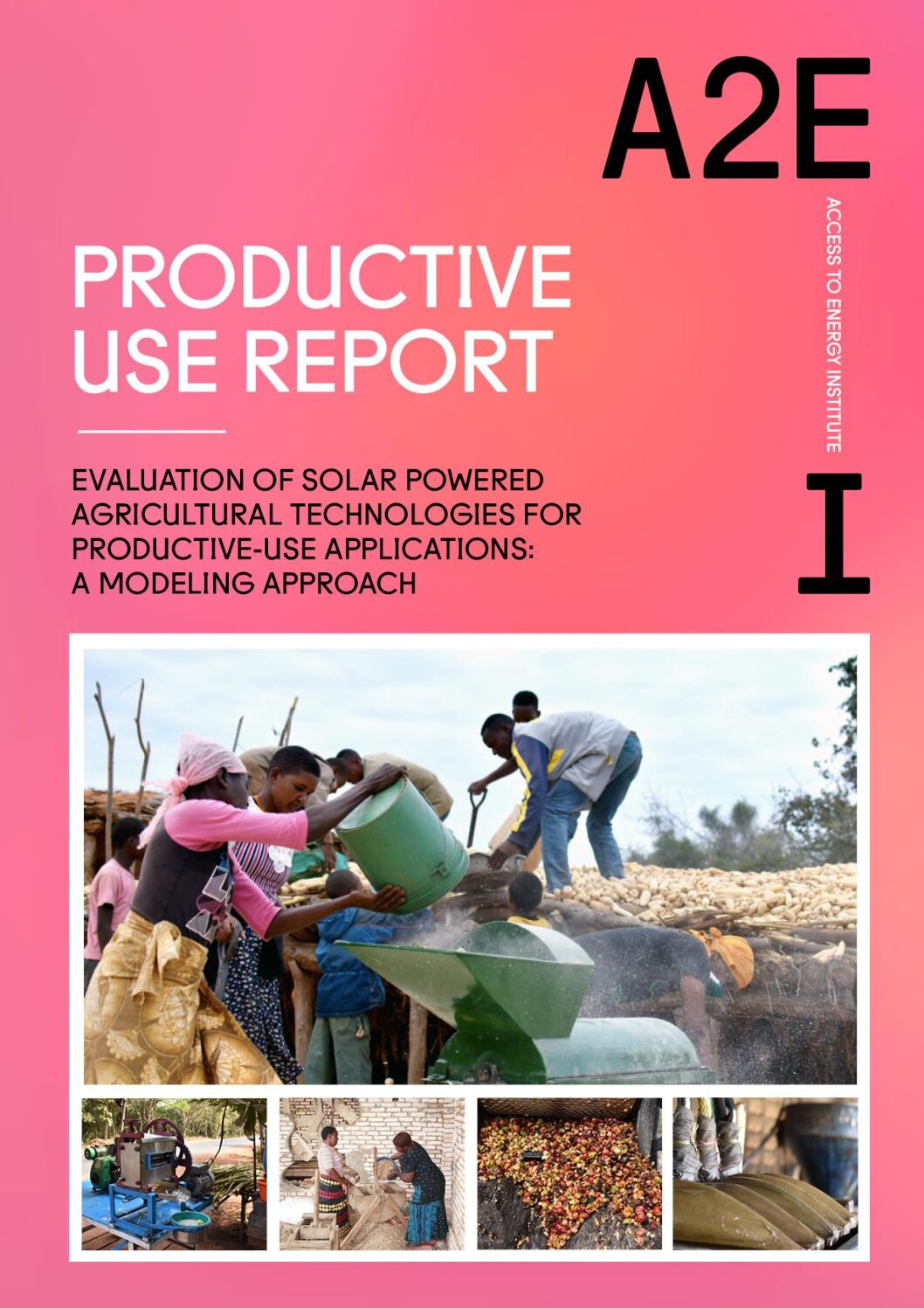
This report uses economic modelling to investigate the viability of ten different productive use applications of solar power in agriculture (oil extraction, maize shelling, rice hulling, fruit juice making, sugar cane juicing, fruit drying, flour milling, peanut shelling and coffee pulping). It investigates each technology in detail and then calculates the profits and other benefits … Continue reading “Productive Use Report – Evaluation of solar-powered agricultural technologies for productive-use applications: A modelling approach”
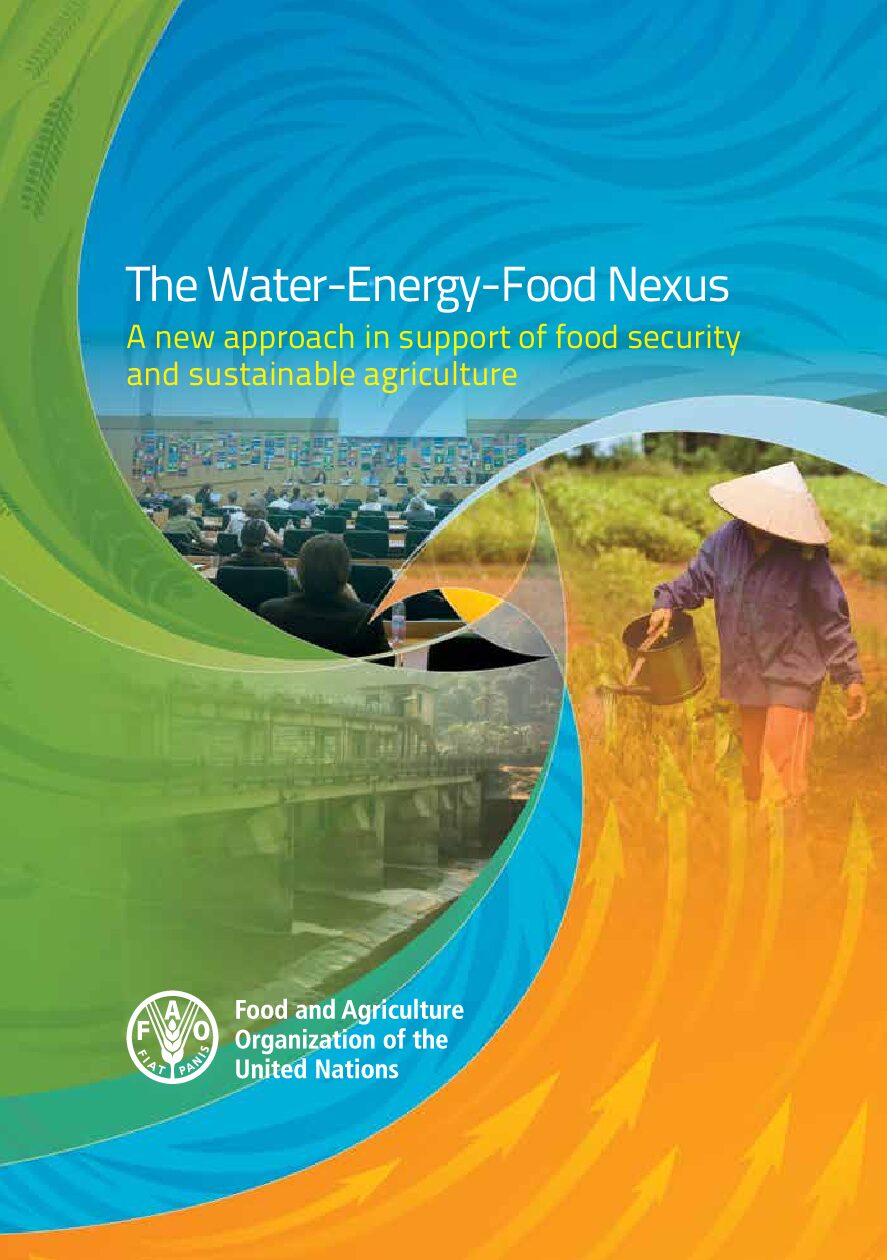
This brief report introduces the concept of the WEF nexus and explains how the FAO has applied the nexus approach in its work, with many case study examples.
This webpage provides an introduction to smart grids, an overview of recent progress and recommendations for governments and utilities.
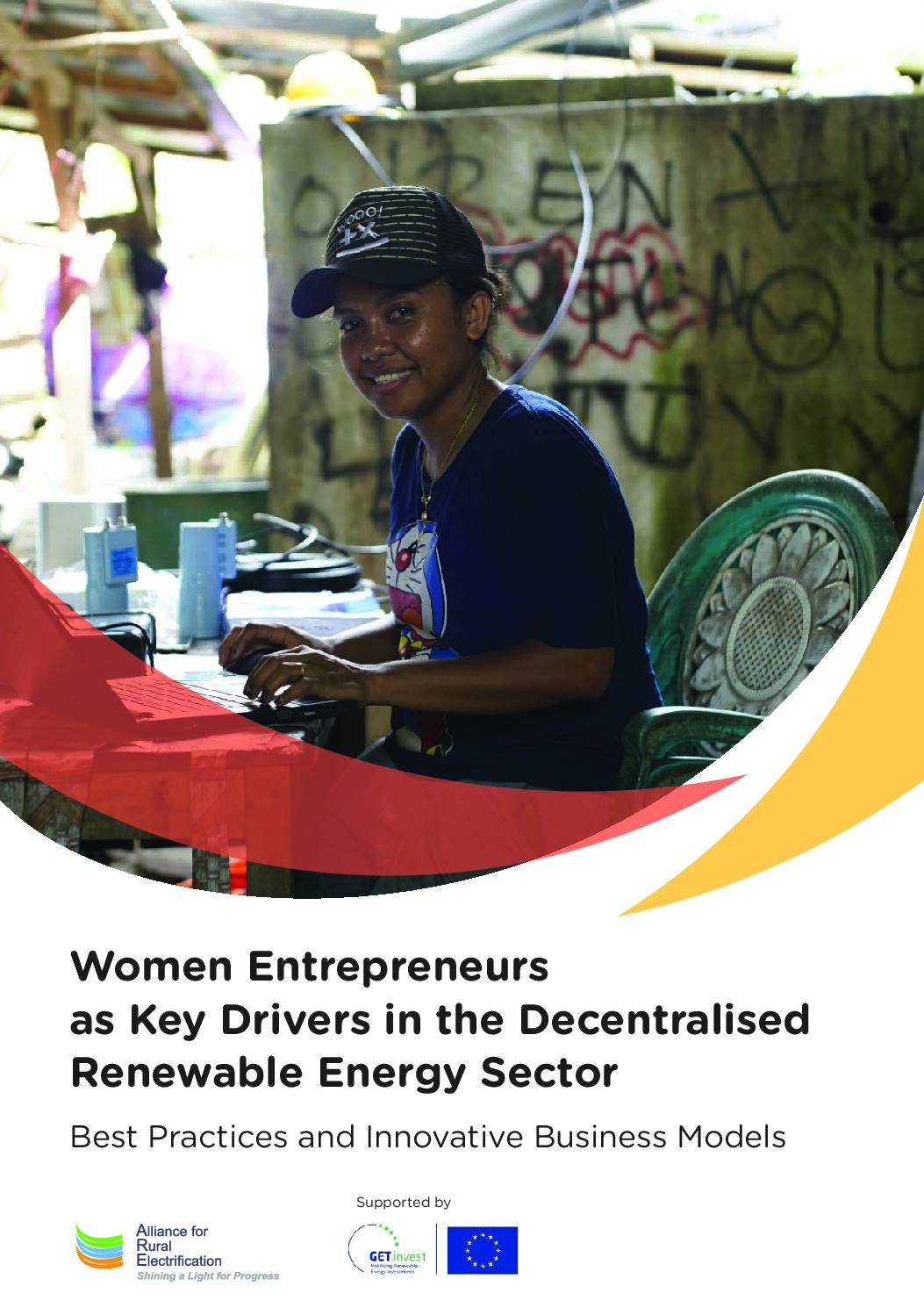
This report by the Alliance for Rural Electrification explores the role of women in advancing electrification and socio-economic development in rural communities and gives examples of ways to integrate gender equality throughout the off-grid energy supply chain.
This report assesses the effectiveness of women in energy networks worldwide and offers best practices and recommendations for networks under development or those aiming to enhance their impact.
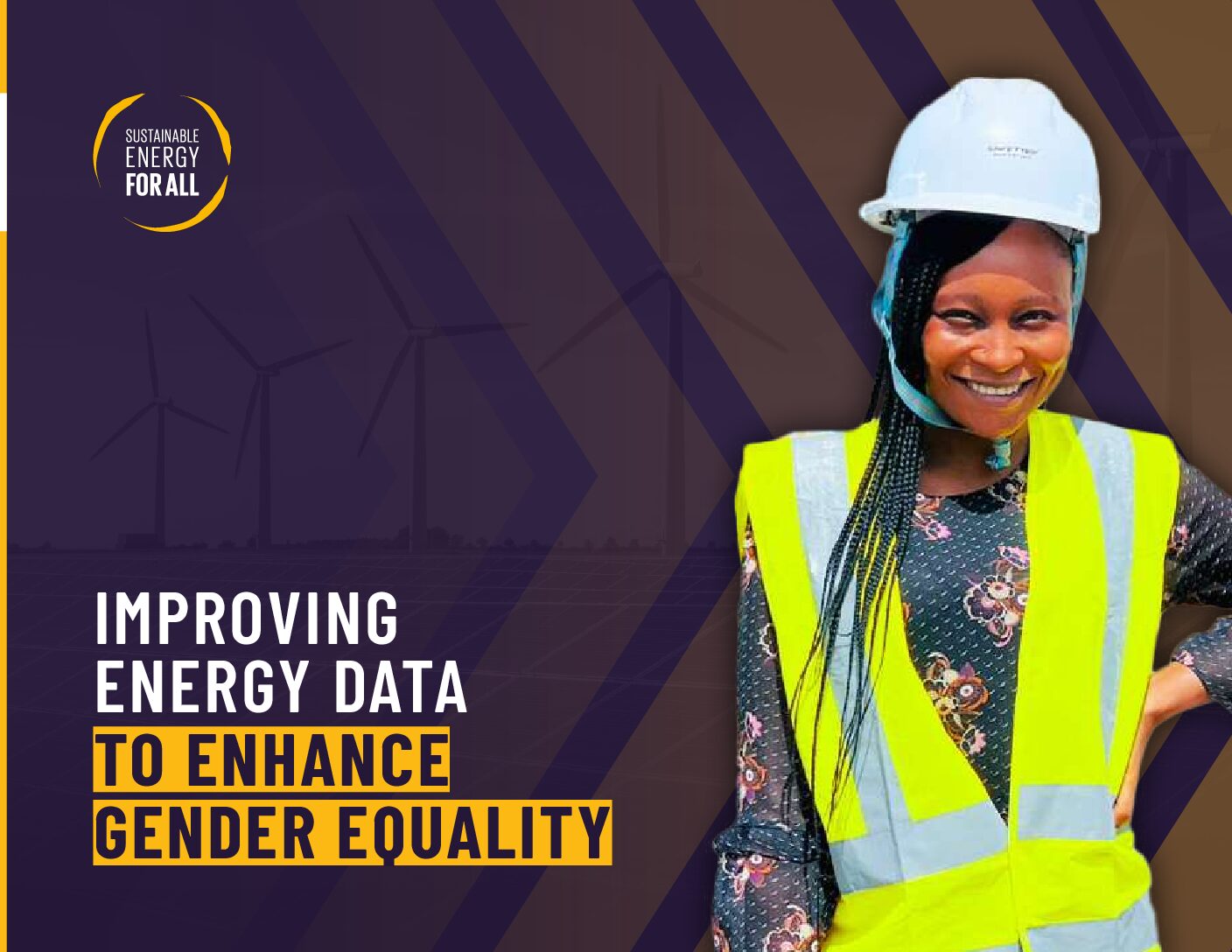
This report provides recommendations for improving the availability of sex-disaggregated and specific gender equality data in the energy sector, to improve decision making and programme design.
People need water, energy, and food to sustain their livelihoods, grow economies, and achieve sustainable development. The interactions between these resource sectors form the crux of water-energy-food (WEF) nexus assessments. This study analyses the WEF nexus of 54 African nations and identifies bottlenecks resulting from water, energy, or food insecurity.
This report calls for greater cross-sectoral collaboration to advance energy, water and food security in Africa, highlighting how synergies between the sectors of water, energy and food create a multiplier effect, ensuring a greater return of investment.