
The average lifespan of a building is 50 years, so the design of buildings that are constructed now will have an effect on energy consumption in our cities until well into the 2070s. This article presents the most effective options for cities to set mandatory minimum energy performance standards for buildings, to prevent locking in […]

This brochure provides step-by-step instructions for walk-through energy audits, focusing on heating, lighting, and bills and meter readings in offices and factories or warehouses.
This report by the Global Energy Transitions Commission presents a complete picture of global building sector emissions and describes pathways to decarbonisation for both existing buildings and new construction.
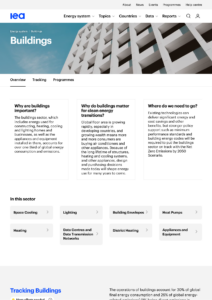
This web page highlights the role of buildings in the energy transition (heating, cooling, lighting, etc), and presents data and recommendations.
This article provides an introduction to ESG and its relevance to the energy transition.
This paper provides general guidelines for conducting Environmental Impact Assessments for waste-to-energy projects.
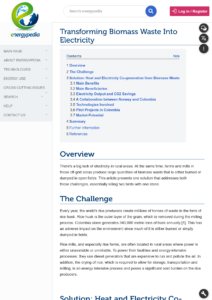
This article discusses the potential of heat and electricity co-generation from biomass waste to both expand energy access and improve waste management in rural areas.
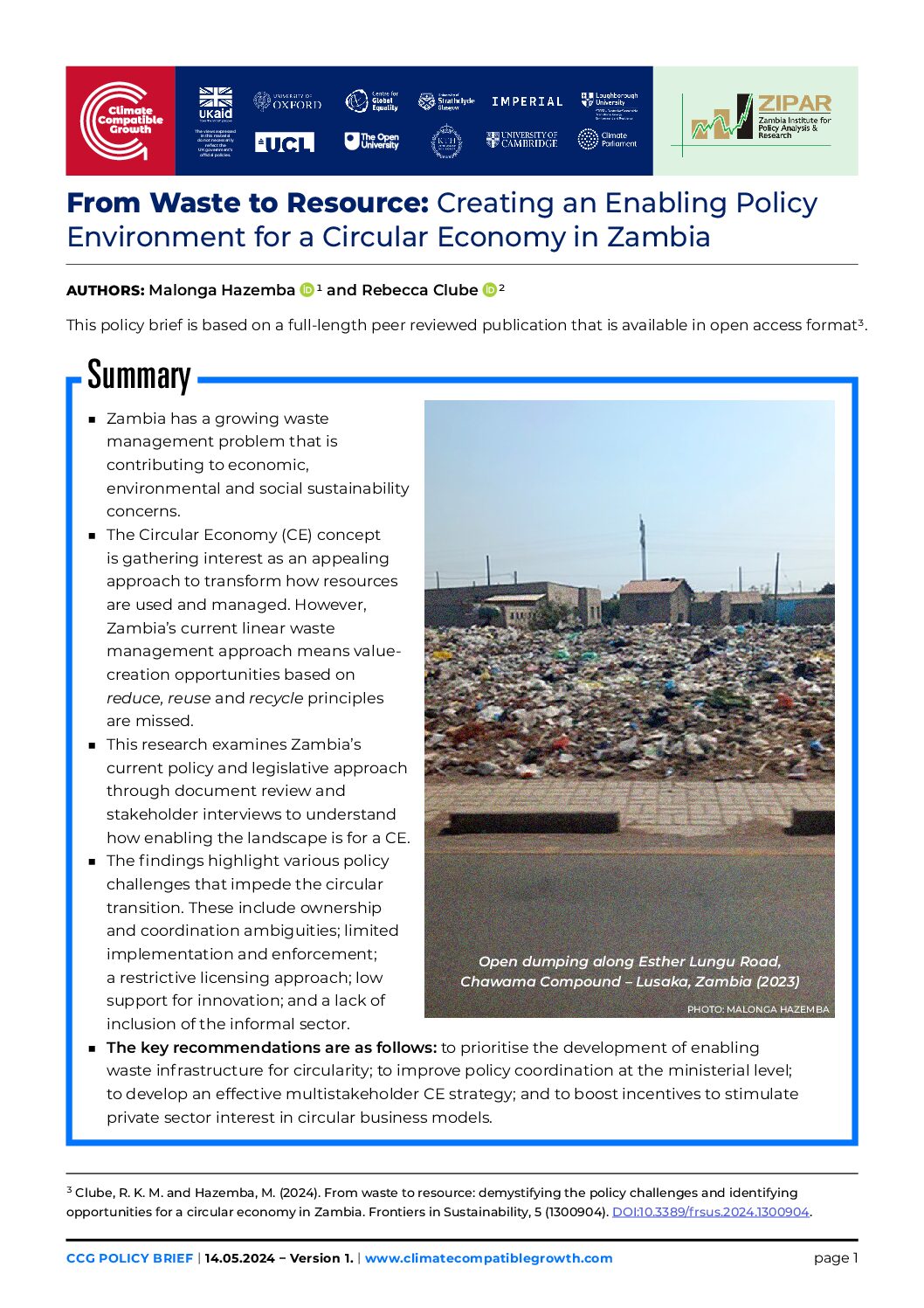
This policy brief investigates Zambia’s policy and legislative framework for energy generation from waste, and provides recommendations for improvements.
This paper presents the results of a techno-economic study of a potential waste-to-energy plant in Kampala, Uganda, including modeling to project energy generation potential and the payback period for the initial investment.
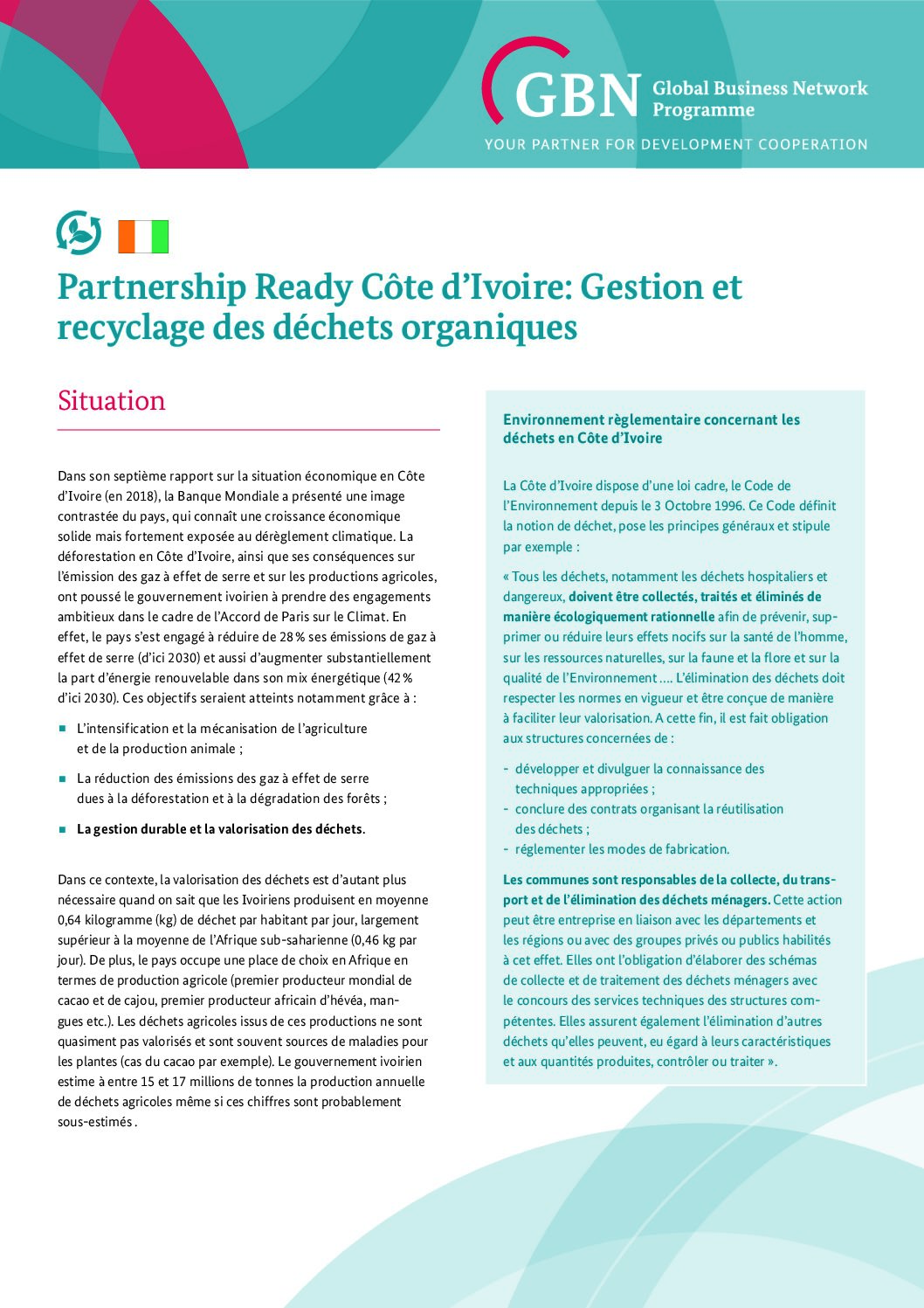
This brief presents the regulatory framework and country context for waste-to-energy projects in Côte d’Ivoire.