
This report by the Network of Central Banks and Supervisors for Greening the Financial System investigates the main barriers to the scaling up of blended finance for climate action in the Global South, and provides recommendations for how to address these.
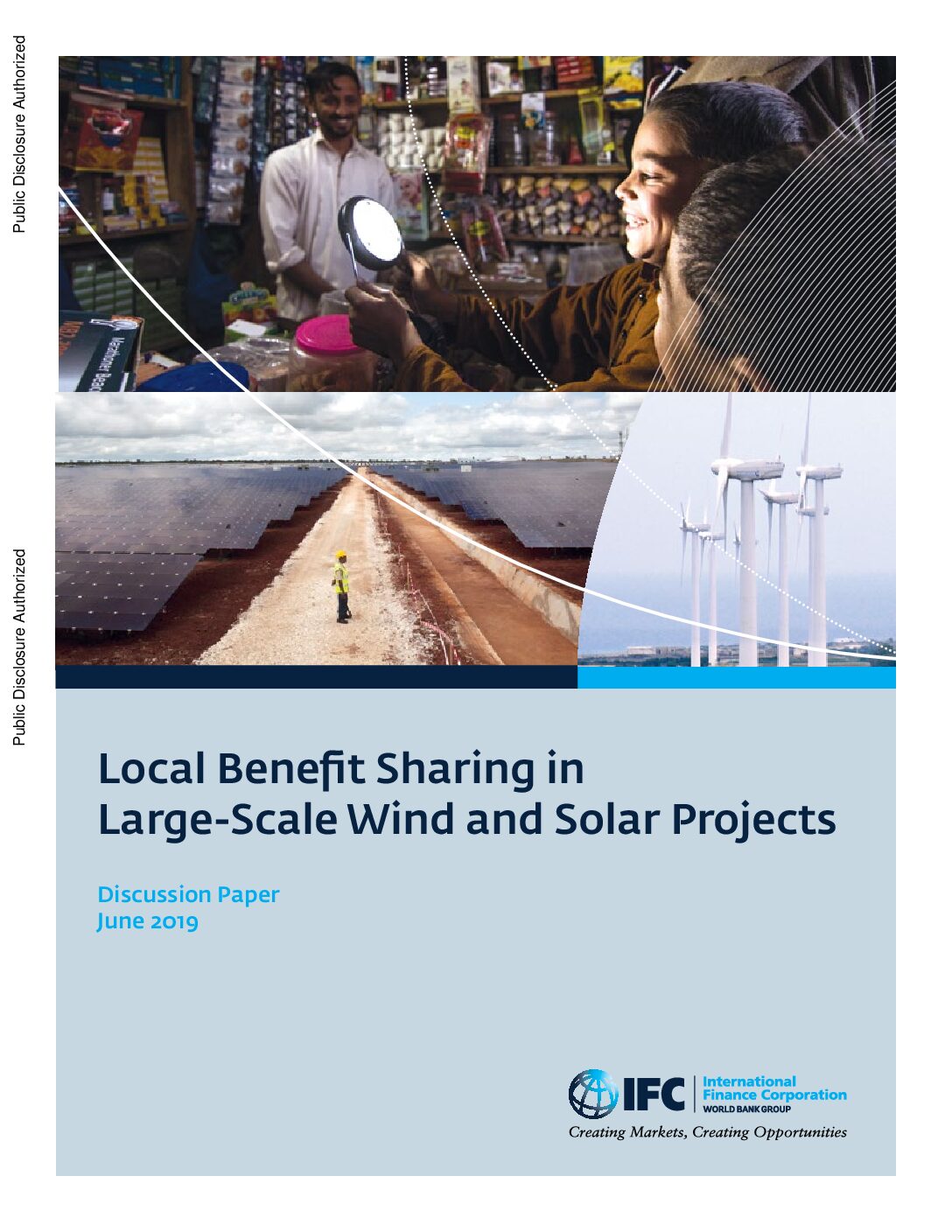
Wind farms tend to be large projects built in relatively remote areas, and in the past, they have often generated more disturbance than benefits for local communities. This World Bank report discusses models that allow host communities of wind energy projects to benefit more from those projects.
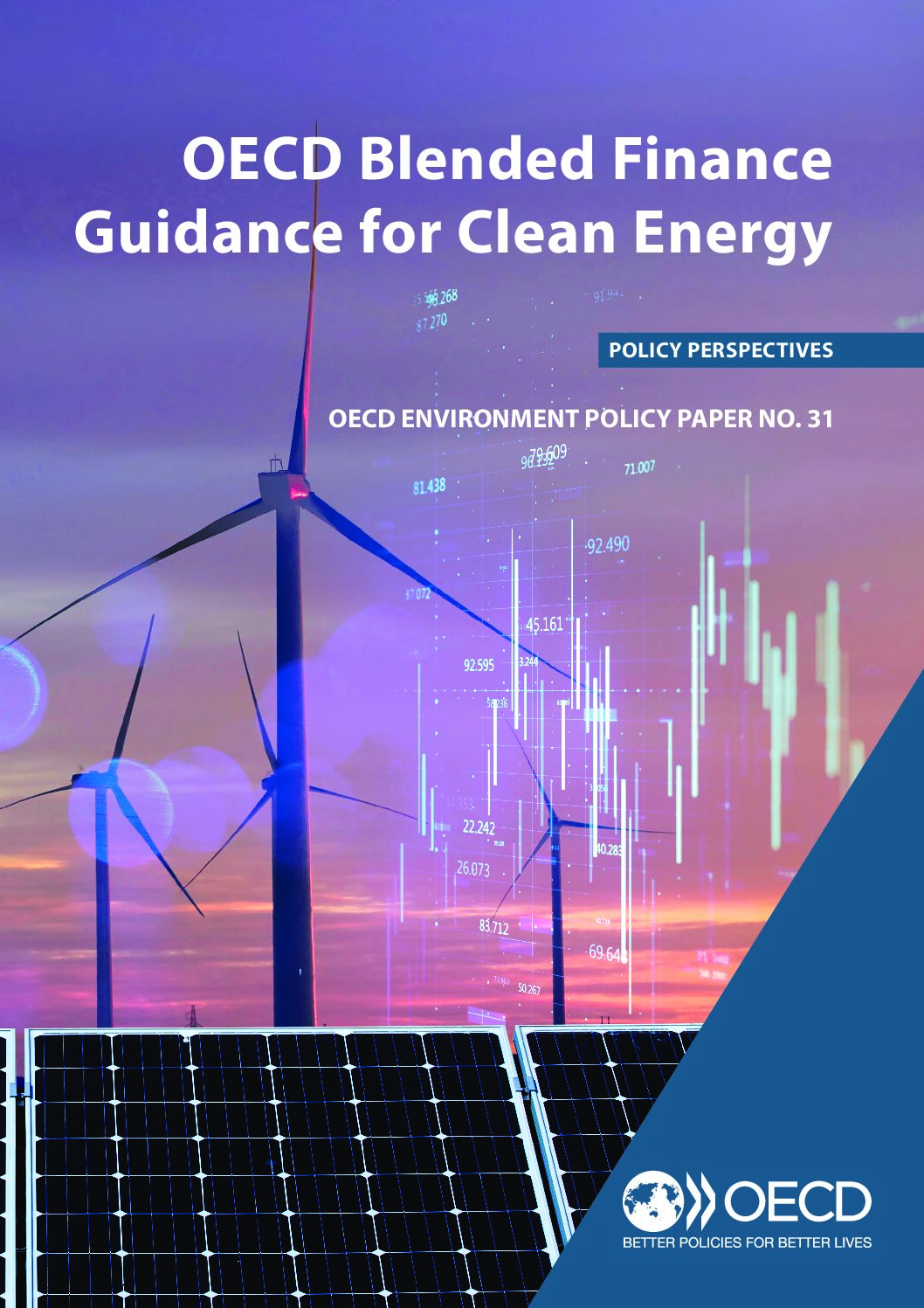
This paper shares lessons for donors, policymakers in beneficiary governments, and financial institutions on whether and how best to deploy blended finance in the clean energy sector.
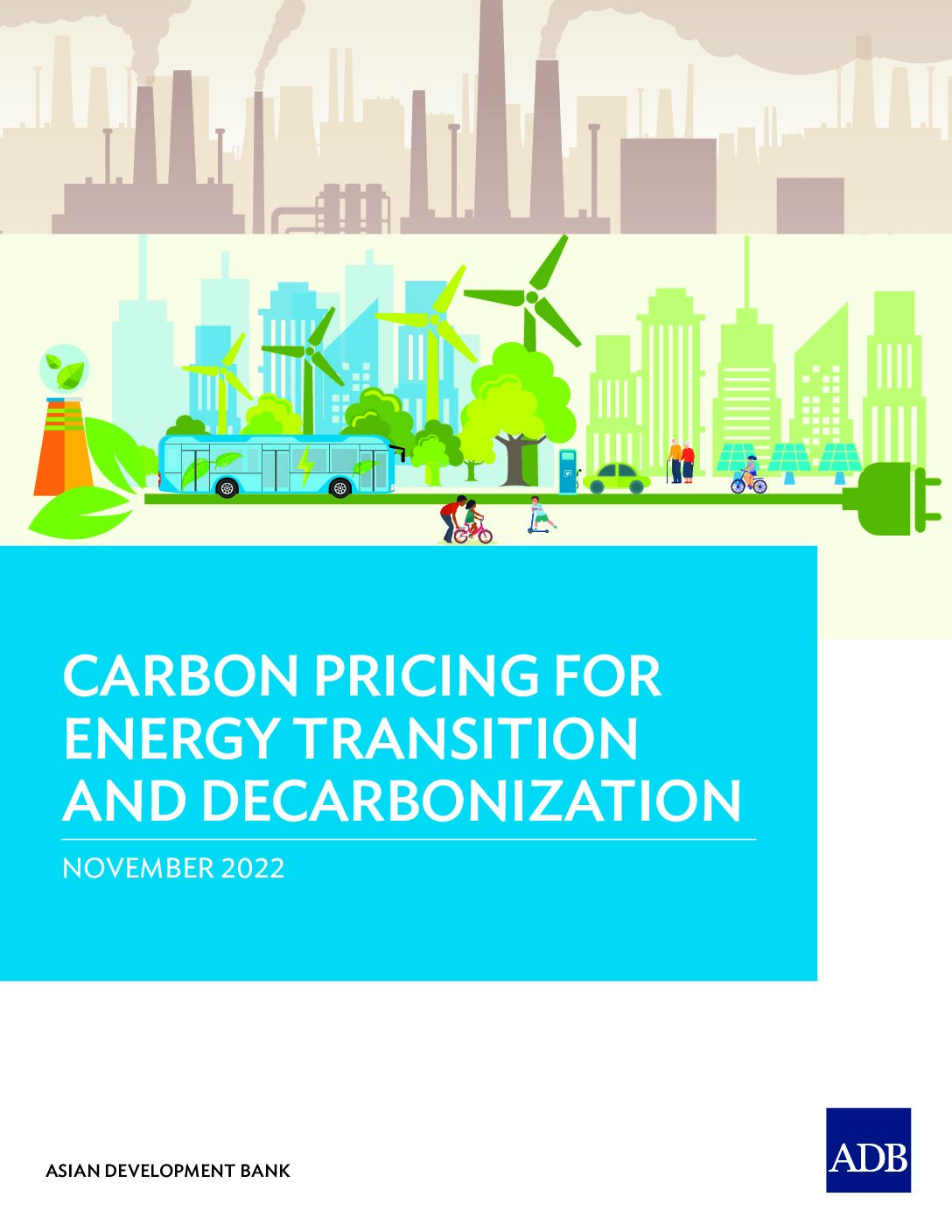
This study offers insights on how well-designed carbon pricing instruments can play a role in accelerating efforts toward energy transition and decarbonization.
This Guide aims to assist community and indigenous communities groups in the development of their own small-scale renewable energy projects.
This slide deck provides a quick overview of the process for the development of energy projects by indigenous groups, including tips on choosing an optimal site, ownership structures and financing structures.
This article describes the origins and provides examples of community-owned small hydropower projects in Guatemala.
This database provides different dashboards presenting data on the latest investment and operational trends in clean cooking, including carbon market data and customer perceptions of clean cooking companies’ products and services.
This page presents the Principles for Responsible Carbon Finance in Clean Cooking, developed by the CCA.
This blog assesses the opportunities of carbon finance to fill financing gaps for clean cooking, and highlights the integrity, reputational and regulatory risks associated with the sale of carbon credits.