
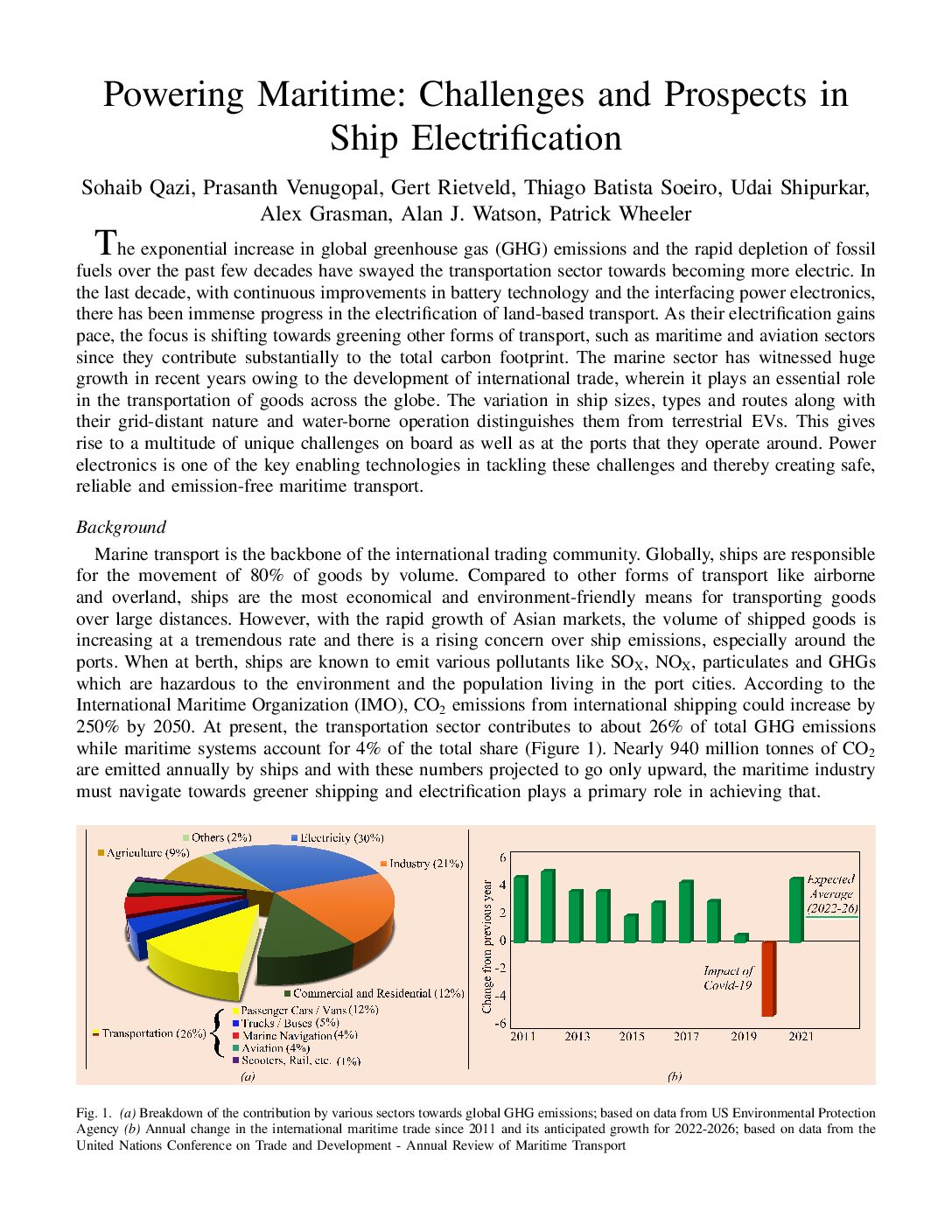
This research paper gives an overview of the technical challenges for both ports and shipping companies associated with the electrification of shipping, and explains how electric ships could work.
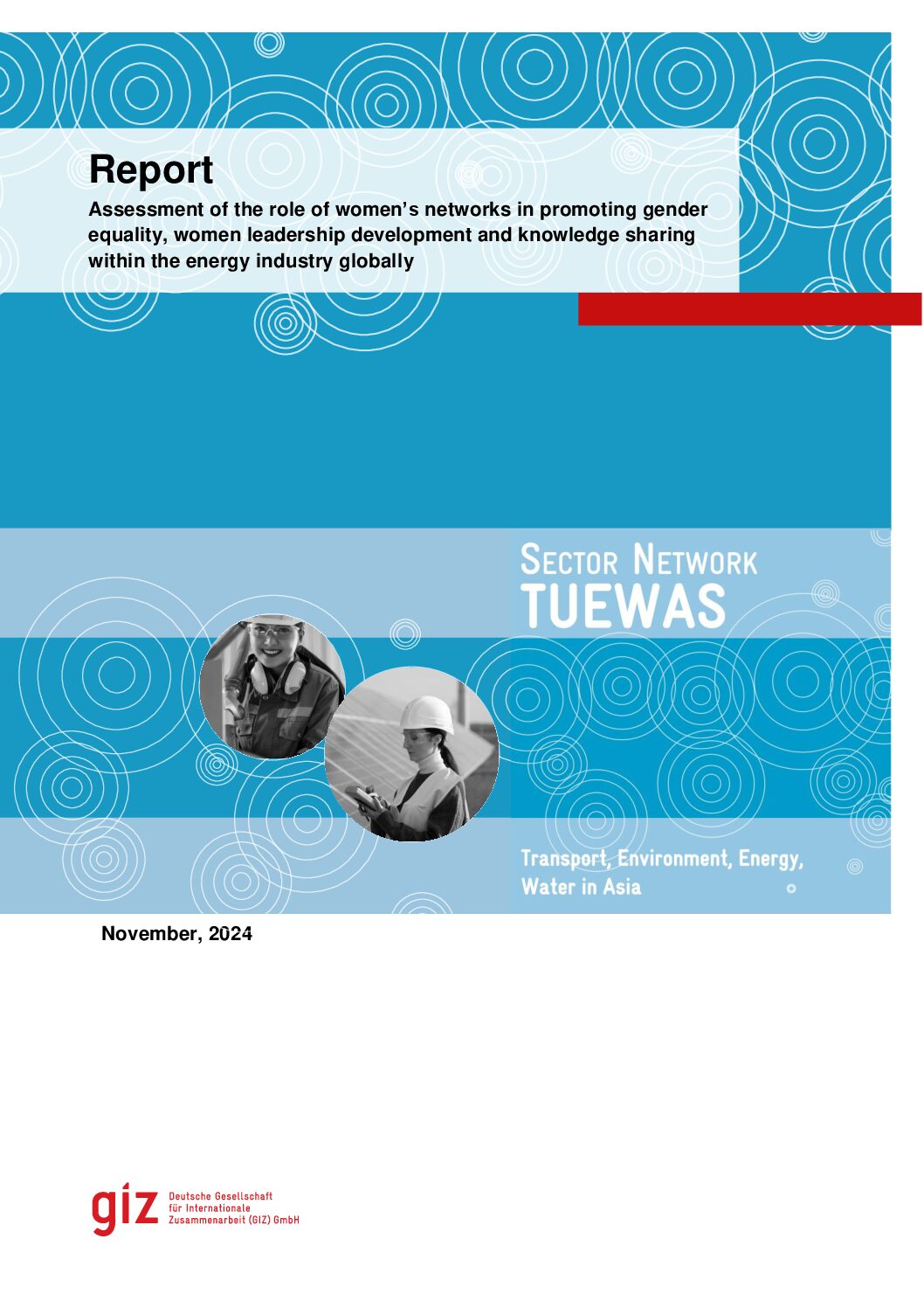
This report assesses the effectiveness of women in energy networks worldwide and offers best practices and recommendations for networks under development or those aiming to enhance their impact.
This report provides answers to three critical questions: Why should developing countries pursue e-mobility? When does an accelerated transition to electric vehicles (EVs) make sense for developing countries? How can governments make this transition happen?
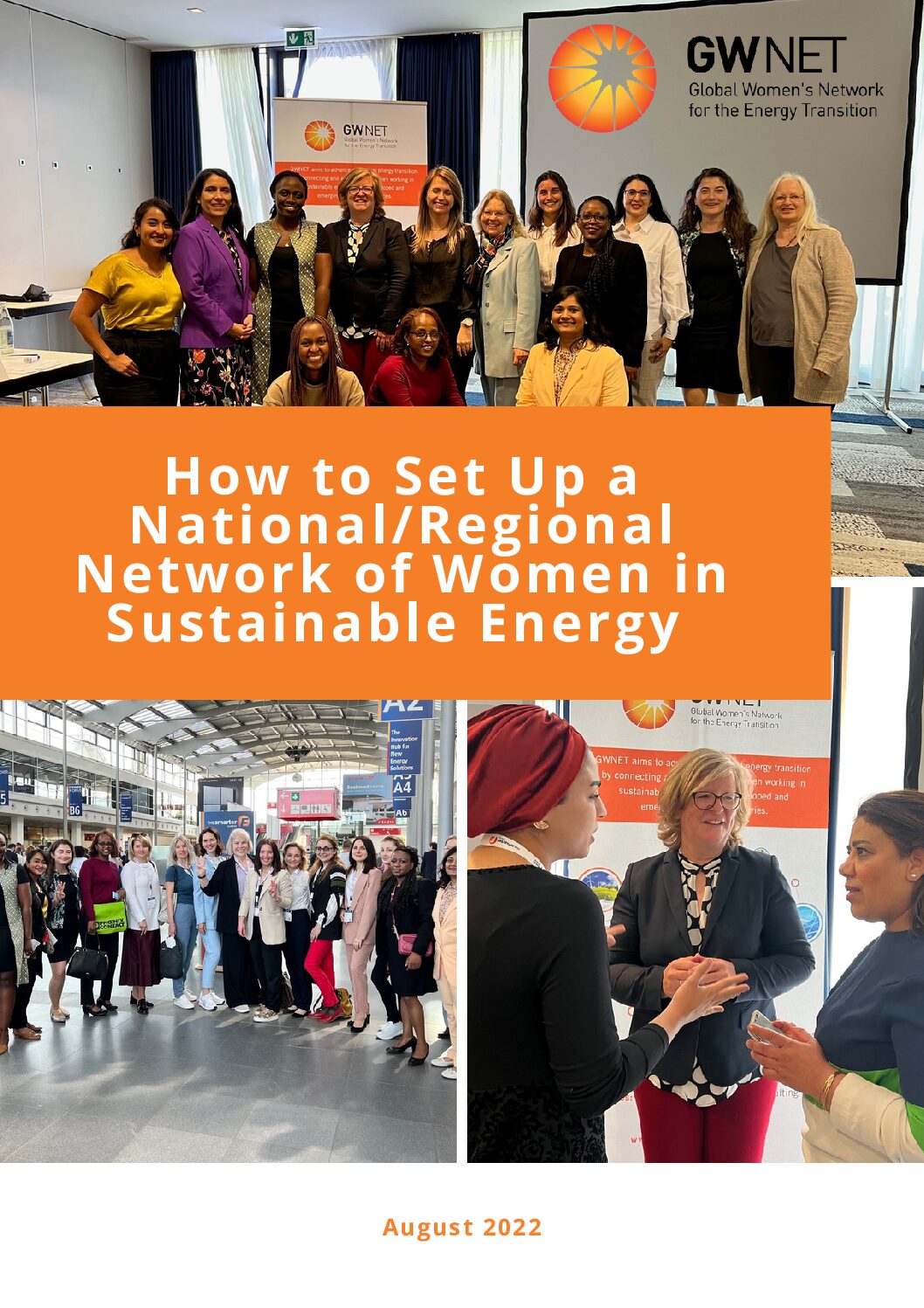
This guide provides principles and step-by-step instructions for the establishment of regional/national networks for women working in energy
This is a network of women in renewable energy in the Dominican Republic. It has published several reports and organises events on gender equality in the national energy sector.
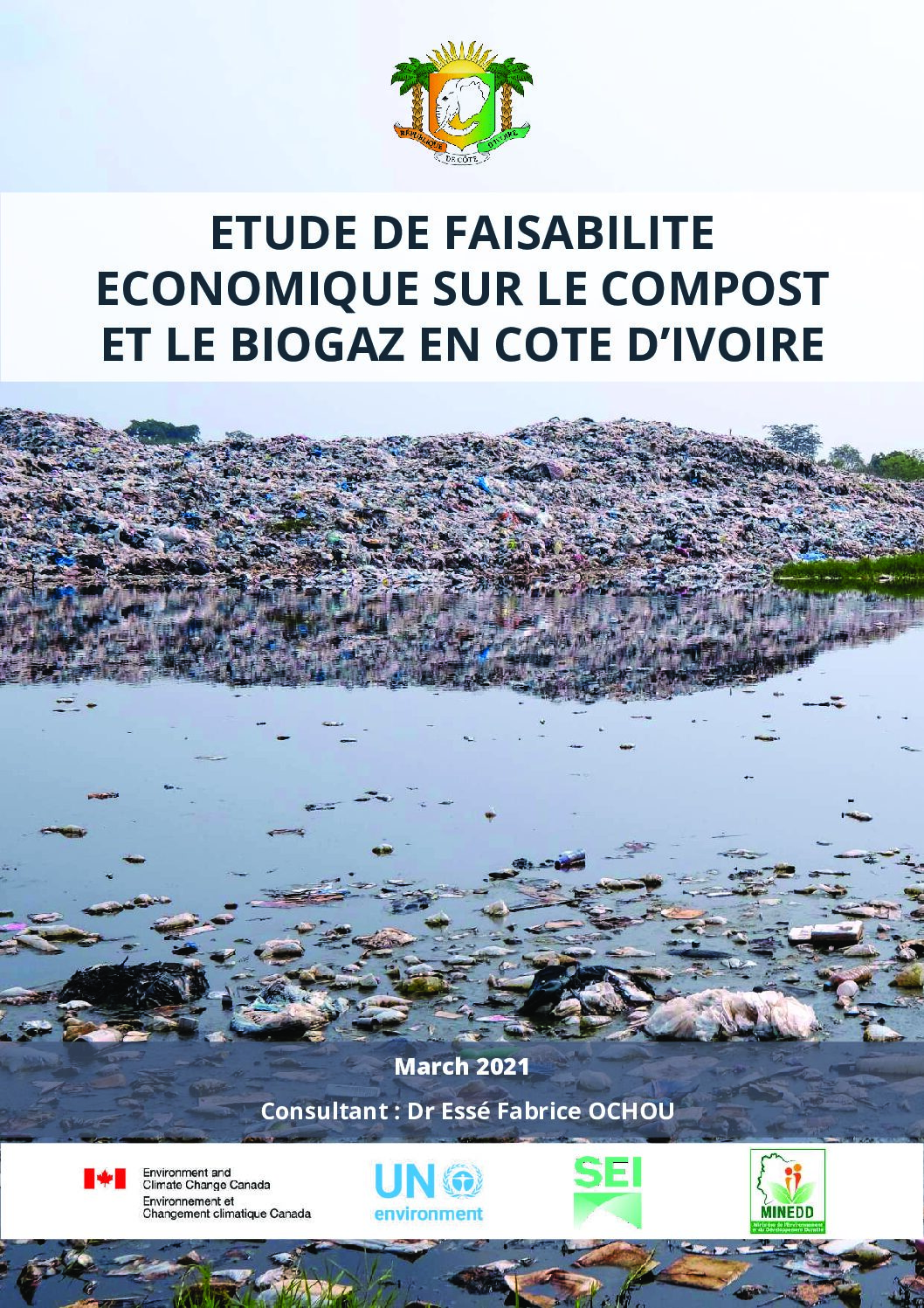
This feasibility study describes the institutional framework for waste management in Côte d’Ivoire, presents a baseline on compost and biogas value chains, and provides a feasibility assessment based on economic models.
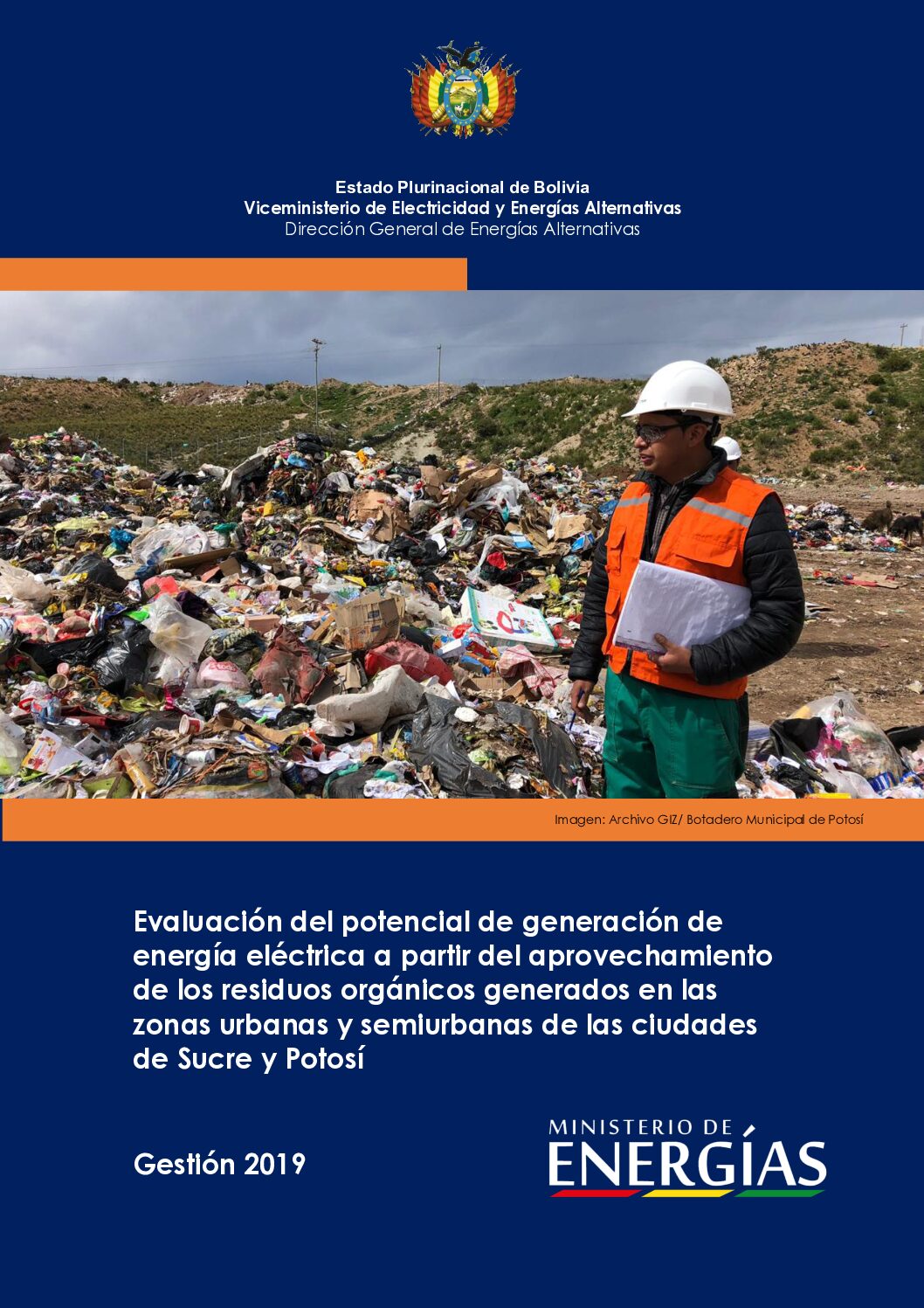
This study quantifies the potential of producing biogas based on organic waste in two municipalities in Bolivia.
This paper focuses on strategies, policies, and programs that industry and government can develop to ensure that supply chains for EVs and their batteries are secure, circular, and reduce the need for mining virgin minerals, thus reducing adverse impacts on the planet and its people.
This report looks at the mineral demand for a net-zero emissions energy system, focusing on seven critical minerals and discussing the role of technological choices, circular economy strategies, and responsible mining in reducing the environmental impact of the transition.
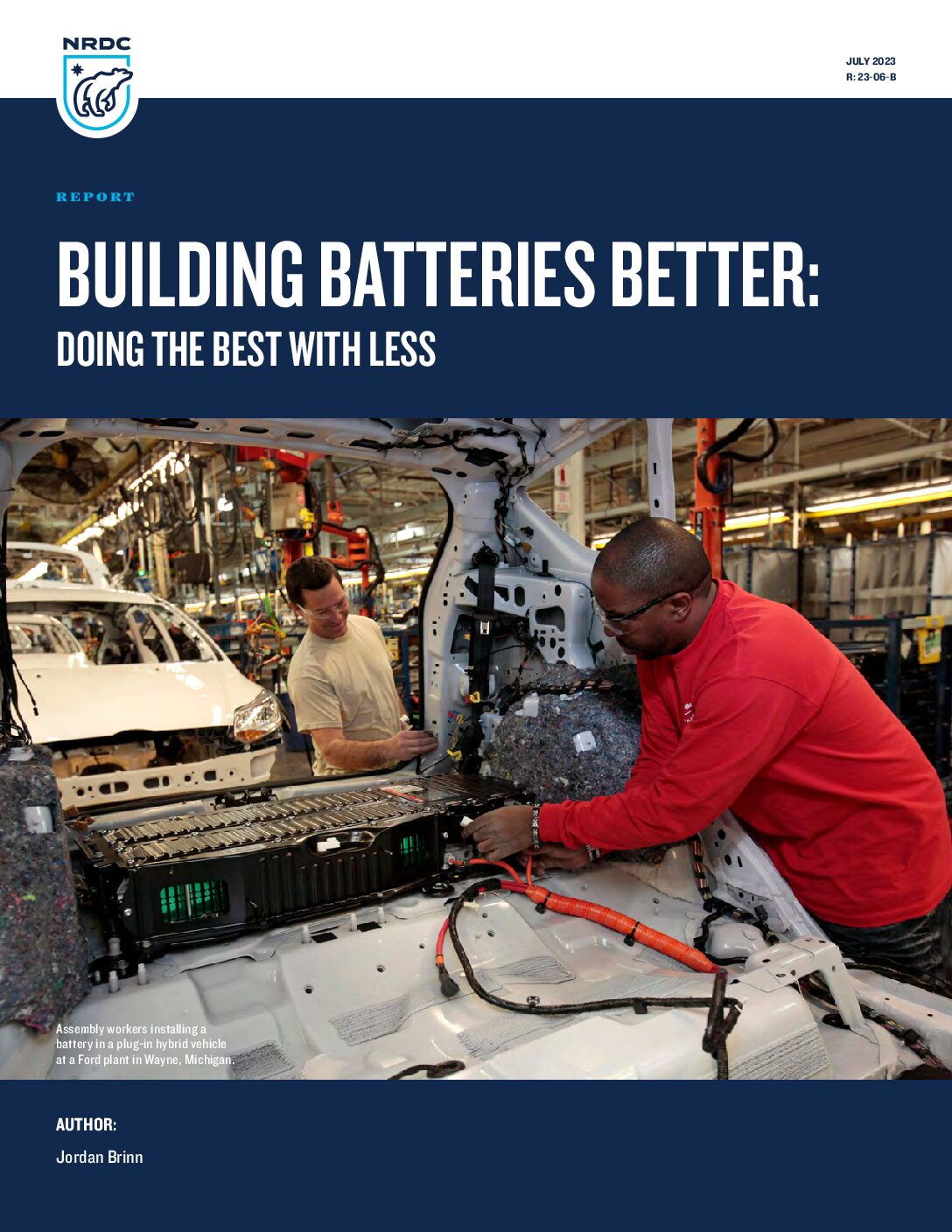
This report investigates the potential to develop circular supply chains for EV batteries.