

This publication shares the learnings from eight EU-funded research projects on energy behaviour and modelling, and presents their implications for policy design.
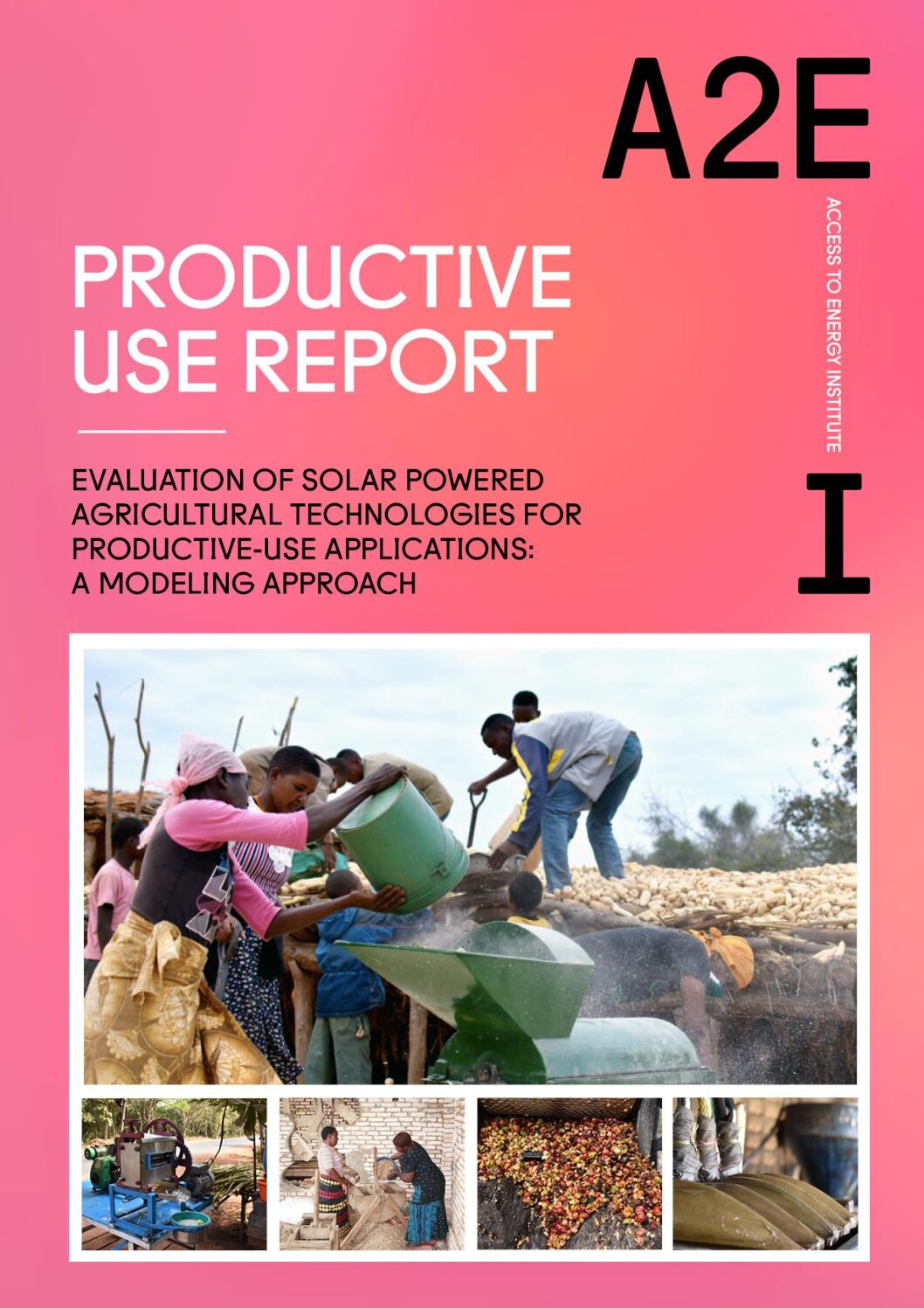
This report uses economic modelling to investigate the viability of ten different productive use applications of solar power in agriculture (oil extraction, maize shelling, rice hulling, fruit juice making, sugar cane juicing, fruit drying, flour milling, peanut shelling and coffee pulping). It investigates each technology in detail and then calculates the profits and other benefits […]

This brief report introduces the concept of the WEF nexus and explains how the FAO has applied the nexus approach in its work, with many case study examples.
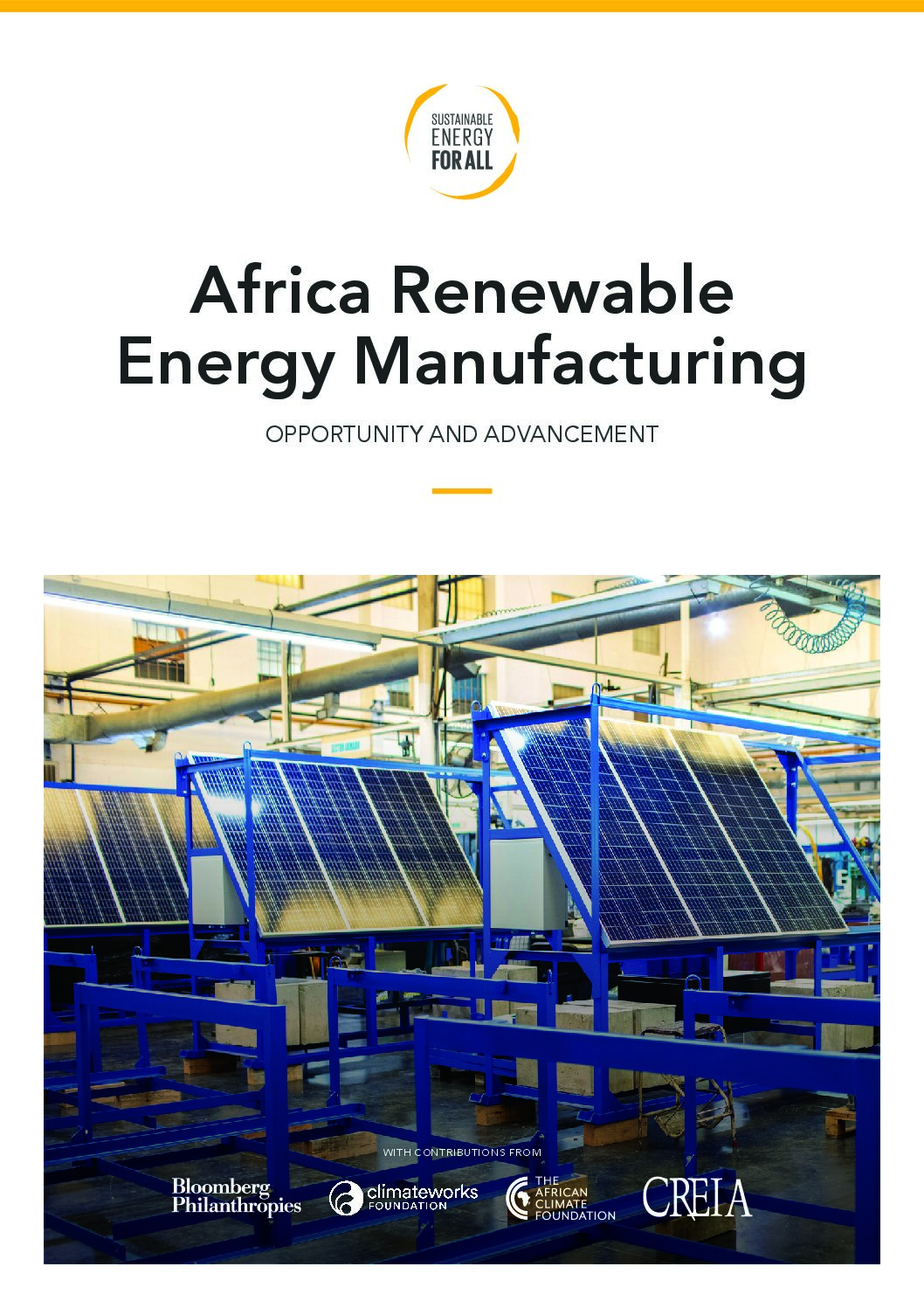
This report identifies opportunities for and barriers to renewable energy component manufacturing in African countries, and proposes interventions to accelerate investment in the space.
This report identifies opportunities for Latin American and Caribbean countries in global renewable energy value chains. It focuses particularly on countries with significant mineral reserves, including Bolivia and Ecuador.
This executive summary gives a brief overview of global solar PV supply chains, with a lot of data and interesting visuals.
This report dispels myths about geopolitical issues around the need for critical materials for the energy transition, and concerns about dependency.
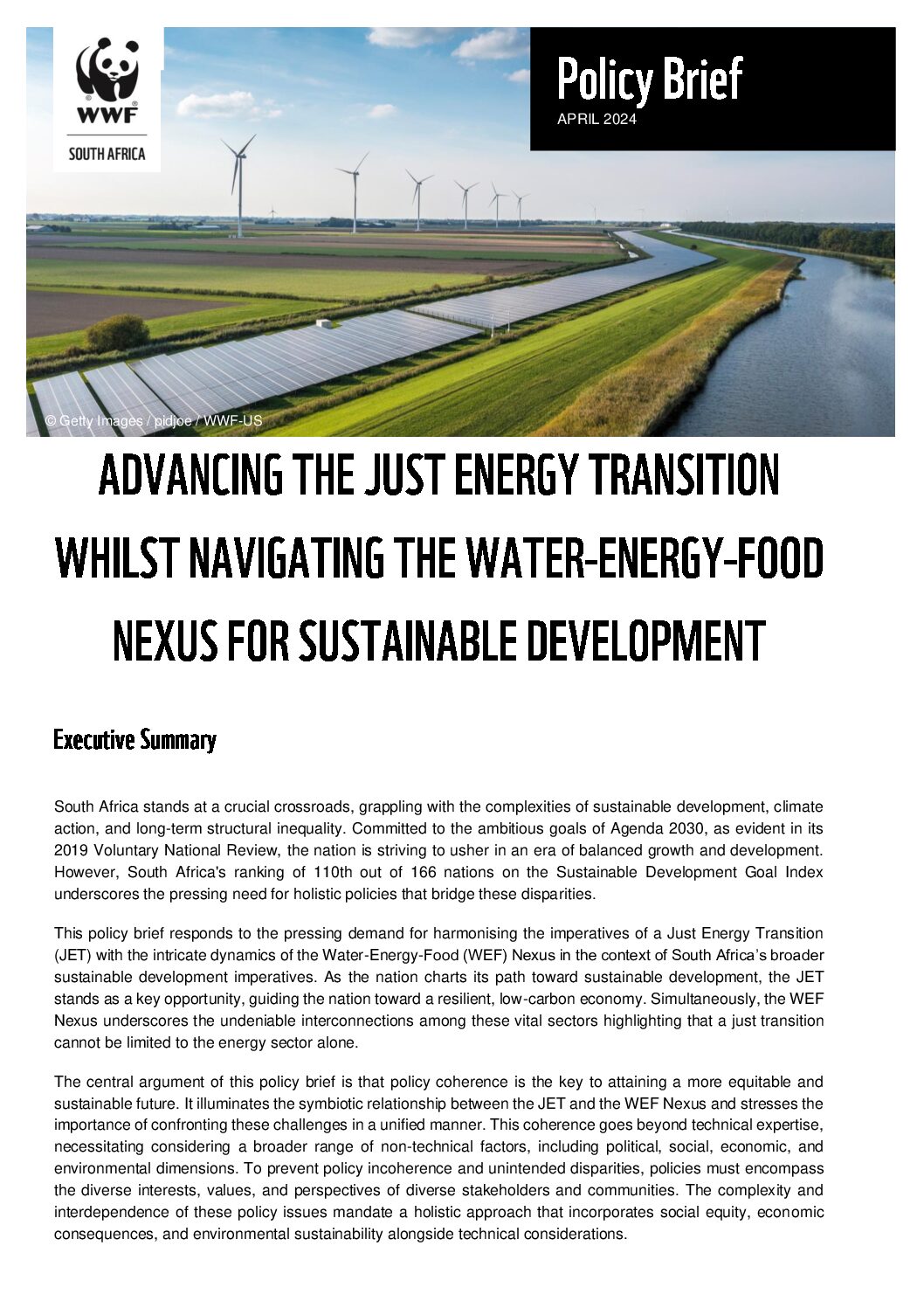
This policy brief responds to the pressing demand for harmonising the imperatives of a Just Energy Transition (JET) with the intricate dynamics of the Water-Energy-Food (WEF) Nexus in the context of South Africa’s broader sustainable development imperatives.
Identifying Factors Associated with Consumers’ Adoption of e-Mobility—A Systematic Literature Review
This article investigates the following questions: 1) What are the associated factors that affect the consumer’s intention to purchase EVs? (2) What is the impact of sociodemographic variables on the adoption of EVs? (3) What are the main obstacles to and motivators for introducing EVs and the expected recommendations for manufacturers, politicians, governments, and scientists?
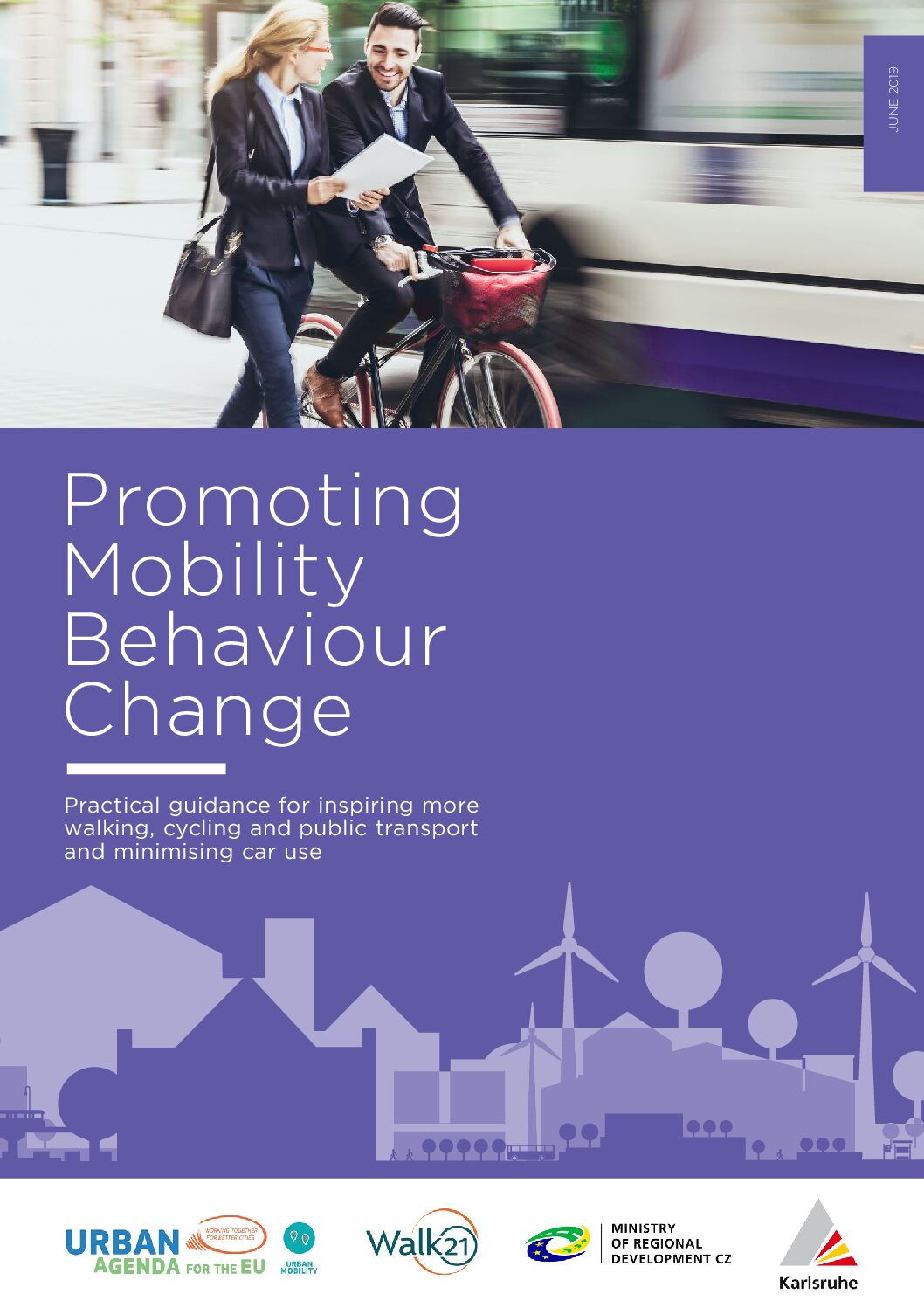
This publication provides templates to support any city authority, business, institution or charity that wishes to effect a positive change in mobility behaviour.