
The average lifespan of a building is 50 years, so the design of buildings that are constructed now will have an effect on energy consumption in our cities until well into the 2070s. This article presents the most effective options for cities to set mandatory minimum energy performance standards for buildings, to prevent locking in […]

This publication shares the learnings from eight EU-funded research projects on energy behaviour and modelling, and presents their implications for policy design.

This brochure provides step-by-step instructions for walk-through energy audits, focusing on heating, lighting, and bills and meter readings in offices and factories or warehouses.
This report by the Global Energy Transitions Commission presents a complete picture of global building sector emissions and describes pathways to decarbonisation for both existing buildings and new construction.
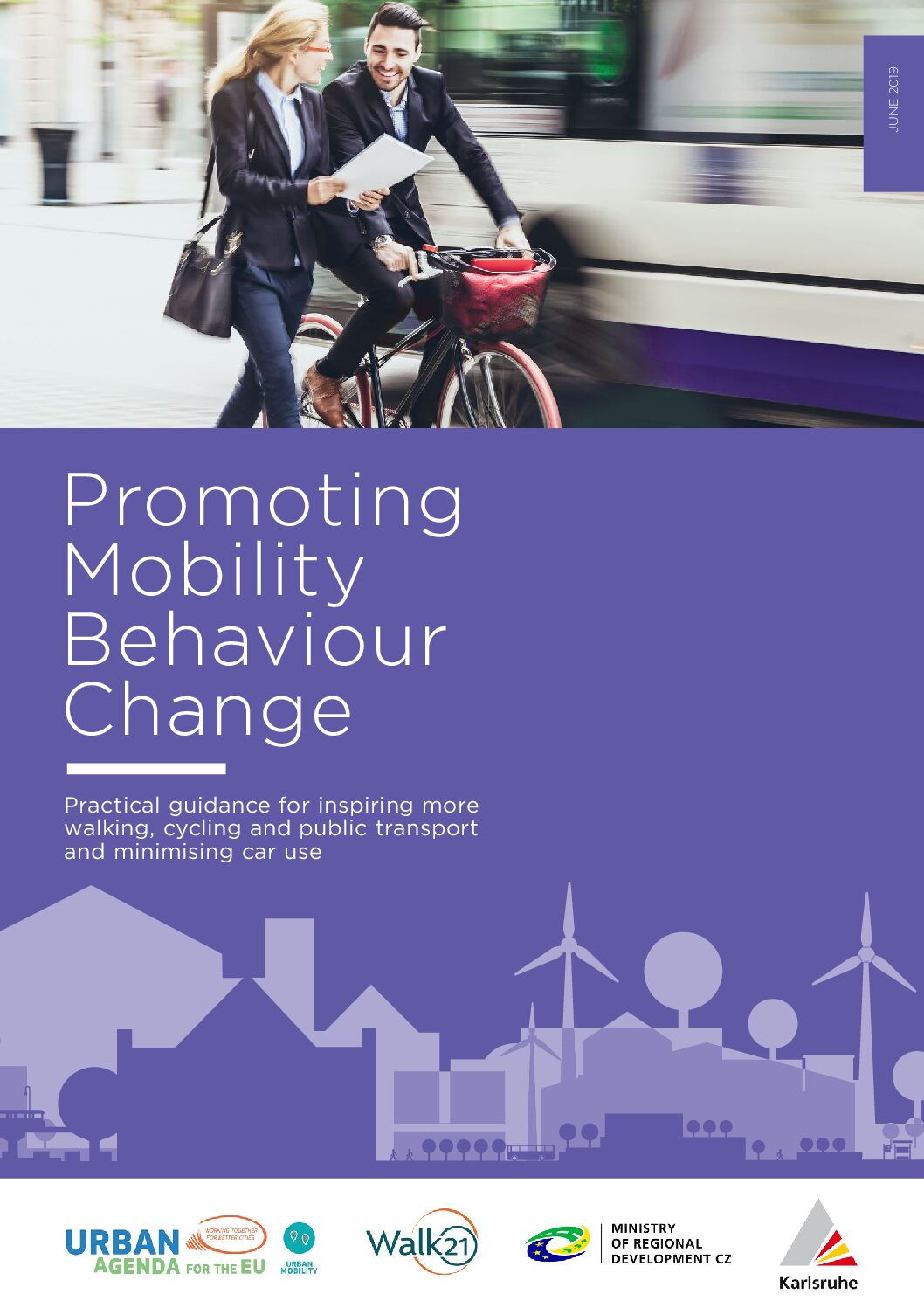
This publication provides templates to support any city authority, business, institution or charity that wishes to effect a positive change in mobility behaviour.
Identifying Factors Associated with Consumers’ Adoption of e-Mobility—A Systematic Literature Review
This article investigates the following questions: 1) What are the associated factors that affect the consumer’s intention to purchase EVs? (2) What is the impact of sociodemographic variables on the adoption of EVs? (3) What are the main obstacles to and motivators for introducing EVs and the expected recommendations for manufacturers, politicians, governments, and scientists?

This web page highlights the role of buildings in the energy transition (heating, cooling, lighting, etc), and presents data and recommendations.
This memo summarises the methodology and results of a study of the climate vulnerabilities of Latin American energy systems, and highlights some adaptation measures.
This paper focuses on strategies, policies, and programs that industry and government can develop to ensure that supply chains for EVs and their batteries are secure, circular, and reduce the need for mining virgin minerals, thus reducing adverse impacts on the planet and its people.
This report looks at the mineral demand for a net-zero emissions energy system, focusing on seven critical minerals and discussing the role of technological choices, circular economy strategies, and responsible mining in reducing the environmental impact of the transition.