
This second edition from 2025 provides an update to the landmark report from 2019, based on a new survey of 1192 individuals working in the sector, and 233 companies and organizations. The headline finding was that despite widespread efforts, the share of women in renewable energy has not grown over the past six years: it … Continue reading “Renewable energy: A gender perspective (Second edition)”
This brochure provides step-by-step instructions for walk-through energy audits, focusing on heating, lighting, and bills and meter readings in offices and factories or warehouses.
This report assesses the effectiveness of women in energy networks worldwide and offers best practices and recommendations for networks under development or those aiming to enhance their impact.
This report provides recommendations for improving the availability of sex-disaggregated and specific gender equality data in the energy sector, to improve decision making and programme design.
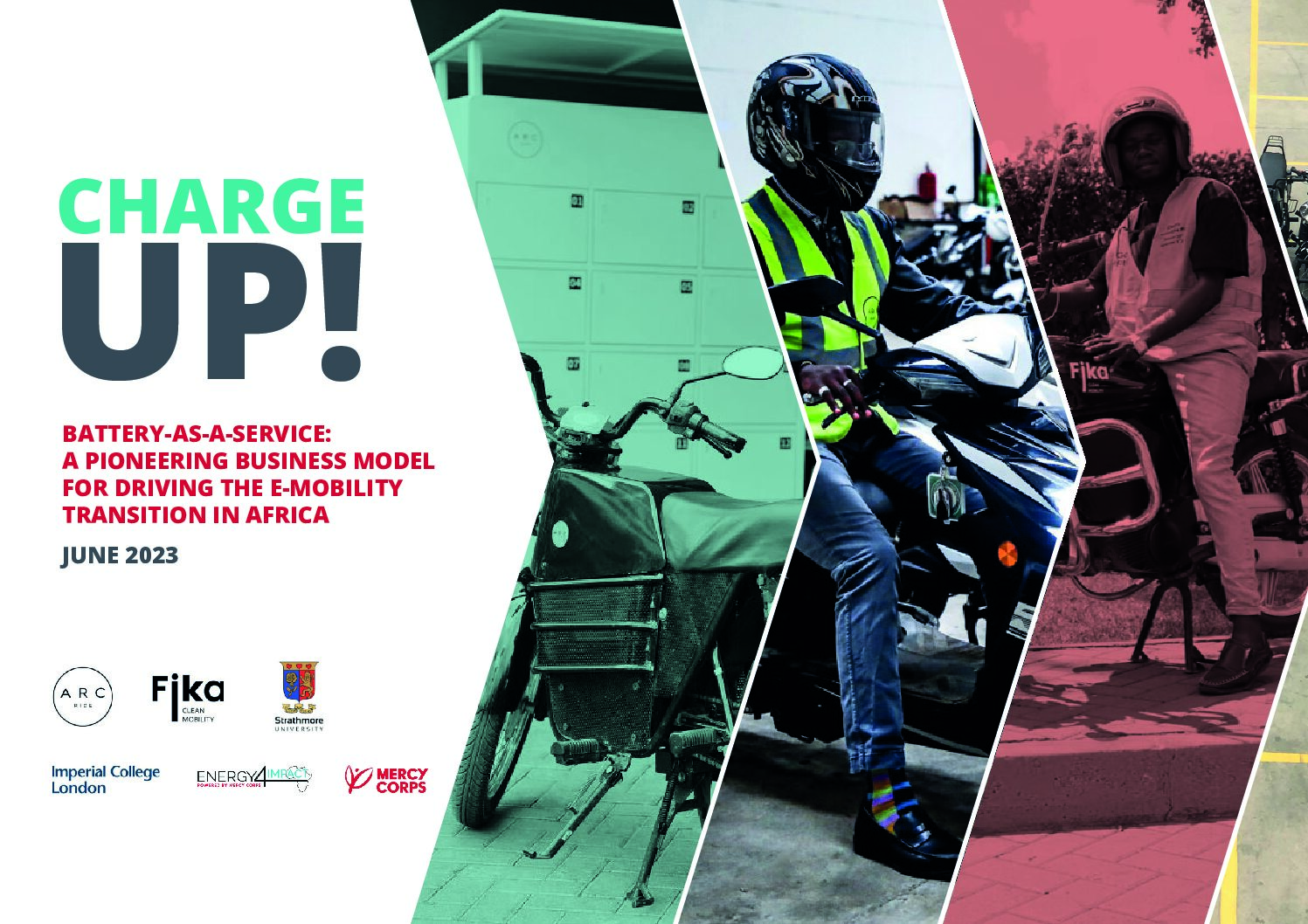
This report investigates different models for the deployment of e-bike fleets and charging/swapping infrastructures in sub-Saharan Africa. It highlights the potential advantages of battery swapping for riders, highlights emerging best practice for Batteries as a Service, and provides recommendations on policy, regulation and financing to support uptake of e-motorcycles and the growth of BaaS in … Continue reading “Charge Up! Battery-as-a-service: A pioneering business model for driving the e-mobility transition in Africa”
This report provides baseline data on women’s employment in renewable energy, as well as information on barriers to gender equality and recommendations to close gender gaps.
This report provides baseline data on women’s employment in wind energy, as well as information on barriers to gender equality and recommendations to close gender gaps.
This report provides baseline data on women’s employment in solar energy, as well as information on barriers to gender equality and recommendations to close gender gaps.
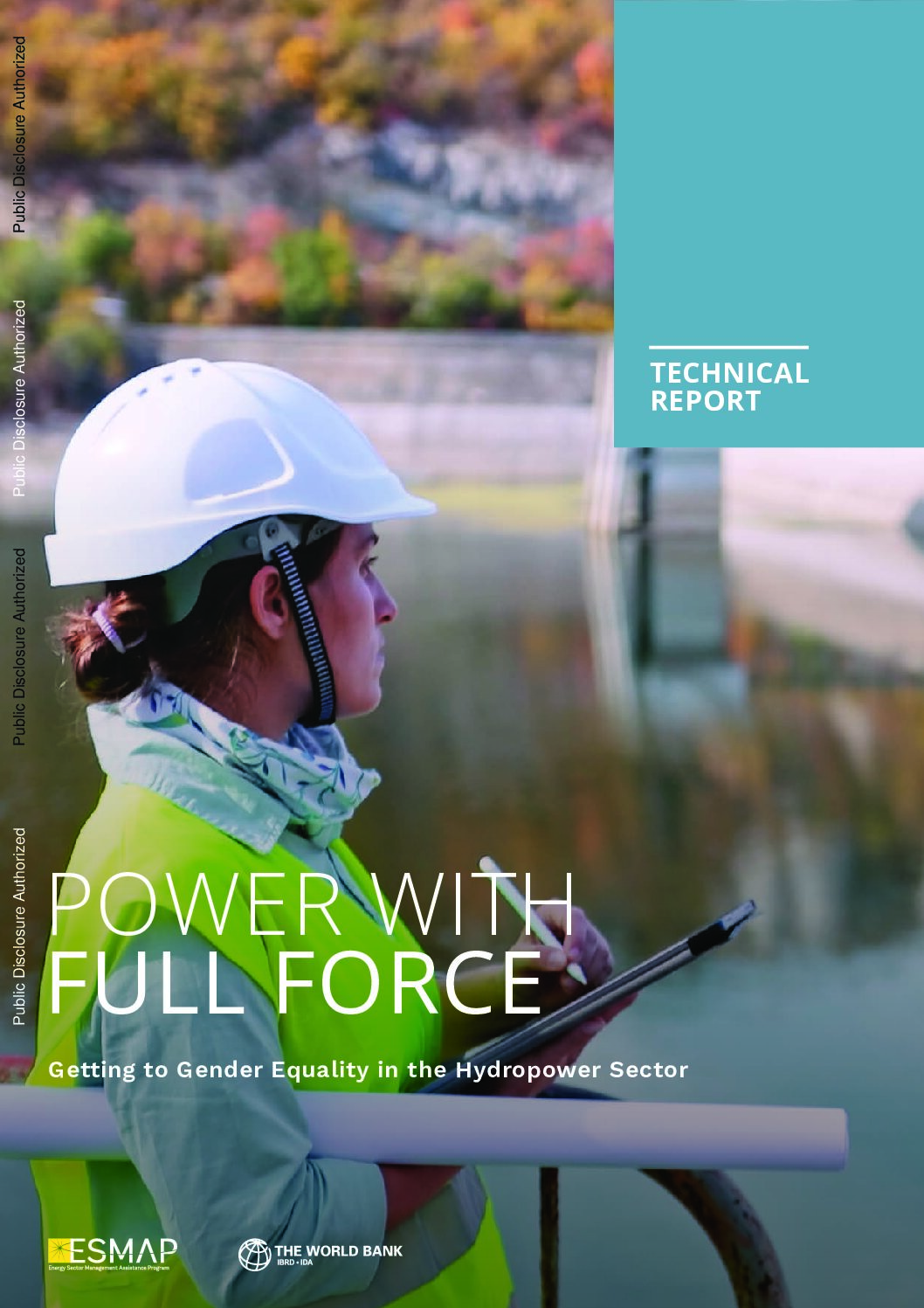
This report provides baseline data on women’s employment in hydropower, as well as information on barriers to gender equality and recommendations to close gender gaps.
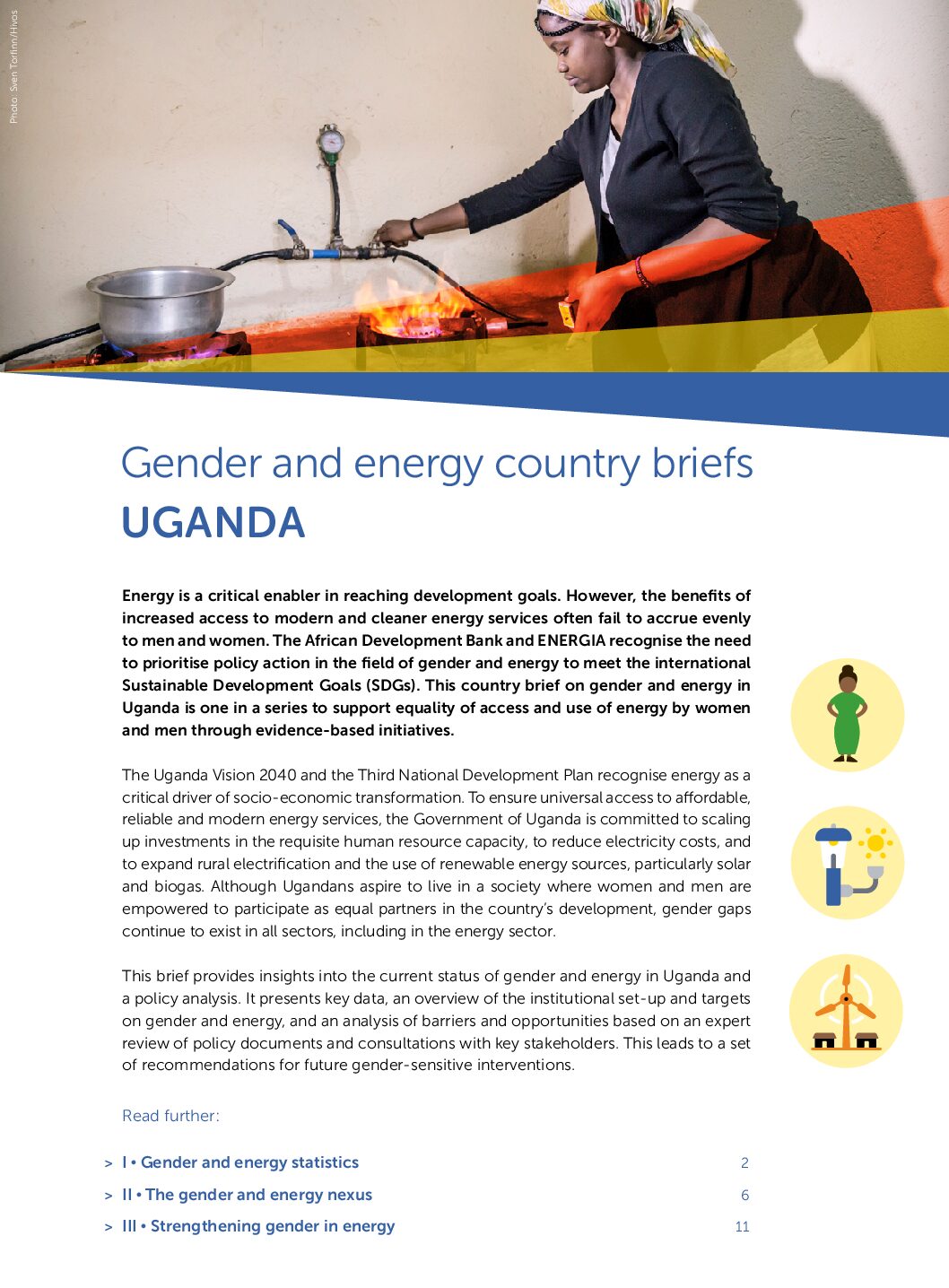
This brief provides statistics about gender and energy in Uganda, as well as an analysis of relevant policies and recommendations to further close gender gaps.