
This webpage provides an introduction to smart grids, an overview of recent progress and recommendations for governments and utilities.
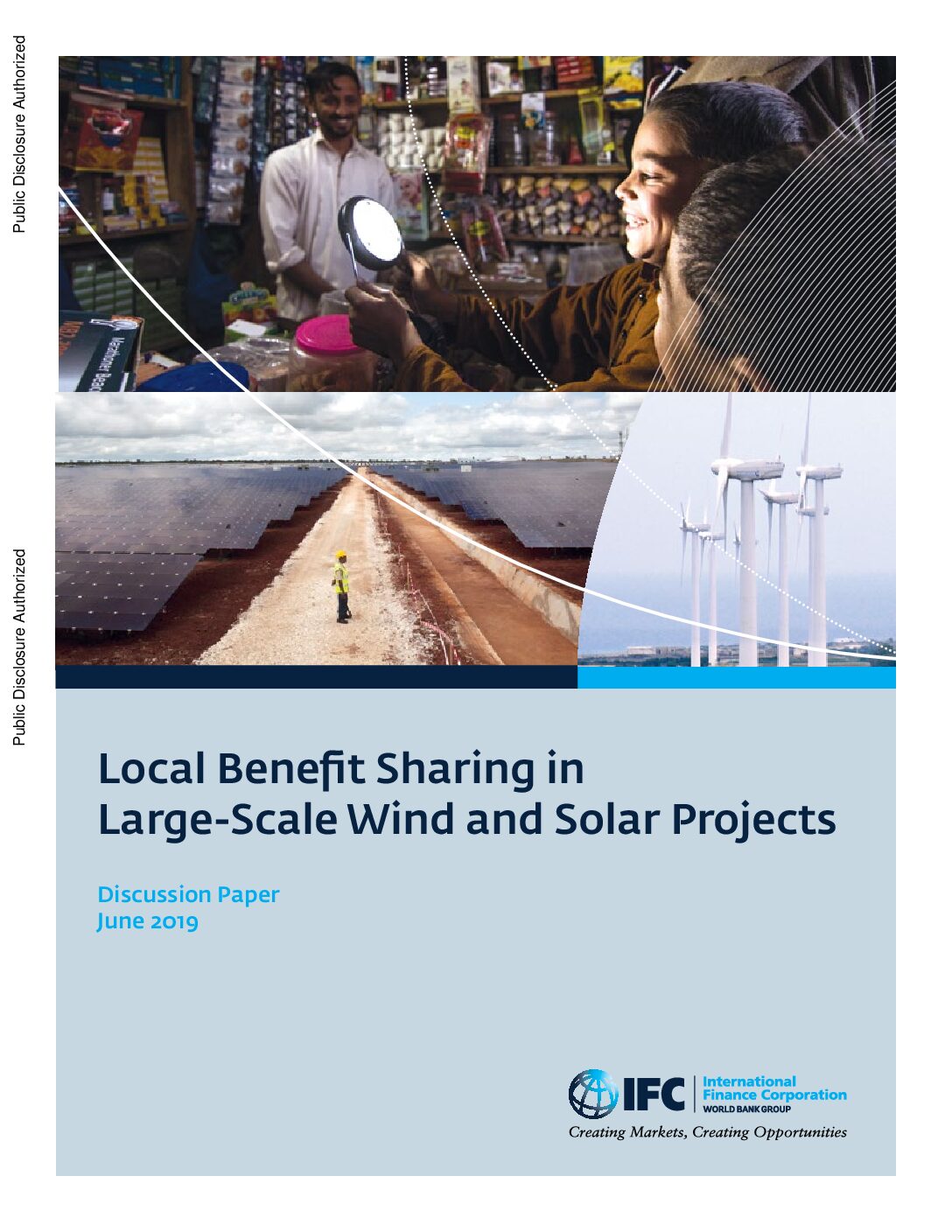
Wind farms tend to be large projects built in relatively remote areas, and in the past, they have often generated more disturbance than benefits for local communities. This World Bank report discusses models that allow host communities of wind energy projects to benefit more from those projects.
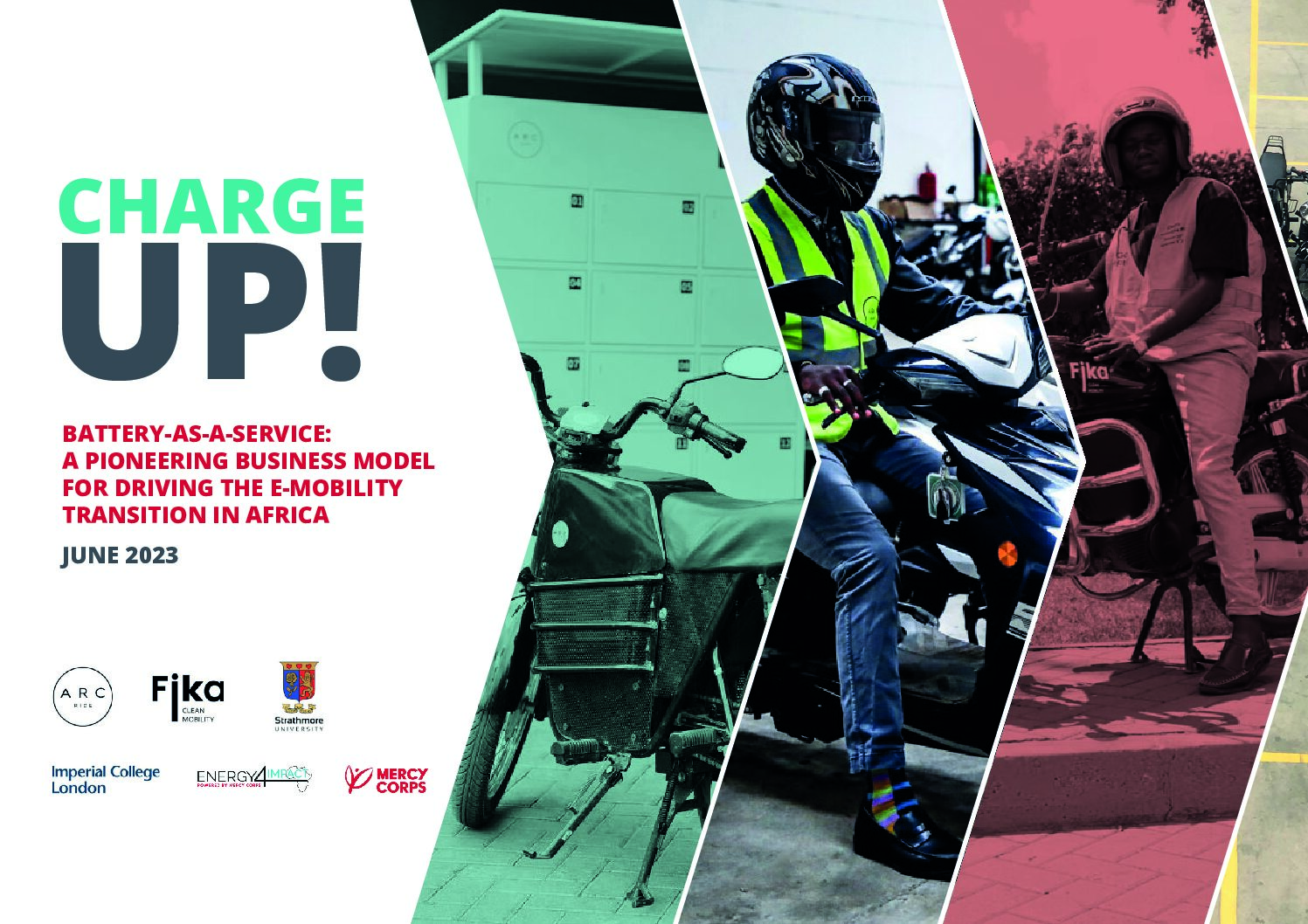
This report investigates different models for the deployment of e-bike fleets and charging/swapping infrastructures in sub-Saharan Africa. It highlights the potential advantages of battery swapping for riders, highlights emerging best practice for Batteries as a Service, and provides recommendations on policy, regulation and financing to support uptake of e-motorcycles and the growth of BaaS in … Continue reading “Charge Up! Battery-as-a-service: A pioneering business model for driving the e-mobility transition in Africa”
This Guide aims to assist community and indigenous communities groups in the development of their own small-scale renewable energy projects.
This slide deck provides a quick overview of the process for the development of energy projects by indigenous groups, including tips on choosing an optimal site, ownership structures and financing structures.
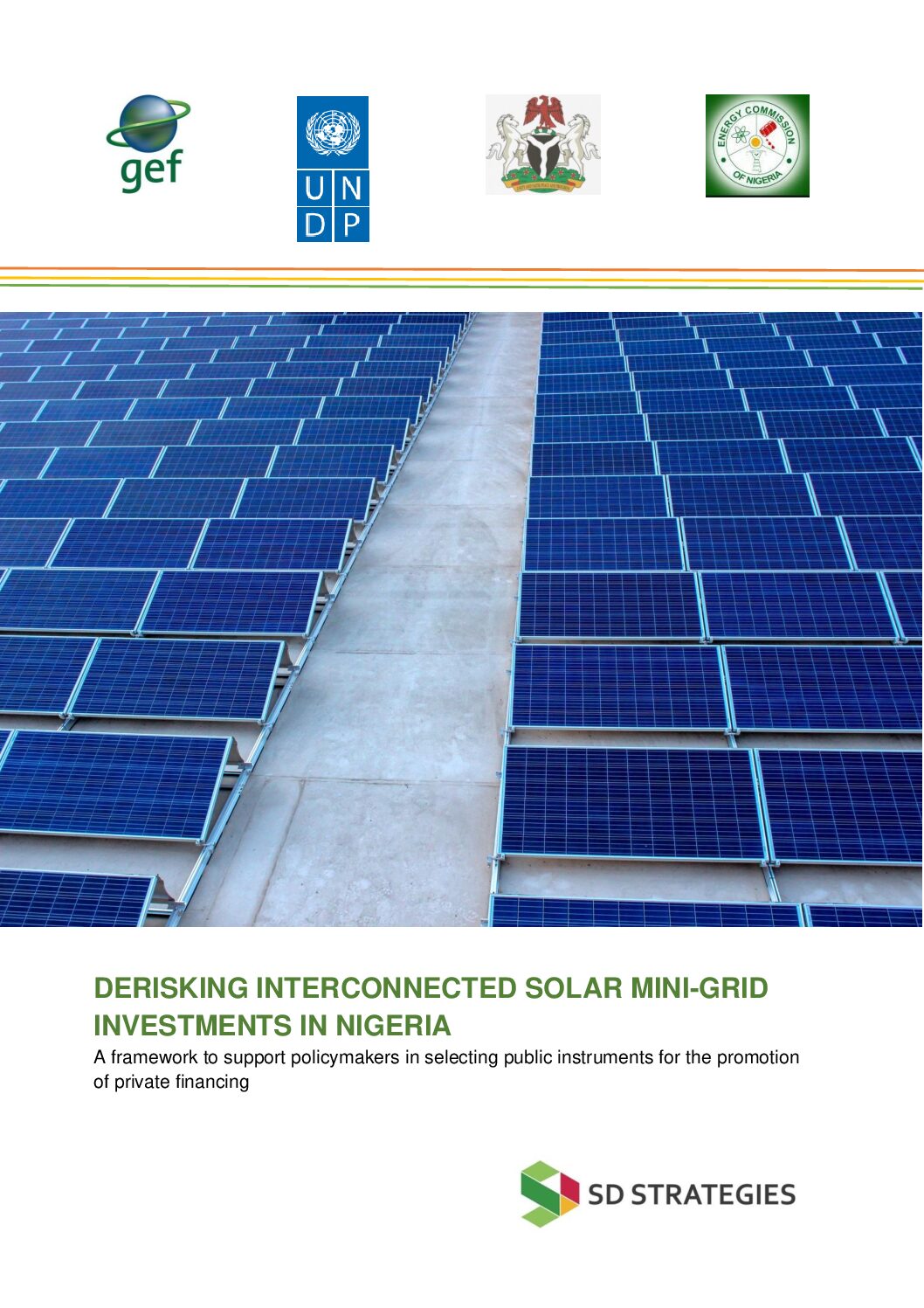
This report identifies and analyses key risks and barriers to private-sector investment in interconnected mini-grids in Nigeria, and evaluates policy and financial instruments designed to address them.
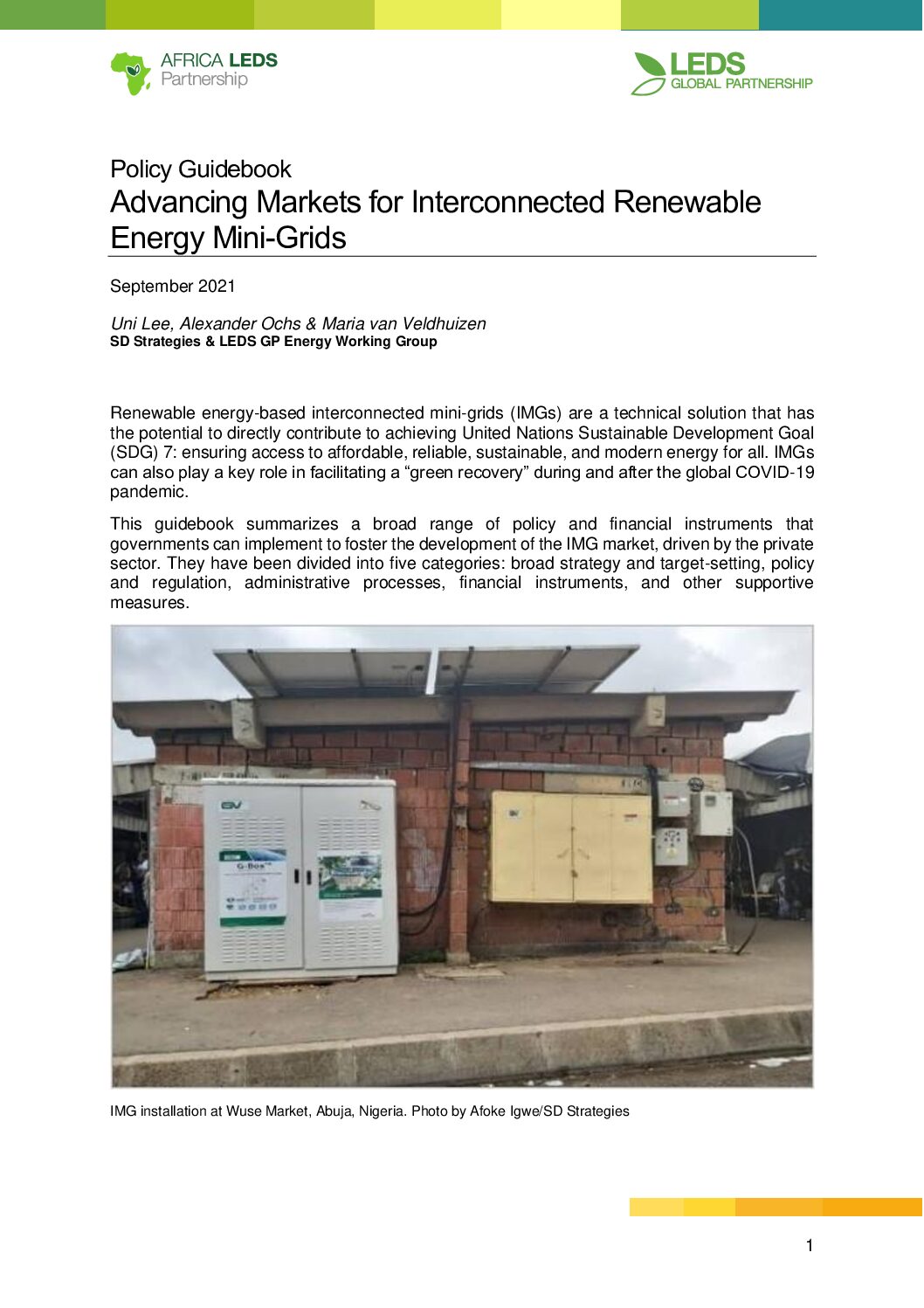
This guidebook summarizes a broad range of policy and financial instruments that governments can implement to foster the development of the interconnected mini-grid market, driven by the private sector.
This article describes the origins and provides examples of community-owned small hydropower projects in Guatemala.
This report explores the critical intersections of AI development, gender equality and energy transitions, emphasizing how AI applications can advance a sustainable, equitable and just energy transition.
This blog describes four opportunities for digitalisation to accelerate just energy transitions: smart energy management, decentralized energy systems, climate-resilient farming, and public transport.