
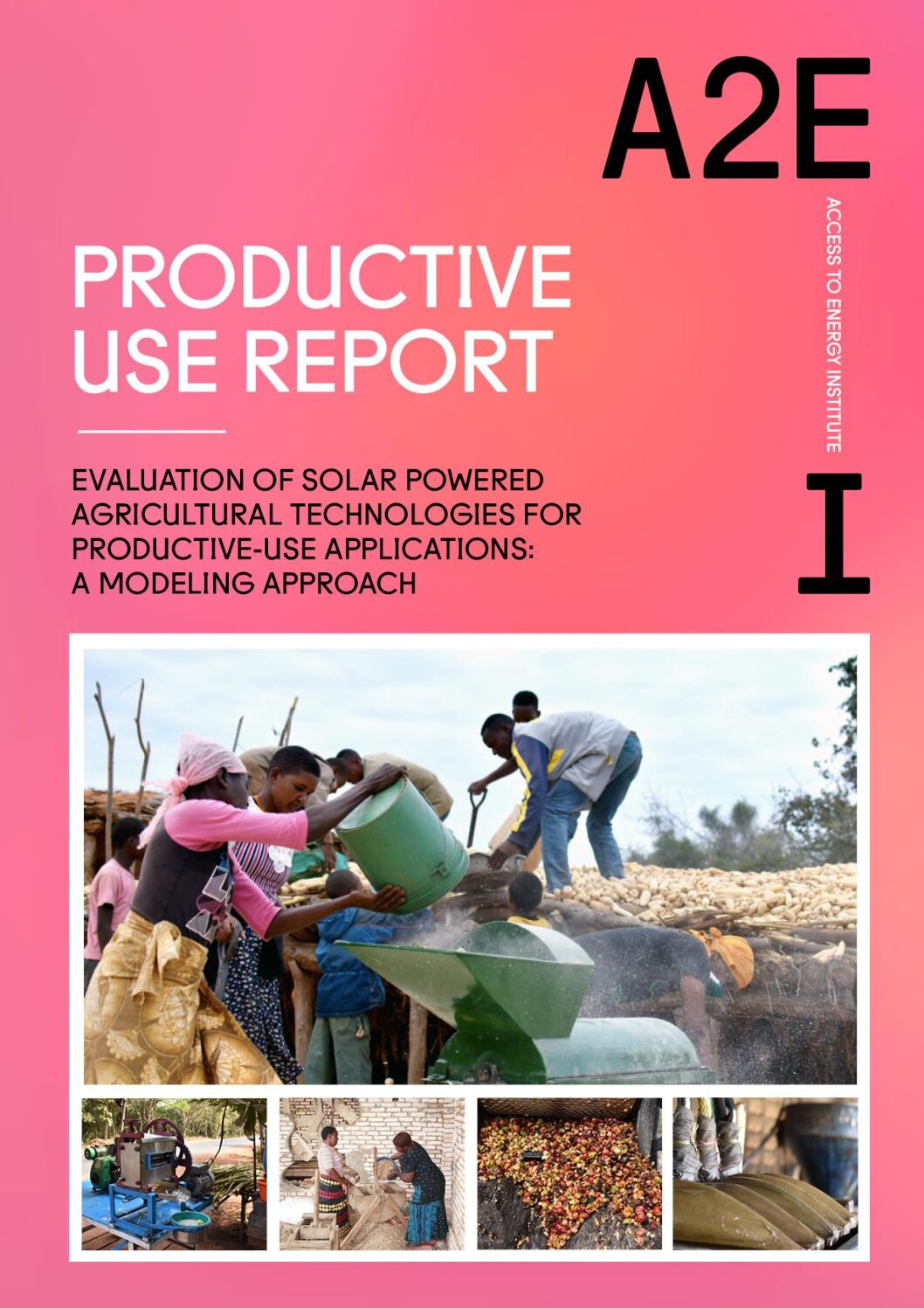
This report uses economic modelling to investigate the viability of ten different productive use applications of solar power in agriculture (oil extraction, maize shelling, rice hulling, fruit juice making, sugar cane juicing, fruit drying, flour milling, peanut shelling and coffee pulping). It investigates each technology in detail and then calculates the profits and other benefits […]
This brief report introduces the concept of the WEF nexus and explains how the FAO has applied the nexus approach in its work, with many case study examples.
This is an article by a company that offers solutions to offset the emissions generated by online shopping. It provides a quick and basic guide for companies on how to start generating and selling carbon credits.
This article announces the approval in March 2025 by the Integrity Council for the Voluntary Carbon Market (ICVCM) of a new cookstove methodology by Verra, which administers the Verified Carbon Standard. This sets a new benchmark for high-quality, trusted carbon credits for clean cooking. The article also provides data on the development of the clean […]
This report presents the CCA’s Principles for Responsible Carbon Finance in Clean Cooking: Integrity, Transparency, Fairness and Sustainability, and connects each with key actions to be taken by market actors.
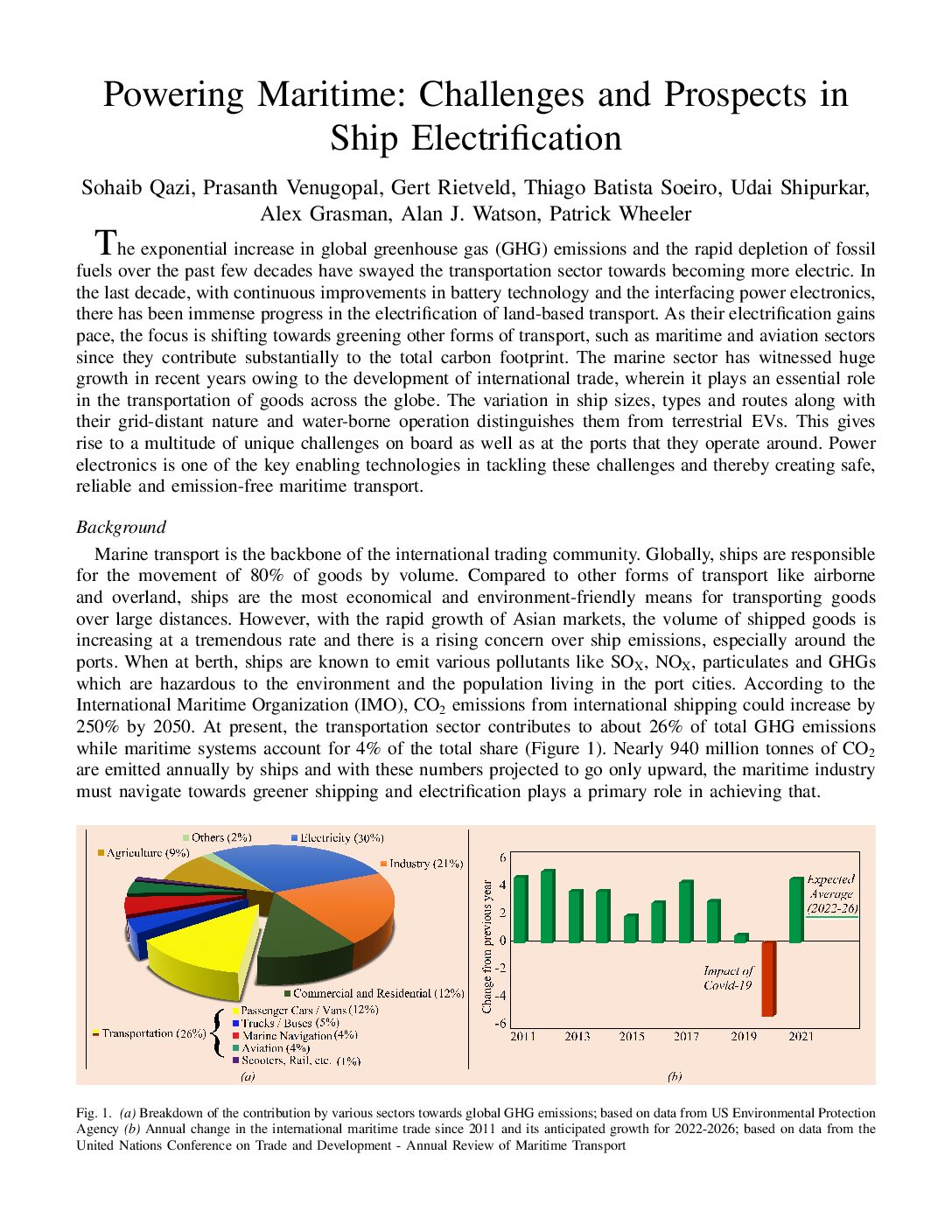
This research paper gives an overview of the technical challenges for both ports and shipping companies associated with the electrification of shipping, and explains how electric ships could work.
This report provides answers to three critical questions: Why should developing countries pursue e-mobility? When does an accelerated transition to electric vehicles (EVs) make sense for developing countries? How can governments make this transition happen?
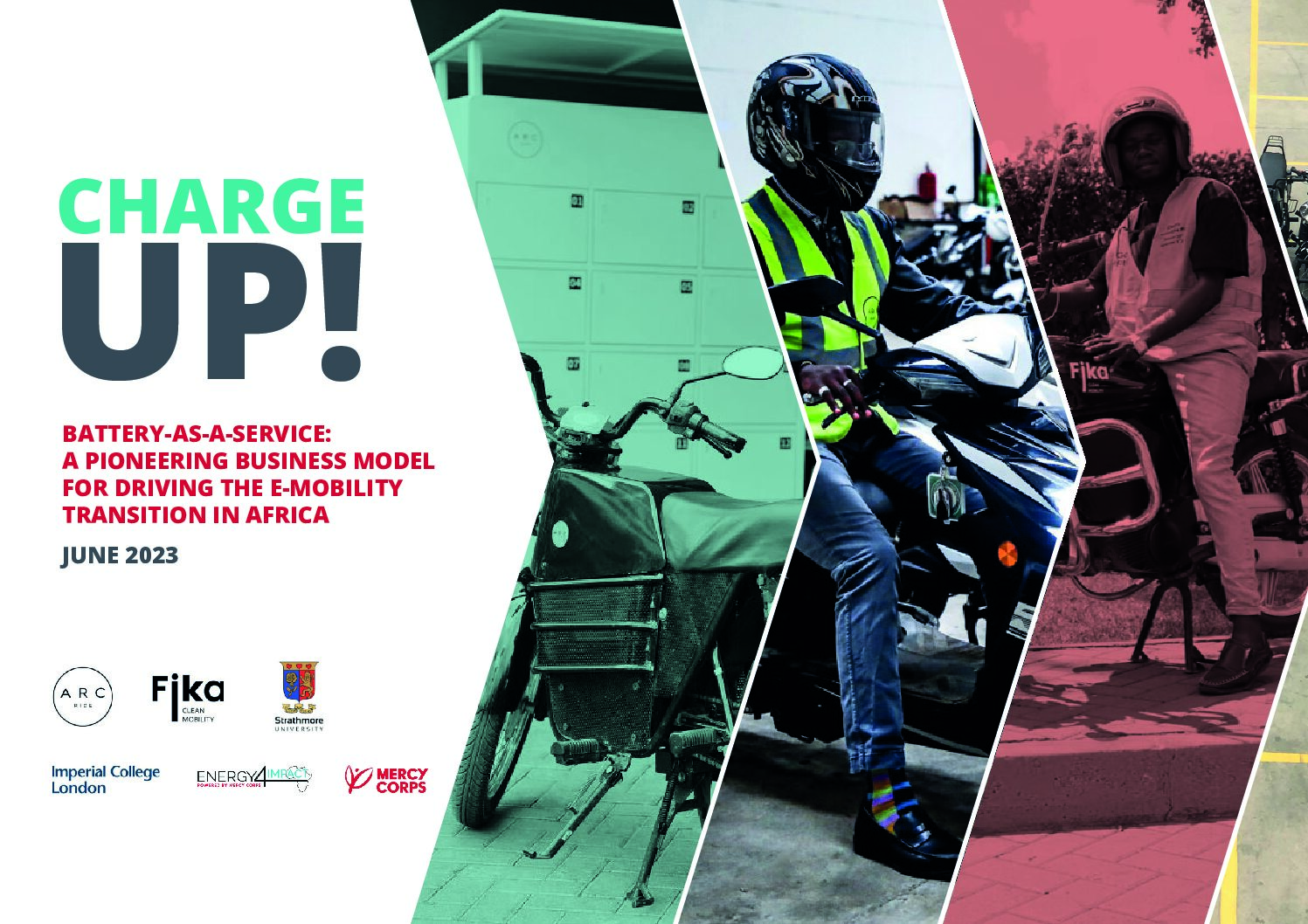
This report investigates different models for the deployment of e-bike fleets and charging/swapping infrastructures in sub-Saharan Africa. It highlights the potential advantages of battery swapping for riders, highlights emerging best practice for Batteries as a Service, and provides recommendations on policy, regulation and financing to support uptake of e-motorcycles and the growth of BaaS in […]
People need water, energy, and food to sustain their livelihoods, grow economies, and achieve sustainable development. The interactions between these resource sectors form the crux of water-energy-food (WEF) nexus assessments. This study analyses the WEF nexus of 54 African nations and identifies bottlenecks resulting from water, energy, or food insecurity.
This report calls for greater cross-sectoral collaboration to advance energy, water and food security in Africa, highlighting how synergies between the sectors of water, energy and food create a multiplier effect, ensuring a greater return of investment.